You booked a safari lodge and now you’re staring at the itinerary wondering how the wildlife viewing actually works. Will you see elephants from a vehicle, from a screened hide at the water’s edge, or both? And when should you be sitting where? Many first-time safari travelers don’t realize that lodge viewing hides and waterholes are a completely different experience from game drives — often closer, quieter, and better at certain hours of the day.
This guide walks you through how it all fits together. We explain what hides and waterholes actually are, when wildlife access at the water works best, and how hide sessions differ from drives. You’ll also learn how to choose a lodge with genuinely good waterhole access, the etiquette that keeps animals coming, how to plan your booking and daily rhythm, and how to make the most of every hide session.
What Lodge Viewing Hides and Waterholes Actually Are
A hide is exactly what it sounds like: a concealed structure built so you can watch animals without being seen. Most are screened with one-way views or partially sunken into the ground, which puts you at eye level with the animals coming to drink. That eye-level position is the whole point — instead of looking down on an elephant from a vehicle, you’re level with it, close enough to hear it drink and watch the mud dry on its skin.
The hide itself is usually positioned to overlook a waterhole or man-made dam. Waterholes are the natural gathering points of any reserve: natural pans, springs, or dams that lodges sometimes pump or maintain to keep water available. When the surrounding land dries out, these water sources concentrate wildlife dramatically, and everything from herds of antelope to predators passing through ends up passing the water.
Where you’ll find them
Lodges handle hide placement in two main ways. Some build them right on the edge of the main deck or pool area, so you can wander down from breakfast and be seated within a minute. Others place hides a short escorted walk away — typically within 50 to 300 meters of the main buildings — which gets you closer to the water and further from camp noise, for quieter and often better viewing.
When Wildlife Access at Waterholes Works Best
Timing is everything at a waterhole. In the dry season — roughly June to October across southern and East Africa — natural water sources shrink and animals are forced to drink at predictable times. That predictability is what makes a hide productive: instead of driving around hoping to find something, you sit in one spot and the wildlife comes to you on a schedule you can plan your day around.
Peak activity falls into two windows: early morning from 6:00 to 9:00, and late afternoon from 15:30 to 18:30. Arrive a little before either window and you’ll see the waterhole at its busiest, with herds moving in and out almost continuously. If you’re researching lodges, it’s worth reading about South African resorts that pair safari elegance with coastal relaxation to see how waterhole access fits into a wider trip.
After dark
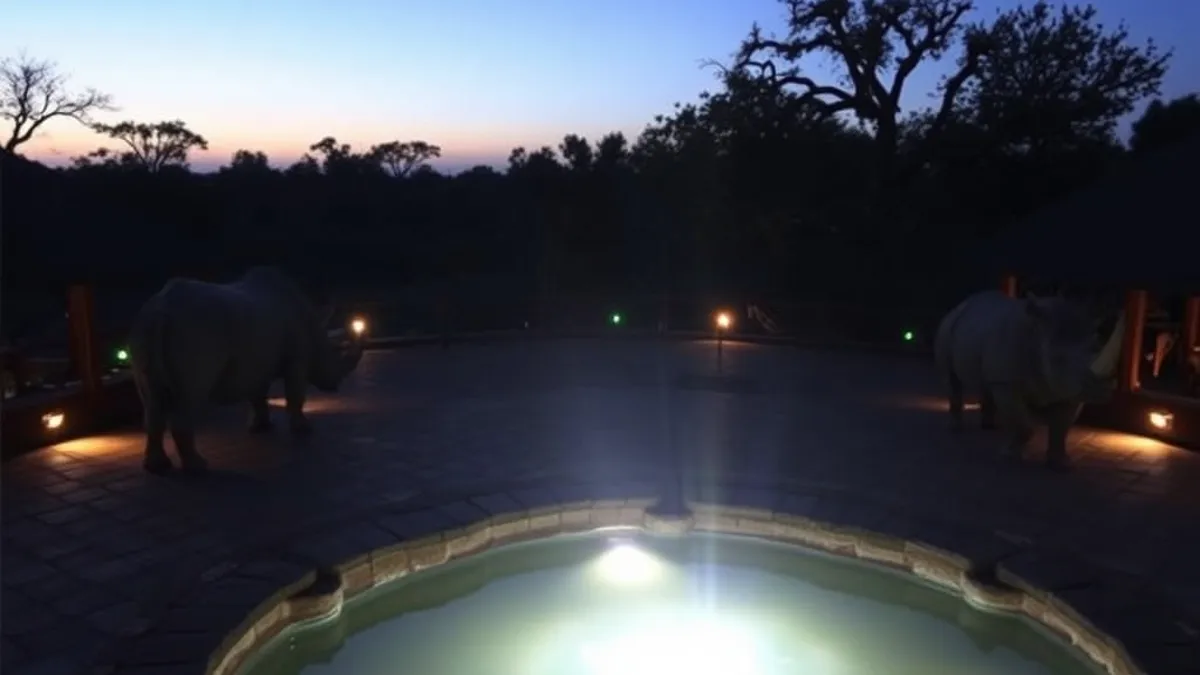
Many lodges illuminate their waterholes with low-glare floodlights, which extends viewing well into the evening. This is when the nocturnal crowd appears: rhino, hyena and bushbabies are mainly active between 19:00 and 22:00, hours when game drives have long since returned to camp. Sitting at a floodlit waterhole after dinner is one of the few ways to watch these animals behaving naturally, and it costs you nothing but patience.
How Hides Differ from Game Drives
Hides and game drives are not competing experiences — they deliver completely different kinds of sightings. A hide rewards patience: the animals come to you, so a single session can produce sightings longer and closer than anything you’d get from a vehicle. Watching a breeding herd of elephants drink, bathe and squabble at the water’s edge for an hour is the kind of viewing no drive can replicate.
What each does best
Game drives cover far more ground. A vehicle can sweep across a whole conservancy in a morning, following fresh tracks and finding predators on the move — lions walking a territorial boundary, a leopard dragging a kill into a tree. Drives are where the wide-ranging, action-style sightings happen. Hides mostly deliver drinking, bathing and social behaviour: the quiet, repeated interactions that reveal how animals actually live around water.
The strongest lodges offer both, and the best guides will let you trade a drive slot for a hide session when the waterhole is busy. If your tracker says the dam is buzzing with activity while the drives are quiet, swapping makes sense. Ask at booking how flexible the schedule is — lodges that treat hides as a first-class option rather than an afterthought are the ones worth choosing.
Choosing a Lodge with Genuinely Good Waterhole Access
The single biggest factor in how good a lodge’s waterhole viewing will be is whether the water is actually there when the animals need it. Lodges sited on permanent water — private conservancy dams, or well-known spots like Etosha’s Okaukuejo area — deliver reliable sightings through the dry season. A lodge on a seasonal pan can be superb after good rains and nearly empty of wildlife a few months later, so ask directly how the water source behaves in the months you plan to travel.
Once you have confirmed the water is permanent, dig into the details of the hide itself. Not all hides are equal, and the differences matter more than most travelers expect. Before booking, it helps to ask the reservations team a few specific questions:
- Floodlighting: a floodlit hide lets you watch nocturnal visitors after dark, while an unlit one effectively closes at sunset — a huge difference for evening viewing.
- Seating options: shaded and unshaded seating matters in the hot mid-morning hours, when glare off the water can also make photography difficult from the wrong angle.
- Access rules: some hides are open to every guest on a first-come basis, while others are reserved for certain room categories, which changes how crowded your session will feel.
- Distance and height: a hide close to the waterline at eye level with drinking animals gives far better views than an elevated structure set well back from the dam.
If budget allows, look at lodges offering private or semi-private hides attached to specific suites. These give you the calmest experience possible — no queueing, no whispering strangers, no rush to claim a seat — and they usually come at a noticeably higher rate. For photographers and anyone who values long, undisturbed sessions, many find the premium worthwhile.
Hide Etiquette That Keeps Animals Coming
A hide only works because animals feel safe coming to the water. That trust is fragile, and it depends entirely on how guests behave inside. Keep your voice low and your movements slow at all times — a sudden noise or someone standing up into view can send a whole herd of elephants retreating, and it clears the hide for everyone else in the process. Think of yourself as part of the furniture, not part of the scene.
Because of this, most lodges cap hide occupancy at around 4–8 guests at a time. That limit keeps disturbance down, but it also means seats fill quickly around the prime viewing windows. Arriving 20–30 minutes before the action starts gives you a good seat and, just as importantly, lets you settle in quietly before the first animals approach. Walking in late, rustling bags and shuffling chairs while a rhino drinks is the fastest way to undo everyone’s patience.
A few rules are non-negotiable at any well-run hide, and most lodges will brief you on them before you enter:
- No feeding, calling or luring: whistling, clicking or tossing food habituates animals to humans and changes their natural behaviour — guides take this seriously and may end your session over it.
- Phones on silent, screens dimmed: a bright screen or buzzing phone in a dark hide is visible to other guests and can startle animals at the water’s edge.
- Stay behind the screen line: keep your silhouette below the viewing slot or mesh, since animals read a human outline against the sky as a threat.
- Keep camera noise down: disable shutter sounds and beeps before you enter, and avoid continuous burst shooting during quiet moments.
Follow these habits and you will usually find the animals stay longer, come closer and behave more naturally — which is exactly what you came for.
Practical Planning: Booking and Daily Rhythm
Good waterhole access starts with the booking itself, not with what you do on arrival. Waterhole-facing rooms and private hide access are the first categories to sell out for dry-season dates, which run roughly June to October in southern and East Africa. If you want that front-row seat, book well ahead — months, not weeks — and confirm in writing that your room category actually includes the hide access you are expecting.
Structure your day around the water
Once on site, resist the temptation to sit at the hide all day. Midday heat sends most animals into the shade, and the hide is often at its emptiest between the morning and afternoon windows. Use that time to rest, swim or eat, then return for the late afternoon session. After dinner, head back out for the floodlit viewing if the lodge offers it — nocturnal species such as rhino and hyena tend to visit mainly between 19:00 and 22:00, and it is a very different experience from daylight viewing.
Check the walking arrangements
Finally, ask the lodge how you actually reach the hide. Many hides sit within 50–300 meters of the main buildings, but some lie beyond the main camp fence, in unfenced big game country. In those cases an armed escort is typically required, and walks may only run at set times rather than on demand. Confirm these details at check-in so you are not caught waiting for a guide while the light — and the animals — come and go without you.
Making the Most of Your Hide Sessions
So, does wildlife viewing at a safari lodge happen on game drives, at the waterhole hide, or both? The honest answer is that the two experiences complement each other, and the best lodges let you do both. Viewing hides and waterholes give you the closest, calmest wildlife access a lodge can offer, especially in the dry season, when animals drink at predictable times and sightings can last far longer than anything you would catch from a moving vehicle.
The practical formula is simple: pick a lodge on permanent water, time your sessions around the early morning and late afternoon windows, and follow basic hide etiquette so animals keep coming. Then mix in game drives for wide-ranging predator sightings and the bigger landscapes. Between the two, you cover close-up behaviour and the wider wilderness — and you will rarely leave feeling you missed out. If this helped you plan your stay, leave a comment or share the article with a fellow traveler.