Booking a safari lodge should be the fun part of trip planning, but the room categories often leave travelers scratching their heads. One lodge’s “luxury tent” costs more than another’s “suite,” and a “view upgrade” can mean anything from a sweeping river panorama to a sliver of water visible between two trees. Without clear definitions, it’s hard to know whether you’re paying for genuine comfort or just a fancier label.
This guide breaks down lodge room categories so you can match your budget to the right choice. We’ll explain what tents, suites and villas actually offer, when canvas beats concrete, and what the extra money for a suite really buys. You’ll also learn when a 15–30% view premium is worth it, how season and booking timing change the math, and which category fits your trip style — whether you’re a first-time visitor, a honeymooner, a family or a photographer chasing that perfect water-hole shot.
What Lodge Room Categories Actually Mean
At most safari lodges, the difference between categories comes down to three things: size, walls versus canvas, and the services included. A tented room puts you closer to the sounds of the bush, while a suite wraps you in solid walls with more space and more staff attention. Villas usually sit at the top of the range, adding multiple bedrooms and dedicated facilities, but the core trade-off is the same everywhere.
Safari tents generally cover 40–60 m². They typically feature canvas walls, zip openings instead of doors, and an outdoor deck where you can watch the landscape. Bathrooms vary widely — some are solid structures, others are canvas-walled — which affects comfort more than many travelers expect.
What a suite actually adds
Suites span roughly 70–120 m² and are built with solid walls. Expect an indoor lounge, proper climate control and, at many lodges, a private plunge pool or expansive deck. The larger footprint also means more privacy between you and neighboring guests, which matters at busier lodges.
Here’s the catch: category names are not standardized across lodges. One property’s “tent” may be more luxurious than another’s “junior suite.” Before booking, always check the floor plan and the square meters listed on the lodge’s website or ask your agent for them. Numbers don’t lie; marketing labels often do.
Tented Rooms: When Canvas Beats Concrete
Tented rooms deliver the closest-to-nature experience you can get while still sleeping in a proper bed. Canvas is thin, so wildlife sounds are audible at night — lions calling, hippos grunting, hyenas whooping. For many travelers, this is the whole point of a safari, and no suite can replicate it. Waking to birdsong instead of an alarm clock is a big part of the appeal, and many guests describe their first night under canvas as the moment the trip starts to feel real.
In high season, standard safari tents typically run $250–$500 per night. In shoulder months, rates often drop 20–40%, which makes a tented stay one of the best value propositions in the safari world. The trade-off is space and insulation: tents are generally smaller than suites, and canvas does little to muffle noise or block heat. Midday can feel warm inside, though most guests are out on game drives anyway, and many tents come with outdoor showers or buckets that add to the sense of adventure rather than detract from it.
Tents are best for travelers who prioritize atmosphere over square meters. They’re less ideal during the rainy season, when zip openings and canvas walls can feel less comfortable, and for light sleepers who may find every night sound a little too authentic. Light sleepers should pack earplugs — a simple fix that makes canvas walls far easier to live with.
Before you book, check these details
- Permanent versus seasonal structure: a permanent tent usually has a solid bathroom built into the platform, while a seasonal tent may have a canvas bathroom, which noticeably affects comfort.
- Deck orientation and shade: some decks face sunrise, others sunset — ask which way yours faces if you plan to spend mornings or evenings outside.
- Insect and weather proofing: ask whether zip openings have mesh panels and how the tent handles heavy rain or wind.
- Distance from the main area: some tents sit far from the dining hall and pool, which matters at night or during rain.
Suites: What the Extra $350–$700 Per Night Buys
Suites typically range $600–$1,200 per night — roughly $350–$700 more than a standard tent. So what does that premium actually buy? Three things stand out: space, privacy and climate control. Suites span roughly double the footprint of most tents, with solid walls that keep out noise, heat and curious baboons. Many also include a private plunge pool or a large deck that becomes your personal viewing spot.
Who gets the most value
Honeymooners often find the premium worth it for the privacy alone. Families who need two rooms can benefit too, since some suites include a second bedroom or sofa bed. And if you’re staying longer than four nights, the extra comfort compounds — a spacious room with an indoor lounge makes midday rest far more pleasant, especially during hot hours between game drives.
Another often-overlooked difference is service. Suites usually include butler or private dining service that tented categories do not. That can mean dinner served on your deck, drinks delivered at dawn, or a staff member handling every logistics question personally.
Before you book, ask whether the suite price bundles game drives or meals. At lodges where activities and food are priced separately, a fully inclusive suite rate can offset much of the premium — sometimes making the upgrade cheaper than it first appears. Get the inclusions in writing so you can compare offers accurately.
View Upgrades: When the 15–30% Premium Is Worth It
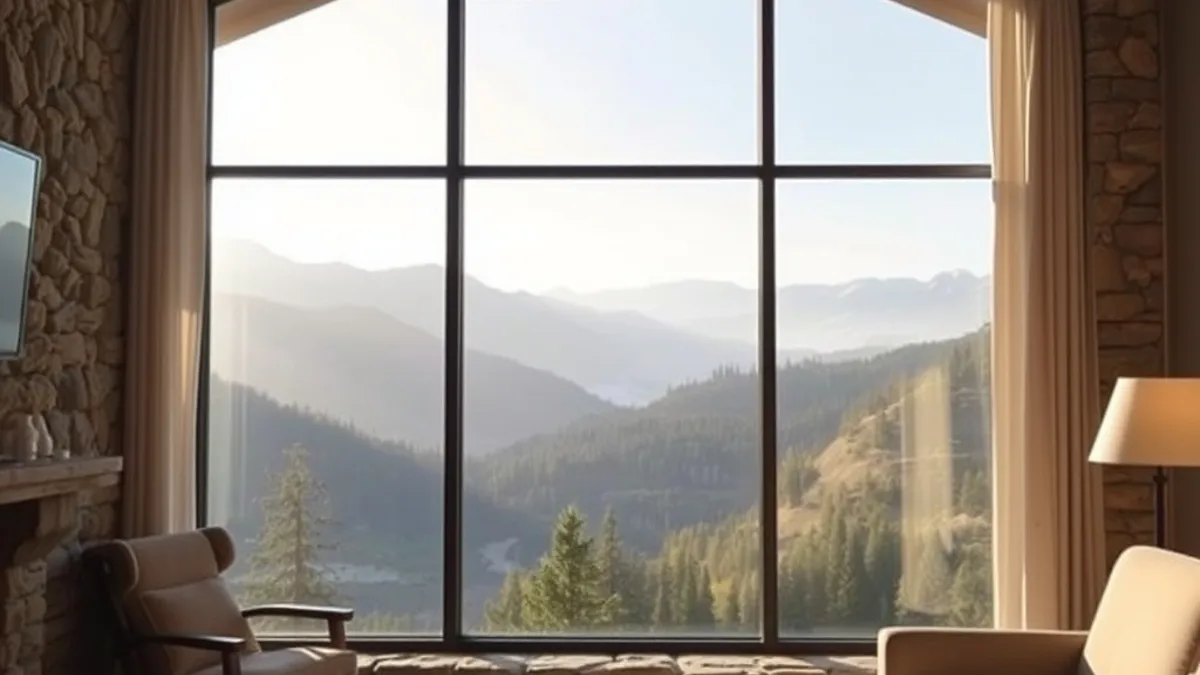
A view upgrade usually adds 15–30% to the base room rate, and what you get for that premium varies enormously. Some lodges position their best rooms directly overlooking a water hole, a river bend, or a valley where animals move at dawn. Others simply label a room “view” because a corner of the deck catches a distant horizon. Before you pay extra, it helps to understand how you will actually spend your days at that specific lodge.
The upgrade makes the most sense at lodges where you return to your room during midday heat breaks. Many safari properties close game drive activities in the middle of the day, and if you are sitting on your private deck anyway, watching elephants come to drink is far better entertainment than staring at a parking area. If instead the lodge runs full-day drives with communal meals and a lively main lounge, you may barely see your room between dawn and dinner, and that premium buys you very little.
Whichever way you lean, get the details in writing before you confirm. “View” is one of the vaguest words in lodge marketing, and it can describe anything from a sweeping floodplain panorama to a narrow gap in the trees where water is barely visible.
- Ask the lodge to confirm the exact sightline — for example, “unobstructed water-hole view from the deck” — and request this confirmation by email so you have it in writing.
- Check the room’s compass orientation: west-facing decks catch golden afternoon light, while east-facing ones give you sunrise over the water, which matters if you plan to spend midday hours outside.
- Ask which room numbers fall in the view category and request one at the far end of the row, since end rooms often have wider sightlines than those in the middle.
- Find out whether anything is planned between your room and the view — new fences, staff quarters, or vegetation management can all change what you actually see by the time you arrive.
How Season and Booking Timing Change the Value Equation
Timing shapes what every room category costs, sometimes more than the category itself. High season in most safari regions runs June–October and December–February, when wildlife viewing peaks and lodges fill quickly. For those dates, book 6–12 months ahead. That is especially true for suites, which are the smallest inventory at most properties — a lodge might have twenty tents but only four suites, and those four go first.
Shoulder-season travel is where the value equation flips. Rates in the shoulder months drop well below high-season prices, which means a suite that felt out of reach in July may land within the same budget as a high-season tented room. If space and privacy matter to you, shifting your dates by a few weeks often buys a bigger upgrade than paying the full premium in peak season.
The free upgrade worth asking about
In low season, some lodges quietly move tented guests into suites when occupancy is low, simply because the rooms are empty anyway. This is never guaranteed, but it costs nothing to ask politely at check-in. The worst outcome is a “no”; the best is 70–120 m² of space for a tented-room price.
View premiums also shift with the seasons. In green season, when rain spreads wildlife across the landscape, animals disperse away from permanent water sources, so a water-hole-facing room sees far less action than it would in the dry months. If your upgrade decision comes down to the view, weigh it against when you are actually traveling.
Matching the Category to Your Trip Style
The right room category depends less on the lodge and more on how you travel. A first-time safari traveler often gets the most from a mid-range tented room: it delivers the classic canvas-and-wildlife-sounds experience at the lower end of the price scale, which leaves more budget for extra game drives, bush walks, or a second camp. Many seasoned travelers will tell you that time in the vehicle matters more than thread count in the room.
Honeymooners usually land in a different place. A suite with a private deck, plus a modest view upgrade, tends to maximize romance per dollar — you get the space, the privacy, and the sunset sightline without paying for services you will not use. If your trip combines safari with coast, you can also look at South African resorts that pair safari elegance with a coastal escape for the second half of the trip.
Families and photographers have their own checklists, and both deserve a phone call or email before booking rather than an assumption based on the website photos.
- Families should confirm whether suites connect through an internal door or whether tents accept extra beds — some lodges cap tents at two adults plus one child, which can force an awkward split booking if you do not ask early.
- Photographers should prioritize the view upgrade specifically at water-hole lodges, where animals come to you during the midday lull and you can shoot from the deck instead of waiting for the next drive.
- Families traveling with teens may find two adjacent tents cheaper than one large suite, but should verify whether the lodge allows unaccompanied minors in a separate tent.
- Photographers on a tighter budget can ask for a room at the end of the view row without the upgrade — some lodges will assign one for a small supplement or even free when occupancy allows.
Choosing Your Lodge Room With Confidence
Choosing between a tent, a suite and a view upgrade comes down to what you actually want from your room. If atmosphere is your priority, a standard tented room at $250–$500 per night brings the bush right to your canvas walls — you’ll hear the night shift of the savanna from your bed. If space, privacy and a plunge pool matter more, suites at $600–$1,200 per night deliver it — especially when meals or game drives are bundled into the rate.
View upgrades add 15–30% to your base rate, and they only pay off when you genuinely spend midday in your room. Timing stretches any budget: book 6–12 months ahead for high season, or travel in shoulder months when rates drop 20–40% and upgrades become far more affordable. Work out how you will use your room, match the category to that, and the confusing price list becomes a simple decision. If this helped you plan your stay, leave a comment or share the article.