Choosing between a lodge and a homestay is one of the trickiest travel decisions, especially in destinations like Africa where both options sit side by side. The lodge vs homestay debate usually comes down to a trade-off: cultural immersion and savings on one side, comfort and convenience on the other. Travelers who book the wrong one for their trip often end up either overpaying for amenities they never use or roughing it more than they expected.
This guide breaks the decision into clear parts. We start by defining what actually separates a lodge from a homestay, then compare who you meet and how you live in each. From there we look at comfort and amenities, run a realistic cost breakdown per night, cover when to book each type of stay, and match each option to trip types like safaris, honeymoons and slow travel. A final bottom-line section pulls it all together so you can choose based on your goals, not on generic advice.
What defines a lodge versus a homestay
At first glance, both options give you a bed in a scenic location, but the similarities end there. A lodge is a purpose-built hospitality property: it has dedicated staff, its own restaurant or dining operation, and a structured schedule of activities that guests can join each day. Think of it as a small hotel adapted to its surroundings, whether that is a riverbank near a national park or a ridge overlooking a valley. Lodges typically employ anywhere from 10 to 40 staff on average, covering everything from kitchen and housekeeping to guiding and front desk.
A homestay works completely differently. You stay in a room inside a family’s own home, the hosts live on site, and you join their household routines rather than a fixed guest program. Dinner might be whatever the family is cooking that evening, eaten at their table, at their hours. Usually a single family runs the whole operation, often just one or two rooms set aside for guests.
Professional hospitality vs personal hospitality
The core difference is the service model. Lodges deliver professional hospitality: trained staff, standards, menus and schedules designed around guest expectations. Homestays deliver personal hospitality: the service comes from the hosts themselves, shaped by their daily life rather than by a hospitality manual. Neither is better by default; they simply serve different kinds of travelers, and the rest of this article shows which kind you are.
Immersion: who you actually meet and how you live
Immersion is where the two options diverge most sharply. At a homestay, you are inside daily family life from the moment you arrive. Meals are shared, often cooked the local way, and you can watch or help with the cooking rather than order from a menu. Conversation is unscripted: you learn what the family actually talks about, what they worry about, what they celebrate. Hosts commonly provide one to three home-cooked meals daily at little or no extra cost, and those meals are usually the heart of the experience.
Curated experiences vs everyday life
Lodge immersion works differently. It comes through curated experiences arranged by staff: guided game drives, village visits, cultural performances and excursions that are scheduled and packaged. These can be excellent, and for many travelers they are the whole point of the trip. But they are experiences, not daily life. Lodge guests mostly interact with staff and fellow travelers rather than with local residents, so the cultural contact tends to be organized and brief rather than continuous.
Language is a real factor at homestays. Barriers are common, since hosts may speak little English or your language. In practice, though, hosts often bridge the gap themselves by bringing in neighbors who translate, or by connecting you with local guides. That improvised network of introductions can lead to experiences no lodge itinerary would include. If unfiltered, everyday cultural contact is what you are traveling for, a homestay delivers it far more directly than any curated program.
Comfort and amenities compared
Comfort is where lodges clearly pull ahead. As standard, lodges deliver en-suite rooms, pools, generators or solar power, laundry service and reliable Wi-Fi. Because lodges employ large teams, bedding, mosquito-proofing and hot water are professionally maintained and checked daily. You know roughly what you are getting before you arrive, and problems get fixed quickly by staff whose job it is to fix them.
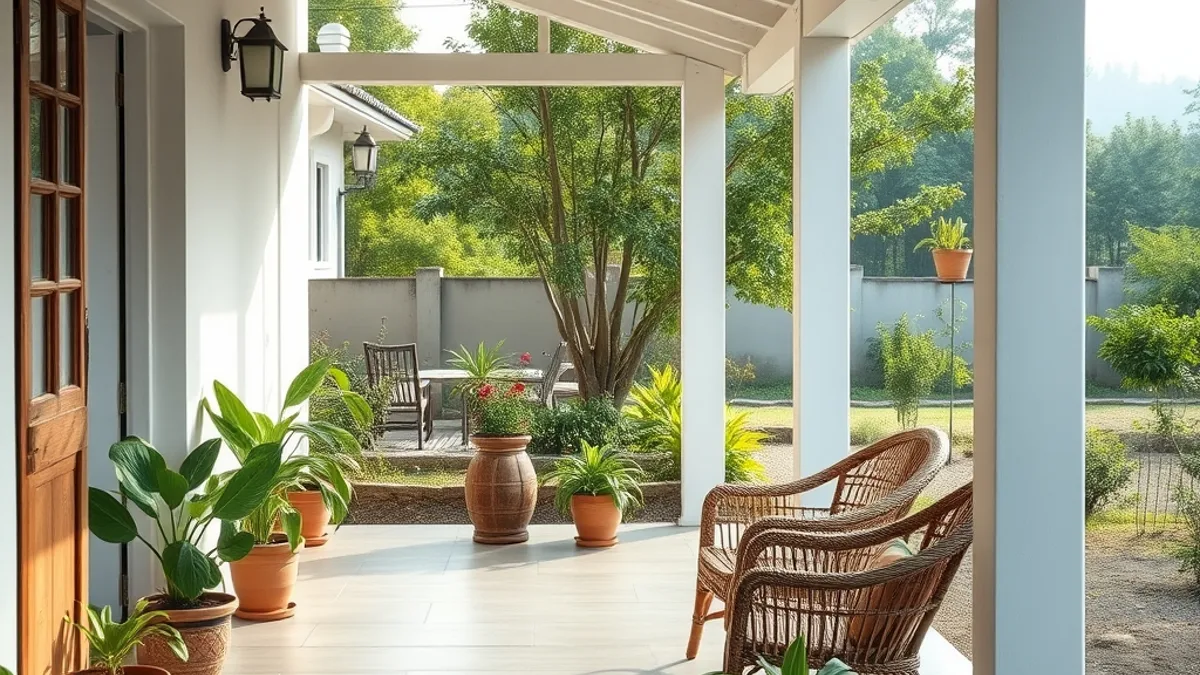
Homestays offer simpler rooms, shared or basic bathrooms, and in rural areas you should expect intermittent power or connectivity. Standards vary by household: some homestays are spotless and surprisingly well equipped, others are genuinely basic. Since one family runs the place, there is no housekeeping department or backup generator protocol. Travelers who need predictable comfort, or who are traveling with small children, usually fare better in lodges for this reason alone.
- Water supply: many rural homestays rely on rainwater tanks or communal taps, so hot showers may depend on the weather or on water heated on the stove, while lodges typically have dedicated water storage and heating systems.
- Security and lighting: lodges usually have perimeter fencing, night guards and lit pathways; at a homestay you rely on the family’s own arrangements, which vary widely from home to home.
- Food flexibility: lodge kitchens can handle dietary requirements like allergies or vegetarian meals if told in advance; at a homestay you eat what the family eats, which is authentic but less adaptable.
- Workspace: if you need to work during your trip, lodge Wi-Fi and common areas are far more dependable than the patchy rural connectivity typical of homestays.
The honest summary: a lodge is engineered for guest comfort, a homestay is a family home that happens to host guests. Neither pretends to be the other, and your tolerance for that difference should drive your choice.
Cost breakdown: what you really pay per night
The price gap between lodges and homestays is the single biggest factor for most travelers, and it is wider than many people expect. A full-service safari lodge typically runs $250–$800 per person per night, and that rate usually bundles meals, drinks and two guided activities each day. A homestay, by contrast, costs about $25–$90 per room per night, with home-cooked meals often added for a small fee or thrown in free by hosts who enjoy cooking for guests.
On the surface, that looks like a simple win for homestays, but the comparison is not quite that clean. Lodge rates are close to all-inclusive, so there is little left to pay once you arrive. Homestay guests usually cover guides, transport and park fees separately, and those add up quickly on an active itinerary. Even so, the math still favors homestays in most scenarios: for a week, a couple can save $3,000 or more by choosing homestays over a mid-range lodge.
Before you compare nightly rates, look at what sits outside the headline price:
- Park and conservation fees: these are charged per person per day at most reserves and are rarely included in either rate, so budget for them separately no matter where you sleep.
- Transfers and local transport: lodges often include airport pickups in their packages, while homestay guests typically arrange and pay for their own taxis, buses or private drivers.
- Guided activities: a lodge’s two daily guided activities are built into the rate, but homestay guests hiring local guides pay per outing, which can be cheaper or pricier depending on the destination.
- Drinks and snacks: lodges usually include soft drinks and often house wine or beer, while homestay guests buy their own, a minor cost but worth remembering in remote areas where shops are scarce.
When to book each type of stay
Lodges and homestays operate on completely different booking rhythms, and planning around them saves both money and stress. For high season, especially June–October in East and Southern Africa, reserve lodges 3–6 months ahead. The best-priced and best-located properties fill first, and waiting until a few weeks out usually means paying a premium or settling for whatever is left.
Homestays are far more flexible. Rooms can often be confirmed 2–4 weeks ahead, and outside peak months, last-minute availability is common. Many hosts do not use sophisticated booking systems anyway, so a message a few weeks before arrival is often all it takes. This flexibility suits travelers whose plans might shift, since changing a homestay date is usually a simple conversation rather than a cancellation-policy negotiation.
Shoulder season changes the math
If your dates are flexible, consider traveling just outside high season. Lodge rates drop noticeably in shoulder months, sometimes cutting hundreds of dollars off the nightly price, which narrows the gap with upper-range homestays considerably. You trade some certainty about wildlife sightings and weather for lower rates and quieter parks. If you want to see how a well-paced, comfort-focused safari property works in practice, this look at resorts in Botswana built for safari serenity shows what the lodge side of the comparison delivers.
Choosing by trip type: safari, honeymoon or slow travel
The right choice depends less on the property itself and more on what kind of trip you are taking. First-time safari travelers and wildlife photographers generally get more value from lodges, where two guided activities per day are already included and guides know where animals have been moving. Photographers especially benefit from professional guides who position vehicles well and understand lighting and animal behavior.
Honeymooners seeking privacy, polish and a sense of occasion tend to thrive in lodge settings, where private decks, planned dinners and attentive staff come standard. Slow travelers and repeat visitors, on the other hand, usually prefer homestays: they have already seen the headline sights and now want depth, routine and real conversation. For a closer look at what a polished, romance-focused property offers, see this guide to Le Morne stays built for honeymoon calm.
A mixed itinerary often works better than committing to one style. Spend lodge nights in game areas where guided drives matter, then move to homestays in towns and cultural regions where walking, markets and meals with hosts are the real draw. Solo travelers should also take note: homestays often feel safer and more social than isolated lodges, because there is a family around, shared dinners and an easy way to meet locals.
- Group dynamics: small groups of friends often get better value booking two homestay rooms together, since hosts can cook for the whole group and share local knowledge in one sitting.
- Photography beyond wildlife: travelers shooting portraits, food or daily life will find homestays far more productive, because kitchens, markets and family moments are accessible in a way lodge schedules rarely allow.
- Return trips: if you plan to revisit a region, starting with a lodge on your first trip and a homestay on the second gives you both the guided overview and the grounded, local second look.
- Energy levels: lodge days are structured around fixed activity times, while homestay days stay loose, which matters if you want to rest, read or wander without a schedule.
The bottom line on lodge vs homestay
If you have been torn between a full-service lodge and a family-run homestay, the choice comes down to what each does best. Lodges win on comfort, included activities and reliability, with meals, drinks and guided outings bundled into the rate. Homestays win on immersion, cost and human connection, putting you at a family’s table for a fraction of the price. That price gap, typically $200–$700 per person per night, is the deciding factor for most travelers.
Remember that booking windows differ sharply: lodges in high season need reserving months ahead, while homestays can often be confirmed just weeks before you arrive. There is no objectively better option, only the one that fits your trip goals, budget and appetite for the unfamiliar. If this helped you weigh your choice, leave a comment or share the article with a fellow traveler.