Planning a lodge group trip sounds simple until you start comparing dates, budgets and room counts. Then the questions pile up: what does exclusive-use actually include, why does the lodge want a five-night minimum, and how do you collect deposits from eleven friends without becoming the group’s unpaid accountant? If you have ever tried to book a whole property for a birthday, a family reunion or a safari with friends, you know the headaches are real.
This guide walks you through the decisions that matter most. We cover what exclusive-use really means and how per-night buyout pricing works, why minimum stays shift with the season, and how far ahead you should book and pay deposits. We also look at picking the right season to trim costs, matching lodge size and style to your group, and splitting the bill fairly. By the end, you will know exactly which questions to ask before you commit to dates.
What Exclusive-Use Really Means for a Lodge Group Trip
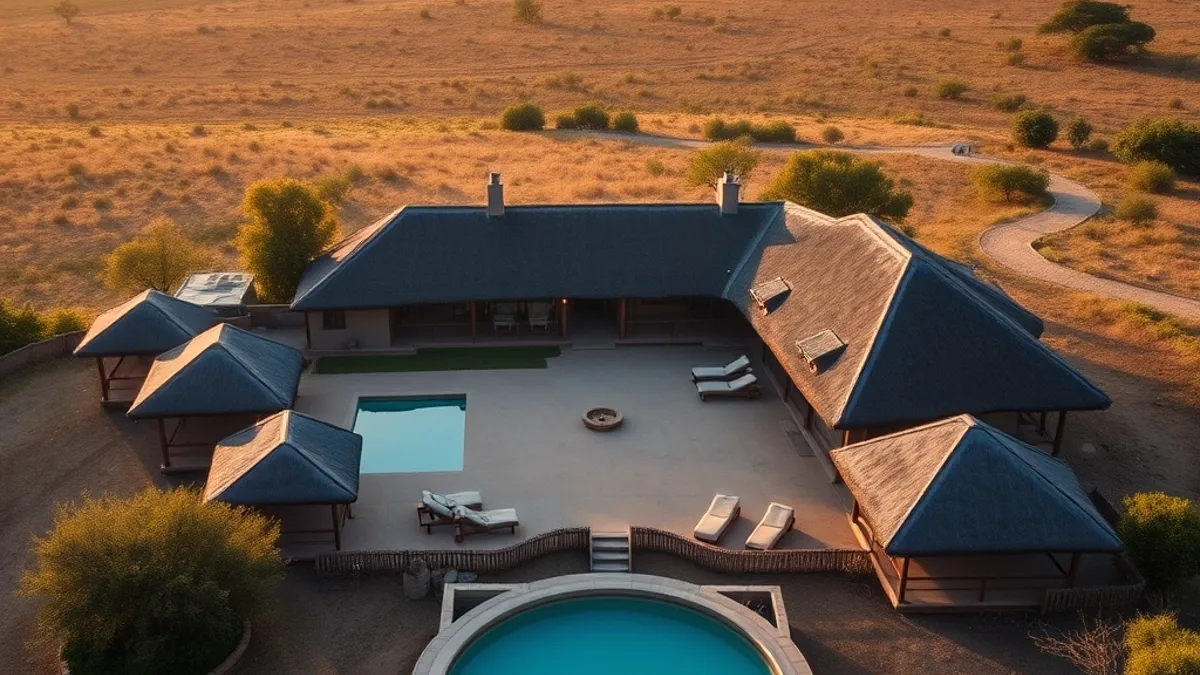
Exclusive-use means your group rents the entire lodge rather than booking individual rooms alongside strangers. The whole property becomes yours for the duration of your stay, and the staff, from chefs to housekeeping, work solely for your party. For many groups this is the whole appeal: dinners run late, the pool is yours, and nobody has to keep their voices down for guests they have never met.
How buyout pricing actually works
Buyouts are typically quoted per night for the whole property, not per person or per room. That structure can work in your favor with the math. A lodge sleeping 12 can cost less per person than the same property booked by a group of 6, because the nightly rate is spread across more heads. Before you dismiss a larger lodge as too expensive, divide the nightly rate by your full headcount and compare.
Check what is actually included
Not every “exclusive use” label means the same thing. Some properties hand over everything: pools, dining areas, lounges and game-drive vehicles. Others restrict the buyout to the sleeping wings, with shared facilities still open to outside guests. Ask specifically which facilities are included, whether guides and vehicles are reserved for your group alone, and how staff are allocated during your stay. Getting those answers in writing before you pay a deposit saves awkward surprises on arrival.
Minimum Stays and How They Shift by Season
Minimum-night rules catch many group organizers off guard. Exclusive-use lodges typically require 2-4 night minimum stays in low season, rising to 5-7 nights during peak windows such as the December holidays or the July-August safari season. The reasoning is practical: turning over an entire property between groups is costly for the lodge, so they protect their calendar accordingly.
Timing tricks that loosen the rules
Shorter minimums sometimes appear midweek, so a Sunday-to-Wednesday stay can beat a weekend booking for the same number of nights. If your group has any flexibility on arrival days, ask the lodge which combinations give you the shortest required stay. Shifting a trip by a day or two can be the difference between meeting the minimum and missing it.
It also pays to ask whether a shorter stay is possible with a premium rate. Some lodges will waive their minimum if dates remain open 4-6 weeks out, since an empty lodge earns nothing. If your group can move fast on short notice, this is one of the best bargains in whole-property travel. For groups who want a coastal add-on to their safari, a stay at one of these bluewater resorts in South Africa pairs well with a bush lodge buyout.
Booking Lead Times and Deposits for Large Groups
Booking a whole lodge is nothing like reserving a few rooms. When you take a property off the market, the lodge has one calendar and one availability window, so lead times, deposits and cancellation terms matter far more than they would for a standard group booking. A single missed deadline can affect everyone in your party, not just one traveler. Here is how to sequence the process from first inquiry to confirmed dates.
- Reserve early for peak demand. Book 6-12 months ahead for high-season dates to secure full-lodge availability, since popular properties often open their calendars more than a year out. For shoulder season, 3-6 months of lead time is usually enough, but the best weeks still go first. If you have flexibility, ask about midweek or short-notice openings before settling on dates.
- Confirm the deposit schedule. Most lodges require a 30-50% deposit at booking to hold the whole property, with the balance due 30-60 days before arrival. Get these dates in your calendar immediately, because missing a balance deadline can void the booking and forfeit what you have already paid.
- Put cancellation terms in writing. Group buyouts often carry stricter refund windows than standard room bookings, since the lodge loses its entire revenue for those dates if you cancel. Ask for the exact refund tiers by date, note how many rooms’ worth of notice applies, and keep the confirmation email somewhere the whole group can find it.
- Align internal deadlines with the lodge’s. Set your own group payment deadlines a couple of weeks ahead of the lodge’s, so a slow payer never puts the whole booking at risk. Share the payment calendar with everyone at the time of booking, not the week money is due.
Treat the paperwork as part of the trip itself. A clear written trail covering deposits, balances and cancellation tiers protects every member of the group and keeps the organizer from personally absorbing someone else’s shortfall. Ten minutes of admin now saves awkward conversations later.
Choosing the Right Season to Cut Group Costs
Timing is one of the biggest levers you have when booking a whole lodge, because buyout pricing multiplies every rate difference across the entire property. Shoulder months such as May-June and September-October often trim total costs by 25-35% versus peak season. On a lodge quoted per night for the whole group, that gap can translate into a meaningful saving per person without sacrificing much in experience.
It helps to understand why the peak premium hurts so much on a buyout. Peak-season rates typically run 20-40% above low-season prices, and because you are paying for the entire lodge rather than a single room, that percentage compounds quickly. A difference that looks modest on a per-room quote becomes substantial when you multiply it by every bedroom, every night.
Why shoulder season also solves the availability puzzle
Cost is only half the story. Shoulder seasons also ease availability pressure, making it easier to meet minimum-night rules with flexible dates. In peak windows, lodges often hold their calendars for long, high-value bookings, and groups that cannot fill a full week get bumped aside. In quieter months, managers are usually more open to negotiating dates, shifting a stay by a day or two, or working with a group that sits just below the usual minimum.
If your group has any flexibility at all, ask the lodge to quote the same trip in both a peak and a shoulder month. Seeing the two totals side by side makes the decision easy, and it gives you room to spend the savings on extras like private activities or a better wine list for the group.
Matching Lodge Size and Style to Your Group
Before you fall in love with a brochure, count heads honestly. Most exclusive-use lodges sleep 8-16 guests, with larger properties reaching 24, so the first question is whether your group actually fills the property you are pricing. A lodge built for 14 booked by 9 people usually works out far more expensive per person than a smaller lodge filled to capacity, so knowing your exact number matters more than any amenity on the wishlist.
Room mix matters just as much as room count. Couples, singles and families all have different needs, and a lodge where every room is a king-bedded double can force awkward sharing decisions before the trip even starts. Look for properties that offer family units, twin configurations and genuine single-occupancy rooms so nobody ends up bunking with a colleague or cousin by default.
Style should follow what your group actually plans to do. Wildlife-focused groups should prioritize private vehicles and guides included in the buyout, since shared vehicles with strangers can dilute the whole point of exclusivity. Alpine and lakeside groups, on the other hand, often get more value from shared spaces and wellness facilities than from game-drive logistics. For a gentler take on the lakeside version of this, see Saimaa lakeside cabins built around sauna nights and mirror-still mornings.
Details worth checking on a shortlist
- Bed flexibility: some lodges can convert doubles into twins on request, which is often the cheapest way to balance a group of mixed couples and singles.
- Children’s policies: family units are only useful if the lodge actually welcomes children of your group’s ages, so confirm age limits before shortlisting.
- Vehicle and guide ratios: for safari properties, ask how many private vehicles and guides come with the buyout, since a lodge sleeping 12 with only one vehicle creates morning bottlenecks.
- Self-catering versus fully staffed: alpine and lakeside lodges sometimes offer a cook or chef as an optional add-on rather than included, which changes both the budget and the daily rhythm.
Splitting Costs and Managing Group Logistics
Money is where group trips most often go wrong, and buyout pricing has its own logic. Because the rate is quoted per night for the whole lodge, divide it evenly across all guests rather than per room. A couple in a family unit and a solo traveler in a single both occupy one space in the property, and per-room splits reliably create resentment once someone does the math out loud.
The second rule is to collect deposits from every member before you confirm the booking. If the upfront payment comes out of one generous person’s account, a single dropout raises everyone else’s share, and chasing a departed friend for money is a fast way to lose a friendship. When every guest has skin in the game from day one, the group stays honest about its numbers, and the lodge receives its funds from one clean transaction instead of a dozen transfers.
One voice, fewer headaches
Finally, appoint one point of contact for the lodge. Managers juggling five different voices get conflicting requests on menus, activities and arrival times, and mistakes become almost inevitable. A single group leader who gathers everyone’s preferences and communicates them in one message keeps the lodge staff on your side for the whole stay.
- Use a shared payment tool or spreadsheet: tracking who has paid what, and when the balance is due, prevents the classic scramble in the final weeks before arrival.
- Agree on a dropout policy internally: decide in advance whether a departing member forfeits their deposit or must find a replacement, rather than negotiating it mid-crisis.
- Brief your point of contact on dietary needs early: lodges plan menus and provisions around group size, so last-minute allergy surprises are much harder to accommodate than ones flagged at booking.
- Circulate the final itinerary to everyone: a shared arrival time and meeting point stops the group from turning up in three separate waves.
Wrapping Up Your Lodge Group Trip Plan
Planning an exclusive-use lodge buyout for a group can feel like a juggling act: exclusive-use rules, minimum-night requirements and property-wide pricing all pull against everyone’s budget and dates. The good news is that the whole picture comes down to a few numbers. Buyouts reward early planning: 6-12 months of lead time for high season, minimum stays of 2-7 nights depending on the season, and per-night pricing for the entire lodge all shape your budget from day one.
Your biggest levers for lowering per-person costs are shoulder-season dates and even group sizing, since a full lodge spreads the nightly rate across more people. From there, clear deposits, one group contact and written cancellation terms keep the trip enjoyable from booking to arrival. If this helped you plan your own group getaway, leave a comment or share the article with your travel crew.