Sleeping above the sea, with a ladder dropping straight into a turquoise lagoon, is one of travel’s most pinned dreams. Yet most travelers book an overwater bungalow with surprisingly little information: what does the villa actually include, what should you expect to pay per night, and how far ahead do you need to reserve before the category sells out?
This guide answers those questions one by one. We break down what an overwater bungalow actually includes, map out where overwater bungalows are found, and explain what overwater bungalows cost compared with a regular beach villa. Then we cover when to book, how weather and seasonality differ between the Maldives and French Polynesia, and how to choose the right overwater villa for the way you travel. A short wrap-up at the end pulls the key numbers and timing into one place, so you can plan with confidence.
What an Overwater Bungalow Actually Includes
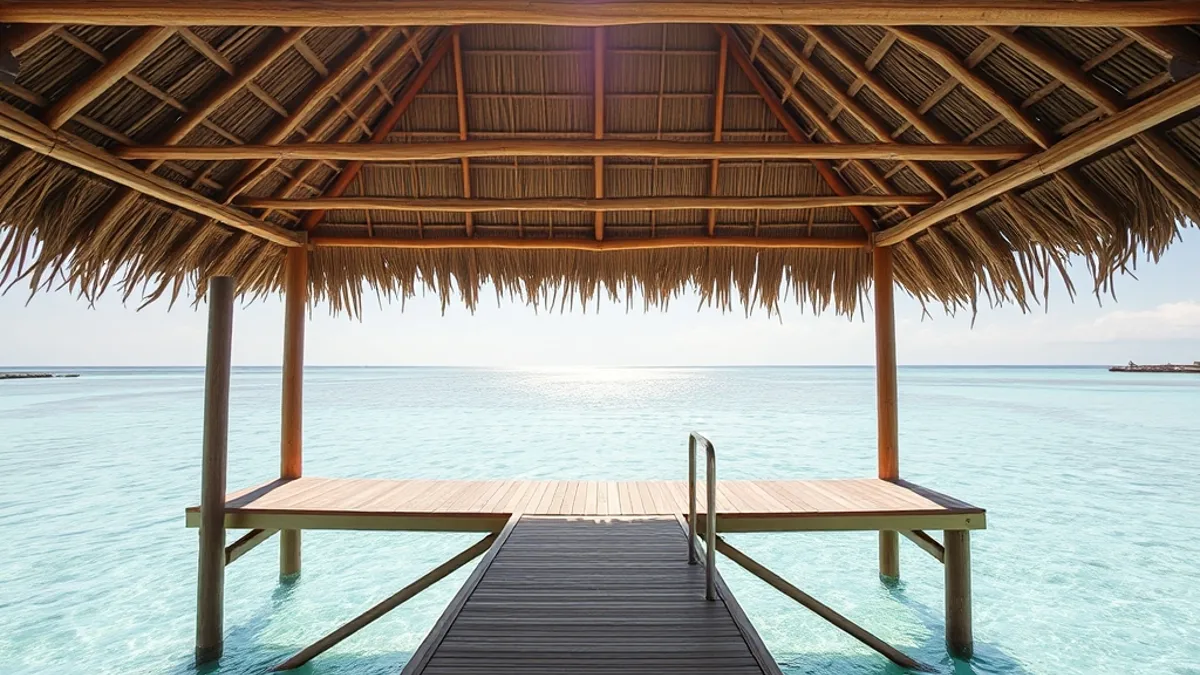
An overwater bungalow is exactly what it sounds like: a standalone villa built on stilts over a lagoon, with no rooms above or below and no shared walls. Most span 55-110 square meters, which makes them considerably larger than a standard resort room, and they typically sleep 2-3 adults. You walk out from the main island along a wooden jetty, and your villa is at the end of it.
The standard setup is remarkably consistent across resorts. Expect a private sun deck with loungers, direct ladder or stair access into water that is usually 1.5-3 meters deep, and an outdoor shower, often positioned so you can rinse off with a view of the lagoon. Inside, you generally get a king bed, a sitting area, and a bathroom with views of the water.
What the higher tiers add
Resorts usually price overwater villas in tiers. Mid-range and luxury categories add features such as glass floor panels over the water, private plunge pools on the deck, and butler service. If any of those matter to you, check the specific villa category rather than the resort name, because the entry-level water villa at the same property may lack all three.
Where Overwater Bungalows Are Found
The Maldives has the largest concentration of overwater bungalows in the world, and many resorts there are built almost entirely on stilts above the lagoon. The dry season runs from November to April, which is when the country sees its calmest, sunniest weather. If you want the widest choice of resorts and villa categories, this is where you should start looking first.
French Polynesia is the classic South Pacific option, and Bora Bora in particular is famous for its lagoon-and-mountains postcard view. Its dry season falls between May and October, so the two flagship destinations work well as alternatives when one is out of season. If you are weighing the two, it helps to compare how resorts actually set up their water villas, and this guide to Maldives resorts with private blue horizons gives a good feel for what to expect.
Gentler price points in Southeast Asia
Southeast Asia offers a smaller but appealing middle ground. A handful of resorts in Thailand and Indonesia have overwater options, typically at gentler price points than the Maldives or French Polynesia. The selection is limited, so availability is thinner, but for a first taste of sleeping above the sea they can be a smart entry point.
What Overwater Bungalows Cost
Overwater bungalows are a premium product, and the pricing reflects it. Typical nightly rates run from USD 800 to USD 2,500, and ultra-luxury Maldives villas can exceed USD 4,000 per night. Those headline figures usually cover the room itself, with meals, drinks and seaplane transfers billed separately unless you book a package.
A useful benchmark when comparing villas at the same resort: overwater rooms usually price 30-60% above an equivalent beach villa. That premium buys you privacy, direct lagoon access and the deck-to-water experience, so it comes down to how much those things matter to you. If the answer is “a lot,” the upgrade is often easier to justify than it first appears.
How season changes the price
Timing moves these numbers significantly. In the Maldives, the wet season from May to October can cut rates by 20-40% compared with dry season pricing, which is the single biggest saving most travelers can make. Southeast Asian resorts follow their own seasonal patterns and can be a budget-friendlier route to the same experience, as this look at Thailand resorts built around spa rituals and beach-soft mornings shows. Always check current rates directly, since promotions and exchange rates shift throughout the year.
When to Book an Overwater Bungalow
Timing is everything with overwater bungalows, because the water villa category is almost always the first to fill at any resort. These villas are limited in number, often just a small cluster over the lagoon, while the same property may have dozens of beach and garden rooms. Guests who plan around the booking windows below tend to get both the villa they want and a better rate.
- Book 6-11 months ahead for high season. Overwater categories sell out first at any resort, long before beach villas or garden rooms do. If your dates fall in peak season, this long lead time is often the only way to secure a specific villa number or deck orientation. It also matters for honeymooners and anniversary travelers, since the most photogenic end-of-pier villas are frequently requested by name.
- Use a 3-6 month lead time in shoulder season. This is realistic and often rewarding, because resorts start discounting unsold water villas as the dates approach. You trade some choice in villa selection for meaningful savings, and you may still land a well-positioned villa if you are flexible about orientation.
- Watch for resort-wide promotions in low season. Deals such as free nights, meal plan upgrades or stay-pay offers usually apply to overwater categories too, not just entry-level rooms. Check directly with the resort or your travel agent before committing, and ask whether the promotion stacks with early booking discounts.
One practical habit: once you have a shortlist, ask each resort how many overwater villas it actually operates. A property with only a handful of water villas fills them faster, which pushes you toward the longer booking window even in quieter months. Larger resorts with a long row of water villas offer more last-minute availability, but also more competition for the best positions.
Weather and Seasonality by Destination
Overwater bungalows sit in two very different weather systems, depending on which side of the world you choose. Getting the seasons right matters more here than with most trips, because you will be swimming off your own deck every day.
In the Maldives, November to April brings dry, calm conditions with plenty of sunshine and settled lagoons. From May to October, rain and wind move in, but so do noticeably lower prices, which suits travelers who do not mind an afternoon shower.
Bora Bora and the rest of French Polynesia run on the opposite calendar. May to October is the drier, cooler window, with comfortable humidity and reliable visibility for lagoon activities.
Shoulder months deserve a closer look. April and November often combine good weather with softer rates, sitting between the peak crowds and the wettest periods. If your dates are flexible by a week or two, these transitions can deliver the best value of the year.
- Monsoon timing varies within countries. In Indonesia, for example, rainfall patterns differ from island to island, so a stay at islander resorts in Indonesia for tropical seclusion and lush sea-facing calm may be perfectly dry while nearby regions see showers.
- Wind affects water clarity. Windy months stir up lagoon sediment, so snorkeling right off your deck is noticeably better in calm-season weeks than in breezy ones.
- Shoulder season means shorter days of rain, not constant rain. Typical wet-season patterns bring intense but brief downpours, often leaving long bright stretches between them.
How to Choose the Right Overwater Villa
Not all overwater villas are equal, and the differences between them can shape your whole stay. Two villas at the same resort, in the same category and at the same price, can offer completely different experiences depending on which way they face, what lies beneath them and how close they sit to the walkway. Before you commit to a specific category or villa number, work through the details below with the resort or your agent. A few emails now can save you from a week of disappointment later.
Orientation is the first thing to check. Sunrise-facing decks suit early risers who want coffee over a brightening lagoon, while sunset-facing villas suit evening swimmers and long golden-hour evenings. If you are celebrating something special, ask which villas face open ocean rather than the sheltered inner lagoon, since the view and water clarity can differ noticeably. Resorts can usually tell you which way each villa faces, and it is worth asking before you book rather than after you arrive.
Then confirm exactly what your rate includes. At remote resorts, meals and transfers can add USD 200-500 per person per day on top of the room rate, which can double the real cost of a stay if you assumed it was all covered. Ask specifically about drinks, snorkeling gear, kayaks and airport transfers, since these are the extras that most often surprise guests on the final bill.
- Ask about the lagoon bottom beneath your villa. Some decks sit over sand and seagrass, others over coral rubble, and this affects both swimming comfort and what you will see from the deck. If you plan to swim daily, sandy shallows are far more pleasant underfoot.
- Check the distance to the house reef. On some resorts the good snorkeling starts a short swim from your ladder; on others you need a boat trip, which changes how much you will use the water access at all. Serious snorkelers should prioritize villas near the drop-off.
- Compare privacy between villa rows. Villas at the end of a jetty see almost no foot traffic, while those near the walkway to the main island get every other guest passing by. If privacy matters most to you, request the outermost villas early.
- Look at what the tier upgrades actually add. Glass floor panels and private plunge pools appear mainly in mid-range and luxury tiers, so decide whether those features justify the higher category before upgrading. Sometimes a better-positioned base villa beats a pricier one in a mediocre spot.
Wrapping Up Your Overwater Bungalow Plan
An overwater bungalow is simpler than the dream suggests: a stilt villa of 55-110 square meters, standing over a lagoon with direct ladder or stair access into the water. Nightly rates typically run USD 800-2,500, and the two classic destinations are the Maldives, with its dry season from November to April, and Bora Bora, best from May to October.
Timing is the part most travelers get wrong. These villas sell out first at any resort, so booking 6-11 months ahead is the reliable way to secure high season. If your dates are flexible, shoulder season is more forgiving — reserving just 3-6 months out often works well and can come with softer rates. Pick your destination and dates, then commit early. If this helped you plan your trip, leave a comment or share the article with a fellow traveler.