You know you want a mountain stay, but every listing seems to use lodge, cabin and chalet as if they mean the same thing. They don’t, and that’s exactly why the lodge vs cabin vs chalet question matters. The words describe genuinely different stays, with different service levels, layouts and price tags, and picking the wrong one can shape your whole trip.
This guide breaks down what actually separates the three, then helps you match the right one to your travel style, whether that’s a ski week, a hiking base or a slow escape. We’ll compare service levels, group sizes and layouts, look at season and booking lead times, and run a realistic budget check on what each stay type really costs. A quick match section at the end points you straight to your best fit, so you can stop scrolling listings and start planning.
What Actually Separates a Lodge, a Cabin and a Chalet
The three words sound similar, but they describe very different ways of staying in the mountains. The easiest way to sort them is to ask two questions: who takes care of things, and how many people does the place hold?
The lodge: a small hotel in mountain clothing
A lodge is a staffed property run like a small hotel. It has a restaurant, usually a bar, and often a spa or sauna area. Someone else makes your bed, cooks your dinner and answers the front desk when your hike plans change. You show up with a bag and little else.
The cabin and the chalet: self-catering with a size difference
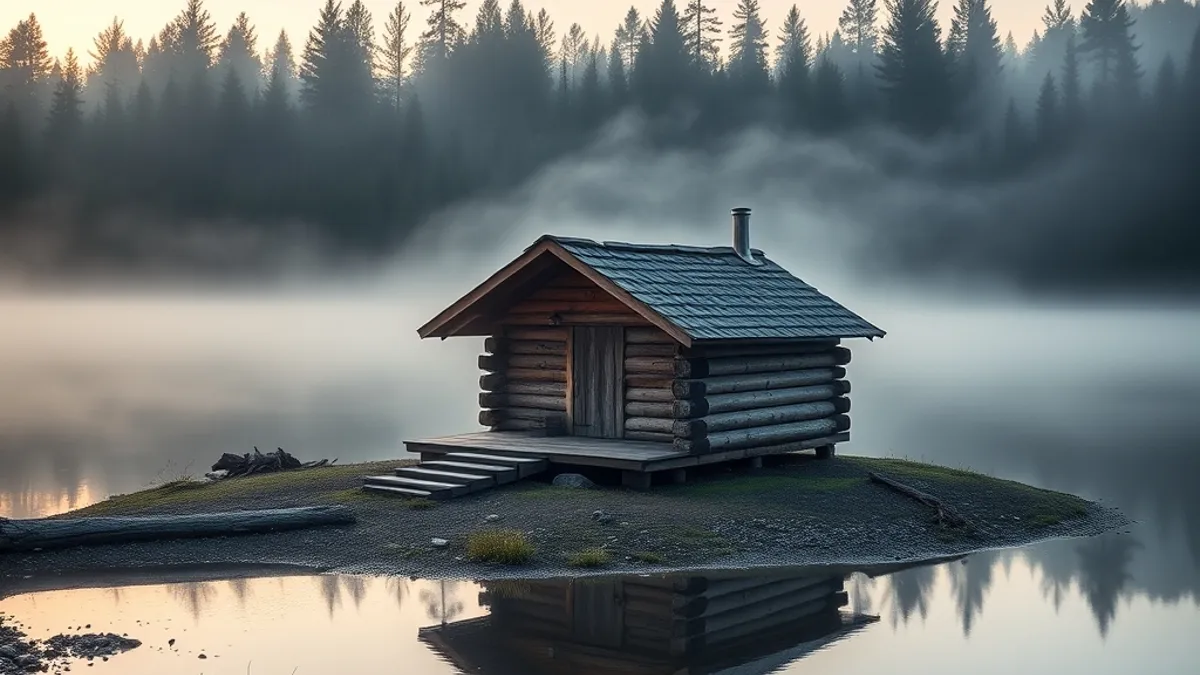
A cabin is a small, simple, self-catering wooden retreat, usually built for 2-6 guests. Cabins often sit lakeside or tucked into forested plots, which is exactly the point: privacy and quiet come standard. You shop, you cook, you manage your own days.
A chalet is a larger alpine-style house, typically sleeping 6-12 guests, with the steep roofs and big shared living rooms you picture in ski country. Traditionally chalets were self-catered too, but an increasing number now come with chef and host service, which blurs the line between chalet and lodge. The key difference from a lodge is scale and privacy: you rent the whole house for your group rather than a room in a shared building.
So in short: lodge means staff and shared facilities, cabin means small and self-sufficient, chalet means big, alpine and increasingly flexible on service.
Choose by Trip Style: Ski Week, Hiking Base or Slow Escape
The right stay type depends less on the building and more on what your days will look like. A ski week, a hiking base and a slow escape each reward a different choice.
Ski weeks suit chalets, especially ones within walking distance of a lift station. During the mid-December to late March season, being able to ski back to your own boot room, dry gear by the fire and sit down to a group dinner is hard to beat. A big shared living room also turns a group ski trip into an evening event rather than everyone retreating to separate hotel rooms.
Hiking trips from June to September work well from a lodge. After a long day on the trail, having dinner cooked, lunches packed for tomorrow and staff who know which routes are in good condition removes the admin from your trip. You trade some privacy for a lot of convenience.
Slow escapes are cabin territory. Sauna nights, lake mornings and cooking simple meals at your own pace need nothing more than a quiet spot and a good view.
- Ski chalets: look for ski-in or short-walk access to lifts, a gear storage room and a dining table big enough for your whole group, since chalet dinners become the social center of the week.
- Hiking lodges: ask whether the lodge packs trail lunches and provides route advice or maps, and whether drying rooms or boot warmers exist for wet hiking days.
- Slow-escape cabins: prioritize what you will actually use in stillness, such as a private sauna, a wood stove, a firepit by the water or a deck facing the sunrise, rather than proximity to lifts or trailheads.
If a lakeside chalet appeals for a slower trip, this stay with lake stillness and mountain light shows how well the chalet format works outside ski season too.
Service Level: Staffed Lodge vs Self-Catering Cabin vs Hosted Chalet
Service is where these three stay types genuinely diverge, and it explains most of the price difference between them. Before comparing nightly rates, work out how much you want handled for you.
The staffed end: lodges
Lodges run like small hotels, and the rate reflects it. Full-service lodges typically cost $250-500 per night for two, and that usually includes daily housekeeping, half-board dining and on-site staff. Breakfast and dinner are handled, your room is reset while you are out, and there is always someone at the desk to book a transfer or recommend a trail. You are paying for the removal of decisions.
The self-service end: cabins
Cabins mean full self-catering: you shop, you cook, you strip your own beds at the end and you manage everything in between. That independence is exactly why self-catering cabins typically cost $100-200 per night. Nobody interrupts your morning, but nobody makes your dinner either. For travelers who enjoy cooking and value privacy over pampering, this is the best value in mountain stays.
The middle ground: hosted chalets
Hosted chalets sit between the two. Private chalets typically cost $300-800 per night, and the rate climbs when you add chef and driver service. A basic chalet booking gets you the whole house and your own kitchen; a hosted one can feel close to a private lodge, with someone cooking dinner and shuttling your group to the lifts. The flexibility is the appeal: you choose the level of service, and the bill follows.
Group Size and Layout: Matching the Stay to Your Party
The fastest way to narrow your choice is to count heads. These three stay types exist at different sizes for a reason, and matching your party to the right layout saves you from awkward sleeping arrangements or paying for space you never use.
Chalets are built for groups. With room for 6-12 guests, they work best when everyone wants to share one living space: a long dinner table, a big sofa in front of the fire and bedrooms spread over two or three floors. Family reunions and friend groups get the most out of this setup, since the communal areas become the heart of the trip.
Cabins flip that logic. Sleeping 2-6, they trade shared square footage for privacy and independence. A couple or a small family gets the whole place to themselves, with no other guests and no schedule but their own.
Lodges solve a different problem entirely. Solo travelers and couples who want some company during the day, without ever having to cook or clean for anyone, fit naturally into a lodge where meals and common areas are handled for them.
- Chalets: look for layouts where every bedroom has easy access to the main living area, so the group actually gathers instead of splitting across floors.
- Cabins: check whether the second sleeping space is a proper bedroom or a sofa bed, which matters a lot for families with kids.
- Lodges: ask about single-occupancy rooms and communal dining tables if you are traveling alone and want conversation with your dinner.
Season and Booking Lead Times for Mountain Stays
Timing your booking matters as much as picking the right stay type. Mountain properties are small, and the good ones fill up fast in peak windows.
Ski season: plan well ahead
If you want a chalet for the peak ski season, which runs mid-December to late March in most alpine regions, reserve 4-6 months ahead. The most sought-after chalets near the lifts are often gone before autumn starts, especially for weeks over the holidays. Booking early also gives you first pick of dates rather than accepting what is left.
Summer and shoulder months
Summer lodge stays follow a gentler rhythm. Book 2-3 months ahead for the June to September hiking season, and if quieter trails matter to you, aim to avoid July and August, when the mountains are at their busiest.
Shoulder months are the smart traveler’s shortcut. June and September often bring lower rates and easier availability, with trails that are far less crowded. You may trade a little certainty on weather, but for many people the calmer atmosphere and savings more than make up for it. As always, confirm current conditions and rates directly with the property before you commit.
Budget Check: What Each Stay Type Really Costs
A nightly rate on its own tells you very little. What matters is what comes bundled with it, and the three stay types bundle very different things. A lodge rate that includes meals and housekeeping is not directly comparable to a bare-bones cabin rate, so you need to unpack each one before you decide.
At a lodge, the headline price usually covers half-board dining and daily housekeeping, so most of your food costs are already paid for. A cabin looks cheaper on paper, but the rate covers nothing beyond the roof: no meals, no cleaning, no staff. A hosted chalet sits somewhere in between, with optional chef and driver service that can push the total well above the base rate.
Do the per-person math
Group splitting changes the picture completely. A chalet shared by eight people can work out to a modest per-person cost, often less than half what each member of a couple pays for a small cabin. The bigger your group, the more attractive a chalet becomes on pure numbers.
Factor in the grocery bill
When weighing a cabin’s value, add the cost of feeding yourself. Self-catering groceries typically run roughly $30-60 per person per day in mountain areas, where food prices run higher than in towns. For a couple staying a week, that can add several hundred dollars to the real cost of a cheap cabin rate.
Compare like with like: add meals and groceries to the cabin total, then set it against the lodge rate that already includes them. The cheapest sticker price is not always the cheapest stay.
The Quick Match: Which Mountain Stay Wins for You
So which one wins? If you are planning a ski-focused group trip and have room in the budget for service, a hosted chalet is the clear match. If you are a couple or small family who wants quiet and self-sufficiency, a cabin fits best. And if you are a hiker or solo traveler who would rather have meals and company handled for you, a lodge is the way to go.
The real trick is matching the stay to the trip rather than to the label. Once you know your group size, season and how much cooking you want to do, the choice between lodge, cabin and chalet becomes obvious. Which one suits your next mountain trip? Leave a comment or share this article with the friends you are traveling with.