Choosing between a mobile tented safari and a fixed lodge is one of the trickiest safari decisions to make from your sofa. Photos of both look tempting, but it’s hard to tell how comfort, wildlife access and price really stack up before you commit to a booking that often costs hundreds of dollars per night.
This mobile vs permanent lodges comparison breaks the choice into the questions that actually matter. We’ll look at what a mobile tented lodge genuinely offers in terms of comfort, what a permanent lodge delivers with its solid walls and amenities, and how each type gets you to the wildlife. Then we’ll compare what each nightly rate includes, when to book and for which season, and which type of traveler suits each option. By the end, you should know whether you’re a canvas-and-migration person or a poolside-and-predictability person.
What a Mobile Tented Lodge Actually Offers
A mobile tented lodge is far more comfortable than the word “tent” suggests. You sleep in spacious canvas tents pitched on wooden decks, with real beds dressed in proper linens, en-suite bathrooms that are either flush or bucket-style, and solar lighting that keeps things glowing after dark. It’s a genuine bed-and-bathroom experience, just wrapped in canvas instead of brick.
The defining feature is size. Camps typically consist of 6-12 tents, which keeps total guest numbers to 8-12 people. That means dinner is one shared table or a handful of small ones, the campfire conversation includes everyone, and your guide knows your name by day two. If you’ve ever felt lost in a large hotel, this intimacy is the opposite.
How a camp that moves stays comfortable
Because the entire camp relocates with the wildlife, staff strike and rebuild it every time it moves. Tents, furniture and the kitchen all get packed up and reassembled at the next site. Interiors stay deliberately simple but comfortable; there’s no space for gyms or gift shops when everything has to fit on a truck.
Rates run USD 350-700 per person per night, fully inclusive. That covers game drives, meals and drinks, so you can leave your wallet in the tent.
What a Permanent Lodge Delivers in Comfort
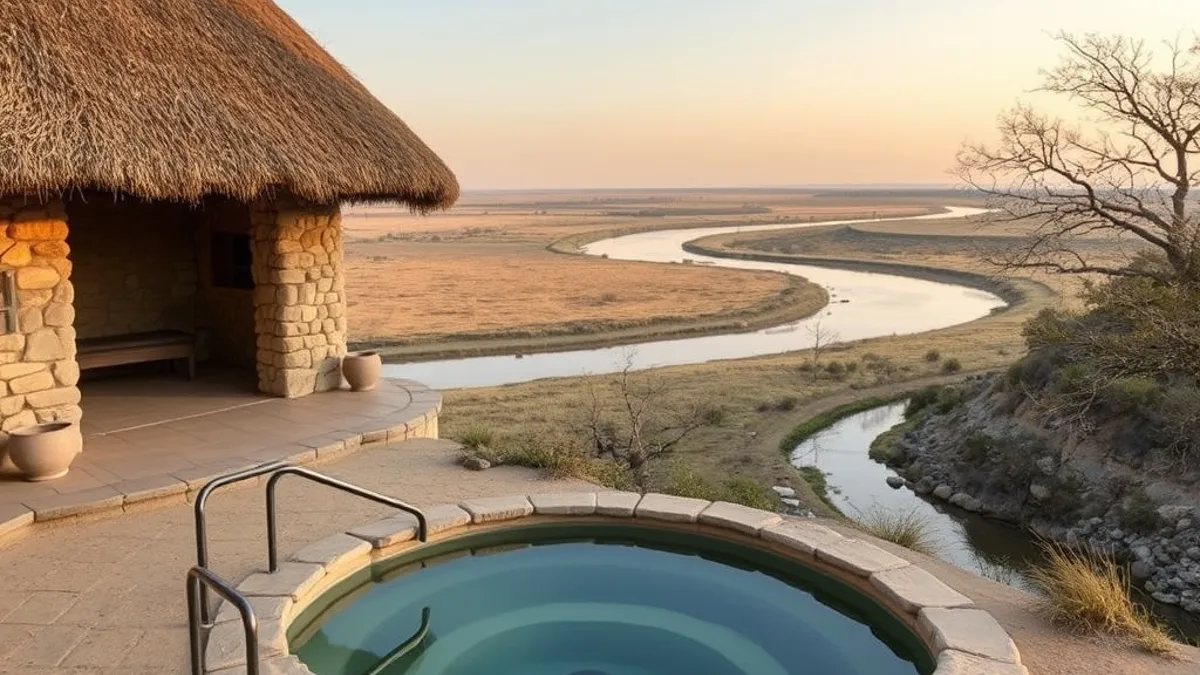
Permanent lodges are built to feel like hotels in the bush. Fixed structures with solid walls, proper doors and windows, air conditioning or fans, swimming pools and often spa facilities mean you get the full comfort package. After a hot, dusty game drive, a cold pool and a massage are hard to argue with.
The trade-off comes with scale. Larger properties of 20-60 beds can offer far more amenities than a small camp, but that same size means less exclusivity. You’ll share the pool deck, the dining room and often the vehicles with more guests, and the atmosphere leans more resort-like than intimate.
Price tiers and infrastructure
The price spread is wide: USD 250-1,500 per person per night, from solid mid-range options to ultra-luxury tiers where everything from private plunge pools to butler service is on offer. This range is one of the lodge’s biggest advantages, since there’s usually something at most budgets.
Reliability is the other quiet benefit. Because nothing moves, permanent lodges run dependable year-round infrastructure: wifi that actually works, laundry service, and constant hot water on demand. If you need to video-call home or wash a suitcase full of dusty clothes mid-trip, a lodge handles it without fuss.
Access to Wildlife: Following the Herds vs Staying Put
Wildlife access is where the two lodge types differ most, and it’s the reason many seasoned safari-goers eventually try a mobile camp. Mobile camps relocate 2-4 times a year to track migrations and seasonal game concentrations. When the herds move, the camp moves with them, which puts you close to the action by design rather than by luck. In practice, that can mean waking to find wildebeest grazing a few hundred meters from your tent, or reaching a predator sighting before day-trippers arrive from distant fixed lodges.
Permanent lodges sit in one spot year-round, so the quality of your game viewing depends heavily on the season around that specific location. A lodge that’s spectacular in the dry months, when animals crowd the remaining water sources, can feel quiet when rains arrive and wildlife disperses into wider territory. That’s not a flaw so much as a trade-off: you’re betting on one well-chosen patch of habitat rather than following the game as it moves.
Each approach also has distinct practical strengths worth weighing before you book:
- Remote, vehicle-exclusive areas: Mobile camps can set up in concessions and remote zones where fixed lodges simply cannot be built, and where you may drive for hours seeing almost no other vehicles.
- Predictable sightings without long drives: Permanent lodges near rivers and permanent waterholes draw animals that come to drink, so you can watch game from the deck instead of spending half the day in a vehicle.
- Timing flexibility: Because a mobile camp follows concentrations, it can position itself for a specific spectacle, such as river crossings, during the weeks they typically happen.
- Consistent habitat knowledge: Lodge guides work the same area year-round, which builds deep knowledge of individual animals, hiding spots and the best routes for a given season.
Price Comparison and What Each Rate Includes
At first glance, mobile tented safaris look expensive. But the headline rate is genuinely all-inclusive: game drives, meals, drinks and park fees are bundled into a single price. When you add up what you would otherwise pay for separately at a fixed lodge, the gap between the two options narrows considerably.
Reading between the rate lines
Permanent lodges quote a much wider spread, from mid-range tiers up to ultra-luxury levels. At the top end, that price usually covers everything, including activities. At the lower, mid-range end, game drives and park fees are sometimes billed separately, so a tempting headline rate can grow once you add two daily drives, drinks and the various conservation and park entry fees. These official fees change regularly, so ask the lodge or your operator for the current amounts before you book.
This is the key trade-off. Mobile camps cost more per night on paper, but they eliminate add-on activity charges almost entirely. A mid-priced permanent lodge plus paid activities and fees can end up costing close to a mobile camp’s all-in rate, without the same access to remote areas.
Timing also shifts the math. Shoulder-season months can cut permanent lodge rates by a substantial margin versus peak, which is when mid-tier lodges become genuinely strong value. If you prefer a fixed-base style with plenty of amenities, it is worth comparing them with bluewater resorts in South Africa that pair safari elegance with coastal release, where the same shoulder-season logic often applies. Always confirm exactly what a quoted rate includes, as inclusions vary by property.
Seasons and Booking Lead Times for Mobile vs Permanent Lodges
Timing shapes both price and availability more than any other factor when you start planning a safari. For East Africa’s peak season, which runs June-October, mobile camps typically demand 9-12 months’ lead time. The best operators run small camps of 8-12 guests, so a handful of bookings can fill a departure entirely. If you have your heart set on a specific week in July or August, start calling operators as soon as you know your dates, and have a second-choice camp in mind in case your first pick is already full.
Permanent lodges in the same June-October window usually need 6-9 months’ notice. They have more beds to sell, often 20-60 per property, which gives you a wider booking window and more room to negotiate on dates or room categories. Travelers who prefer flexibility often find it easier to secure a family tent or a pool-side room at short notice here than at a small mobile departure.
January-March works well for southern parks, with softer lead times and rates. This period suits Botswana and similar destinations beautifully, and some travelers pair it with rainshore resorts in Botswana that add safari serenity and beautifully paced comfort to a bush itinerary. Because demand dips outside the East African peak, you can often book these trips a few months out rather than a year ahead.
- Green season, November-April in East Africa: rates drop noticeably and camps are easier to book, while newborn wildlife and dramatic skies make it a photographer’s favorite despite occasional rain.
- Shoulder-month flexibility: shifting a trip by even two or three weeks away from peak dates can open availability at lodges that show fully booked for the heart of high season.
- Mobile camp departure dates: because these camps pack up and move with the herds several times a year, your travel dates determine which area the camp sits in, so confirm the camp’s location for your specific week before committing.
Who Should Choose Which Lodge Type
The right lodge type depends less on budget and more on what you want from each day. Photographers and repeat safari-goers tend to suit mobile camps, which shift position several times a year to stay close to migrating herds. Waking up already positioned near a river crossing beats driving two hours from a fixed base at dawn, and that head start often translates into better light, fewer vehicles and calmer wildlife behavior.
First-timers and families generally favor permanent lodges. Pools between drives, solid walls, reliable wifi and predictable meal routines make a first safari feel manageable, especially with children in tow. Larger properties of 20-60 beds also mean more staff to help and more space to spread out, which matters when someone needs a nap or a snack at an awkward hour.
Travelers who prize exclusivity knowingly pay the mobile premium. Sharing a camp with only 8-12 guests means private dinners, flexible drive schedules and guides who tailor each day to your interests rather than a fixed timetable. If you prefer a set routine, a permanent lodge will suit you better.
- Mid-tier permanent lodges at USD 250-450: often the best value in the market, delivering solid rooms, good guiding and included drives without the polish, or the price, of the ultra-luxury tier.
- Honeymooners and special occasions: small mobile camps can arrange private bush dinners and flexible itineraries that larger lodges rarely match, making the premium worthwhile for milestone trips.
- Travelers with mobility concerns: fixed lodges with solid walkways, ramps and standard plumbing are usually easier to manage than canvas tents, bucket showers and uneven decks at mobile sites.
Whichever way you lean, be honest about your priorities before you book. The camp that delights a seasoned photographer may feel too rustic for a first-timer, and the lodge that comforts a family may frustrate a traveler chasing remote game. Match the style to the trip, not to the brochure photos.
Choosing Between Mobile and Permanent Lodges
The difference comes down to a trade-off. Mobile camps trade fixed-lodge comfort for wildlife access at USD 350-700 per night, moving with the herds and keeping camps to just 8-12 guests. Permanent lodges offer amenities like pools, air conditioning and price flexibility from USD 250-1,500 per night, but the game viewing around them depends on the season.
In practice, season and lead time decide availability more than lodge type: peak months in East Africa require booking mobile camps 9-12 months ahead and permanent lodges 6-9 months ahead. So match the choice to your priorities. If exclusivity and movement matter most, a mobile safari justifies its premium. If you want comfort and predictability, especially as a first-timer or with family, a permanent lodge is the easier win. If this helped you weigh the two, leave a comment or share the article with a fellow traveler.