Choosing between a river and waterhole lodge is one of the most common safari dilemmas, and it is easy to see why. Both promise water, wildlife and memorable days in the bush, yet they deliver very different experiences. A riverside lodge keeps animals moving past your tent all day, while a waterhole lodge concentrates wildlife at predictable hours right in front of your deck.
This guide compares the two settings the way they actually play out on the ground: what a river lodge offers, what a waterhole lodge delivers, how your travel month changes the answer, and what each costs to book. We will also match each option to different travel styles, from first-timers to honeymooners, and finish with the practical questions to ask before you commit. By the end, the river and waterhole lodge decision should feel less like a gamble and more like a simple match to your dates, budget and the kind of safari you want.
What a River Lodge Actually Offers
The defining feature of a river lodge is movement. River frontage works like a wildlife highway: hippos grunt along the banks at dawn, crocodiles slide into the current to warm up, and elephants often cross at dusk, sometimes with young calves hesitating at the water’s edge. Because animals travel to and from the river throughout the day, there is almost always something happening in view, even between game drives.
That constant traffic is only half the appeal. River settings open up a second safari perspective that waterhole lodges simply cannot offer. Boat cruises drift you quietly past kingfishers, buffalo herds and bathing elephants, while mokoro trips in suitable areas let you glide through channels at eye level with frogs, reed frogs and tiny painted reed frogs darting between stems. These water-based activities add a completely different rhythm to your days and often produce sightings that a vehicle can never reach.
Who a river lodge suits best
River lodges reward travelers who want variety. The scenery changes with the light, the activities change with the water level, and the wildlife changes with the hour. If the idea of sitting still for hours in one spot sounds restrictive, a river setting gives you movement, multiple habitats and two or three different ways to experience the same stretch of wilderness.
What a Waterhole Lodge Delivers
A waterhole lodge works on a simple principle: animals need to drink, so they come to you. Rather than hoping wildlife passes by, you sit at a natural gathering point where herds converge at predictable hours, usually late afternoon and early evening. The result is relaxed, deck-side viewing with your feet up, a drink in hand, and zebras, giraffes or impala wandering in below.
The evening hide experience
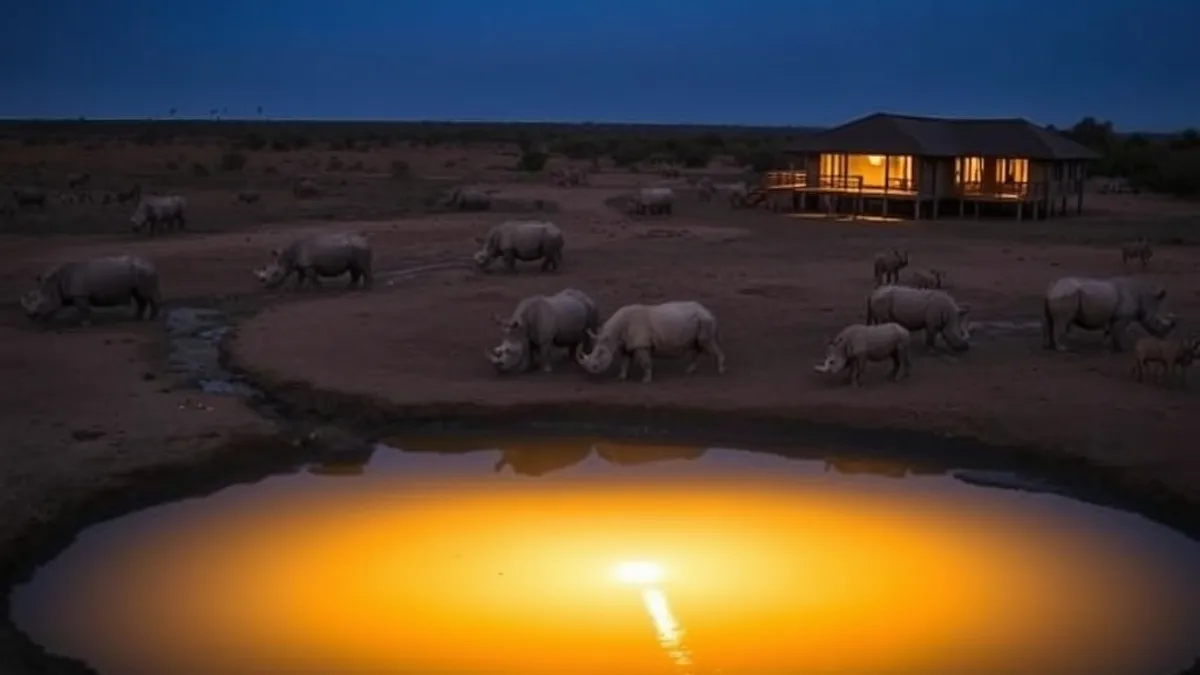
Many waterhole lodges add a floodlit hide or viewing deck, which extends the show well past sunset. Between roughly 17:00 and 22:00, the lighting changes the cast entirely: nocturnal visitors such as rhino, lion, hyena and even leopard appear when daytime species have moved off. Watching a black rhino drink under a soft floodlight, with nothing between you and it but the night air, is one of the most intimate sightings Africa offers.
This setup particularly suits photographers, who benefit from consistent subjects, known angles and controlled evening light. It also suits travelers who value depth over breadth. You will likely see fewer species than on a full day of game drives, but you will watch each sighting for longer, notice behavior you would otherwise miss, and do it all without leaving the lodge. If your idea of a perfect safari involves long, unhurried observation from one exceptional vantage point, a waterhole lodge delivers exactly that.
How Season Changes the River vs Waterhole Choice
Season is the single biggest factor in this decision, and it should shape your booking before lodge style does. In southern Africa, the dry season runs roughly from May to October, and this is when waterhole lodges peak. Water becomes scarce across the reserve, so animals crowd the few reliable sources, and a busy waterhole can produce 20-40 sightings a day. Herds queue at the edge, predators wait nearby, and the viewing from the deck is close to nonstop.
Why the green season favors rivers
From November to April, the rains arrive, the bush turns green, and temporary water appears everywhere. Wildlife disperses across the reserve, which weakens a waterhole’s pulling power but strengthens a river lodge’s hand. Rivers are permanent water, so when animals spread out, they concentrate along the banks, exactly where river lodges sit. Green-season river stays often combine this reliable wildlife traffic with lower rates and dramatic skies.
Let your dates decide
The practical takeaway is to match your travel month first, then choose the lodge type that performs best in it. If you can only travel in July or September, a waterhole lodge is at its strongest. If your dates fall in December or March, a river lodge makes better use of the season. Deciding the lodge style before fixing your dates usually means compromising on one or the other, so work in that order rather than the reverse.
Budget and Booking Lead Times
Price is one of the clearest dividing lines between the two lodge types. Waterhole lodges typically run 10-25% more than comparable river lodges in the same reserve, and the premium reflects what you are actually paying for: front-row seats to a watering point that animals visit on their own schedule, often without you ever leaving the deck. Whether that premium is justified depends largely on when you travel and how you like to watch wildlife.
Lead times matter just as much as price. Because dry-season waterhole lodges deliver their best viewing between May and October, the most desirable rooms disappear early. Green-season river stays are generally easier to secure, though the best-positioned riverfront suites still book out well in advance, particularly at lodges that include boat or mokoro safaris as part of the stay.
A sensible rule of thumb: the more predictable and concentrated the viewing, the further ahead you should book.
- Dry-season waterhole lodges: reserve 6-9 months ahead, especially for suites with a direct view over the water, which are the first to sell out.
- Green-season river stays: 3-6 months’ notice is usually enough, and you may still have a choice of riverfront rooms.
- Shoulder months: booking in June or November can cut rates while keeping decent viewing conditions, since wildlife is still gathering near water in June and riverbanks are still productive in November.
- Room position over lodge name: if the waterhole-view suites are gone, a lesser room at the same lodge can mean a long walk to the hide, so ask before accepting a discount.
Matching the Lodge to Your Travel Style
Your safari history should shape this decision as much as the season does. The two lodge types suit very different travelers, and choosing the one that matches your style matters more than chasing the best-known name in the reserve.
First-timers and families
First-timers and families often prefer waterhole lodges for the guaranteed, low-effort viewing. Children can watch elephants and antelope from the deck between game drives, and nobody has to sit quietly in a vehicle for hours hoping something appears. For a first safari, that reliability builds confidence and keeps younger travelers engaged.
Repeat visitors and honeymooners
Repeat safari-goers usually choose river lodges, and for good reason. Boat safaris and mokoro trips add a second activity type to game drives, and the wider range of riverbank habitats means you might see waterbirds, hippos and predators in a single morning. If you have already ticked off the big five from a vehicle, a river lodge feels fresh again.
Honeymooners face a genuine trade-off. River lodges offer sunset cruises, which rank among the most romantic hours on any safari itinerary. Waterhole lodges counter with private hide dinners, where a table is set for two while nocturnal animals drink a few meters away. Decide which image matters more to you as a couple, then book accordingly.
Questions to Ask Before You Book a River or Waterhole Lodge
Two lodges can sound identical in a brochure and deliver completely different experiences on the ground. Before you commit a deposit, ask a few pointed questions that reveal how the lodge actually works day to day. The way a lodge answers these questions tells you a lot about its operation, too. A quick, specific reply about hide access or boat inclusions is a good sign; vague marketing language usually means you will be surprised at check-in.
The answers will also shape your packing and photography plans. A floodlit waterhole calls for different camera settings than a natural pan, and an included boat safari changes how many mornings you spend on the water versus in a vehicle. Think about what you actually want from each day: a deck chair and a pair of binoculars, or a full schedule of drives and cruises. If you are combining this safari with a coastal add-on, our guide to bluewater resorts in South Africa for safari elegance and coastal release shows how the two halves of such a trip can fit together.
Put your questions in writing when you book, and keep the replies. If a lodge confirms in an email that boat cruises are included, or that a guide escorts guests to the hide after dark, you have something to refer to if arrangements differ on arrival. It also helps to ask about the layout of the property itself: whether the dining area and rooms look onto the water, or whether you will need to walk to a shared viewing area for the best sightlines. Small details like these often decide whether a stay feels effortless or frustrating.
- Floodlit or natural: floodlit waterholes usually allow viewing from about 17:00 to 22:00 from a hide or deck, while natural waterholes limit you to daylight hours and can be better for photographers who dislike artificial light on animals.
- Included activities: boat safaris are often an extra cost at river lodges, so confirm whether the quoted rate covers the boat, a guide and park fees, or whether each cruise is billed separately.
- Distance to the viewing point: some waterhole suites sit 100-300 meters from the hide, which matters at night and for anyone with limited mobility; ask whether a staff escort is provided after dark.
- Hide capacity and booking: at popular lodges the hide can fill up, so check whether overnight hide stays or private sessions can be reserved in advance.
Wrapping Up the River vs Waterhole Decision
Choosing between a riverside safari lodge and a waterhole lodge comes down to what each setting delivers day to day. If you picture your safari built around boat safaris, shifting scenery and time on the water, a river lodge is the natural fit, especially outside the dry months. If you would rather settle into a deck chair and let the animals come to you, a waterhole lodge makes more sense, particularly when wildlife gathers at the water in front of you.
Put simply, let your travel month set the direction, then use your budget and safari style to make the final call. Do that, and the choice becomes straightforward rather than a coin toss. If this helped you plan your own safari, leave a comment or share this article with a fellow traveler.