You’ve found a good deal online, clicked through, and booked it — only to notice the room type says “run of the house.” Now you’re staring at the confirmation wondering what bed size, view or floor you’ll actually walk into at check-in. It’s one of the most common room labels in resort booking, and also one of the least explained.
This guide breaks down what run of the house really means, why hotels sell rooms this way, and how the assignment process works behind the scenes. You’ll also learn when booking an ROH rate makes sense, how to improve your odds of a better room, and how it compares to paying for a guaranteed named category. By the end, you’ll know whether that cheaper rate is a smart trade or a gamble for your particular trip.
What Run of the House Actually Means
Run of the house, often shortened to ROH on booking sites and confirmation emails, is an inventory-based room type rather than a specific room. When you book it, you’re not reserving a particular category with a set view, bed size or floor. Instead, the hotel picks any available room within your booked category range when you check in. The front office looks at what’s left in inventory that day and assigns accordingly.
In practice, that usually means you’ll get a standard room — the property’s baseline category. But there’s a pleasant possibility built into the arrangement: if the resort is undersold and higher-tier rooms are sitting empty, you may be placed in one of those instead. It’s not promised, and it shouldn’t be expected, but it does happen often enough that ROH has a reputation as a potential upgrade lottery.
Where you’ll see the label
The run of the house label shows up far more often at resorts and all-inclusive properties than at city business hotels. Large beach and golf resorts manage dozens of room categories — garden views, pool views, ocean views, suites — so a flexible inventory category helps them manage all of that stock. City business hotels, which tend to run a simpler category structure, rarely need it and rarely use it. If you’re booking a week at a Caribbean or Mediterranean resort, expect to see ROH as a pricing option; if you’re booking two nights in a downtown hotel, you probably won’t.
Why Hotels Sell Run of the House Rooms
From the hotel’s side, run of the house is a tool for balancing occupancy across categories. A large resort might have two hundred ocean-view rooms and six hundred garden-view rooms, and no reliable way to predict demand for each one on a given night. If they oversell ocean views, they face angry guests and costly relocations. If they undersell garden views, rooms sit empty. ROH gives them a flexible bucket of inventory that absorbs those swings without committing to any single category.
The discount you get in exchange
That flexibility has a price, and the price favors you. ROH rates typically run 10-20% below the cheapest named room category at the same property. In other words, you’re trading certainty — the guaranteed view or bed type — for a meaningful saving. For many travelers, especially those who plan to spend their days at the pool or on excursions, that trade is easy to make.
The arrangement also helps properties fill last-minute gaps. Say a resort has sold out every named category except a handful of premium rooms nobody booked. Rather than let those go empty, the front office can place ROH guests into them at check-in. The hotel maximizes occupancy, and the guest who booked the flexible rate may land in a room they never could have afforded at the named-category price. It’s one of the rare setups in travel where both sides come out ahead — as long as you genuinely don’t mind which room you get.
What You Might Get: Room Assignment Basics
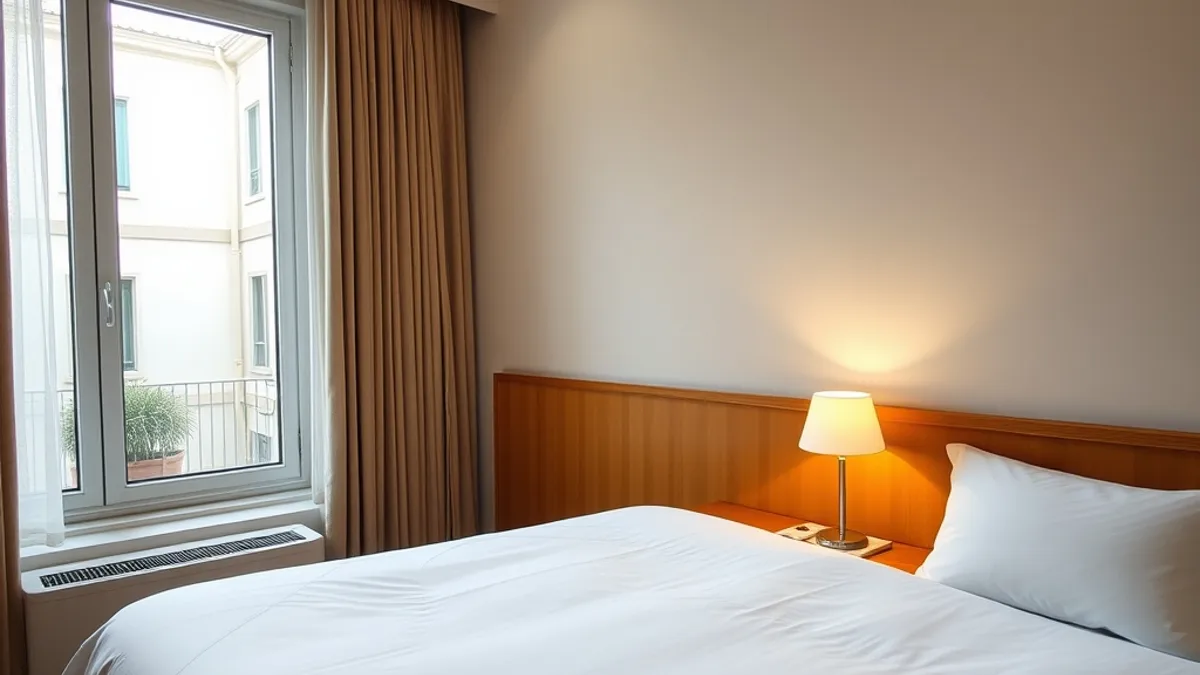
Here’s the part most travelers don’t realize: your room is usually not decided when you book. Assignments are typically finalised on the day of arrival, often just 2-4 hours before the standard 3-4 pm check-in window. The front office team sits down with the day’s arrivals list, looks at what’s been vacated and cleaned, and matches guests to available rooms in their category range. That means bed size, view and floor are all unspecified until that moment — a courtyard-facing standard room and a partial sea-view upgrade are both on the table.
Not all guests are assigned in the same order, though. Higher floors and corner rooms are typically allocated first to loyalty program members and guests staying longer, since properties reward repeat business and longer bookings with the better positions in inventory. Everyone else fills in from what remains. If you’re curious what a well-run resort’s room range looks like, browsing a property with clearly tiered categories — such as the resorts featured in this guide to Marbella hotels with sea breezes and private poolside calm — gives you a sense of how wide the spread between a base room and a top-tier one can be.
A few other factors quietly shape your assignment:
- Rooms near elevators or ice machines tend to be handed out later in the assignment process, since they’re the positions frequent requests are least likely to favor — a small comfort if you’re a light sleeper.
- Connecting and adjoining rooms are usually held back for families and groups, so solo travelers and couples on ROH rates rarely land in them.
- Renovated rooms often enter rotation before older stock, meaning early assignees on a given day sometimes get the fresher rooms simply by being first in the queue.
- Accessibility-equipped rooms are typically reserved for guests who’ve flagged a need in advance, which is why stating requirements at booking matters even on a flexible rate.
The practical takeaway: since assignments happen hours before you arrive, anything you want considered needs to reach the hotel before that day-of sorting, not after.
When Booking Run of the House Makes Sense
Run of the house is at its best for a specific kind of traveler: someone who genuinely doesn’t care about the view, the floor or the bed size and just wants a clean, comfortable base. If your plan is to spend the day at the pool, on the beach or out exploring, the difference between a courtyard room and a sea-view room may simply not matter to you. That’s exactly the trade the hotel is offering — you accept some uncertainty, and you pay less for it.
It also works particularly well for short stays of one to three nights, where the room is mainly for sleeping and showering. On a quick getaway, you’re unlikely to spend enough waking hours in the room to justify paying extra for a specific view or layout. The longer you stay, the more those details start to matter, so ROH tends to lose its appeal on week-long trips.
- Peak summer resort seasons: ROH is a common pick in the Caribbean and Mediterranean summer seasons, when resorts run near full and the discounts against named categories are at their widest.
- Repeat visitors: If you’ve stayed at the same resort before and know the standard rooms are fine, the uncertainty of ROH shrinks considerably.
- Budget-driven trips: When the goal is stretching the same budget across more nights, more meals or more excursions, the savings on the room are often better spent elsewhere.
How to Improve Your Odds of a Better Room
While the hotel ultimately picks your room, you’re not entirely powerless in a run of the house booking. A few well-timed requests and a bit of politeness can meaningfully shift your odds, especially at resorts where day-of assignments are made from a queue of guest preferences. Since assignments are usually finalised on arrival day, often 2-4 hours before the standard 3-4 pm check-in window, everything you do before that moment matters most. Here’s how to stack things in your favor.
- Send your requests 48-72 hours before arrival. Ask for your preferred bed type and floor by email or through the booking channel well ahead of time, so your request reaches the front office before day-of assignments are made. Requests are only honoured when inventory allows, but early ones are far more likely to be on the list when rooms are allocated. Keep the request short and specific: one bed type and one floor preference is easier for staff to action than a long wish list.
- Mention special occasions at booking. Honeymoons, anniversaries and birthdays often get prioritised in ROH allocations at resorts. Note the occasion when you book, and have a simple proof such as a marriage certificate date handy if asked.
- Ask politely at check-in. Arrive at a reasonable hour and ask, without pressure, whether any paid or complimentary upgrades are available. If inventory allows, front desk staff can often move an ROH guest into a better room on the spot. A friendly, unhurried arrival makes this conversation far easier than rolling in late with luggage and frustration.
None of these steps guarantees anything, and it’s important to keep expectations realistic. But guests who make friendly, specific requests ahead of time consistently fare better than those who show up with no requests at all, or worse, with demands at the desk.
Run of the House vs Guaranteed Room Categories
The core difference comes down to what is actually being promised. A named category guarantees the view, bed or layout you booked — a king bed, an ocean view, a specific suite layout. Run of the house guarantees only the rate and the property’s standard of room, with the hotel free to assign anything within its range at check-in. Both bookings get you into the same hotel; only one tells you in advance what you’ll be walking into.
What the upgrade to a named category costs
The price of certainty is usually modest. Expect to pay roughly 5-15% more to lock in a specific view or bed configuration compared with the ROH rate. On a short, inexpensive stay, that difference may be a rounding error; on a longer trip at a pricier resort, it can add up to a meaningful amount. Weigh the premium against how much you’ll actually use the room.
When a named category is worth it
There are three situations where paying for a named category is the safer buy. Long stays, where a disappointing room would wear on you day after day. Light sleepers who need a quiet room away from elevators, pools or entertainment venues, since noise levels are impossible to control on an ROH booking. And trips where the view is the point — a honeymoon with an ocean-view promise, or a balcony you plan to use every evening. In those cases, the guarantee is what you’re really paying for, and it’s usually worth it.
The Bottom Line on Room Assignment
Run of the house trades certainty for savings: the hotel picks your room on arrival day, and the bed size, view and floor all stay unspecified until you check in. That flexibility on their side is what funds the 10-20% discount you typically see against the lowest named category at the same property.
Your main levers are timing and tone. Requests for a specific bed or high floor sent 48-72 hours ahead reach the front office before day-of assignments are made, and a polite question at the desk can go further than you might expect when inventory allows. If a particular view or bed configuration really matters to your trip, paying roughly 5-15% more for a named category is the safer buy. If you have stayed in an ROH room before, share how it went in the comments below.