You’ve walked past that rooftop pool a dozen times and wondered what it would be like to spend an afternoon there. The problem: you don’t have a room at the hotel, and booking one just to swim for a few hours feels absurd. That’s exactly where a hotel day pass comes in, but how these passes work, what they include and what they cost isn’t always obvious from the outside.
This guide explains how day passes operate, from the pool, gym and spa access you can typically expect to the prices you’ll encounter. We’ll also cover how to book, the rules and etiquette that catch first-timers off guard, and the travel situations where a pass makes genuine sense, like long layovers or a city trip that deserves a spa afternoon. By the end, you’ll know whether a day pass is worth your money and how to get one without surprises.
What Is a Hotel Day Pass?
A hotel day pass is a way for non-guests to buy access to a hotel’s facilities for a set block of hours, without booking a room. Depending on the property, that can mean the swimming pool, the fitness center, the spa, or a beach area with loungers. You pay a fee, show up within your time window, and use the facilities much like a guest would.
Hotels sell these passes for practical reasons. City hotels often sit half-empty on weekdays between business peaks, so they open the pool or gym to locals and travelers to fill that capacity. Resorts do something similar: their pools and beach clubs are expensive to maintain, and selling day access brings in revenue outside peak room demand, when the facilities would otherwise sit underused by guests alone.
How the time window works
Access is usually time-boxed rather than open-ended. A typical pass runs from morning to late afternoon, roughly 9am to 6pm, though some properties offer shorter morning or afternoon blocks. What’s bundled with that window varies: some passes include a towel, locker and shower use, while others charge for these basics or expect you to bring your own. Check the inclusions before you book, because a pass without towel access can be an annoying surprise at the pool gate.
What’s Typically Included: Pool, Gym and Spa Access
Day passes come in several tiers, and knowing which one matches your plans keeps you from overpaying. A pool pass is the classic option: it usually covers a lounger, towels and use of shared changing rooms. If you want a cabana with shade and privacy, expect to pay extra, since cabanas are treated as a premium upgrade almost everywhere. Many hotels also sell spa access or food credit as paid add-ons, so it pays to check what the base pass actually includes before you book. Ask specifically whether towels, lockers and showers are part of the deal, because properties handle these basics differently.
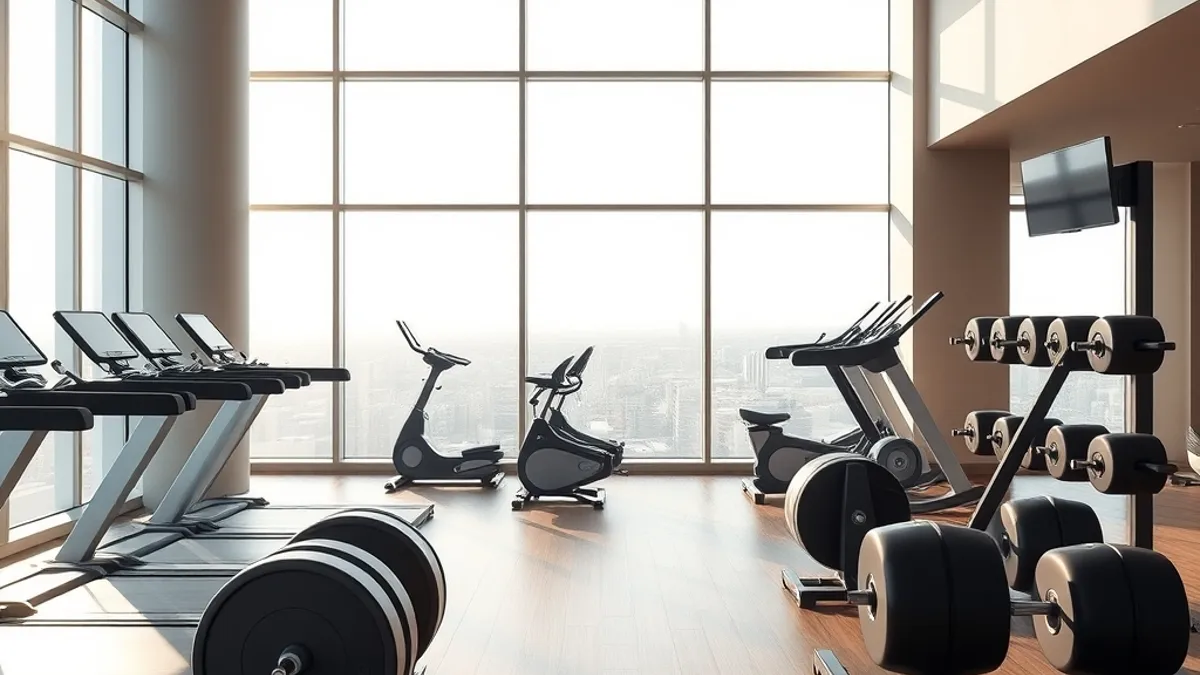
Gym-only passes sit at the cheapest tier, often running $15-$40, and they suit a specific kind of traveler: someone between flights, or stuck with hours to fill between meetings who just wants a proper workout and a shower. Spa add-ons are the other common upsell. Sauna, hammam or a discount on a treatment are frequently offered on top of the base pass, so you can build a half-day wellness visit from a simple pool entry. If a massage or facial is the real goal, compare the add-on fee against booking the treatment directly, since some hotels apply the fee as credit toward same-day services. Whichever tier you pick, remember that the most popular options sell out first on weekends, so match the pass to your priorities rather than buying the biggest bundle on impulse.
- Pool pass: typically includes a reserved lounger for the day, so you’re not hunting for a spot at peak hours, though prime poolside positions still go to early arrivals.
- Gym-only pass: the budget entry point, often with towel service at the fitness desk and access to the same changing rooms pool pass holders use.
- Spa add-on: thermal areas like sauna or hammam are the most common extension, and some hotels apply the add-on fee as a credit toward a massage or facial booked the same day.
- Cabana upgrade: a private shaded space with seating for a small group, usually priced separately from the base pass and worth booking ahead on busy weekends.
How Much Does a Hotel Day Pass Cost?
Pricing varies more than most travelers expect, because you’re paying for the property as much as the facilities. Standard passes at city hotels typically run $20-$100 per person, depending on the city and how upscale the property is. A straightforward gym and pool access at a mid-range business hotel sits at the lower end of that range, while a five-star property with a designer pool commands the top end.
Resort-style passes
Resort-style passes, which bundle pool access with extras like loungers on a beach club or activity areas, generally range from $50-$150. Some of these include food or drink credit, which changes the math considerably: if a $100 pass comes with $40 of restaurant credit and you were planning to eat lunch anyway, your effective cost drops sharply. Always check whether credit is included and how it can be used before comparing prices between properties.
Timing matters too. Weekday pricing is often lower than weekends, when local demand for pools peaks and residents compete with travelers for the same loungers. If your schedule is flexible, a midweek visit usually gets you a cheaper pass and a quieter pool deck at the same time.
How to Book a Day Pass and When to Do It
Day passes are usually easy to arrange, but timing matters more than most travelers expect. The good news is that there are only two main booking routes, and both take just a few minutes. The key is knowing when to book and what to confirm before you show up. A little preparation here saves you from the two most common disappointments: arriving to find the pass sold out, or paying for access that turns out not to cover what you actually wanted. Treat the booking like any other travel reservation and give it five minutes of attention.
- Decide how far ahead to book. In high season, aim to book 1-3 days ahead. Some resorts ask for 48 hours’ notice, especially when they need to manage pool capacity, so check the property’s pass page or call ahead if your dates fall in peak travel months.
- Check whether the hotel caps entries. Many hotels limit how many non-guests can enter per day. If the cap is reached, last-minute walk-ins can be turned away in summer, even if the pool looks quiet online. A confirmed booking protects your spot.
- Choose your booking route. Third-party day-pass platforms and the hotel’s own website are the two main options. The hotel’s own site sometimes offers the same pass with fewer restrictions, while platforms make it easy to compare several properties in one search.
- Confirm what your booking includes. Before paying, double-check the access hours, whether a towel and locker are covered, and whether food or drink credit is part of the pass.
Once booked, save the confirmation on your phone, since many properties check it at the entrance along with your ID. Screenshot it too, in case reception wifi is slow when you arrive. If your plans change, look at the cancellation terms before assuming you can get a refund, as policies differ between platforms and direct bookings, and some passes are non-refundable by default. It is also smart to reconfirm on the morning of your visit, especially at resorts that juggle guest priority during busy periods. A little advance planning turns a simple pool visit into a stress-free afternoon.
Rules, Limits and Etiquette to Know Before You Go
A day pass gives you real access, but it rarely gives you equal status with overnight guests. Hotels design their rules around keeping room guests happy first, and pass holders come second. Knowing the common limits before you arrive helps you avoid awkward moments at the front desk or the pool gate, and it also helps you decide whether a particular property is even worth booking for the day.
- Guest-priority policies. At busy hours, loungers and pool space can fill up with hotel guests, and pass holders can be asked to wait. Arriving right when the pass window opens usually gives you the best pick of seating, and midweek visits tend to be calmer than weekends.
- Children’s policies. These vary widely from one property to the next. Some resort pools are adults-only, while family-friendly hotels may charge per child or restrict kids to certain pool areas. If you are traveling with children, ask about these details before booking rather than at the gate.
- Outside food and drinks. These are almost always off-limits, and staff do check coolers and bags. Plan to buy on site, or look for a pass that includes food or drink credit.
- Minimum spend conditions. Some passes come with an on-site minimum spend attached, meaning part of what you pay goes toward food or drinks at the hotel rather than pure access.
- Time limits. Your access is capped at a set number of hours, typically running from morning until late afternoon, and facilities can ask you to clear out when the window ends even if you arrived late. If you want a full day by the pool, confirm the exact hours with the hotel before you commit.
None of these rules are dealbreakers, and most exist simply because space is finite. Read the fine print when you book, follow the basics of pool etiquette, and you will blend in with the overnight guests without any friction. A quick email or phone call to the hotel a day or two before your visit is usually enough to clear up any questions about hours, kids or add-ons.
When a Hotel Day Pass Makes Sense for Travelers
A hotel day pass is not something you need every trip, but in the right situation it is one of the best-value travel hacks around. The idea is simple: you have a block of free hours, no hotel room, and a real need to shower, swim, work out or simply rest somewhere better than an airport terminal or a car seat. Instead of paying for an overnight stay you cannot use, you pay for a few hours of the good parts of a hotel. Here is where passes shine.
- Long layovers. A pool or gym pass beats an airport lounge for a half-day reset. Instead of hovering near a coffee machine, you get a proper shower, a swim and a quiet lounger, then head back to the terminal refreshed. Choose a hotel with a short, reliable transfer from the airport and build in extra time for the return trip, especially if traffic is unpredictable.
- Cruise and road-trip stops. If your ship docks for the day or your drive includes a long break, a beach club or resort pool gives you a few hours of sun, food and Wi-Fi without booking a room. This works especially well when the resort sits close to the port or highway exit, so you spend your free hours relaxing rather than commuting.
- City trips. A rooftop pool or spa afternoon adds a layer of luxury without paying for a hotel night. Many city hotels sell day passes on weekdays when occupancy is lower, so a midweek spa session can cost far less than the same experience at a standalone spa.
The common thread is that a pass works best when you already know your free hours in advance. Match the pass type to what you actually want, whether that is a workout, a swim or a massage, and check whether add-ons like a cabana or food credit make sense for your plans. If you plan around those details, the price almost always feels justified compared to the alternatives.
Wrapping Up: Is a Day Pass Worth It?
So, what is a hotel day pass? In short, it’s a way to buy pool, gym or spa access for a few hours without booking a room. Prices typically run from $20-$150 depending on the property, with resort-style passes at the higher end and gym-only passes at the cheaper end of the scale. You generally get a generous block of daylight hours to swim, work out or unwind, though exact windows vary by property.
A few things make the difference between a smooth visit and a wasted trip: book 1-3 days ahead in high season, keep in mind that daily non-guest entries are often capped, and match the pass type to what you actually want, whether that’s a pool, a gym or a spa. The best value tends to show up on weekdays at city hotels, and at resorts outside peak room demand. If you’ve tried a day pass recently, leave a comment or share this article with a fellow traveler.