Many lodge guests love the idea of walking safaris but hesitate to book one. The usual worries are the same three: how fit you actually need to be, what the safety rules involve, and whether your children are old enough to come along. Those are fair questions, and the answers are simpler than most people expect.
This guide walks you through each of them in turn. You will learn what a typical guided bush walk involves, from departure times to group sizes, followed by the fitness level that really matters, the age limits most reserves set, and the options available for families with younger kids. We will also cover the safety rules your guide will expect you to follow, what to pack and wear, and the best time of year to book. By the end, you will know whether a walking safari fits your trip and how to arrange one with confidence.
What Walking Safaris from Lodges Actually Involve
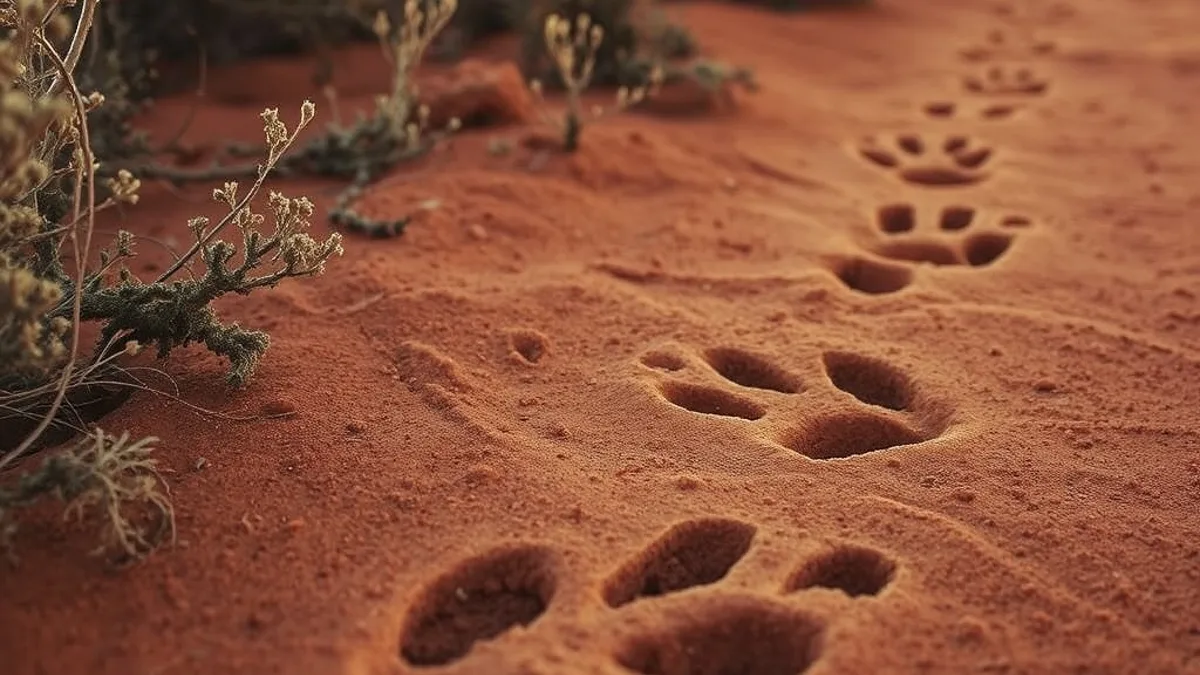
A walking safari is not a hike toward a destination. It is a guided on-foot outing that usually lasts 2-4 hours and covers 4-8 km at a slow, interpretive pace. Your guide stops constantly to point out animal tracks, dung, plants, birds, insects and the smaller details of the bush that you simply cannot notice from a vehicle. Big-game sightings can happen, but they are a bonus rather than the goal.
Timing matters. Walks typically depart at dawn or in the late afternoon, when temperatures are cooler and animal activity is at its peak. That early alarm is worth it: the bush at sunrise, with dew on the grass and birdsong all around, is one of the most memorable experiences a safari lodge can offer.
Who leads the walk
Every walk is led by an armed, professionally trained guide, often accompanied by a tracker who reads signs on the ground ahead. Groups are usually capped at 6-8 guests, which keeps the experience quiet, personal and safe. This small format is why walks feel so different from game drives: you move at nature’s pace, and your guide has time to answer every question along the way.
Fitness Requirements: How Fit Do You Need to Be?
The good news is that walking safaris are far less demanding than most first-timers imagine. The rule of thumb is simple: you should be comfortable walking about 5 km on uneven, sandy or rocky ground, without shade or benches along the way. If you can manage a long stroll on the beach or a hilly neighborhood loop, you are likely ready.
Trails are slow-paced with frequent stops, so you are rarely walking for more than a few minutes at a time. Your guide pauses to examine tracks, point out plants and listen for animals, which gives everyone a natural chance to catch their breath. What you will not find is vehicle support mid-walk. Once you set out, you walk the route on your own two feet, so it pays to be honest with yourself about your limits before you book.
Telling the lodge about health concerns
If you have knee, hip or heart concerns, mention them when you book rather than on arrival. Lodges can usually arrange a shorter or flatter route, or suggest a different activity on the days when the standard walk does not suit you. Booking ahead also gives the guide time to plan, which makes the experience better for everyone in the group.
A useful way to prepare is to build up your walking in the weeks before your trip, ideally on uneven terrain rather than a treadmill. And if your safari forms part of a longer trip, some travelers pair the bush with a coastal break, as described in bluewater resorts in South Africa for safari elegance and coastal release, giving knees and hips a softer surface to recover on.
Age Limits and Options for Families
Age limits are the first thing families should check, because they vary more than any other walking safari rule. The standard minimum age on most reserves is 12-16 years, set by each reserve or operator for safety reasons rather than fitness. Younger children can struggle to stay quiet and follow instructions quickly, which is exactly what a safe walk depends on.
The good news is that families with younger children are not excluded. Private concessions, where lodges control their own traversing land, often run tailored short walks of 1-2 hours designed specifically for kids. These focus on tracks, animal droppings, insects and plants, and they follow routes and terrain chosen with young legs in mind. Some families base themselves on properties like those described in Nanyuki homesteads near safari country with spacious calm, where the relaxed setting makes it easy to fit a family walk around naps and mealtimes.
Before you book, ask the lodge these questions:
- Whether teens need a parent or guardian present on the walk, as some operators require it even for older minors
- Whether under-16s must be accompanied by a private guide, which some lodges arrange for an additional cost
- What the exact minimum age is at that specific reserve, since it can differ between neighboring properties
Getting these details confirmed in writing at booking stage avoids disappointment at the lodge gate, especially in peak season when alternative activities may already be full.
Safety Rules You Must Follow on a Guided Bush Walk
A guided bush walk is nothing like a game drive, and the rules reflect that. In a vehicle you have metal walls between you and the animals; on foot you have nothing but your guide’s experience. That is why the first rule is simple: walk in single file behind the guide, keep your voice low, and follow every instruction immediately. If the guide raises a hand or whispers “stop,” you stop mid-step, no questions asked.
Animals on foot read body language and sound far more than they read people. Sudden movements, jogging to get a better photo angle, or loud chatter can all change how a buffalo or elephant reacts at close range. The same goes for what you wear and smell: strong scents and bright colors carry on the wind and can draw attention from animals or insects you would rather not meet.
Photography is welcome on most walks, but only on the guide’s terms. You shoot when the group has stopped and the guide says it is safe, never while walking or repositioning for a better shot.
- Single file, always: Walking in a line makes the group look like one larger animal to wildlife, which is far less threatening than a scattered cluster of people.
- Hands free when needed: Keep your camera or binoculars down when the guide is speaking, so both hands are free and you can hear every word of an instruction.
- No snacks on the move: Eating or unwrapping food mid-walk leaves scent trails and noise; wait for the break your guide schedules.
- Silence at sightings: When the guide finds tracks or spots game, freeze where you are rather than edging closer for a better view.
- Phones on silent: A ringing phone or notification chime carries surprisingly far in the bush and can end an approach instantly.
What to Pack and Wear
What you carry and wear on a walking safari matters more than on a game drive, because there is no vehicle to stash extra gear in. You carry your own pack for the entire 2-4 hour outing, so the goal is light and practical. Neutral colors such as khaki, olive and sand blend into the bush, and layered clothing lets you shed a warm fleece as the morning heats up.
Footwear is the one item not to compromise on. Closed, sturdy walking shoes or lightweight hiking boots with good grip handle thorny ground, loose rock and sandy tracks far better than sneakers or sandals. A wide-brim hat matters too, since most trails offer no shade and the sun is strongest around the late-morning stretch of a dawn walk.
Just as important is what to leave behind. Strong perfumes and scented lotions carry on the wind, and dark blue or black clothing tends to attract tsetse flies in some regions, which deliver a painful bite.
- Refillable water bottle: You will drink more than you expect in dry heat, and most lodges provide filtered water for refills before departure.
- Sunscreen: Apply before the walk and carry a small stick or tube, because reapplication is needed on exposed trails without shade.
- Binoculars: Much of a walk is about birds and distant animals, and a compact pair around 8x magnification adds a lot to the experience.
- Small daypack: A 10-15 liter pack holds your bottle, sunscreen and a light rain shell without weighing you down.
- Long trousers: They protect against thorns, grass seeds and insect bites better than shorts on most bush trails.
When to Book and Which Season Works Best
Timing shapes a walking safari more than almost any other choice you make. The dry season, roughly May to October in southern and East Africa, is when trails are firmest, vegetation has thinned out, and wildlife concentrates around remaining water sources. That combination makes for easier footing and more rewarding sightings on foot.
The green season has its fans too, with dramatic skies and newborn animals, but expect thicker grass, softer trails and longer grass hiding smaller creatures. If walking is the main reason for your trip, aim squarely for the dry months.
How Far Ahead to Reserve
Book your walks 2-4 weeks ahead as a general rule, since lodges often run only one or two walks per day with small groups. In peak season, some lodges want several months’ notice, especially if you need a private guide or a family-specific arrangement. Ask about walk availability at the same time you book your room, not after you arrive.
Confirm the Details Before You Travel
Age limits and fitness requirements vary between reserves and operators, so confirm both directly with the lodge when booking. Mention any knee, hip or heart concerns at that point as well, so a shorter route can be arranged. Sorting this out by email or phone weeks ahead is far easier than discovering restrictions at the lodge gate.
Wrapping Up Your Walking Safari Plans
So, are walking safaris from lodges within reach for you? If you can comfortably manage 4-8 km on uneven ground at a gentle pace, the answer is very likely yes. These walks are slow and interpretive, with plenty of stops, so they suit far more travelers than most people expect. The basic benchmark is being able to walk about 5 km on uneven ground without shade or benches, and lodges can usually arrange shorter routes if you flag any concerns when booking.
Families have options too: while the typical minimum age is 12-16 years depending on the reserve and operator, private concessions frequently design shorter outings of 1-2 hours specifically for younger children. Plan around the dry months of roughly May to October, remember groups are usually capped at 6-8 guests, and book 2-4 weeks ahead to secure your spot. Have you done a walking safari, or are you planning one? Share your questions or experiences in the comments.