You’ve just checked in, the water is sparkling in both directions, and every morning of your trip starts with the same question: lagoon pool or ocean? The choice between resort lagoon pools vs ocean swimming trips up a lot of travelers, because each looks inviting but works very differently when it comes to safety, access and sheer practicality. A calm, man-made lagoon feels reassuring, yet the sea promises something the pool never quite can.
This guide walks through the trade-offs so you can decide with confidence, day by day. We’ll compare how the two differ on safety, from supervised depths to flagged beach zones, and look at access and convenience around the resort. We’ll also cover water quality, temperature and comfort, which option suits different types of travelers, and how to time your swim around tides, weather and crowds. Finally, we’ll help you choose a resort that gets both right, so you never feel you’re sacrificing one experience for the other.
Safety: How Lagoon Pools and Ocean Swimming Differ
If safety is your top concern, a lagoon pool is the more predictable option by a wide margin. Depths in typical resort lagoon pools range from 0.9 m to 1.8 m, with shallow family zones under 1 m, so you always know what you’re stepping into. There are no currents, no waves and no marine life, which means weak swimmers and nervous returners-to-swimming can relax without scanning the water.
The ocean’s risks are manageable, but only with rules
Ocean swimming asks more of you. Rip currents can pull even strong swimmers away from shore, the seabed can drop off suddenly, and waves make footing uncertain. The single most effective habit is to swim only inside flagged, patrolled zones, which are usually watched roughly 9:00-17:00. Outside those hours or outside the flags, conditions are effectively unmanaged, and that’s when most trouble happens.
Lifeguard coverage is the clearest difference between the two. Many resorts run lifeguarded lagoon pools from about 7:00 to 19:00 daily, giving you a long, supervised window. Ocean patrols depend on beach flags and the season, and coverage can shrink or disappear entirely in rough-sea months, such as November-March on some Indian Ocean coasts. Always check the current flag status and patrol times on the day, as they change with conditions rather than following a fixed schedule.
Access and Convenience at the Resort
The biggest practical difference between a lagoon pool and the ocean is how quickly you can actually get in the water. Lagoon pools usually sit right off guest rooms and terraces, so a swim can start within minutes of deciding to have one. There is no sand to cross, no gear to carry across hot paving, and no need to plan around tide or surf. You can dip in before breakfast, dry off on your terrace, and be back in your room without ever feeling like the swim was an outing.
Ocean access is far more variable, and it depends heavily on how the resort’s beach is shaped. Some properties front a gradual sandy slope where swimmable water starts a comfortable walk from your lounger; others sit above rocks, a reef flat, or a steep drop that changes with the tide. On a shallow-gradient beach, reaching water deep enough to swim in can mean a walk of roughly 50-200 m, which matters when you are carrying fins, goggles, or a small child. Where the beach drops away quickly or entry is over coral, getting in may require careful footwork or a short walk to a better spot.
Convenience also flips with the weather. A lagoon pool stays swimmable through wind and rain, while ocean swimming is often suspended during rough-sea windows. On some Indian Ocean coasts, for example, the November-March monsoon season can close beach swimming for weeks at a time, leaving the pool as the only realistic option.
- Check the beach profile, not just the photos. Wide aerial shots can hide a long reef flat or a rocky shelf; ask the resort directly how far it is from the sun loungers to water deep enough for a proper swim.
- Ask where your room category sits relative to the water. At larger properties, the difference between a terrace opening onto the lagoon pool and a room a few buildings back can easily double the time it takes to start a swim.
- Plan your gear around the walk. If ocean access means a 50-200 m trek over sand, a mesh bag, strap-on sandals and a lightweight towel make the trip far easier than a full beach setup.
- Build a rough-weather fallback into your booking. If your travel dates overlap a known monsoon or high-surf window, choose a resort whose lagoon pool and covered terraces are appealing enough to carry the trip on their own.
Water Quality, Temperature and Comfort
The feel of the water
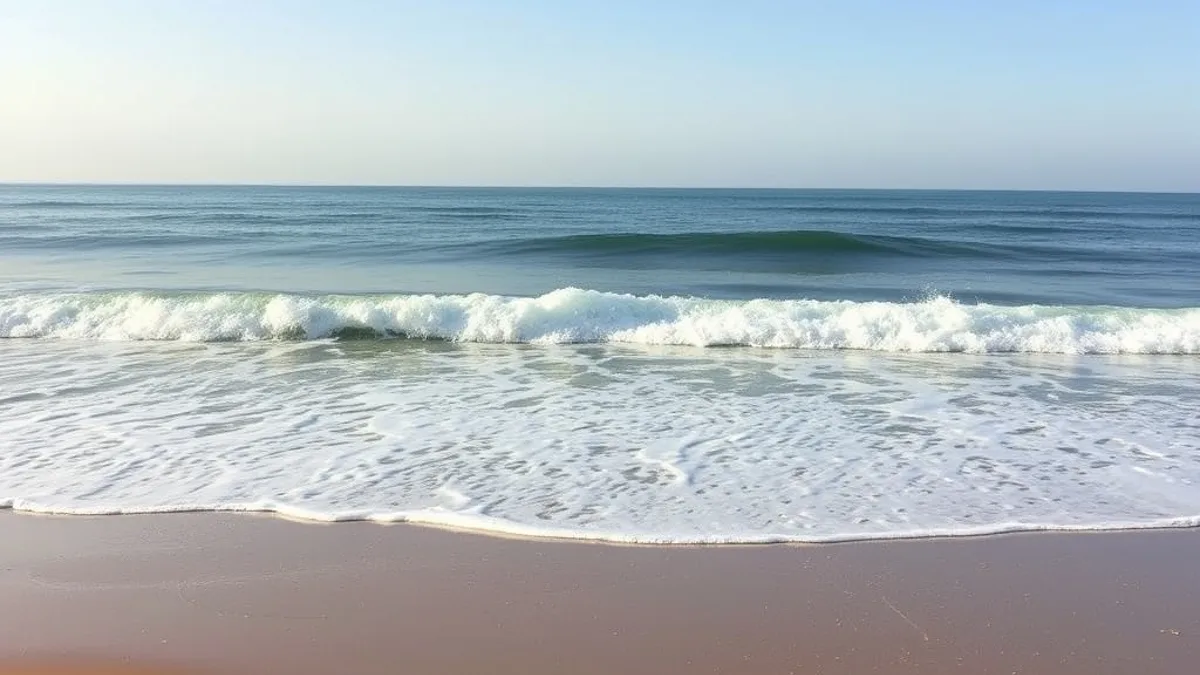
Ocean water in tropical resort regions stays around 26-30°C year-round, which means the sea rarely feels cold when you step in. The salt adds natural buoyancy, so floating takes less effort than in fresh water. The trade-off comes afterward: saltwater swims typically require rinsing off within 1-2 hours to protect your skin and swimwear. A quick freshwater shower at the beach or back at your room does the job, and it also keeps chlorine-resistant swimwear from degrading faster than it should.
Lagoon pools in warm climates usually hold similar water temperatures, commonly 26-30°C, either naturally warmed or heated. Because the water is treated, there is no salt sting in your eyes and no sticky residue on your skin afterward. If you have ever come back from a beach swim with itchy shoulders or irritated eyes, you will notice the difference immediately.
Visibility underwater
One underrated advantage of a lagoon pool is clarity. Treated pool water makes it easy to see the bottom at every depth, which matters if you wear contact lenses, swim with children, or simply like knowing what is under your feet.
Ocean visibility is far less predictable. It shifts with surf, tides and season, ranging from clear blue on calm days to murky green-brown after wind or rain stirs up the sand. That does not make ocean swimming worse, but it does change the experience: you swim more by feel than by sight. If seeing the bottom helps you relax in the water, the pool will feel easier, while the ocean rewards swimmers who are comfortable with a bit of unknown.
Which Option Suits Different Travelers
Not every traveler wants the same water, and the gap between a lagoon pool and the open ocean matters more for some guests than others. Matching the swimming environment to your confidence, mobility and travel group is the simplest way to avoid disappointment once you arrive.
Families with small children usually gravitate to lagoon pools, and for good reason. Shallow family zones under 1 m let toddlers splash and wade under close supervision, with no surf rolling in and no sudden drop-offs to worry about. Parents can stand in the water with their kids and still see the pool edge from a lounger nearby.
Confident swimmers and snorkellers, on the other hand, get far more from the ocean. Salt buoyancy makes longer swims feel easier, and reef or calm cove areas offer fish and coral you will never see in treated water. The key is staying inside flagged zones, where conditions are monitored and patrolled during the day.
Travelers with limited mobility often find pool entry easier too. Steps, handrails and zero-depth edges are far more predictable than soft sand, loose rocks or a reef shelf underfoot.
- Shallow ledges with seating: many lagoon pools build in underwater benches in the shallow zones, so children can rest mid-play without leaving the water.
- Reef access from shore: some beach entries let snorkellers swim straight onto coral from the sand, which means no boat trip and no extra cost to reach the good stuff.
- Graduated pool depths: a pool that steps from a sub-1 m family zone toward deeper sections lets mixed-ability groups swim side by side rather than splitting up.
- Beach gradient checks: guests with mobility concerns should ask whether the ocean entry is firm sand, loose sand or rock before choosing a beachfront room.
Timing Your Swim Around Tides, Weather and Crowds
When you swim matters almost as much as where you swim. Tides, wind patterns and crowd levels all shift through the day, and a little planning turns a choppy, crowded dip into a calm, quiet one. The good news is that you do not need local knowledge to get this right. A simple daily routine covers both the ocean and the lagoon pool, and it mostly comes down to watching two things: the wind and the clock.
- Plan ocean swims for the morning: conditions near low-to-mid tide in the early hours are typically the calmest, before afternoon onshore winds pick up and stir up the surface. If you snorkel, this window also tends to bring the best visibility.
- Watch the wind, not just the tide: even on a good tide, a strengthening onshore breeze can bring chop and surf, so check the local forecast the night before and keep a pool day in reserve.
- Save the pool for early or late: lagoon pools are quietest before 9:00 and after 17:00, when day guests thin out and the strongest heat of the day has eased. Early mornings also give you glassy water for photos.
- Book with the season in mind: check seasonal sea conditions before you commit, because rough-sea months can flip an ocean-first trip into a pool-only stay, especially during monsoon windows such as November-March on some Indian Ocean coasts.
If a quiet, water-focused stay is the goal, it is worth looking at destinations where the sea itself is naturally sheltered. Resorts built around calm, green water take the tide-and-wind gamble out of the equation, and our guide to islander resorts in Indonesia for tropical seclusion and lush sea-facing calm shows how that works in practice.
Choosing a Resort That Gets Both Right
The easiest resort stays are the ones where you never have to choose between pool and ocean. If the lagoon pool and the beach sit within a short walk of each other, you can swim laps in treated water in the morning, then wander over for a saltwater dip when the sea looks inviting, all without changing your plans or your day.
What to check before you book
Prioritize properties that take water safety seriously on both fronts. That means flagged beach zones with posted patrol hours, clearly marked depths on the pool edges, and honest seasonal guidance from the resort about when ocean swimming is advised and when it is not. A resort that tells you upfront about rough-sea months is doing you a favor, not talking down its own beach.
It also pays to look at the destination itself, not just the property. Sheltered bays change everything: calm coves in Turkey or Croatia narrow the gap between pool and ocean conditions dramatically, because the water inside the bay behaves more like a lagoon than open sea. In places like these, an ocean swim can feel nearly as predictable as a pool swim, with gentle entries and little current to fight.
Our guide to Hightide resorts in Turkey for warm coves and generously designed relaxation is a good starting point if a sheltered, swim-friendly coastline is what you are after.
Questions to ask the resort directly
Before booking, ask how far the nearest swimmable water is from the rooms, whether the beach entry is sand or rock, and whether pool lifeguards and beach flags operate year-round or only in high season. The answers tell you more than any photo gallery will.
Wrapping Up the Lagoon Pool vs Ocean Choice
So which is safer and more practical: the lagoon pool or the ocean? For most travelers, the pool wins on safety, access speed and all-weather reliability. You get predictable depths, no currents and a swim that starts minutes after you leave your room, whatever the sky is doing. The ocean wins on space, salt buoyancy and scenery, and nothing at the resort quite matches a calm morning swim in open water.
The real answer is that the best resort stays let you use both. Keep pool mornings for easy laps and relaxed floating, save flagged ocean swims for calm windows, and build in flexibility for rough-sea days. Matching your swimming confidence and travel season to the water type is what turns a resort stay into an easy one. If this helped you decide, leave a comment or share the article with a fellow traveler.