Anyone who has shared a single hotel room with two kids and a suitcase avalanche knows the problem: families want to stay together, but not quite that together. Privacy disappears, sleep schedules collide, and everyone ends the trip exhausted. Interconnecting family suites promise a fix — two rooms with a connecting door, so parents get their own space while the kids stay close by. The catch is that these rooms are limited, often cost 20-40% more than two standard rooms, and connecting doors are only guaranteed when you book a dedicated suite category rather than making a request at check-in.
This guide walks you through everything you need to know: what interconnecting suites actually are, how to choose a layout that fits your family size, and how to book one before it sells out. We’ll also look at where these suites shine — especially resort-style destinations — which seasons make availability easier, and the exact questions to ask a hotel before you pay. By the end, you’ll know how to lock in a setup that keeps everyone together, with the space and sanity intact.
What Interconnecting Family Suites Actually Are
An interconnecting suite is two fully separate rooms joined by an internal door built into the wall between them. This is the key difference from “adjoining” rooms, which simply sit next to each other with no door in between. If you book adjoining rooms and the hotel needs to reassign one of them, your family can end up split across a corridor, or even a different floor, with no way to move between the rooms except through the hallway.
With a true interconnecting suite, everyone stays under one roof. The internal door is lockable from both sides, which matters more than most parents expect. You can close and lock it after the kids fall asleep and have a private evening in your own room, while still being seconds away if someone wakes up crying. Older children can lock their side for genuine privacy, and you retain the ability to check on them whenever you like.
Common layouts you will encounter
Three setups dominate the market. The first pairs a standard one-bedroom suite or room with a smaller kids’ room, often with twin beds or bunk beds. The second is a two-bedroom suite with a shared lounge, giving the whole family a common space to eat, play or watch a movie together. The third is the duplex family suite, where bedrooms sit on two floors connected by an internal staircase, usually with the children’s room upstairs.
Whichever layout you choose, the connecting door is what turns two rooms into one family suite. Most interconnecting suites sleep 4-6 guests, and some larger family layouts reach 8, so check the stated capacity rather than assuming. And remember: a connecting door is only guaranteed when you book a dedicated suite category, not when you request one as a favor on two separate room reservations.
Choosing the Right Layout for Your Family Size
Matching the suite layout to your family size is the single biggest factor in whether everyone sleeps well. A family of four is usually comfortable in a one-bedroom-plus-kids-room layout of around 45-55 m2, especially if the lounge includes a sofa bed for a third child or a grandparent. Below that size, you risk one adult sleeping on a pull-out with a toddler’s feet in their ribs.
For five or six travelers, aim for a two-bedroom suite of 70 m2 or more. Anything smaller tends to squeeze the fifth and sixth sleepers onto a lounge sofa, which gets old fast on a week-long stay. Larger duplex layouts can work too, but check where the beds actually sit before you commit.
Age matters as much as headcount. Toddlers do best in open-plan suites where parents can see the sleeping area from their own bed, so a clear sightline beats a separate kids’ room at that stage. Teenagers, on the other hand, want the privacy of their own lockable room, and a two-bedroom layout keeps family peace intact.
Read bed configurations with a skeptical eye. Some “family suites” count a sofa bed as a full bed for two adults, which sounds generous until you actually try it. Before paying, confirm these details with the hotel:
- Whether the sofa bed is a proper double with a real mattress or a thin fold-out better suited to children under ten.
- If the kids’ room has two single beds or one bunk, and whether a crib can be added without blocking the door or wardrobe.
- Whether the second bedroom has a lockable door of its own, not just the connecting door between suites.
- How many people the suite is officially rated for, since exceeding the stated capacity can void your booking at check-in.
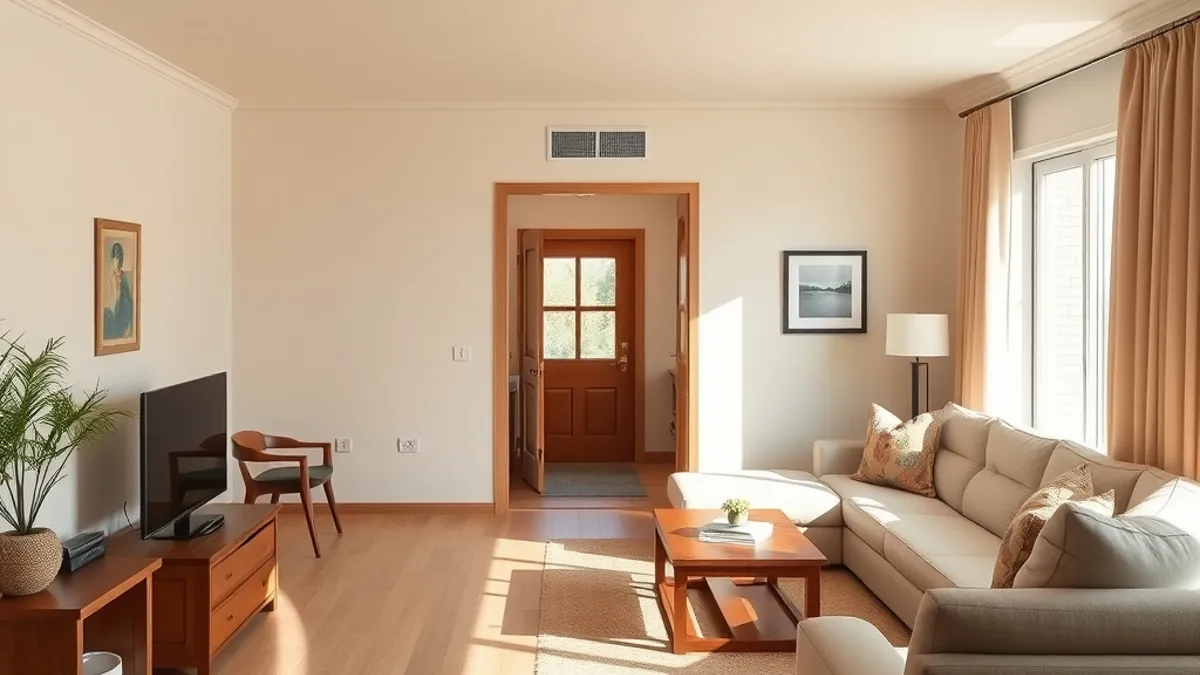
How to Book Interconnecting Family Suites Before They Sell Out
Interconnecting suites are among the first room types to disappear from a resort’s inventory, especially once school-holiday dates approach. The good news is that securing one is less about luck and more about following a clear booking sequence. Here is how to do it.
- Lock in your dates early. For July-August travel, aim to book 4-6 months ahead, since peak-season interconnecting categories at beach resorts can sell out well before summer arrives. For May-June or September-October stays, a 2-3 month window is usually sufficient and often comes with softer rates.
- Book a named interconnecting suite category. Reserve the specific suite type rather than making two separate room bookings with a request to be connected. Connecting rooms are only guaranteed when they are sold as a dedicated suite category; a request on two standard rooms is just that, a request.
- Compare the price against two upgraded rooms. Expect a 20-40% premium over two standard rooms, which can look steep at first glance. In practice, one suite category is usually cheaper than booking two separately upgraded rooms, so run both options before you commit.
- Confirm the connecting door in writing. After booking, email the hotel directly and ask them to confirm that your reservation includes an internal, lockable connecting door. Room maps change during renovations, and a written confirmation gives you something to reference at check-in if the allocation has shifted.
Follow this sequence and you remove most of the risk from the booking. The families who miss out are typically those who assume two adjacent rooms will do the job, or who wait until the school holidays are confirmed before picking up the phone. A short email exchange with the reservations team costs nothing and can save an entire trip.
Where Interconnecting Suites Work Best: Resort-Style Destinations
Not all hotels are equal when it comes to interconnecting suites, and the difference usually comes down to whether the property was built with families in mind. Large resort-style properties, especially those with dedicated family wings, typically hold 5-15 interconnecting units per property. That may not sound like a lot, but compared to a city hotel it is generous, and it means your chances of securing the right layout are far better.
Coastal and lake destinations are another strong bet. Villa-style accommodation in these areas often offers multi-bedroom units built around the same connecting-door logic, giving families shared living space plus separate sleeping quarters. If you want a sense of how relaxed and family-friendly this style of coastal stay can be, it is worth browsing a coastal Australian residence where the pace feels effortlessly refined as a good example of the category.
Why city hotels are the tricky case
City hotels rarely have more than a handful of interconnecting pairs, and often only on one or two floors. Because business travelers dominate their room stock, family configurations are an afterthought. Treat interconnecting suites in city properties as a scarce resource: book the earliest you reasonably can, and always confirm the connection in writing rather than relying on a note in your reservation.
Timing Your Stay: Seasons That Make Family Suites Easier to Get
Timing has a bigger impact on suite availability than most families realize. The shoulder-season months of May-June and September-October deliver the widest suite choice and noticeably softer rates than school-holiday peaks. You get the same connecting door and the same square meters, often for less money and with more room types to choose from. If your travel dates are flexible at all, shifting a trip by even a couple of weeks can transform what the reservations desk can offer you.
Peak July-August demand is a different story. At popular beach resorts, interconnecting categories can sell out around six months in advance, which is why early booking matters so much for summer travel. If your dates are fixed by school holidays, accept that the calendar is against you and reserve as early as the hotel allows. Waiting for a last-minute deal on a connecting category is a gamble that rarely pays off in high season.
- Weather still works in your favor: in many Mediterranean and subtropical destinations, May-June and September-October bring warm swimming conditions without the intense midsummer heat that sends small children indoors at midday.
- Staff attention improves: with fewer guests on site, kids’ club spots, babysitting slots and restaurant reservations are easier to secure at short notice.
- Room moves become possible: hotels are more willing to upgrade or adjust a family’s suite allocation in the shoulder season, when there are empty categories to shuffle guests into.
Beyond availability, shoulder-season stays also mean quieter pools and shorter waits at family-oriented facilities. Slides, splash zones and breakfast buffets that feel like a scrum in August are often pleasantly calm in June or late September. Flights and transfers tend to be easier on the budget too, which frees up more of the trip’s total cost for a better room category. For families with preschool-age children who are not yet tied to term dates, traveling outside the school holidays is one of the simplest wins available.
Questions to Ask the Hotel Before You Pay
The fastest way to ruin a family suite booking is to assume too much. Hotels use loose language for room combinations, and two vague email replies can leave you with rooms on different floors. Before you pay a deposit, get specific answers in writing to a handful of pointed questions.
The most important one: is the connecting door internal and lockable, or is the “connection” simply two adjacent rooms with a shared wall? Only an internal door gives you the privacy and access that makes the layout work. Follow up by confirming total sleeping capacity in detail, including sofa bed weight limits and whether a crib actually fits alongside the existing beds rather than blocking the wardrobe.
- Ask for the exact floor and wing: family wings positioned away from bars, pools with evening entertainment and lifts suit light sleepers best, and hotels can usually honor a floor request if you make it early.
- Ask about simultaneous housekeeping: if both rooms can be serviced at the same time, you avoid split mornings where one parent is trapped waiting for towels while the other handles breakfast.
- Ask what happens if the door fails: knowing in advance whether the hotel can move you to another pair, or how they compensate, saves an awkward negotiation on arrival day.
Put these questions in a single email so the answers are documented. A written confirmation of the connecting door, the sleeping capacity and your floor request is your best protection if something changes between booking and check-in.
Putting It All Together
Interconnecting family suites solve the problem most parents know too well: finding hotel rooms that keep everyone together without giving up privacy, space or sanity. A lockable internal door between two rooms means children sleep within reach while adults still get their own corner of the evening, and everyone gets real beds instead of a squeeze around a sofa.
The formula is simple. Match the layout to your family size, book the named suite category rather than hoping a request gets honored, and aim for 4-6 months ahead if you are traveling in peak season. Resort destinations and shoulder-season months give you the widest availability and the best value for your money. If this helped you plan a family trip, leave a comment or share the article with another traveling family.