You barely touched the minibar, yet checkout shows a $40 snack charge. Sound familiar? Minibar and honor bar charges catch thousands of travelers off guard every year, and many of those fees are for items nobody in the room ever consumed. The good news: once you understand how the billing systems work, most surprise fees are easy to avoid.
This guide walks you through the whole picture. We explain how sensor-based minibars and self-logging honor bars actually register a charge, what the items typically cost compared to regular retail prices, and the most common ways guests get billed by mistake. You’ll also find simple habits that prevent false fees, steps to take if you’re charged for something you didn’t take, and cheaper alternatives to the in-room bar. By the end, you’ll know exactly how to protect your wallet — and your card statement — from charges you never earned.
How Minibar and Honor Bar Charges Actually Work
Modern minibars are not just a fridge with snacks — they’re a billing system. Many are stocked with sensors or weight plates under each item, and the moment you lift or remove something, a charge is triggered. In many systems, this happens fast: weight-sensor models can register a charge within 10-15 seconds of you picking an item up. There’s no human checking whether you actually drank that soda. The sensor assumes you did, and the amount goes straight onto your room account.
Honor bars work differently
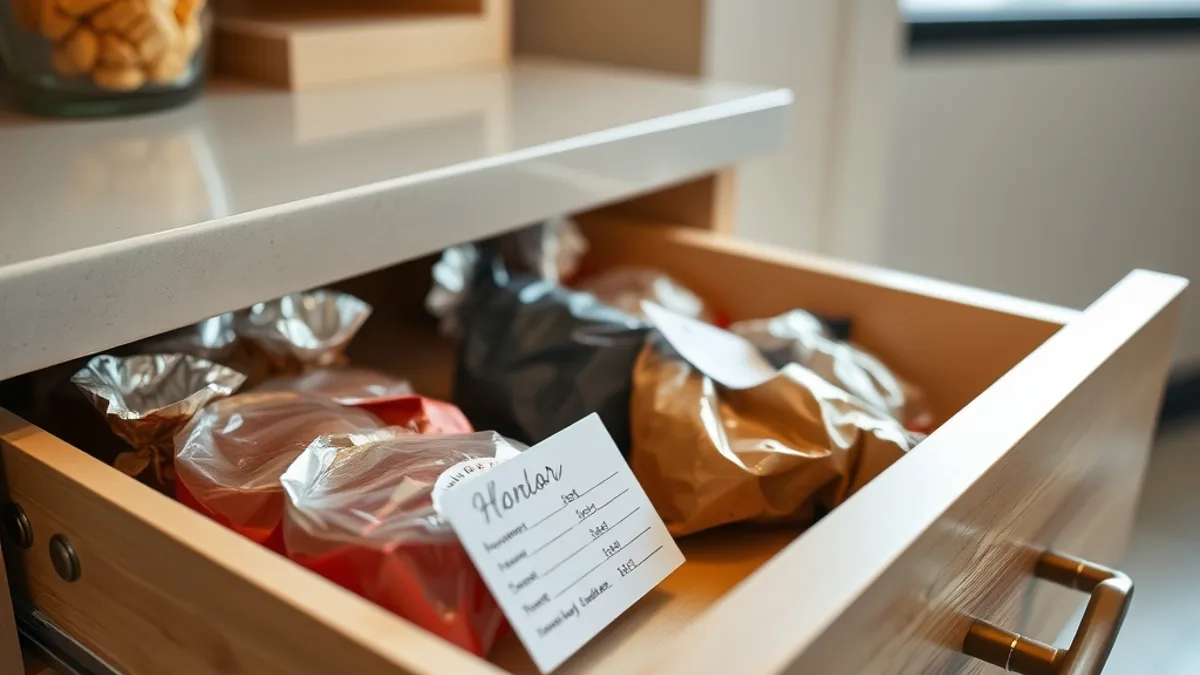
Honor bars skip the electronics entirely. You serve yourself, then log what you take on a slip or a card in the room. Staff verify the inventory against your record at checkout, and any unrecorded items are billed then. This system is more forgiving in one way — nothing is charged until a human counts the stock — but it relies on your honesty and your memory. If you forget to log an item, you’ll still pay for it.
One detail catches many guests: simply moving an item aside to reach something behind it can trigger a false charge, even if you consume nothing. The sensor doesn’t know your intentions. It only knows that an item left its spot, so treat everything on those shelves as if it were wired to the front desk — because in a sense, it is.
What Minibar Items Typically Cost
The first thing to accept about minibar pricing is that you’re paying for convenience, not value. Expect to pay 2-4 times the retail price for anything on those shelves. A single soda usually runs $5-8, and a small chocolate bar typically costs $6-10. The same items at a corner store would cost a fraction of that, but the hotel knows you’re paying for the thirty seconds it takes to walk downstairs.
The priciest category: miniature spirits
If sodas and snacks seem steep, wait until you look at the liquor. Miniature spirits are almost always the most expensive items on the bar, often $8-15 per 50ml bottle. Do the math and that’s a per-liter price that would make a fancy cocktail bar blush. If you enjoy a nightcap, buying a proper bottle elsewhere is nearly always cheaper than two or three miniatures.
There’s one more wrinkle worth knowing: some upscale properties reprice the entire bar daily. That means the rate you glanced at on arrival may not be the rate you’re charged three nights later. Make a habit of checking the price card each morning rather than assuming day-one rates still apply. It takes ten seconds and can save you an unpleasant surprise on your final folio.
Common Ways Guests Get Billed by Mistake
Plenty of guests pay minibar fees for items they never touched, and the reasons are usually mechanical rather than dishonest. Weight-sensor trays register a charge even when you only pick an item up to read the label and put it right back. The system can’t tell the difference between browsing and consuming, so curiosity alone can end up on your bill.
Human error plays a role too. Restocking staff occasionally misread inventory and bill you for items a previous guest consumed before you ever checked in. And families should know that children moving snacks around can trigger sensors without anyone consuming anything — a toddler rearranging candy bars can generate real charges.
Timing makes all of this harder to catch. Charges often appear on your folio days after checkout, so a card hold can look like a mystery fee you can’t connect to anything. Beyond these basics, a few specific situations cause most disputed charges:
- Restocking day confusion: if staff refill the bar mid-stay and count the new stock against the old list, items the previous guest took can land on your account.
- Sliding or tilting items: leaning a bottle against the fridge wall or nudging a tray to close it properly can shift weight off a sensor plate and register as a removal.
- Shared room assumptions: in rooms with two guests, one person’s logged honor bar item may be billed to the whole folio, leading to awkward conversations at checkout.
- Hold-versus-charge mix-ups: a temporary card hold from the hotel can sit on your statement next to a late-posted minibar fee, making one charge look like two.
Simple Habits That Prevent Surprise Fees
The single most effective move happens before you ever touch the minibar: ask reception to empty or seal it when you check in. Most hotels do this free of charge, and it removes the problem entirely — no sensors to trigger, no inventory to dispute. If you’re staying somewhere for several nights, this is usually worth the two minutes it takes at the desk, and it works at everything from budget chains to luxury resorts.
If you do keep the minibar, treat it like a museum exhibit. Read the price card before touching anything, and keep your hands off items you don’t intend to consume. Because the sensors react so quickly once something is lifted, even picking up a candy bar to read the label can end up costing you.
A few small habits go a long way, especially if you’re traveling with kids who like to rearrange snacks:
- Photograph the contents on arrival and again before departure. Timestamped photos give you solid evidence if a restocking error or sensor glitch ends up on your bill.
- Check the price card every morning. Some upscale properties reprice the entire bar daily, so a drink that looked reasonable on day one may cost more by day three.
- Keep kids’ hands away from the bar area. Explain that moving snacks around can trigger sensors, and offer them a treat from your own stash instead.
- Take advantage of what’s free. Many hotels offer a free welcome drink or complimentary water bottles — use these instead of bar items whenever they’re available.
What to Do If You’re Charged for Something You Didn’t Take
Even careful guests end up with a mystery minibar charge now and then, despite their best efforts at checkout. Maybe a sensor misfired, or a restocking error landed on your folio. The good news: these disputes are usually easy to win if you act quickly, stay organized, and keep your evidence handy. Here’s how to handle one step by step, whether you’re still at the hotel or already back home sorting through your statement.
- Report the charge at the front desk immediately. Don’t wait until checkout morning when there’s a line and everyone is rushing. Staff can pull the sensor logs or inventory records while you’re standing there, and disputed minibar charges are typically reversed within 24-48 hours when reported promptly. Ask for written confirmation that the charge was removed, just in case it resurfaces later.
- Call or email the hotel if the fee appears after checkout. Have your folio number and reservation details ready, and mention your arrival and departure photos if you took them. A short email with the photos attached often settles things in a single exchange. Keep the thread polite and factual.
- Check your final card statement. Hotels sometimes tell you a charge was removed but the reversal never actually posts, so the fee can linger even after the front desk insists it’s gone. If it’s still there after a week or so, contact the hotel again with your statement as proof, and consider asking your card issuer about a dispute as a last resort.
Stay polite but persistent throughout the process. Front desk staff deal with these disputes regularly, and a calm guest with timestamped photos, a folio number, and a clear timeline is far easier to help than one who’s simply angry. Most cases resolve with a single conversation, and you’ll rarely need to escalate beyond the hotel itself.
Cheaper Alternatives to the In-Room Bar
The simplest way to avoid minibar pricing is to not use the minibar at all. A nearby convenience store or supermarket sells the same sodas, water bottles and snack bars at a fraction of the price — remember that minibar items typically cost 2-4 times their retail price, so one soda at the corner shop can cost less than a fraction of the hotel’s rate. If you’re staying somewhere for more than a night, one quick shopping trip usually covers everything you’d want in the room, from bottled water to late-night snacks.
Bringing your own supplies
Many hotels allow outside food and drinks in rooms, but it’s worth confirming at check-in. A few resorts — particularly all-inclusive properties — restrict outside items, and it’s better to know the policy before you unpack a bag of groceries. A one-line question at the front desk takes seconds and saves an awkward conversation later. Some properties also offer a free welcome drink or complimentary water bottles, which can take the edge off without touching the bar at all.
Use the hotel’s own bar instead
When you want a proper drink rather than a lukewarm miniature, head to the hotel bar or lounge. Drinks there often run 30-50% less than minibar rates, and you get a full-sized pour instead of a 50ml bottle. You also get the atmosphere, a comfortable seat and someone else to do the pouring — which is arguably worth the walk down the hallway on its own. If you plan to have a few drinks during your stay, comparing the bar menu against the minibar price card at check-in makes the math obvious pretty quickly.
Wrapping Up Minibar Charges
That $40 snack charge at checkout usually comes down to how minibar and honor bar billing works: sensors register an item the moment it is lifted, or unlogged honor bar items get billed during the inventory check. Prices run 2-4 times retail, so even a barely touched bar adds up fast. The good news is that most false fees are preventable — ask for the minibar to be emptied at check-in, photograph the contents when you arrive and before you leave, and keep your hands off anything you don’t plan to consume.
If a wrong charge slips through anyway, act fast. When you flag the error at the front desk right away, hotels usually remove it within a day or two, so review your folio before leaving and keep an eye on your final card statement afterward. And when you do want a snack or drink, a nearby shop or the hotel bar will usually cost less than the minibar. Have you ever been billed for a minibar item you never touched? Share your story in the comments, or pass this article along to a fellow traveler.