Every safari planner eventually hits the same fork in the road: a tempting road-access lodge at a fraction of the price, or a remote camp that only a small plane can reach. The question is whether fly-in safaris are really worth paying several times more, and what that difference actually buys you once the trip begins.
This guide breaks the decision into the parts that matter. We compare what each style typically costs per night and where hidden extras creep in, then look at how flying or driving shapes your itinerary and your daily hours of game viewing. We also cover comfort and wildlife trade-offs, which seasons and budgets favor each option, and finish with a simple way to decide, including a hybrid approach that blends both.
What Fly-In Safaris Actually Cost
All-inclusive fly-in packages in prime Botswana and Zimbabwe areas typically run USD 800-1,500 per person per night. That sticker shock is real, and it is the first number most travelers see before ruling the option out. But the quote is rarely as inflated as it first appears, because it covers far more than a bed.
What the nightly rate actually includes
A fly-in quote usually bundles light-aircraft flights, meals, drinks, game drives and park fees into one price. Once you add up what you would otherwise pay separately for charter seats, daily activities, conservation fees and drinks at a road lodge, the gap narrows considerably. There are also fewer surprise invoices at the end of the stay, which makes budgeting far more predictable.
Why fewer nights soften the total
The other offset is time. Flights from hubs to remote camps typically take 45-90 minutes, replacing road days that can swallow an entire itinerary. If you only have a week of leave, you might need four nights at a fly-in camp to get the same wildlife time that six road-based nights would deliver. Fewer nights at a higher rate can land close to more nights at a lower one, so always compare total trip cost rather than the nightly figure alone.
What Road-Access Lodges Cost and Where the Extras Hide
On paper, road-access lodges look like the obvious bargain. Accommodation typically costs USD 250-600 per person per night, a fraction of what remote fly-in camps charge, and the savings feel immediate the moment you see the quote.
Where the extras hide
The catch is that road-access lodges often quote accommodation separately from everything else. Game drives, park fees and transfers are frequently billed as add-ons, and together they can push your final trip total 30-50% above the room rate. A nightly rate that looked like half the price of a fly-in camp may end up much closer once drives and conservation fees are stacked on. Ask any lodge for a fully itemized quote before you compare it against an all-inclusive one, otherwise you are comparing apples to a shopping list.
The hidden cost of the road itself
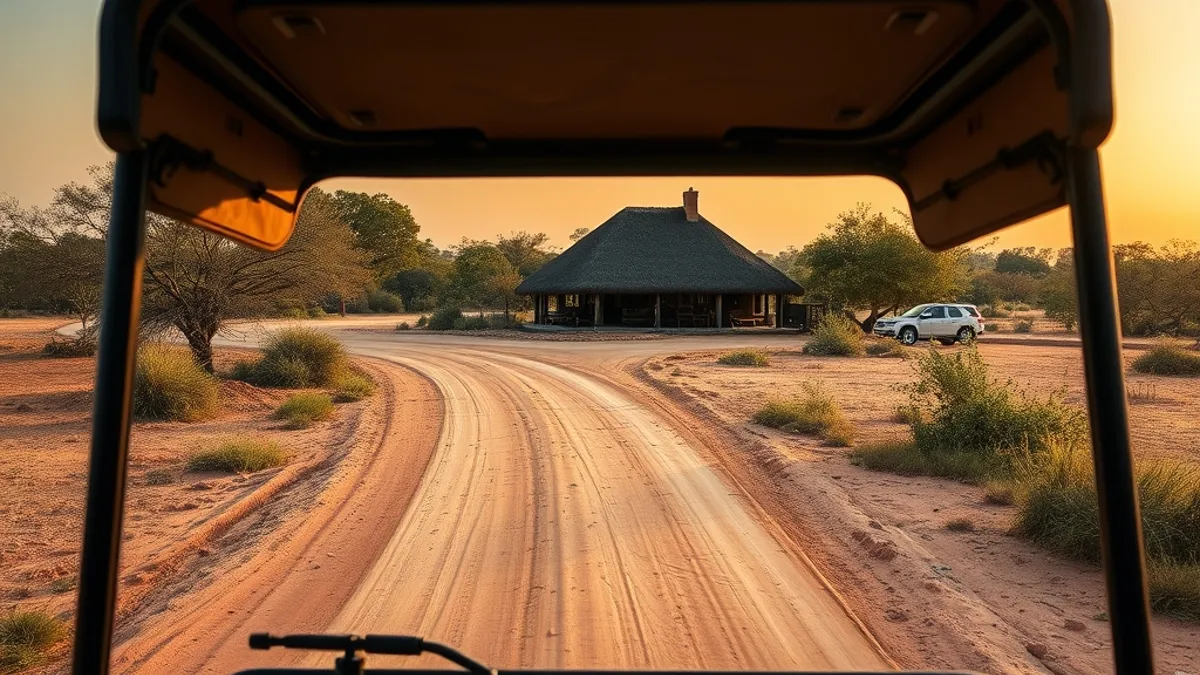
Then there is the travel day. Road transfers from hubs like Maun to Okavango lodges can take 5-8 hours depending on water levels and road conditions, which means you effectively trade a full day of your trip for the lower nightly rate. That can be a fair trade if the journey is part of the appeal, and some travelers build entire trips around the drive, much like the unhurried pace described in spacious homestead stays near safari country. But if your leave is short, that lost day is a real cost that never shows up on the invoice.
Time Trade-Offs: How Each Option Shapes Your Itinerary
Money is only half the equation. The way you travel decides how many hours you actually spend watching animals, and this is where the two styles diverge sharply.
What flying unlocks for your itinerary
Fly-in safaris let you combine two or three camps in a single week because each hop is short enough to fit comfortably into a morning or afternoon. That means a delta water camp, a dry savanna concession and a riverfront lodge can all fit into one trip, giving you varied habitats and different wildlife without sacrificing days in transit. You land, settle in, and are usually out on your first game drive the same day you arrive. If you are pairing a safari with a coastal wind-down afterward, the same logic applies to routes that connect bush and shore, such as the bluewater resorts offering safari elegance and coastal release.
What roads do best
Road itineraries work best as a single-base stay, where you settle into one lodge and explore from there, or as a self-drive route where the journey itself is part of the experience. If you enjoy watching the landscape change, stopping at villages and reading the terrain as you go, driving delivers something a plane never can. You also carry more luggage without penalty, which matters if you travel with camera gear or family essentials. The trade-off is pace: long transfers eat daylight, and dusty roads after rain can slow everything down further.
The simple rule of thumb: the shorter your trip, the more each travel hour costs you in game-viewing time, so flying protects your days. With a week or more to spare, a road-based itinerary starts to make sense because you have the time to absorb the travel days and still see plenty.
Comfort and Wildlife Trade-Offs Between the Two Styles
The biggest difference between the two styles is not the wildlife itself but how you experience it. Remote fly-in camps usually sit inside private concessions, which changes the rules of the game entirely. Because the camp operator controls the land, guides can drive off-road to follow a leopard into thicker brush, and night drives with spotlights become part of the nightly routine. You simply cannot do either in a public park.
Another quiet advantage is space at sightings. In a private concession, you might watch a lion pride for forty minutes with one or two other vehicles nearby, if any. Guides radio each other courteously and rotate positions, so the experience feels personal rather than staged.
Road-access lodges near public parks still deliver excellent game viewing, and for many travelers the lower cost outweighs the compromises. But you share the road network with self-drivers and other operators, and popular sightings can attract a line of vehicles. Park rules typically require you to stay on designated tracks and return to the gate before dark, which shortens your game-drive day.
Luggage is the trade-off most people discover too late. Pack accordingly:
- Light aircraft typically enforce a 12-20 kg limit per person, and bags must be soft-sided so they fit into a small baggage pod; hard-shell suitcases can be refused at the airstrip.
- Camera gear counts toward your allowance, so a long lens plus a second body may force you to leave clothing behind or pre-book an extra seat for equipment.
- Most camps offer same-day laundry, which lets you pack for three or four days regardless of trip length.
- Road travel has no practical luggage limit, so if you are bringing a cooler, camping gear or multiple cases, a road-access lodge removes that stress entirely.
When Each Option Makes Sense: Seasons and Budgets
Season is the single biggest lever on what you pay. From June to October, Botswana and northern Zimbabwe hit peak dry season: water sources shrink, animals gather along rivers and channels, and game viewing is at its most concentrated. This is exactly when a fly-in splurge pays off, because remote concession camps put you close to that wildlife drama. The catch is demand. For high-season travel, book fly-in camps 9-12 months ahead, especially small camps with only a handful of rooms.
From November to March, the equation flips. Rates typically drop 20-40%, the landscape turns green, and camps that felt out of reach become genuinely affordable on a mid-range budget. You trade some wildlife concentration for lower prices, newborn animals, and superb birding as migratory species arrive. Afternoon thundershowers are part of the deal, but they rarely disrupt a whole day.
Road-access lodges follow the same seasonal pricing logic but reward a different trip shape. They suit longer stays of 7-10 nights, where keeping daily costs down matters more than saving travel hours. A few practical pointers:
- Shoulder months at the edges of each season can offer a middle path: better rates than peak with game viewing that is still strong, though availability varies by camp.
- In low season, some fly-in camps run discounted stay-longer offers, so asking about a four-night rate can stretch value further than the standard nightly discount.
- Road lodges near main parks also fill up in high season, but they often need only 3-6 months of lead time rather than nearly a year.
- If your dates are fixed to school holidays in June-August, start planning fly-in travel at the earliest possible moment, since family-sized rooms sell out first.
How to Choose Between Fly-In Safaris and Road-Access Lodges
Start with your trip length, because it eliminates half the decision on its own. On a short safari, flying is almost always the right call. A light-aircraft hop from Maun or Victoria Falls puts you in camp the same day, while a road transfer can swallow an entire arrival day. On a short trip, every hour in a vehicle is an hour not spent on game drives, and a generous per-night budget opens up exclusive concession camps where off-road tracking and night drives come standard.
When road-access wins
If your trip runs a week or longer, the math shifts. Road-access lodges carry a much lower nightly rate, and spreading that rate across more nights means more total safari for the same overall spend. It also helps if you genuinely enjoy the drive itself: long transfers through changing countryside, self-drive freedom, and the sense of covering real distance are part of the appeal for many travelers, not a cost to be minimized.
The hybrid approach
You do not always have to pick one. A common hybrid pairs one fly-in leg, typically a remote delta camp for two or three nights, with a road-based stay near a main park for the rest of the trip. You get the concession experience and the exclusivity where it counts most, then keep costs controlled on the longer portion. Ask operators about combining the two in a single itinerary; many will quote the whole trip and handle the connections, which removes the coordination work from your plate. If the quotes come back higher than expected, trimming a night from the fly-in leg usually saves more than cutting a night from the road portion.
The Bottom Line on Fly-In Safaris vs Road-Access Lodges
So is flying into a remote lodge worth several times the price of a road-access safari? Fly-in safaris buy time, exclusivity and all-inclusive simplicity at USD 800-1,500 per night. You skip the 5-8 hour road transfers, land at camps inside private concessions, and know that flights, meals, game drives and park fees are already covered in one quoted price.
Road-access lodges trade travel hours and add-on fees for nightly rates of USD 250-600, which suits travelers happy to share sightings and spend more nights for the same budget. In the end, your trip length, season and appetite for long drives decide which trade-off suits you. If this helped you weigh the options, leave a comment or share the article with a fellow safari planner.