Picture the moment: you have found the perfect lodge for a July safari week or a Christmas ski trip, and then the booking conversation turns to money. When is the deposit due, how much is it, and how long do you have to pay the balance? If you are not sure, you are in good company, because lodge deposit schedules confuse even experienced travelers.
The rules vary more than most people expect. Peak-season deposits are usually larger and due faster than off-season ones, and the best weeks often open for booking more than a year in advance. This guide walks through what lodge deposit schedules actually look like, how far ahead safari and alpine lodges release their peak calendars, and the specific timelines that apply to each. We will also cover minimum-stay rules that inflate deposits, and simple ways to plan your cash flow so nothing catches you off guard.
What Lodge Deposit Schedules Actually Look Like
Most lodges keep payment simple in principle: you pay a deposit when you book, and the balance closer to your arrival date. That two-step structure gives the lodge some security on a high-demand reservation while giving you time to organize the rest of the payment. The details, though, shift noticeably depending on when you plan to travel.
Peak-season deposits
For the weeks everyone wants, peak-season deposits commonly run 30-50% of the total stay value, and lodges typically expect payment within days of confirming rather than weeks. On a longer stay, that can be a significant sum, so it is worth having funds ready before you commit. Some lodges hold your dates for a short courtesy period, often just a few days, before releasing them if the deposit has not arrived.
Shoulder-season terms
Travel in quieter months and the picture softens considerably. Shoulder-season deposits are often around 20-30%, and lodges tend to be more negotiable on timing and payment structure because they are working harder to fill rooms. This is the window where it is reasonable to ask for a smaller upfront payment or a slightly later balance due date, and many lodges will say yes. Always confirm the exact percentages and deadlines in writing when you book, since terms can differ even between lodges in the same area.
How Far Ahead Peak Season Bookings Open
If you have your heart set on a specific peak-season week, the calendar starts earlier than you might think. Top safari and alpine lodges often release their peak calendars 12-18 months in advance, which means the booking window for next year’s best weeks is already open while many travelers are still deciding. Return guests and repeat agencies frequently reserve these slots first, so availability can tighten quickly after release.
Which weeks sell out first
On the safari side, July to September weeks go fastest, coinciding with peak game viewing in much of southern and East Africa. Alpine lodges see the same rush for mid-December to early March ski weeks, with the holiday period at the very front of the queue. If you are flexible by even a week or two, you will often find better availability and sometimes better rates.
Booking 9-12 months out usually secures your choice of room categories, which matters more than many people realize. At smaller lodges with a handful of units, the difference between booking early and late can mean a private unit with a view versus whatever remains. For a sense of what safari country offers outside the absolute peak rush, consider options like spacious homesteads near safari country. Inside 6 months, expect limited inventory, fewer room choices, and less room to negotiate on deposit terms.
Deposit Timelines for Safari Lodges
Safari lodges during the June to October dry season are the definition of high demand, and July to September sits at the very top of that curve. These weeks typically trigger the highest deposit percentages at confirmation, often at the top of the usual peak-season range, because the lodge knows the best rooms will fill regardless of pricing. Expect to commit a substantial share of the stay value within days of booking, not weeks, and be prepared for that request to arrive before you have finished planning the rest of the trip. If you are traveling with a group or need a specific room category, that early commitment is usually what locks in your first choice rather than a fallback.
Balance due dates are also tighter than what you would find at a city hotel. Final payments at safari lodges typically fall 30-60 days before arrival, and lodges with strict cancellation policies will rarely extend that window, even for loyal repeat guests. Mark the date immediately when you book and set a reminder a week ahead. If your trip extends to the coast afterward, pairing safari time with a stay at one of the bluewater resorts in South Africa is a popular way to end a long-haul itinerary, and it gives you a second set of payment dates to track alongside the lodge’s.
Deposit Timelines for Alpine and Snow-Season Lodges
Alpine lodges run on a very different clock from safari camps, and the holiday weeks are the reason. Christmas and New Year weeks sit at the top of the demand curve, and many snow-season properties ask for full or near-full payment earlier than any other dates on their calendar. In some cases, the entire holiday-week amount is due at booking, with no deposit-and-balance split at all. Easter can carry similar weight in resorts where spring skiing is strong.
Outside those peak holiday weeks, the standard lodge pattern applies: a deposit at confirmation and the balance closer to arrival. That gives you a little breathing room compared to holiday weeks, but not much, so it pays to know your dates before you commit. Ask in writing exactly when each payment lands, and whether the balance date shifts if you book late in the cycle.
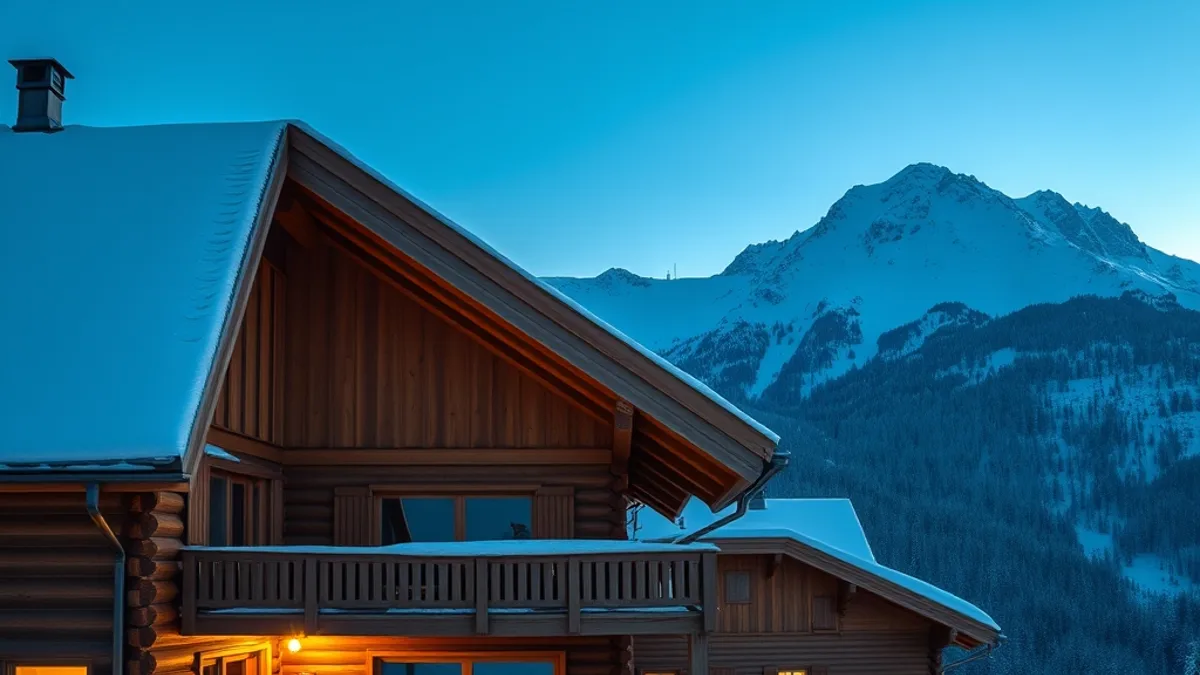
Timing shapes everything. The alpine ski season runs from mid-December to early March, and the weeks you choose directly influence the payment terms you’ll be offered. If your dates are flexible, January and late-season stays often come with softer requirements, smaller deposits and more room to negotiate. For a sense of what well-positioned alpine properties look like, browse these Swiss alpine estates with timber warmth and snow-crisp views before you lock in a week.
- Ask specifically whether your quoted rate is per night or per week, since holiday-week pricing is often packaged as a flat weekly rate with different payment rules than nightly bookings.
- If you’re booking through a chalet agency rather than directly with the lodge, confirm whether the agency’s payment schedule matches the property’s, as intermediaries sometimes require funds earlier to secure the dates.
- Early-season and late-season weeks may also depend on snow conditions, so ask what happens to your deposit or balance if the property adjusts operations at the edges of the season.
- Ski-in properties and those with limited lift access tend to hold firmer payment terms than village-based lodges, since their inventory is scarcer during holiday weeks.
Minimum Stays and Holiday-Week Rules That Affect Deposits
Holiday weeks change the math on lodge deposits in two ways: they raise the total you’re committing to, and they sometimes change how you’re allowed to pay it. Christmas, New Year and Easter weeks frequently carry minimum-stay requirements of 5-7 nights, which means your deposit is calculated on a much larger base than a standard three-night getaway.
That minimum-stay rule is worth understanding before you fall in love with a property. A 40% deposit on a five-night holiday booking is a significantly larger upfront payment than the same percentage on a shorter stay, so run the numbers on the full amount before you confirm.
When the Full Amount Is Due Upfront
Some lodges treat holiday weeks differently from the rest of their calendar and require the full amount at booking rather than a deposit and balance. This is most common for the tightest weeks of the year, where demand is so strong that properties would rather have complete payment than manage a balance collection months later. Always ask directly whether your specific dates fall under this rule, because it isn’t always stated clearly on rate sheets.
Check What’s Included Before You Pay
Before you send that deposit, confirm whether any minimum-stay surcharges are already built into the quoted rate. Some properties price holiday weeks at a premium nightly rate that already reflects the peak, while others add a separate supplement on top. If the surcharge is added later, your final balance will be higher than you planned for. A short email asking for a full cost breakdown, including all supplements and taxes, takes two minutes and prevents an unwelcome surprise when the balance comes due.
How to Plan Cash Flow Around Deposit Due Dates
A lodge booking is really a series of payment deadlines, not a single transaction. Get organized at the moment you confirm, and the whole schedule becomes routine rather than a source of stress. Here is a simple five-step approach that works whether you’re booking a safari camp for the dry season or an alpine lodge for the heart of ski season.
- Diary the deposit date immediately. Note the amount, the percentage of the total it represents, and how many days you have after confirmation to get it paid. Some lodges expect funds within days, not weeks, and hold dates only provisionally until the money actually arrives.
- Record any interim payment. Longer stays and some multi-lodge itineraries include a mid-way payment between the deposit and the balance. If your confirmation letter mentions one, put it in your calendar with a reminder a week ahead so you’re never caught short.
- Block out the final balance deadline. Missing the balance date can put your booking at risk, and the window is often shorter than you’d expect compared with city hotels. Set the reminder for the earliest point in the window, not the latest, and confirm the exact due date in writing with the lodge.
- Ask about instalment options for long stays. If your trip runs above roughly two weeks, many lodges will split the balance into two or more payments. This is rarely offered unless you ask, so raise it when you confirm the booking. It can also help spread costs across two lodges on a longer itinerary.
- Confirm the cancellation window before the balance is due. Refund terms usually tighten significantly once the balance is paid, so know exactly where that line sits. If there’s any chance your plans could change, it may be worth paying the balance at the last permissible moment rather than early.
Ten minutes with a calendar at booking stage protects both your dates and your money, and it makes every later payment a non-event.
Wrapping Up Your Deposit Plan
Wondering when your money actually leaves your account for a peak-season lodge stay? Here is the short version: plan on a deposit of roughly 30-50% of your stay value at booking, with the remaining amount clearing about one to two months before check-in. Timing matters too. Safari lodges serving the June to October dry season and alpine lodges covering the mid-December to early March ski window often release their calendars 12-18 months ahead. Committing early does more than secure your dates; it usually gives you a wider choice of rooms and more negotiable payment terms.
The good news is that none of this needs to feel complicated. Once you have confirmed a booking, write down three dates: the deposit, any interim payment, and the final payment. That simple due-date calendar turns deposit schedules from a source of stress into a routine you can plan around. If this helped you plan your own trip, leave a comment or share the article with a fellow traveler.