You are standing at the check-in desk, tired after a long flight, when the receptionist offers an upgrade to the hotel executive floor for an extra nightly charge. It sounds tempting: a private lounge, free breakfast, evening drinks. But is it actually worth the money, or are you about to pay a premium for a slightly higher view and a fancy keycard?
This guide breaks down exactly what a hotel executive floor is, which perks you can realistically expect, and what the upgrade typically costs. You will also find honest advice on when the executive floor pays off, when you are better off skipping it, and how to check the details with the hotel before you book. By the end, you will know whether to say yes at that desk or keep your money for something you will actually use.
What Is a Hotel Executive Floor?
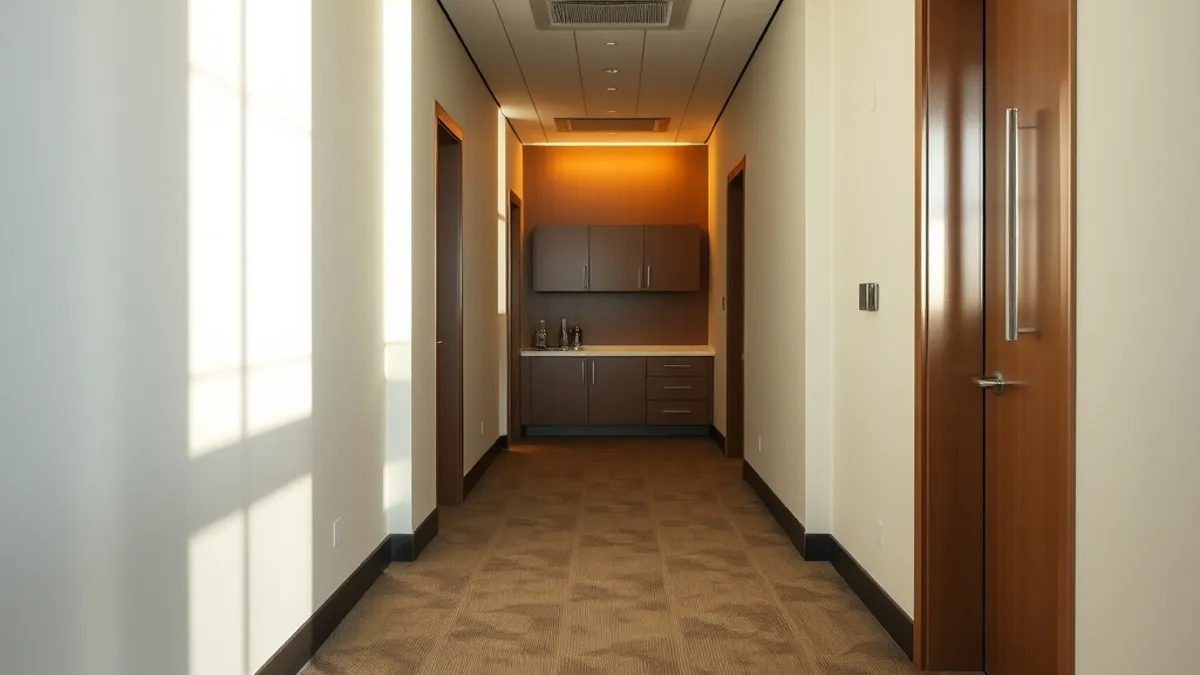
An executive floor is a separate, higher-level wing of a hotel, usually occupying the top 2-4 floors, that is sold as its own premium room category. When you book an executive room, you are not just getting a higher view. You are buying access to a restricted zone of the hotel with its own set of services attached.
Access is controlled by keycard. Your room key opens the elevator gate or stairwell door to the executive floors, and non-executive guests simply cannot get up there. The same keycard controls entry to the private lounge, which is the heart of the whole concept.
What you actually get for the upgrade
Here is the part that surprises many first-time buyers: the rooms are often the same size as standard rooms in the same hotel. The bed, the bathroom and the view may be identical or only marginally better. The real difference is the services attached, especially the private lounge with its complimentary food and drinks, plus practical perks like faster check-in and late checkout on request.
You will find executive floors most often in full-service business hotels, where they are aimed at corporate travelers who value convenience and a quiet working environment. Chains like Marriott, Hilton, IHG and Shangri-La all operate executive floor products across their flagship city properties, though the exact name and package vary by brand and country. Some call it a club floor, others a tower wing, but the underlying formula is the same.
Executive Floor Perks You Can Actually Expect
The executive lounge is where the upgrade earns or loses its money. Most lounges serve a complimentary breakfast in the morning, typically from around 6:30 to 10:30 am, which is convenient if you have an early meeting or a tour to catch. In the evening, the lounge usually opens for drinks and canapés for about two hours, commonly 5:30 to 7:30 pm, and this service often includes alcohol, which is where a couple can rack up real savings.
Between those two services, most lounges stay open all day with coffee, tea, snacks and newspapers available for free. Some hotels also throw in free non-alcoholic minibar items in your room. On the practical side, executive floor guests often get late checkout on request, a faster check-in process, small meeting space in the lounge and concierge-style help from lounge staff. If you are comparing hotels for a leisure trip, these same perks can matter at resort properties too, as we describe in our guide to Marbella sanctuaries with sea breezes and private poolside calm.
A few ground rules apply to who can use the lounge, and they are worth knowing before you book:
- Children under 12 usually enter free when the adults in the room hold executive floor access, making family upgrades less painful than they first appear.
- Extra guests are often capped at 2 per room per day, so a room of four or more may need to pay additional access fees for everyone to use the lounge.
- Guest policies vary by hotel even within the same chain, so it pays to confirm the exact cap and age limit for your specific property before arrival.
What an Executive Floor Costs and How to Pay Less
So what does all this cost? Expect a premium of roughly $50-150 per night over a comparable standard room in the same hotel. The exact figure depends on the city, the hotel category and demand, but that range is a realistic planning number for most full-service properties.
Ways to pay less
The simplest saving is to book direct with the hotel. Direct executive rates are often cheaper than third-party upgrade offers, because the hotel controls its own inventory and pricing for the executive category. Before you click buy on a pre-paid upgrade through a booking site, check the hotel’s own website for the same room type.
Also ask about bundle rates that include lounge access, rather than paying for it as an add-on at check-in. Some hotels sell a rate that bundles the executive category with breakfast, parking or transfers, which can work out cheaper than buying the lounge access separately when you arrive.
Finally, check your loyalty status. With several major chains, mid-tier and top-tier elite members can unlock lounge access without buying the executive category at all, sometimes with a discounted upgrade attached. If you stay with one chain regularly, your status may be the cheapest ticket to the lounge you will ever find.
When the Executive Floor Pays Off
For a certain type of traveler, the executive floor is not a splurge but a practical upgrade that quietly pays for itself. The key is matching the perks to how you actually spend your evenings and mornings on the road. If you rarely use a hotel lounge, you are just buying a more expensive keycard. But if the lounge fits your routine, the math gets interesting fast.
Start with business travelers. If you answer emails after dinner or prep for morning meetings, the lounge becomes a free office: Wi-Fi that usually works better than the lobby’s, coffee on tap, and a quiet table instead of a noisy bar. Add free breakfast and you have trimmed two daily expenses before you have even left the building.
Couples on short city breaks are the other clear winners. Two people eating a free breakfast every morning, plus a couple of hours of evening drinks and canapés, can offset a large share of the nightly premium. Beyond the savings, there is the simple comfort factor. Some travelers just want to get back to their floor without crossing a crowded lobby, and a keycard-controlled wing delivers that.
- Evening workers: Lounge Wi-Fi and desk space mean you can finish a video call or clear your inbox without paying for a coworking day pass or hogging a café table.
- Couples on two- to three-night city trips: Two breakfasts plus two rounds of evening drinks per person can add up to real money saved, especially in expensive cities where a hotel breakfast alone can run high.
- Noise-sensitive travelers: Executive wings on the top floors tend to have less street noise and less foot traffic than standard floors near elevators and event spaces.
- Longer stays: On trips of 3 nights or more, the daily breakfast and drinks savings compound, so the upgrade often works out cheaper per night than buying these items separately.
When You Are Better Off Skipping It
Just as many travelers overpay for executive floors as genuinely benefit from them. The perks only have value if you are actually around to use them, and some hotel setups quietly undermine the whole proposition. Before you click the premium room category, think honestly about how you use a hotel.
Resort stays are the classic mismatch. If you booked the trip for the pool, the beach and the spa, you will be out of the building during the exact windows when the lounge serves breakfast and evening drinks. You would be paying extra for a room you barely sit in and a lounge you never visit.
Families should also do the math carefully. Lounge access is usually capped at a small number of accompanying guests per room per day, so a family of four or five may need to buy extra access or split up at breakfast. Those add-on fees can erase any savings in a single morning. And not all lounges are created equal: some close entirely between breakfast service and the evening drinks window, leaving you with little beyond the morning meal.
- Beach and pool-focused trips: Lounge food service is concentrated at breakfast and in the early evening, which is exactly when you will be outside or at the swim-up bar anyway.
- Families of three or more: Children under 12 often enter free, but teenagers and additional adults usually count against the guest cap, triggering per-person fees that stack up nightly.
- Lounges with limited hours: If a lounge shuts between services and offers no all-day coffee or snacks, you are effectively paying a premium for breakfast alone.
- One-night stopovers: On a single evening arrival and morning departure, you might catch one breakfast and maybe one drinks hour, which rarely justifies the upgrade.
How to Check the Executive Floor Before You Book
Executive floors vary more than almost any other hotel upsell, sometimes even between two properties of the same chain in the same city. One hotel’s lounge may serve a generous breakfast and a proper evening spread, while a sister property a few kilometers away offers a tired buffet and a two-hour drinks window that ends before you get back from dinner. The published room description rarely tells the whole story, so a few minutes of checking before you book can save you from an expensive disappointment. Here is how to verify what you are actually buying.
- Contact the hotel directly. Email or call and ask three specific questions: the lounge’s exact opening hours, whether alcohol is included in the evening service or costs extra, and how many guests per room get access. Written replies are useful if anything is disputed at check-in, so ask for confirmation by email where possible.
- Read recent reviews with the lounge in mind. Search guest reviews specifically for mentions of the lounge, the breakfast spread and the evening canapés. Quality varies widely even within the same chain, and reviews from the last few months are far more reliable than the hotel’s own photos.
- Clarify the breakfast arrangement. Ask whether lounge breakfast replaces the main restaurant breakfast or whether you can choose either one. In some hotels the lounge spread is noticeably smaller, and you want to know before you commit.
- Ask about renovations. If the lounge is scheduled for refurbishment during your stay, hotels sometimes offer downgraded temporary perks or a different floor entirely. Knowing this in advance lets you decide whether to book a different room category instead.
One short email covering these points usually gets a clear answer within a day or two. If the hotel is vague about lounge hours or guest caps, treat that itself as a signal and compare another property before you commit to the premium rate. A little homework here matters more than with almost any other upgrade, because the value of an executive floor lives or dies on the quality of its lounge.
The Bottom Line on Executive Floors
So, is that upgrade button at checkout worth pressing? An executive floor is essentially lounge access plus a quieter location, not a bigger room. If free breakfast, evening drinks and a calm space to work or unwind fit your travel style, the $50-150 nightly premium can pay for itself quickly.
It makes the most sense for business travelers, couples on short city breaks and stays of 3 nights or more, where the daily savings compound fastest. It is easy to skip on resort trips, for larger families and on one-night stays, when you will barely use what you paid for. A quick check of lounge hours and recent guest reviews before booking usually settles the question. If this helped you decide, leave a comment or share the article with a fellow traveler.