You find a room at a great nightly rate, book it, and feel like you won. Then checkout arrives, and the bill is noticeably higher than the price you thought you agreed to. The culprits are hotel taxes and resort fees, which are added on top of the advertised rate and can quietly change what your stay actually costs.
This guide walks you through the whole picture. We explain what counts as a hotel tax, from occupancy taxes to value-added tax, and look at resort fees and other mandatory add-ons that appear on bills around the world. We show where these charges hit hardest, how to find the true total before you book, and practical ways to reduce or avoid extra fees. Finally, we cover how to check your bill at checkout and what the real price behind the rate looks like. By the end, the number you see when booking should be much closer to the number you pay.
What Counts as a Hotel Tax
Every time you pay for a hotel room, you are almost always paying more than the rate shown in the search results. The most common addition is an occupancy tax, sometimes called a lodging tax, which is charged by cities, regions or countries as a percentage of, or flat fee on, your room rate. It is a legal charge, not something the hotel invented, but it still lands on your bill.
City taxes in Europe
Many European cities charge a city tax per guest, per night. The amount typically runs from around €1 to €7 per person per night, and it is often scaled by hotel rating, so a five-star stay costs more in tax than a one-star room. For a family of four, this can add up over a week. In some destinations, the city tax is collected in cash at check-in rather than added to your bill, so ask in advance.
Room taxes in the United States
In the US, state and local room taxes stack on top of each other. In places like Las Vegas and Hawaii, the combined room taxes can exceed 13-17% of the base rate, which is a meaningful jump on a several-hundred-dollar room.
One thing that works in your favor: in many countries, value-added tax is already baked into the quoted rate. There, the sticker price is the taxed price, and the extra charges you see at checkout are separate local fees rather than a surprise tax.
Resort Fees and Other Mandatory Add-Ons
Taxes are only half the story. Many hotels, especially at resorts, add mandatory fees that are not taxes at all but charges the property itself imposes. The best known is the resort fee, which typically ranges from $20 to $50 per night at US resort destinations. It covers things like pool access, wifi, the gym and beach chairs, whether you use them or not. Some properties bundle parking, phone calls or even a morning coffee into the fee as well.
Some US resort towns layer even more on top, with destination marketing fees and energy surcharges appearing as separate line items. Apartment-style properties and villas commonly add housekeeping or cleaning fees instead, charged once or per stay depending on the property.
- Per-night math: mandatory fees are usually charged per night, not per stay, so a week-long visit multiplies the impact. A $30 nightly fee becomes $210 over seven nights.
- Non-negotiable status: these fees are mandatory, meaning you cannot opt out by skipping the pool or bringing your own beach towel, and they are rarely included in the headline rate on the hotel’s own site.
- Tax on the fee: in many places, the resort fee itself is taxed, so the real cost per night is slightly higher than the fee printed on the sign at the front desk.
Because these charges are per night, the longer you stay, the more they matter. A fee that looks trivial on a one-night booking can rival the cost of an extra night entirely on a longer trip. The same applies to per-person levies collected in cash at check-in in some destinations, so ask at the front desk exactly how each charge will be collected and keep every receipt until your card statement looks right.
Where Hotel Taxes and Resort Fees Hit Hardest
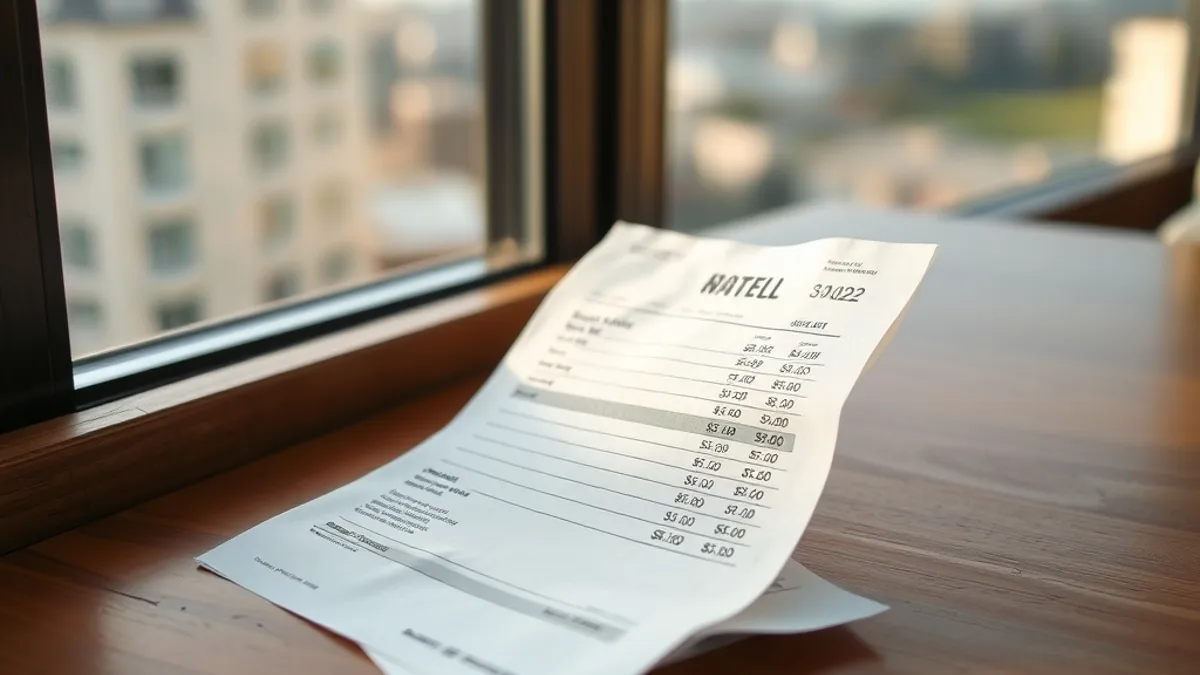
Not all destinations hit your wallet equally. In the United States, resort destinations like Las Vegas, Hawaii, Orlando and Miami combine high room taxes with resort fees, so you often face both a percentage charge and a flat nightly fee on the same bill. Because these charges stack on top of each other, the gap between the advertised rate and the real total can be substantial in these markets.
Per-person taxes in Europe
European cities such as Venice, Barcelona and Amsterdam charge city taxes per person, per night, with the amount varying by city and hotel rating. Because the tax is per person, it is especially steep for families. A couple pays double what a solo traveler pays; a family of four pays four times as much, every single night. In some destinations, the city tax is collected in cash at check-in rather than added to your bill, so keep some local currency on hand.
Resort regions and budget stays
Caribbean and Mexican resorts often quote an attractive rate up front, then present a stack of local levies at checkout, from occupancy taxes to environmental or tourism charges. Ask before you book exactly which mandatory charges will appear on the final bill, and confirm them in writing.
Budget city breaks deserve a special mention. A small nightly tax sounds minor on paper, but on a cheap room it can represent a noticeable share of the total, while the same fee barely registers on a luxury suite. The lower your nightly rate, the more these fixed charges inflate your effective price per night, so budget travelers have the most to gain from comparing total prices rather than headline rates.
How to Find the True Total Before You Book
The nightly rate on the first search page is rarely what you actually pay. Between room taxes, resort fees and small local surcharges, the final bill can come out noticeably higher than the number that caught your eye. This is not because hotels are hiding anything sinister; it is simply that most platforms display the bare room rate first, and the extras get added further down the booking path. The good news is that a few minutes of checking before you commit can save you an unpleasant surprise at the front desk. Here is how to do it.
- Use the total-price display on booking platforms. Most major booking sites let you toggle a filter that shows the full price including taxes and mandatory fees rather than the bare nightly rate. Switch it on before comparing hotels.
- Switch the currency filter to compare fairly. If you are comparing a US site priced in dollars against a European one priced in euros, exchange rates and rounding can distort the picture. Set every platform to the same currency so you are comparing like with like.
- Read the fine print on the hotel’s own site. When you book direct, mandatory fees are usually disclosed in the rate details or terms section. Look for phrases like “daily resort charge” or “taxes and fees not included” before you enter payment details.
- Email or call the property to confirm every mandatory charge. If you are booking 2-3 months out, you have time to get written confirmation of the room tax, resort fee and any local levies. Ask specifically for the total per night including all mandatory charges.
- Screenshot the quoted total. Save the confirmation page and any emailed quotes. If the amount at checkout differs from what you were promised, that screenshot is your best evidence when you dispute the charge.
It is also worth remembering that some destinations collect the city tax in cash at check-in instead of adding it to your bill, so it may never appear in an online quote at all. Keep a little local currency handy for exactly this reason, and ask at the desk if you are unsure what you are being charged for. Building this habit of verifying totals takes less time than unpacking, and it means the number you budgeted is the number you pay. The travelers who get stung are usually the ones who only looked at the headline rate and assumed the rest would sort itself out.
Ways to Reduce or Avoid Extra Fees
Extra fees are not entirely avoidable — taxes are taxes — but the avoidable ones can be planned around with a little strategy. Some of the most effective tactics cost nothing at all beyond choosing your hotel differently. Others simply require knowing which questions to ask before you commit, and a few minutes of checking can save you a genuinely annoying surprise at the front desk. The trick is to treat the advertised rate as a starting point rather than the final number, and to weigh every option on the full amount you will actually pay, including any mandatory add-ons the property tacks on at checkout.
- Book with loyalty program status. Several major hotel chains waive resort fees for elite-tier members, even on award stays. If you travel to resort destinations regularly, concentrating your stays with one chain can pay for itself in saved amenity fees alone.
- Choose boutique hotels, guesthouses or inns outside resort zones. Properties that do not operate pools, gyms and private beach clubs rarely charge amenity fees, because there is nothing to bundle. Staying a short walk or a tram ride from the resort strip often means a lower room rate and no nightly add-on at all.
- Compare city-tax-inclusive quotes when traveling in Europe. Some European booking platforms show the city tax upfront in the total, while others add it at the property, sometimes in cash at check-in. Since the tax is charged per person per night, the difference across a family can be meaningful, so make sure your comparison includes it on both sides.
- Consider vacation rentals for longer stays. An apartment or villa typically charges a one-time cleaning fee instead of a nightly resort charge. On a week-long stay, that single fee can work out far cheaper than a per-night surcharge, though it may not on a two-night trip, so do the math for your actual length of stay.
None of these tactics requires sacrificing much comfort. Often the guesthouse a few blocks inland is more charming than the resort anyway, and the money you save on fees goes toward dinner instead. The key is to run the numbers on the full total, not the advertised rate, for every option on your shortlist — and to book early enough that you have time to compare properly across platforms rather than grabbing the first rate you see.
Checking Your Bill at Checkout
Checkout is your last chance to catch billing errors before your card is charged and the paperwork gets complicated. Front desk mistakes happen more often than you might think, especially at busy properties with hundreds of daily departures. Lines move fast, staff are juggling late checkouts and new arrivals, and small errors slip through unnoticed. A short review the evening before can save you a long, frustrating dispute afterward, so build it into your last night rather than leaving it to a rushed morning.
- Request an itemized folio the night before departure. Ask the front desk to print or email your bill so you can review every line calmly, without a queue behind you. Early mornings are hectic at most hotels, and errors are far easier to fix when there is time to spare and the night auditor is on duty.
- Question charges you did not authorize. Common culprits include minibar restocks you never touched, duplicate postings of the same fee, and meals or spa services billed to the wrong room. Ask for the charge to be removed on the spot if it is not yours.
- Verify the resort fee and room tax match your booking quote. Compare each line against the total you confirmed when you booked, since mandatory charges are usually applied per night and can add up quietly across a week. If you took a screenshot of the quoted price, this is exactly the moment it earns its keep — show it and ask for the bill to be corrected.
If you spot a discrepancy after you have already left, contact the hotel in writing as soon as possible with your confirmation and folio attached. Keep copies of everything, including the corrected receipt if the front desk reissues it. Card issuers can also help dispute charges that do not match the agreed rate, though most disputes resolve faster directly with the property. Checking your bill takes five minutes and closes the loop on everything you did before booking — the whole point of confirming mandatory charges upfront is so this final step stays quick and painless.
The Real Price Behind the Rate
That attractive nightly rate is rarely the whole story. Between room taxes and mandatory charges like resort fees, the final bill often lands 10-30% higher than the price that caught your eye. The number worth comparing is never the headline rate — it’s the total, buried in the fine print of the booking page.
The good news is that this problem is almost entirely avoidable. Compare total prices across platforms, confirm every mandatory charge with the property before you book, and keep a screenshot of the quoted amount. Do those things, and checkout becomes a formality instead of a shock. If this helped you decode your last hotel bill, leave a comment or share the article with a fellow traveler.