Choosing where to go glamping in Ireland can be surprisingly tricky. The Atlantic coast promises windswept cliffs, crashing surf and skies that change by the hour, while the inland lakelands and forests offer calm water, sheltered valleys and easier driving. Both sound wonderful, and that is exactly the problem: most travelers only have one trip to spend.
This guide breaks the decision down. We compare the signature coastal stretches of the Wild Atlantic Way, the rugged mix of bog and ocean around Connemara, and the quieter inland options among the lakes and Wicklow hills. You will also find practical advice on matching your stay type to the season, when to book for summer, and what to pack so Irish weather never catches you out. By the end, you should know whether your ideal night is spent in a clifftop dome or a cozy pod beside a still lake.
Why Glamping in Ireland Suits Both Coast and Countryside
Ireland is small enough that you rarely have to choose definitively between coast and countryside. Coastal and inland glamping areas are typically no more than a half-day drive apart, so a trip built around the Atlantic can still end with a sheltered night among the lakes, and vice versa. That compact geography is one of the country’s biggest advantages for a glamping break.
The variety of accommodation is just as broad. Geodesic domes with panoramic windows, safari tents with proper kitchens, treehouses tucked into woodland, and cozy timber pods with insulated walls are all well established across the country. Standards vary between sites, so it pays to check what each one includes before booking.
Coast or countryside: what each actually delivers
The west coast delivers drama and weather in equal measure. Atlantic fronts roll in fast, the light shifts constantly, and a storm watched from inside a solid dome becomes part of the experience rather than a problem. If your idea of a memorable trip involves raw scenery and the sound of surf, the coastal counties will reward you.
Inland areas trade those views for stillness and shelter. Lakeside sites sit in calmer air, forests buffer the wind, and evenings tend to be quieter overall. Conditions inland are also gentler on lighter structures, which is why many inland sites can stay open comfortably through more of the peak season from May to September. Neither option is better; they simply suit different moods, and the rest of this guide helps you match the right area to yours.
Wild Atlantic Way: Ireland’s Signature Coastal Glamping Areas
The Wild Atlantic Way stretches roughly 2,500 km along Ireland’s west coast, and glamping sites cluster along its most scenic stretches. Three counties stand out for different reasons: Kerry for drama, Clare for otherworldly limestone, and Donegal for sheer remoteness. Each offers a distinct version of the Atlantic experience, so it is worth matching the county to the trip you want rather than picking blindly.
County Kerry and the Dingle Peninsula offer clifftop and bay-view sites within reach of the Skellig coast. Waking up looking over Dingle Bay, with the option of a boat trip toward the Skellig Islands on a calm day, is hard to beat. County Clare sites near the Burren and the Cliffs of Moher combine limestone pavements with full Atlantic exposure, so you can walk strange lunar-like terrain in the morning and watch waves hit cliffs in the afternoon.
County Donegal, in the northwest, is the wildest and quietest stretch of the coast. It suits remote domes and beach-side pods best, and you will share the beaches with far fewer people than further south.
- Kerry: base yourself near Dingle or the Iveragh Peninsula to combine glamping with boat tours toward the Skellig coast, which typically run in fair weather only, so build flexibility into your plans.
- Clare: the Burren’s limestone landscape stays walkable even in cool conditions, making it a good pick for spring and autumn trips when coastal crowds thin out.
- Donegal: distances between towns are longer and facilities sparser, so stock up on supplies before heading to a remote site and expect limited phone signal in places.
Connemara and Galway: Rugged Bogland Meets the Ocean
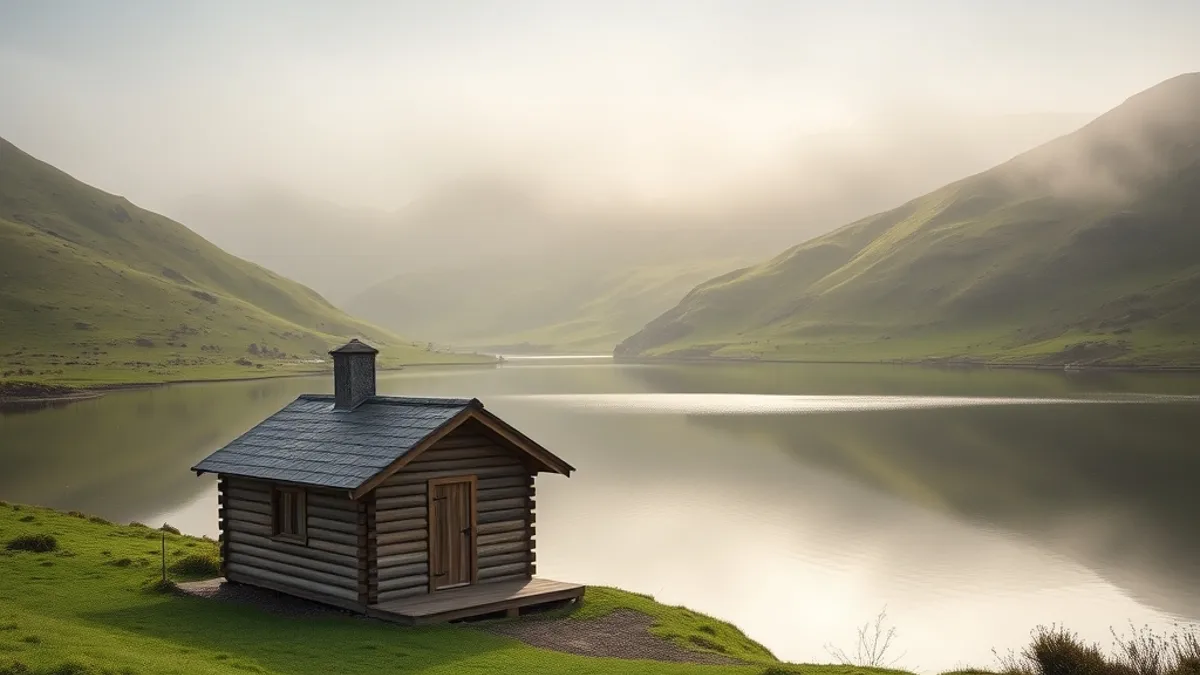
Connemara, in west Galway, is where Ireland’s bogland, mountains and coastline all collide in one compact region. The Twelve Bens rise over blanket bog, narrow roads thread between lakes, and the shore is never far away. This is a landscape for travelers who want weather and solitude as part of the experience rather than something to be protected from. When an Atlantic front rolls through, the light over the bog and mountains is worth every shower.
Galway city works as a convenient base for the region. Most Connemara glamping sites sit roughly one hour away by car, so you can stock up on supplies, enjoy a city evening, and still reach a quiet pod or dome without a long drive. It also makes arrival logistics easy if you are flying in and renting a car.
Choosing a structure that handles the weather
Expect Atlantic fronts to roll in quickly here, sometimes within an hour of a clear sky. That makes your choice of stay type matter more in Connemara than almost anywhere else in the country. Sites with solid structures and stoves outperform open tents in this exposure; an insulated pod or a dome with a wood-burning stove turns a wild night into entertainment rather than an ordeal.
For a closer look at what works in this landscape, see this guide to Connemara hideout homes built for Atlantic weather and deep Irish quiet. Pack waterproof layers year-round regardless of forecast, and treat a changeable day as part of the region’s character rather than a disappointment.
Inland Escapes: Lakelands, Forests and the Shannon Region
If the Atlantic wind sounds exhausting rather than exciting, Ireland’s inland lakelands are the answer. Counties Cavan, Fermanagh and Leitrim share a landscape of slow rivers, Drumlin hills and hundreds of lakes, and glamping sites here sit in calm, sheltered pockets where your tent or pod is far less likely to rattle at 2 a.m. Expect glassy morning water, woodland walks and villages where you can stock up on firewood and local food without a long drive.
The Wicklow Mountains offer a different kind of inland escape: forested valleys, heather-covered slopes and waterfalls, all within about an hour of Dublin. That makes the area ideal for short breaks and weekend trips where you want a night under canvas or in a timber pod without committing to a full road trip. Glendalough and the Wicklow Gap give you hiking options straight from the door of many sites.
There is also a practical advantage to going inland: seasons tend to run longer. With less wind and no salt spray, sites can open comfortably in the shoulder months and stay cosier on cold nights. A few things set the best inland sites apart:
- Lake access: the strongest sites sit within a short walk of the water, so you can swim, kayak or simply fish from the shore before breakfast.
- Sheltered positioning: pods and tents tucked into tree lines or valley hollows stay noticeably warmer at night than exposed pitches on open ground.
- Dark skies: with towns few and far between in Leitrim and Fermanagh, stargazing from a dome or hot tub is a genuine highlight on clear nights.
- Two-country exploring: Fermanagh’s sites put Northern Ireland’s lakes, caves and marble arch country within easy reach of a single base.
How to Choose the Right Area and Stay Type
Choosing between Ireland’s glamping areas comes down to what you want from your days, not just your nights. If scenery, cliff walks and hiking are the priority, point yourself at the west coast. If you want shelter, lakes and an easier drive from Dublin, inland areas make far more sense, with the lakelands typically 1.5 to 3 hours by car from the capital. Neither choice is wrong; they are simply different trips.
Once you have picked a region, match the stay type to the season. An insulated geodesic dome or a timber pod with a stove keeps the shoulder months comfortable, when temperatures drop and Atlantic fronts are common. Safari tents, on the other hand, shine in July and August, when warm nights mean you can leave the mesh open and fall asleep to birdsong instead of a heater fan.
Check the Spec Before You Book
Standards vary widely, and the photos rarely tell the whole story. Rates typically range from €80 to €250 per night depending on stay type and location, and that spread usually reflects what is inside the unit. Before paying a deposit, ask the site directly about three things:
- Heating: a wood-burning stove is a genuine comfort in Irish weather; a thin canvas tent with a fan heater is not.
- Real beds: some luxury domes have proper mattresses and quality linens, while cheaper setups still use camp beds.
- Private bathrooms: an en-suite toilet and shower changes the experience entirely compared with a shared washblock across the field.
A site at the higher end of the price range should be transparent about all three. If the listing is vague, an email will usually clear it up quickly, and operators who answer clearly are often the ones who run the best sites.
When to Book and What to Pack for Irish Glamping
Irish glamping has grown fast, and the best coastal sites sell out well before the summer crowds arrive. For July and August stays, especially anywhere along the Wild Atlantic Way, book 3 to 6 months ahead. Popular domes with sea views can be gone by early spring, so if you have your heart set on a specific site, treat booking like you would a hotel in peak season rather than a casual camping pitch.
Timing your trip around the shoulder of the season often works better than chasing the warmest weeks. Peak season runs from May to September, with July and August the warmest months, but May, June and September strike the best balance of mild weather, open sites and lower rates. Shoulder months like April and October bring fewer crowds and reduced prices, though you will need to accept cooler evenings and a higher chance of rain.
Packing is the same rule every month of the Irish year: prepare for all four seasons in one day. Even in August, a clear afternoon can turn into a wet, windy evening, so layers beat a single heavy coat. Beyond the basics, these items earn their space in the bag:
- Wet shoes or sandals: for walking between pods and washblocks across damp grass first thing in the morning.
- Torch or headlamp: many rural sites have minimal lighting by design, and the walk to the car park is genuinely dark.
- A book or downloaded entertainment: mobile signal can be patchy on the west coast, and that is part of the charm.
- Sunscreen and sunglasses: sea-glare on the Atlantic coast is real, and bright June days catch people off guard.
Planning Your Irish Glamping Route
Choosing between the Atlantic coast and the inland lakelands comes down to the trip you want. The best areas for glamping in Ireland split neatly in two: Kerry, Clare, Donegal and Connemara deliver wild weather, clifftop views and that raw Atlantic drama, while Cavan, Leitrim and Wicklow offer calm lakes, sheltered valleys and easier driving from Dublin.
Whichever direction you lean, two things make the trip work. Book early for summer, since July and August sites on the west coast fill up months ahead, and match your stay type to the season so you are warm and dry whatever the sky does. Pick the area that fits your mood, plan a loose route, and the rest takes care of itself. If this helped you plan your own glamping trip, leave a comment or share the article with a fellow traveler.