Picking a glamping base in the Dolomites sounds simple until you start comparing valleys. One plateau puts trails at your tent door, another requires a scenic drive to every trailhead, and prices can swing widely depending on the season and the area you choose. Glamping in the Dolomites works brilliantly for hikers, but only if your base matches the kind of walking you actually want to do.
This guide breaks down the best areas by hiking access, from the high plateau of Alpe di Siusi to the road-connected valleys of Val Gardena and Val di Funes, and the dramatic terrain around Cortina d’Ampezzo. You’ll also find advice on choosing between tents, lodges and cabins, when to book and what to pack, plus tips on timing your stay for the best combination of open trails and lower rates.
Why Glamping in the Dolomites Works for Hikers
The appeal of glamping here comes down to one simple equation: hotel-level comfort on one side, trailheads on the other. Instead of driving an hour to start your hike, you step out of your tent or lodge and within minutes you’re on a marked path with the pale limestone towers of the Dolomites filling the skyline. Many sites sit within walking distance of lifts and trail networks, or a short drive from them.
It also suits a specific kind of hiker: the one who wants big mountain views and proper days on the trail, but isn’t ready to commit to a rifugio-only itinerary. Sleeping in mountain huts has its charm, but carrying a full pack night after night isn’t for everyone. Glamping gives you a warm bed, hot showers and real meals, while day hikes let you explore a different valley or ridge each morning with a light pack.
When to go for value
Timing matters more than most people expect. June and September offer the best value: trails are noticeably quieter, and rates often drop 20-40% compared to the July and August peak. In September, larch forests turn gold and the air stays clear, while June brings long days and fresh green meadows. Check lift and trail conditions before booking, since opening schedules vary by year.
Alpe di Siusi: High-Plateau Trails from the Doorstep
Alpe di Siusi is Europe’s largest high-altitude meadow, sitting around 2,000 m above sea level with roughly 350 km of marked trails starting near the plateau. That combination is rare: a genuine high-alpine landscape where you barely need to climb to earn the views. Glamping here means your tent or lodge is effectively at the trailhead.
The terrain rewards two very different kinds of days. Early risers can take gentle sunrise walks across open meadow as the light hits the Sassolungo and Sciliar groups, often with nobody else around. If you want something bigger, panoramic ridge hikes follow the plateau’s edges with sweeping views in every direction, and because you start high, there’s no big elevation loss to climb back out of at the end of the day.
Getting there
Access is deliberately restricted to protect the plateau. You can ride up via cable car from Ortisei in Val Gardena, which is the simplest option for day hikers, or drive up under the restricted car access rules that apply if you have pre-booked accommodation on the plateau. Check the current access rules and arrival windows when you reserve, since they’re enforced and can change. If sunrise walks are the goal, staying on the plateau itself beats commuting up from the valley each morning.
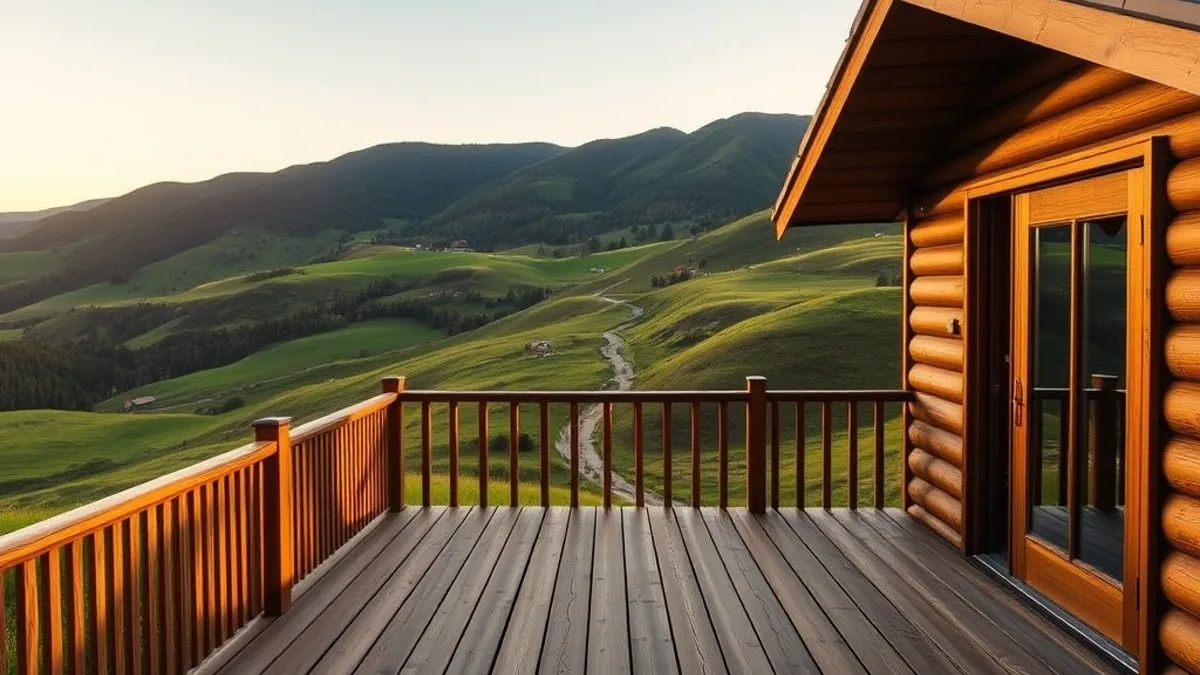
Val Gardena and Val di Funes: Base Camps with Quick Road Access
If you’d rather keep a hire car useful and have village life within reach, the valleys around the Sella group make excellent glamping bases. Val Gardena lies about 40 minutes by car from Bolzano and links directly into lift-served hiking networks, so you can ride up to high trailheads in the morning and be back for dinner in a village with restaurants, shops and bars. Glamping sites here pair well with a flexible itinerary: hike a different sector every day using lifts to skip the steep lower climbs.
Val di Funes, roughly 30 minutes from the A22 motorway exit at Chiusa, offers something quieter. The valley is all meadows, farmsteads and church spires set beneath the jagged Odle group, and trail access starts almost from the valley floor. It suits hikers who prefer peaceful routes and unhurried scenery over lift-linked networks.
Which valley fits you?
Both valleys work well for glampers who want a mix of village amenities and direct trail access, but the feel is different. Val Gardena is the more convenient, better-connected choice; Val di Funes trades convenience for calm and wide-open views. Check lift operating dates before you book, as they don’t run year-round, and plan your day hikes around whichever base you choose.
Cortina d’Ampezzo and the Eastern Dolomites
Cortina d’Ampezzo sits at the eastern edge of the Dolomites, and the hiking here starts high and goes higher. Trails leave from the valley floor at about 1,200 m, so you begin with a head start that other regions simply cannot match. From there, routes climb toward the Tre Cime di Lavaredo area, one of the most photographed rock formations in all of the Alps.
This is the part of the Dolomites for hikers who want drama. Jagged towers, sweeping scree slopes and turquoise lakes define the scenery, and the via ferrata options nearby are among the best developed in the region. If you have ever wanted to clip into a cable and walk a ledge with serious exposure, this is the area to do it. Plenty of gentler valley and forest paths exist too, so mixed-ability groups can still share a base here.
Booking ahead is non-negotiable in summer
The trade-off for all this drama is demand. Cortina draws the biggest crowds of any Dolomite valley, and glamping sites and lodges fill fastest here. For July and August stays, plan to book 4-6 months ahead to get your pick of sites and positions. If your dates are flexible, the shoulder weeks at either end of the season are far easier to secure and noticeably calmer on the trails.
Choosing Your Stay Type: Tents, Lodges and Cabins
Glamping in the Dolomites is not one single style of accommodation, and the type you choose shapes both your comfort and the months you can realistically travel. The main season runs from late May to early October, but how warm and dry you stay inside your unit depends heavily on what it is built from.
Safari-style canvas tents are the classic choice. They suit the summer window perfectly, when nights are mild and you can fall asleep to the sound of wind in the larches. Once September evenings turn cold, though, canvas loses its charm quickly. Insulated lodges and cabins are the answer for cooler shoulder months, offering solid walls, proper insulation and often small stoves that make October mornings genuinely pleasant rather than punishing.
When comparing rates, expect peak-season prices in July and August to typically range from €150-400 per night for two. What you get for that money varies a lot, so check the details below before you commit:
- Private bathrooms: some safari tents share a central washblock, which matters on cold mornings when the facilities are a two-minute walk away across wet grass.
- Heating: even in August, nights at altitude can drop sharply, so confirm whether your unit has heating or a wood stove rather than assuming canvas stays warm.
- Breakfast: a cooked breakfast saves you packing food for early trail starts, and at mountain sites the nearest bakery may be a drive rather than a stroll.
Booking Windows, Season Timing and What to Pack
Good planning is what separates a smooth Dolomite glamping trip from a stressful one. The region is popular, the best-positioned sites are few, and the window of reliable hiking weather is shorter than most first-time visitors expect. A little structure goes a long way: decide your season, lock in your accommodation, match your unit type to the conditions, and pack for mountain weather that rarely behaves. Work through these steps in order and you will sidestep the mistakes that catch out most newcomers.
- Pick your season first. If you want the quietest trails and the best value, aim for June or September, when the high routes are generally open and rates soften compared with peak summer. You trade a small risk of unsettled weather for far fewer crowds on popular paths.
- Reserve early for July and August. Book peak-season stays 4-6 months in advance. The sites closest to trailheads fill first, and late bookers usually end up with a longer drive before their boots hit the path.
- Match your unit to the month. Canvas tents suit late May to early October, while an insulated lodge or cabin is the safer pick for the cooler edges of the season.
- Pack for big temperature swings. On high plateaus, mornings can feel like autumn and afternoons like summer. Layers, a windproof shell and a warm hat earn their space in your bag.
If you already know this rhythm of shoulder-season travel, you will recognize it from elsewhere in Europe. The same logic applies whether you are chasing alpine ridges or browsing quiet countryside hideaways in Provence: travel just outside peak, book early anyway, and pack for the day you will actually have on the trail, not the one in the brochure. A flexible mindset, plus a rain layer within easy reach, turns a gray morning into a short coffee stop rather than a ruined hike.
Finding Your Perfect Dolomite Base
Choosing between the Dolomites’ glamping areas comes down to how you like to hike. Alpe di Siusi puts plateau trails right at your tent door, Val Gardena and Val di Funes give you quick road access to lift networks and quiet meadows, and the east delivers the highest drama toward the Tre Cime area.
Before booking, match your stay type and season to your hiking style. Early booking secures both the best rates and the closest trailhead positions, which matters most in peak summer. If this helped you narrow down your base, leave a comment or share the article with your hiking partner.