Few safari experiences sound as magical as gliding silently past elephants drinking at the riverbank, yet many travelers hesitate to book canoe and mokoro activities because of the unknowns. Are hippos a real danger? What about crocodiles? How much should a trip cost, and will the channels even hold water in the month you visit? These are fair questions, and the answers matter more here than on a standard game drive.
This guide walks through everything you need to plan with confidence. We explain what mokoro trips and canoe safaris actually involve, how reputable operators manage safety around hippos and crocodiles, what excursions typically cost at different lodge levels, and how seasons and water levels shape the experience. You will also find practical booking and packing tips, plus advice on choosing a lodge with genuine water frontage. By the end, you will know exactly which craft suits your trip and when to go.
Canoe and Mokoro Activities at Lodges: What They Actually Are
The two experiences look similar from the shore but feel completely different once you are on the water. A mokoro is a traditional dugout canoe, once carved from a single tree trunk and now often made from fiberglass for conservation reasons. You sit low in the vessel while a poler stands at the back, pushing the craft forward with a long pole through shallow delta channels. Because the mokoro moves quietly and sits almost level with the water, it is perfect for close-up birdlife, frogs chirping among the reeds, and photography of water lilies from a perspective you simply cannot get on foot.
A canoe safari works differently. These wider, stable two-person craft are designed for bigger rivers such as the Zambezi, and you paddle yourself while a professional guide leads the group in a separate canoe. The pace is steadier, the distances are longer, and because these rivers attract large animals to their banks, big-game sightings from the water are far more common.
Which one suits your trip?
Choose a mokoro if you want calm, shallow water, slow drifts and frame-worthy photography. Choose a canoe safari if you want to cover real distance and share the river with elephants, buffalo and hippos in the distance. Most lodges offer both as guided group excursions, typically departing in small groups with an experienced guide or poler. If you prefer the water to yourself, private trips can usually be arranged, though expect to pay a premium over the standard group departure.
Safety on the Water: Hippos, Crocodiles and Briefings
The wildlife is exactly why people come, and it is also why good operators take safety seriously. Every reputable operator begins each excursion with a safety briefing that covers paddling commands, what to do in a capsize, and how to behave around hippos and crocodiles. Listen carefully even if you have paddled before, because river protocols differ from lake or sea kayaking. The same applies wherever you paddle, from the Zambezi to quieter waters like those described in this peaceful homestead stay near safari country.
Guides follow strict routines that have kept guests safe for decades. They keep more than 30 meters from hippos, plan routes that never squeeze a hippo between your canoe and deep water, and give basking crocodiles a wide berth rather than paddling closer for a photo. Hippos are territorial in deep channels, which is why polers prefer shallow backwaters where hippos rarely linger.
- Life jackets: Standard equipment on canoe safaris and increasingly provided on mokoro trips too, but policies vary by lodge, so confirm before booking if this matters to you.
- Single-file paddling: On canoe safaris, guests usually paddle in a line behind the lead guide, which keeps the group compact and predictable to any animals watching from the bank.
- Capsize drills: Briefings explain how to stay calm, hold your paddle and swim to the nearest canoe, so a mishap becomes an inconvenience rather than an emergency.
If you are nervous about big rivers, mokoro is generally the calmer option. Polers know their channels intimately and stick to shallow, hippo-free backwaters where the biggest surprise is usually a painted reed frog landing on the bow.
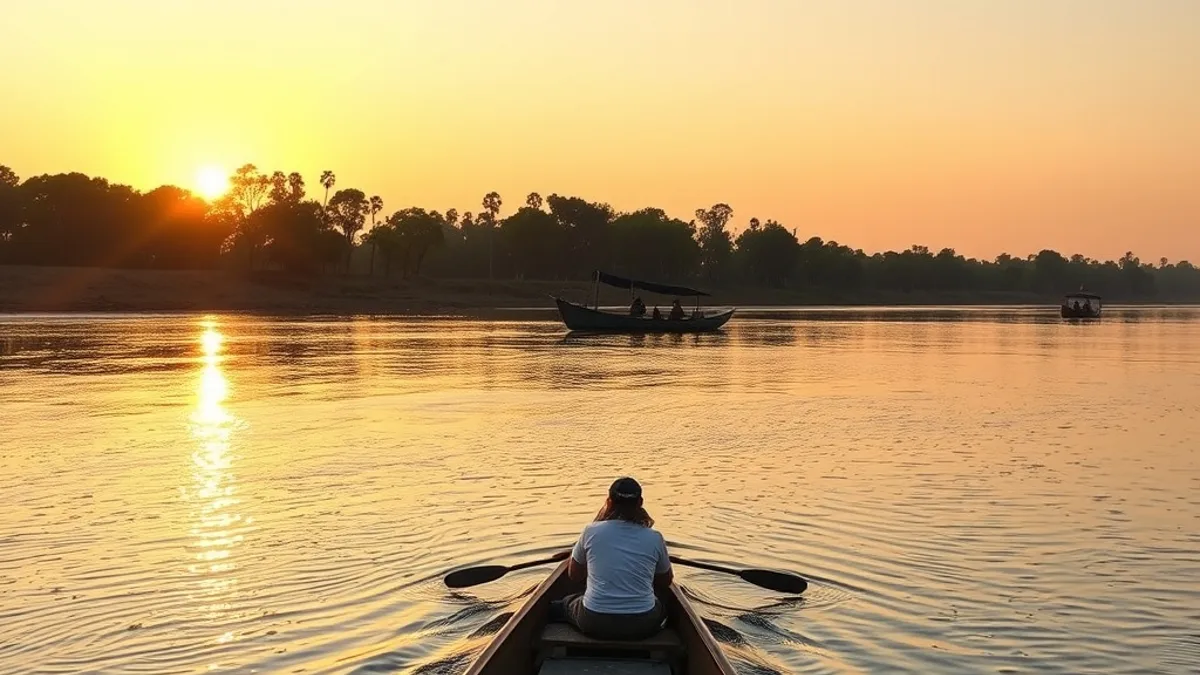
What Canoe and Mokoro Excursions Cost
Pricing for water-based excursions varies more with lodge level than with the activity itself. Mokoro excursions typically run USD 40-100 per person for a 1.5-3 hour glide, with the higher end covering luxury camps and private departures. Half-day canoe safaris range from USD 50-150 per person, and full-day river trips with lunch included are priced higher still. If you are combining a river safari with a coastal stay, it helps to compare how lodges structure their rates, much as travelers do when choosing between elegant bluewater resorts in South Africa that bundle activities into one price.
Check what your rate includes
At fully inclusive safari lodges, mokoro and canoe excursions are usually bundled into the nightly rate, so you can head out every morning without thinking about the bill. Budget lodges and campsites generally charge for each excursion separately, which can add up if your group wants multiple trips. Always ask for a written list of what is included before you confirm.
Private trips sit in their own pricing tier. A private mokoro with a dedicated poler, flexible departure time and space to position for photography commands a clear premium over the shared group departure. For keen photographers, the extra cost is often justified, since a group boat rarely waits while you compose a shot of a malachite kingfisher.
Seasons and Water Levels: When to Go
Water levels make or break a mokoro or canoe trip, so timing matters more here than on almost any other safari activity. In the Okavango Delta, floodwaters peak roughly May to August, when the deepest and most reliable channels fill with water. During these months, polers can glide through lagoons and side channels that sit dry or ankle-deep for much of the rest of the year.
The Lower Zambezi follows a different rhythm. Canoe season there runs roughly April to November, deliberately avoiding the high-water months when currents strengthen and some stretches become unsafe or unpleasant to paddle. Outside this window, most operators on the river pause canoe safaris altogether rather than push guests into strong flows.
If you want the best of everything, aim for the dry season from May to October. Water levels are good, vegetation has thinned out, and game concentrates along riverbanks and channels, so you get reliable water-based activities plus easier wildlife viewing in one trip. The trade-off is simple: this is peak season, so lodges fill up and prices sit at their highest.
- Low-water months change the itinerary. Roughly November to April, some delta camps switch to land-based activities only because their channels are too shallow to float a mokoro, so confirm what is actually on offer before you book.
- Shoulder months can still work. Early in the flood cycle, water may have reached the big channels but not yet the seasonal floodplains, meaning shorter mokoro routes rather than none at all.
- Green-season trade-offs exist. The wet months bring dramatic skies, newborn antelope and migrant birds, but expect afternoon thunderstorms and the possibility that your camp pivots to game drives instead of water activities.
Booking and Preparation Tips
A little preparation turns a good paddle into a great one. These excursions are low-effort but exposed to sun, spray and the occasional splash, and the best departure slots fill quickly in high season. A few minutes of planning before you travel means you spend your time on the water watching wildlife instead of sorting out logistics at the last minute. Here is how to get everything lined up before you arrive at camp.
- Reserve early for peak season. If you are traveling between June and October, book your mokoro or canoe excursion 2-4 weeks ahead. Lodges run a limited number of boats and guides, and popular morning slots are often claimed by guests who booked when they reserved their rooms. If you arrive hoping to sign up on the spot, you may find the schedule already full.
- Pack for water, not for style. Bring quick-dry clothing, a wide-brim hat and polarised sunglasses to cut glare off the surface. A dry bag for your camera and phone is essential on canoe safaris, where spray is constant, and useful on mokoro trips too. Closed shoes that can get wet beat sandals for grip on slippery launch points.
- Check who can go. Confirm minimum age limits and fitness requirements with your lodge before booking, especially for longer canoe safaris where you paddle for several hours. Some camps set minimum ages for water activities that differ from their general child policy, so families should ask directly rather than assume.
- Pick your time of day deliberately. Morning departures offer calmer water and cooler temperatures, which suits wildlife viewing and first-time paddlers. Afternoon trips trade that comfort for golden-hour photography, when the light on the water is at its best and animals come down to drink.
Once these basics are sorted, you can simply show up with your daypack and enjoy the paddle. Most lodges provide life jackets and any specialized gear, so your own packing list stays short and practical. If you are unsure about anything, a quick email to the camp before departure usually gets a clear answer within a day.
Choosing the Right Lodge for Water-Based Safaris
Not all safari lodges offer the same water experience, and the difference usually comes down to geography and staffing. A camp with permanent water frontage can run mokoro trips year-round, while a camp on a seasonal channel may only float for a few months after the flood arrives. This single factor shapes your whole itinerary, so dig into it before you pay a deposit.
Staffing and seasonal reality
Prioritize camps that employ their own mokoro polers or canoe guides on staff rather than outsourcing excursions. In-house guides know the local channels intimately, keep consistent safety standards, and can often be more flexible with departure times. Then ask the direct question: are activities water-based year-round or seasonal, and what is the fallback in dry months? A good camp will happily explain whether you would swap to game drives or walking safaris if the water drops.
Group sizes and costs
Group size affects both safety and atmosphere. Small camps often cap excursions at a handful of guests, which means quieter channels, better photography angles and a guide who can actually hear your questions. Larger operations may put a dozen guests on the water at once, which works fine for a big-river canoe safari but feels crowded on a narrow delta channel.
Finally, compare rates carefully. At fully inclusive lodges, water activities typically come as part of the nightly rate, while cheaper lodges charge them as extras. Get clarity in writing before you book so a mokoro trip does not turn into a surprise line item on your final bill. A slightly higher upfront rate often works out cheaper once you add up the individual excursion fees.
Wrapping Up Your Canoe and Mokoro Trip Plan
Gliding past elephants at water level is exactly as memorable as it sounds, and the worries that hold most people back have straightforward answers. A mokoro suits shallow delta channels, where a poler steers you quietly past birdlife and water lilies, while canoe safaris suit bigger rivers like the Zambezi and cover more distance with more big-game sightings. On safety, reputable operators brief every guest on hippo and crocodile behaviour and keep 30+ meters from hippos, so a calm, well-managed trip is the norm rather than the exception.
On costs, expect USD 40-150 per person depending on the activity, unless your lodge bundles water excursions into a fully inclusive rate. Timing matters most: aim for the May-August flood peak in the Okavango Delta or the April-November Zambezi canoe season, when water levels are reliable. Book 2-4 weeks ahead in peak months, and confirm safety briefings and life jackets with your lodge before you travel. If you have done a mokoro or canoe safari, share your experience in the comments below.