Dreaming of sleeping under a sky full of stars in Jordan’s red desert? Most travelers fall for the photos of glowing bubble domes and sandstone cliffs, then hit the same three questions: when should I go, what will a night actually cost, and how do I tell a great camp from a mediocre one? Desert glamping in Wadi Rum looks simple online, but the details matter, from seasonal temperatures to whether your tent has a private bathroom or a shared one down the path.
This guide walks through everything you need to plan the trip with confidence. We’ll explain why staying in a Wadi Rum camp feels so different from a regular hotel, break down the best seasons for weather and value, and give realistic price ranges for both traditional bedouin camps and luxury domes. You’ll also find tips for spotting a genuinely good camp, getting there from Petra or Amman, booking at the right time, and making the most of your desert nights once you arrive.
Why Desert Glamping in Wadi Rum Is Different From Any Other Camp Stay
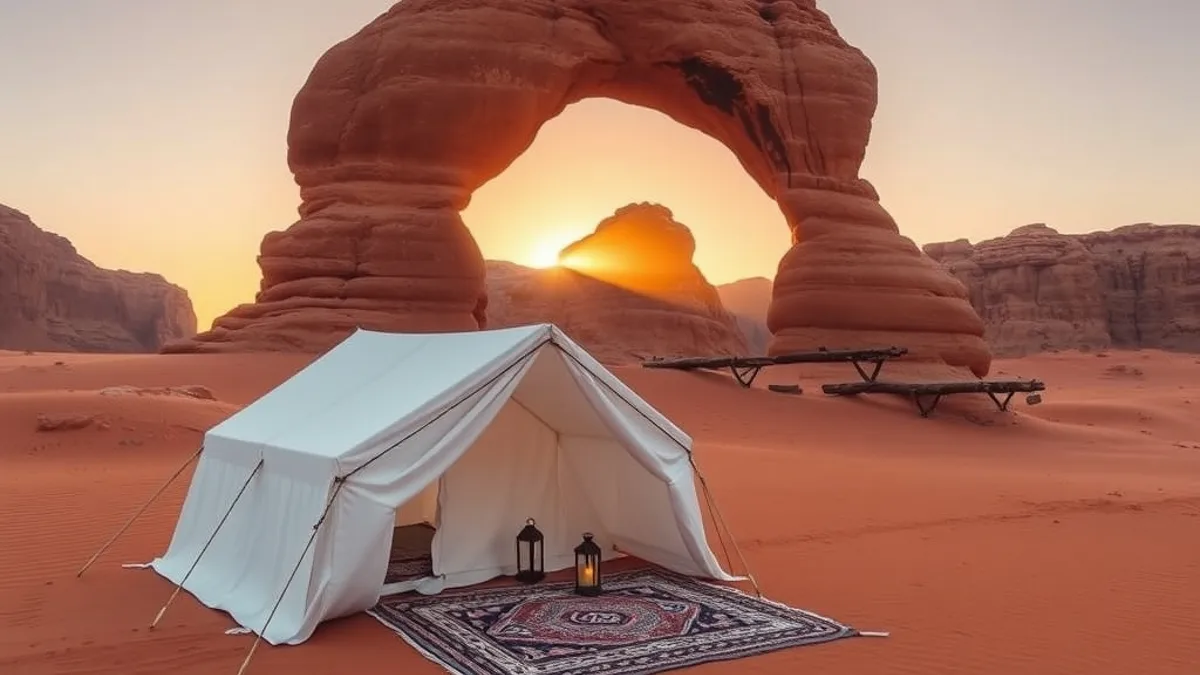
Wadi Rum isn’t a desert you visit from a distance. The valley is a protected UNESCO World Heritage site, a landscape of towering sandstone and granite formations rising straight out of red sand. Because of that, camps don’t sit beside the scenery the way a hotel sits beside a beach. They sit inside it, tucked against rock walls or spread across open sand, with the formations as your immediate view in every direction.
This setting also shapes what “luxury” actually means here. Most camps operate without grid electricity or running water in the traditional sense. Power typically comes from solar panels or generators, water is trucked in and rationed, and even high-end camps frame their comforts around these realities. A private bathroom, steady hot water, and reliable heating are genuine differentiators between camps, not standard features you can assume.
Stargazing Is the Main Event
The biggest surprise for many visitors is the night sky. With no nearby cities and almost no artificial light, Wadi Rum has genuinely dark-sky conditions, and stargazing becomes a core part of the stay rather than an optional add-on. On a clear night you can pick out the Milky Way with the naked eye, and many camps set out blankets and low chairs after dinner simply so guests can lie back and watch. Plan at least one evening with no agenda, because the sky is the best show in the valley.
Choosing Your Season: When Wadi Rum Is at Its Best
Timing makes an enormous difference in Wadi Rum, more than in most destinations. The desert offers two genuine sweet spots: March through May and September through November. During these windows, daytime highs sit around 20-30°C, warm enough for a full day of exploring without draining you, while nights stay comfortable rather than bitter. The light in these months is also softer and more forgiving for photography, especially in the hour before sunset when the sandstone glows red. The only catch is that these months line up with peak demand, so camps fill up quickly and rates sit at their highest. If your dates are flexible, aim for the edges of these windows.
Summer and winter are still workable, but each comes with a trade-off you should plan around rather than ignore.
- June-August: Midday temperatures often exceed 35-40°C, so excursions get compressed into early morning and late afternoon. The upside is noticeably lower rates and thinner crowds, if you can tolerate the midday heat inside your tent.
- December-February: Nights can drop near 0°C, so heating or heavy bedding becomes the deciding factor when choosing a camp. Days are often crisp and clear with excellent light for photography, and you’ll share the valley with far fewer visitors.
- Shoulder edges of the best seasons: Late March or early November can give you sweet-spot weather with slightly more availability, though nights can still catch you off guard, so pack an extra layer regardless of the month.
Whichever season you pick, remember that desert weather swings hard between day and night. A pleasant 25°C afternoon can be followed by a night cold enough to need a fleece, so check what bedding and heating your camp actually provides before you pack light. It also helps to book early if you are set on a specific camp or dome style, since the most popular options tend to fill first during the peak windows.
What a Night Really Costs: Camp Types and Price Ranges
Wadi Rum pricing is more transparent than you might expect, but the way camps quote rates can trip you up. The first thing to understand is that most camps charge per person, not per room. A couple booking together will pay roughly double the listed per-person rate, so don’t mistake a “40-80 USD” figure for a room price.
Standard Bedouin-Style Camps
Traditional bedouin-style camps typically run around 40-80 USD per person per night, and that rate usually includes dinner and breakfast, often served in or around a communal tent. Accommodation is usually a goat-hair tent or a simple concrete-and-canvas room. At this price point, bathrooms are frequently shared, and extras like heating or hot showers may cost more, so ask before booking.
Luxury Domes and Pods
At the top end, bubble domes and Martian-style pods range from about 120-300 USD per person. The higher rates generally buy you a private bathroom, better bedding, and climate control, which matters enormously in both summer heat and winter cold. Even here, verify exactly what’s included, since two camps with similar photos can differ sharply in comfort.
Budget for activities separately, too. A full-day jeep tour typically adds 50-80 USD per person on top of your nightly rate, and it’s usually the highlight of the stay, so it’s rarely a cost worth cutting.
How to Spot a Genuinely Good Camp
Not all Wadi Rum camps are created equal, and the differences often hide in the fine print. Two camps can look identical in photos yet deliver completely different experiences, so it pays to dig a little deeper before you pay a deposit.
The biggest trap is the base rate. Some camps advertise an attractive nightly price, then add charges for private bathrooms, hot water, or heating once you arrive. Since desert nights can be genuinely cold and a shared bathroom block loses its charm after dark, ask directly what is included before you compare prices. A slightly higher quote that covers everything often works out cheaper.
Location matters too. The valley is large, and camps that publish their exact position tend to be confident about what they offer. A remote setting can be wonderful for silence and stargazing, but remember it usually means a 4×4 transfer of 15-30 minutes from Wadi Rum village, which affects your arrival timing and any day trips.
- Ask about water pressure and shower timing: many camps heat water with solar or small boilers, so hot showers may be limited to certain hours or run in short bursts.
- Check tent insulation, not just heating: a heater helps little if the tent has thin fabric walls and gaps, so look for reviews that mention how warm tents stay overnight.
- Ask who actually guides the jeep tours: some camps employ their own experienced drivers, while others subcontract, and guide quality shapes your whole day in the desert.
- Look at photos of the dining area and food: buffet-style bedouin dinners vary widely between camps, and recent guest photos reveal more than staged marketing images.
- Confirm the cancellation policy in writing: weather and road conditions occasionally disrupt plans, and flexible terms make rebooking far less stressful.
Getting There and Booking Ahead
Reaching Wadi Rum is easier than many travelers expect. The village that serves as the gateway to the protected area sits about 2 hours’ drive from Petra and around 4 hours from Amman, which makes it a natural stop on any southern Jordan itinerary. Most visitors arrive by rental car or a private transfer, and the roads are paved the whole way to the village itself, so you won’t need a 4×4 just to get there.
From the village, the logistics change completely. Regular cars cannot reach the camps, which sit deep in the sandy valley and are reached only by a 4×4 transfer arranged by the camp. Always confirm this pickup when you book, including the exact meeting point and what time the driver will wait for you. Late arrivals without a confirmed pickup are the most common way a desert night goes wrong, so a short message to the camp on your travel day is a smart habit.
When to book
Timing depends heavily on the season. For the popular windows of March-May and September-November, book 1-3 months ahead, as the best camps fill quickly and dome-style tents sell out first. In shoulder months, 2-3 weeks is often enough, though last-minute availability is never guaranteed.
When you reserve, ask the camp to confirm three things in writing: the 4×4 pickup, the total price per person with all extras, and whether dinner and breakfast are included. Sorting these details before paying saves long conversations at the visitor center in the village.
Making the Most of Your Desert Nights
A night in Wadi Rum is memorable on its own, but the travelers who enjoy it most are the ones who plan the days around the desert’s rhythm. The light and temperature swing dramatically between morning, midday, and evening, so timing each activity well makes a real difference.
Start by dedicating at least one full day to a jeep loop through the valley’s highlights. A typical route passes sand dunes, natural rock bridges, and canyon walls with ancient inscriptions, and your driver-guide can adjust the order to avoid the busiest midday hours. Full-day jeep tours typically cost 50-80 USD per person extra, arranged directly through your camp.
Early morning deserves special attention. Ask your camp about sunrise walks and camel rides, both of which work best in the soft light of dawn, when the sandstone glows and temperatures stay pleasant. If you slow travel the way you might elsewhere, say on a trip built around slow mornings in the French countryside, you will find the desert rewards the same unhurried approach.
Packing wisely matters just as much as planning. Desert nights cool fast regardless of the season, and camps rarely accept cards, so come prepared.
- Pack a light scarf or shemagh: it doubles as sun protection during jeep rides and warmth around the campfire after dark.
- Bring a red-filter headlamp if possible: it preserves your night vision and everyone else’s during stargazing.
- Carry small bills in Jordanian dinars: tips for guides and drivers, plus small purchases, are much easier with change.
- Include a power bank: outlets in bedouin-style camps are limited, and a full day of photos drains phone batteries quickly.
- Add moisturizer and lip balm: the dry desert air chaps skin faster than most visitors expect, even in mild weather.
The Bottom Line on Wadi Rum Glamping
Wadi Rum answers the three big questions most travelers have before booking. For the best mix of comfortable weather and fair value, aim for the March-May or September-November windows, when days sit around 20-30°C and nights stay pleasant. Summer brings steep heat and winter brings near-freezing nights, so those seasons suit travelers with specific priorities rather than first-timers.
On cost, a traditional bedouin-style camp is the budget-friendly choice, while a luxury bubble dome or Martian-style pod sits at the top of the range — in both cases with dinner and breakfast usually included. Before you pay, book early for peak season and confirm the details that vary most between camps: the 4×4 transfer from the village, heating for cool nights, and whether private bathrooms are included or cost extra. A little checking now makes the difference between a good desert night and a great one. If this helped you plan your stay, leave a comment or share the article with a fellow traveler.