Glamping in the Alps sounds dreamy until you start planning it. Which nights actually stay warm? When do the domes and lodges open after snowmelt? And can you get clear mountain views without paying the highest rates of the year? Getting the timing wrong means shivering through a June night at altitude or paying peak prices for crowds you could have avoided.
This guide walks through the core season month by month, from the blooming meadows of June to the golden larch valleys of September. You’ll find out how far ahead to book, what a night in a well-equipped dome or lodge typically costs in each month, and how altitude changes your experience. We’ll also match each part of the season to the right activities, from wildflower hikes to lake swims to quiet autumn trails, so you can pick the window that fits you best.
When Is the Best Season for Glamping in the Alps?
The reliable window for glamping in the Alps runs from June to September. Outside these months, most sites simply close, and even the ones that stay open face nights that can dip below freezing. Within the core season, you get open facilities, staffed sites and the kind of weather that makes a transparent dome or a lodge with a view genuinely enjoyable rather than a test of your sleeping bag.
July and August sit at the warm end of that window. Daytime temperatures in alpine valleys typically reach 20-28°C, the sun stays up late, and every service at a glamping site, from restaurants to equipment rentals, runs at full capacity. The trade-off is simple: these are also the busiest and most expensive months, with the best units booked out months in advance.
The shoulder months: quieter and cheaper
June and September trade some of that warmth for quieter meadows and lower rates. Meadows are lush and blooming in June, while September brings stable weather and thinner crowds after the school holidays. Nights are cooler, especially in June, so the sites you choose and the bedding you pack matter more. For many travelers, though, this trade is exactly what makes the shoulder months the sweet spot of the alpine glamping season.
Month-by-Month: June, July, August and September Compared
Each month of the alpine glamping season has a distinct personality, and the differences matter more in the mountains than they would at sea level. Altitude amplifies everything: warmth, crowds, daylight and the speed at which conditions change. Here is how the four core months compare.
June opens the season with long daylight hours and meadows at their most colorful. The catch is the cold: at mid-altitudes between 1,000 and 1,500 m, nights can still drop to around 5-10°C, so pack warm layers even if the days feel mild. July is the safest choice for first-time alpine glampers, combining reliable warmth with full site services and a lively atmosphere. August pushes temperatures to their annual high but also brings the biggest crowds and peak pricing, so it demands the most advance planning. September closes the season with stable weather, thinning crowds and valleys turning gold as the larches change, though the first snow can dust peaks above 2,500 m late in the month.
- June: Wildflower meadows are at their peak early in the month, and the extra daylight means you can finish a full day hike and still cook dinner outside in the light.
- July: Swimming spots, on-site restaurants and guided activities all operate at full capacity, making it the easiest month if you want everything to just work.
- August: Warm evenings suit stargazing from a dome deck, but family holiday traffic means shared facilities and viewpoints feel noticeably busier.
- September: Morning mist in the valleys burns off into some of the clearest sightlines of the year, a favorite window for photographers.
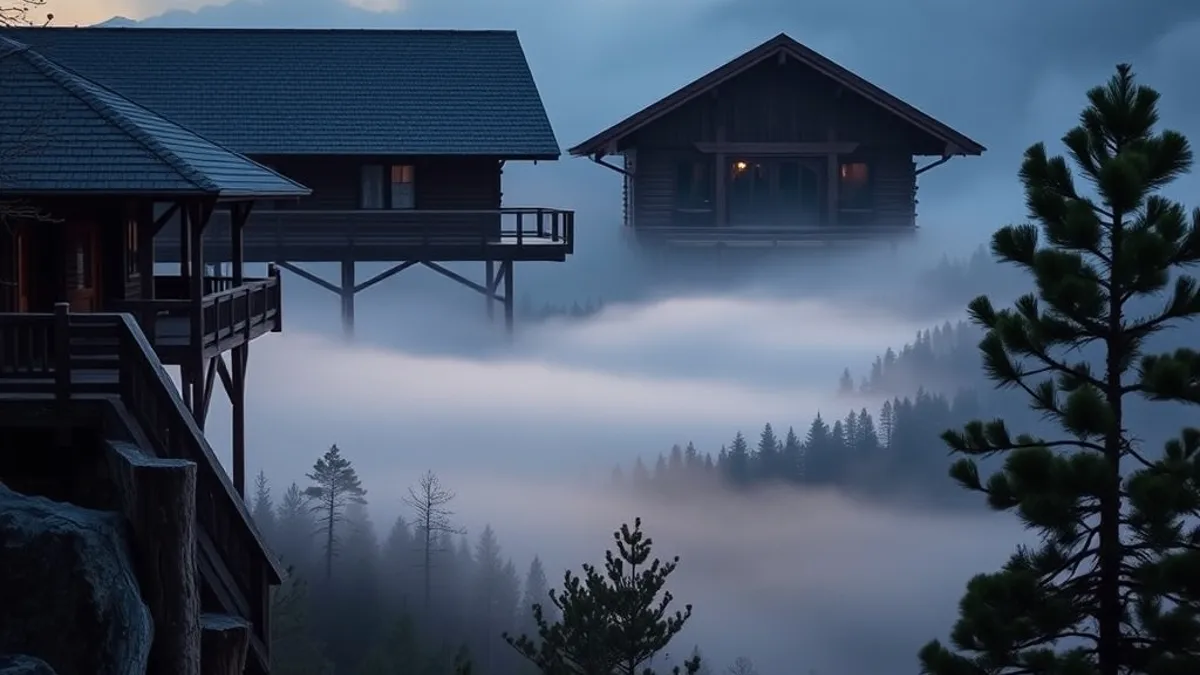
How Far Ahead to Book Alpine Glamping
Alpine glamping sites are small by nature. A typical operation might have a handful of domes, lodges or safari tents, which means even a modest demand spike can empty the calendar. How far ahead you book should depend almost entirely on which month you’re targeting.
Peak months: plan well in advance
For July and August stays, book 3-6 months ahead. This is especially true for domes and lodges with panoramic views, which are the units everyone wants and the first to disappear. If you have your heart set on watching sunrise from bed with a summit in the window, treat these units as you would a popular hotel suite and reserve as early as your travel dates allow.
Shoulder months: more flexibility
For June and September stays, 1-2 months of lead time is usually enough. Availability is broader, and you can often be selective about unit type and position within the site rather than taking whatever is left.
One more tip applies to any month: weekend slots in peak months sell out first. Shifting your arrival to a midweek day gives you noticeably more choice at the same price, and it also means quieter shared facilities and easier access to trailheads and parking at popular spots.
What Glamping Costs in the Alps by Season
Glamping in the Alps costs more than a standard campsite but far less than most alpine hotels. As a rule of thumb, expect roughly €150-€400 per night for a well-equipped dome or lodge for two. What you get for that range varies a lot: the lower end typically covers a comfortable tent-style dome with a proper bed and heating, while the upper end usually means a large panoramic lodge with a private terrace, bathroom and sometimes a hot tub.
Timing matters more than most travelers expect. July and August rates often run 20-40% above June and September prices, even though the accommodation itself is identical. The same dome that costs peak-season money in early August can be noticeably cheaper in the second half of September, with cooler but stable weather as a bonus.
If you want the best deal without gambling on the weather, aim for the edges of the season. Early June and mid-September deliver the best value-to-weather ratio: sites are fully operational, the landscape is at its best, and you avoid the premium that peak months carry.
- Minimum stays: many sites require two- or three-night bookings on summer weekends, which effectively doubles the cost of a quick getaway compared to the per-night rate.
- Extras add up: hot tubs, sauna access, breakfast baskets and firewood are often charged separately, so a €200 night can realistically become €250-€300 with add-ons.
- Cleaning and tourist fees: a final cleaning charge and the local visitor tax are usually billed on top of the nightly rate — ask for the total price before booking and check current fee levels with the site.
- Midweek discounts: some operators lower their rates for Sunday-to-Thursday arrivals in peak months, which pairs well with the quieter trails.
Choosing the Right Altitude and Spot
Altitude is the single biggest factor in how comfortable your alpine glamping night will be. Most glamping sites in the Alps sit between 800 and 1,800 m, and that spread changes conditions dramatically. A June evening that feels mild at 900 m can turn genuinely cold at 1,600 m, where the temperature can dip to 5-10°C once the sun goes down.
If you are traveling in June or September, lower sites are the safer bet. They warm up earlier in spring, hold their heat longer into autumn, and generally give you warmer nights without needing to rely entirely on bedding and heating.
Valley floors and lakeside spots
Valley-floor sites near lakes warm up fastest in the shoulder months, since water moderates the temperature and sheltered valleys block the worst of the wind. These spots suit travelers who want to swim or spend evenings outside but are not booking in July or August. The trade-off is that valley sites usually have less dramatic sky views than their higher counterparts.
High meadows and stargazing
Meadow sites above 1,500 m give the best star views — thin air, no valley haze and wide-open horizons. But outside July and August, you will want warm bedding, and preferably a heated structure, to enjoy them comfortably.
Whatever month you pick, look for insulated domes or wood stoves if you are traveling in June or September. An insulated cover or a small stove turns a chilly night into a cozy one, and many operators list these features clearly in their descriptions, so check before you book.
What to Do Each Season: Hiking, Lakes and Autumn Light
One of the joys of alpine glamping is that the season keeps changing around you. The same meadow that is full of flowers in June turns golden by September, and each month rewards a different kind of trip. Matching your activities to the month you book makes a noticeable difference.
June and July: flowers and clear water
June and July suit wildflower meadow hikes and swimming in alpine lakes at their clearest. The snow has melted off the lower trails, gentian and orchids are at their best, and the lakes fed by snowmelt are at their most transparent. Long daylight hours mean you can start a hike after breakfast and still be back at your dome for a swim before dinner.
August: big days at altitude
August is ideal for high-altitude trails and long summit days. Ridge paths and routes above the treeline are reliably free of snow, and the warm valley temperatures of 20-28°C make an early start comfortable rather than painful. It is the best month for ambitious itineraries — just expect more company on the popular routes and start early to secure parking at trailheads.
September brings golden larch forests, harvest festivals and the quietest trails of the season. The light turns softer and warmer, perfect for photography, and villages across the Alps celebrate the return from the high pastures with local food and music. Late in the month, the first snow can dust the high peaks, which makes for spectacular views from the warmth of your tent. If you prefer space and silence over swimming, September is hard to beat.
Picking Your Perfect Alpine Glamping Window
So when do the Alps deliver warm nights, clear views and open glamping sites without peak-season prices? The reliable window is June to September, when sites are open and nights stay comfortable. July and August bring the warmest valley days, typically 20-28°C, but also the highest demand and rates, often 20-40% above the shoulder months.
For the best balance of weather, price and quiet, aim for early June or mid-September. If July or August is the month that works for your schedule, plan well ahead and lock in your dome or lodge early, then choose an altitude and site type that suit the conditions of that month. Whichever window you pick, the Alps rarely disappoint. Have a favorite month for alpine glamping, or a question before you book? Leave a comment or share this article with a fellow traveler.