Glamping in the Pyrenees sounds dreamy until you sit down to book and realize the range has two very different personalities. A safari tent on a green French hillside near a thermal town is a completely different holiday from a dome on a dry Spanish slope watching the sun drop behind a limestone canyon. Both are wonderful, but they suit different travelers.
This guide compares the two sides so you can match the landscape to your trip. We look at why the French and Spanish Pyrenees feel so distinct, the best areas on each side, when to book and what to check before you reserve. By the end, you should know whether your ideal evening involves mist over meadows or stars over canyons.
Why Glamping in the Pyrenees Splits Into Two Very Different Experiences
The Pyrenees may look like one continuous wall of mountains on a map, but the two sides feel like separate holidays. The French northern side is the softer of the two: rolling green foothills, dairy meadows, thermal spa towns and mornings when mist sits in the valleys until mid-morning. Villages are close together, roads are gentle and the light has a hazy, painterly quality that photographers love.
The Spanish side: rock, sun and space
Cross the crest into Spain and the character changes almost immediately. The southern side is drier, with limestone canyons, scented scrub, golden grass and skies that seem bigger because there is less in the way of them. Sunsets here are the kind you plan your evening around.
This choice shapes far more than the view. On the French side you tend to get gentler walks between villages, market mornings and long dinners built around local produce. On the Spanish side, hiking leans toward gorge trails and harder terrain, food culture is heartier and more rustic, and evening temperatures drop faster in the dry mountain air. Even the glamping itself differs: think farm-meadow safari tents on one side and cliff-edge domes on the other. Deciding which experience you want should be the very first step of planning, before you look at a single listing.
The French Side: Lush Valleys, Thermal Towns and Soft Mountain Light
The French side is where glamping feels most comfortably woven into everyday country life. The best cluster of sites sits in the Hautes-Pyrénées, around Lourdes and Argelès-Gazost, where green valleys fan out below the high peaks and spa-town traditions go back generations. The other strong area is Ariège, south of Toulouse, a quieter department of forested hills, cathar castles and slow farming villages. The Pyrénées-Atlantiques, toward the Basque country, round out the French-side options if you want green hills with a distinct cultural flavor.
What the sites are like
Expect safari tents and lodge suites pitched on farms and meadow sites rather than dramatic cliff edges. The setting is pastoral: hedges, orchards, grazing animals and soft mountain light through the morning. Hosts are often on site, and it is common for breakfast to come from the household itself, whether that is fresh bread, local cheese or eggs from the farmyard. It is a style of hospitality closer to the relaxed, host-led stays you find when booking French countryside hideaways for slow mornings and lavender air than to a standard campsite.
This side suits travelers who want green walks between villages, weekly markets to wander and easy access to the GR10, the long-distance trail that threads along the French side of the range. You can do a rewarding half-day hike and still be back in time for a village café and a proper dinner. If your idea of mountain glamping involves misty mornings, market baskets and comfort, the French side will feel like it was designed for you.
The Spanish Side: Canyons, Big Skies and Wilder Terrain
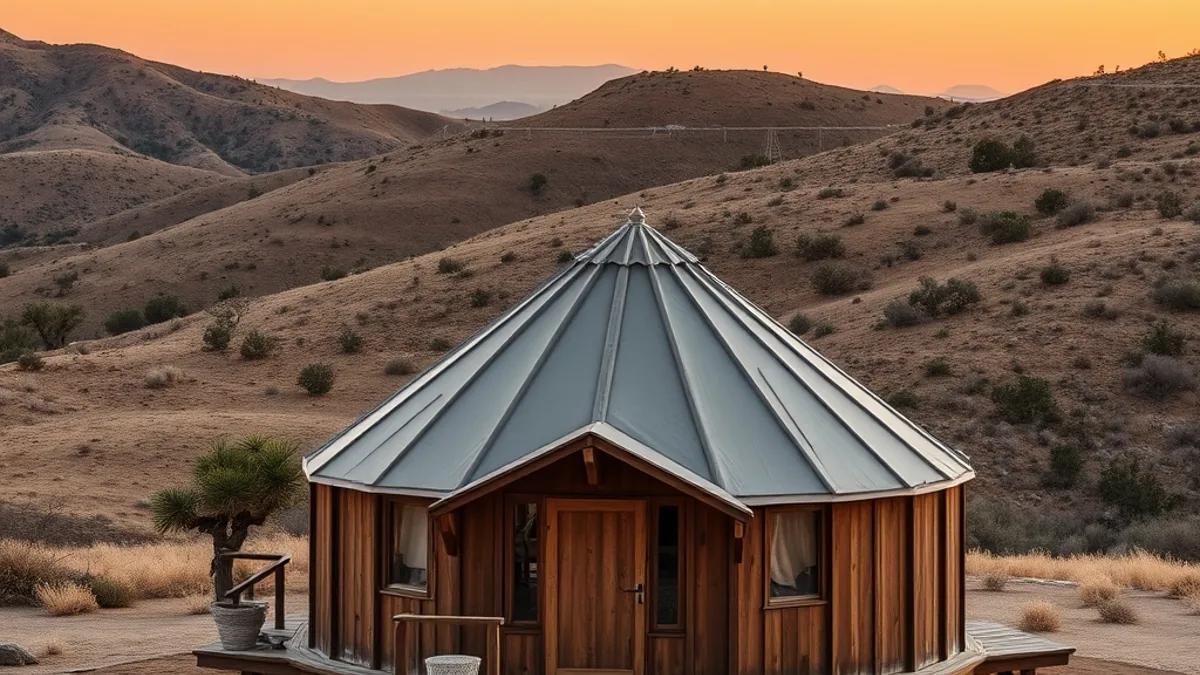
The Spanish side trades manicured meadows for raw geology, and glamping here follows the landscape. The two anchor points are Aragon, near Ordesa y Monte Perdido national park, with its immense glacial canyon and limestone walls, and Catalonia, near Aigüestortes i Estany de Sant Maurici, a high park of granite peaks and mountain lakes. Around both parks, hillside sites have appeared that make the most of the terrain rather than flattening it.
Domes, cabins and the sunset hour
The typical setup here is a geodesic dome or a timber cabin set on a dry hillside, positioned for the view. Panoramic sunset vistas are the selling point: golden light on scree slopes, ridgelines stacking into the distance and, once the sun goes, some of the darkest night skies you will find in Europe. Many units lean into this with stargazing decks or skylights above the bed.
This side suits hikers chasing gorge trails and a more rugged, less manicured feel. Ordesa’s canyon walks are demanding but unforgettable, and the surrounding terrain rewards travelers who are happy on stony paths with real elevation. Services are often simpler too: fewer shops, wilder access roads and a sense that the mountains come first and comfort second, even when the tent itself is luxurious. If your ideal trip is a hard hike, a hearty dinner and an evening spent counting stars from a terrace, the Spanish Pyrenees will deliver it more completely than any soft green valley could.
When to Book: Seasons, Prices and Lead Times
The glamping season in the Pyrenees runs roughly from May to early October on both sides of the range. Outside those months, most sites close or run at reduced capacity, so your dates matter more than they might in a lowland destination.
July and August bring the biggest crowds and the highest rates. School holidays in both France and Spain mean family sites fill up quickly, and the most popular safari tents or domes can be gone months in advance. If you want a specific unit with a view or a private hot tub, treat summer as a booking event, not an afterthought.
Prices typically land somewhere between €90 and €250 per night, depending on the season, the type of unit and whether bathrooms and kitchens are private or shared. June and September offer better value: the weather is still generally good for hiking, the meadows and light are lovely, and sites are noticeably quieter. Shoulder-month stays often cost less than the same unit in August.
For summer trips, book three to six months ahead. A few practical points to check as you plan:
- Units with private bathrooms and hot tubs are the first to sell out in July and August, so reserve those earliest if they matter to you.
- June and September stays give you a wider choice of sites at the same budget, since availability opens up considerably outside high season.
- May and early October can be excellent for quiet walking, but confirm opening dates with the site, as some hosts start or end the season later or earlier than others.
How to Choose Between the Two Sides for Your Trip
Choosing between the French and Spanish sides comes down to what you want your days and evenings to look like. The French side suits travelers who want gentler family hikes, spa towns to wander in the afternoon and villages where the local market shapes the whole week. Meals, thermal baths and green valley walks set the rhythm here.
The Spanish side suits hikers who want drama. The canyon trails around Ordesa y Monte Perdido and the wilder terrain near Aigüestortes deliver gorge walks, sweeping panoramic views and nights so clear that the Milky Way often shows up without any equipment. Sites sit on dry hillsides, and evenings tend to end outside watching the stars rather than in a village restaurant.
A cross-border road trip works well and is easier than many travelers expect. Villages on opposite sides of the range typically sit one to three driving hours apart, so you can split a week between both sides without long transfers. A few pointers for deciding how to split your stay:
- If you are traveling with young children, lean toward the French side first, where shorter marked walks and village amenities make daily logistics simpler.
- If photography or stargazing drives the trip, give the Spanish side the larger share, since clear dry nights and open horizons reward late evenings outdoors.
- Food-focused travelers often prefer basing on the French side and making day trips south, so markets and restaurants anchor the trip while canyons remain reachable.
Whichever balance you strike, remember that the two sides feel genuinely different once you arrive, not just on paper. Many travelers find that a split stay, even a simple two-night hop across the border, gives the trip a satisfying contrast between soft green mornings and sharp, starry evenings.
Practical Checks Before You Reserve a Pyrenean Tent or Dome
Pyrenean glamping sites are often small, remote and family-run, which is part of the charm but also means a few checks before you pay are worth the effort. Mountain conditions and rural access can surprise travelers who book based on photos alone.
First, think about temperature. Even in early summer, nights in the high valleys turn cold, and a canvas dome that feels cozy in August can be chilly in May, June or September. Confirm whether the unit has heating or a wood stove, and ask how the stove is supplied if one is listed.
Second, check how you will actually reach the site. Some hillside locations sit at the end of narrow tracks that are better suited to smaller cars, and a large vehicle or low-clearance rental can make the last few hundred meters stressful. Ask the host about the final approach road before you reserve.
Third, verify what is included in the rate. Remote sites vary widely in what they provide, so it pays to ask a few specific questions:
- Ask whether the kitchen is private or shared, and whether cooking equipment and basics like oil, salt and coffee are provided or whether you bring your own.
- Check the Wi-Fi situation honestly; some sites have limited or no signal, which matters if you need to work or navigate during your stay.
- Confirm whether there is an on-site shop or small farm stand, or whether the nearest grocery run is a drive of twenty minutes or more down the valley.
The Takeaway: Two Sides, One Range
So which side should your tent go on? If you picture green valleys, village markets and soft mountain light, the French side delivers that gentler kind of comfort. If you want limestone canyons, big skies and a wilder, more rugged feel, the Spanish side is the one that matches the picture in your head.
Most of the decision comes down to practicalities rather than preference: travel in the May to early October season, work with a budget of roughly €90-€250 per night, and book 3-6 months ahead if you’re set on summer dates. Do that, and whichever side you choose, the Pyrenees rewards travelers who plan around the landscape. If this helped you pick a side, leave a comment or share the article with a fellow traveler.