You paid for your room weeks ago, the confirmation email is sitting in your inbox, and yet the front desk clerk swipes your card anyway. Minutes later, your bank balance or available credit drops by a few hundred dollars with no explanation on the receipt. This is the moment many travelers first meet hotel deposits and incidentals holds, and it catches even frequent guests off guard.
The good news is that these holds are routine, temporary and easy to plan around once you understand them. In this guide, we break down what a deposit and an incidental hold actually are, how much hotels typically hold at check-in, and why the card you choose matters. We also explain when the money comes back after checkout, how to avoid surprises at the desk, and what to expect at resorts, international hotels and long bookings.
What a Hotel Deposit and Incidental Hold Actually Is
The first step to understanding hotel deposits and incidentals holds is knowing that a deposit and a hold are two different animals. A deposit is money the hotel actually charges toward your stay, much like a partial payment. An incidental hold, by contrast, is a temporary authorization: the hotel asks your bank to reserve a set amount of funds, but that money is never taken unless you actually owe it at the end of your stay.
What the hold is meant to cover
Incidental holds exist because guests rack up small charges during a stay that only get settled at checkout. Think minibar sodas, room service trays, valet or self-parking fees, phone calls, laundry service and, in worst-case scenarios, damage to the room. Instead of chasing you after you leave, the hotel reserves funds upfront so it can simply deduct what you owe and release the rest.
Why it looks like a real charge
On your bank or credit card statement, the hold shows up as a pending transaction, often with a note like “authorization” or “pending.” That wording is what confuses people: pending does not mean paid. The funds are earmarked for the hotel but never actually transferred unless you incur charges. If your final bill matches your room rate and nothing more, the hotel releases the authorization and the pending entry disappears on its own. Knowing this distinction upfront saves you from panicking at the front desk or calling your bank in a frenzy.
How Much Hotels Hold at Check-In
Hold amounts vary widely depending on the type of property you book, and knowing the typical ranges helps you budget before you travel. Budget and midscale chains typically place a flat hold of $50 to $100 for the entire stay, no matter how many nights you book. Full-service hotels and resorts usually play by different rules, holding $50 to $200 per night, which means a 5-night stay can freeze anywhere from $250 to $1,000 of your funds.
Luxury resorts often go a step further by adding taxes on top of the base hold, pushing the total toward $100 to $250 per night. Extended-stay hotels work differently again: they may verify the full room total upfront plus a smaller incidentals amount, since they are effectively securing weeks of accommodation rather than a few nights.
- Property category drives the math. A hotel with a spa, multiple restaurants and valet parking has more potential extras to cover, which is exactly why its per-night hold runs higher than a roadside motel’s flat fee.
- Night counts multiply fast. Because full-service holds are charged per night rather than per stay, adding a few extra nights to a vacation can double or triple the amount frozen on your card.
- Taxes can quietly inflate the hold. At resort properties, asking whether the quoted hold includes taxes can reveal a meaningful difference between the advertised figure and what actually appears on your statement.
- Long stays change the formula. Extended-stay verification of the full room total means the hold can far exceed a single night’s rate, so plan your available balance or credit line accordingly.
Since policies differ by brand and even by individual property, it pays to ask the hotel directly for its exact hold amount before arrival. Front desk staff can usually quote the per-night figure and whether taxes are included, which turns a surprise at check-in into a number you already planned for.
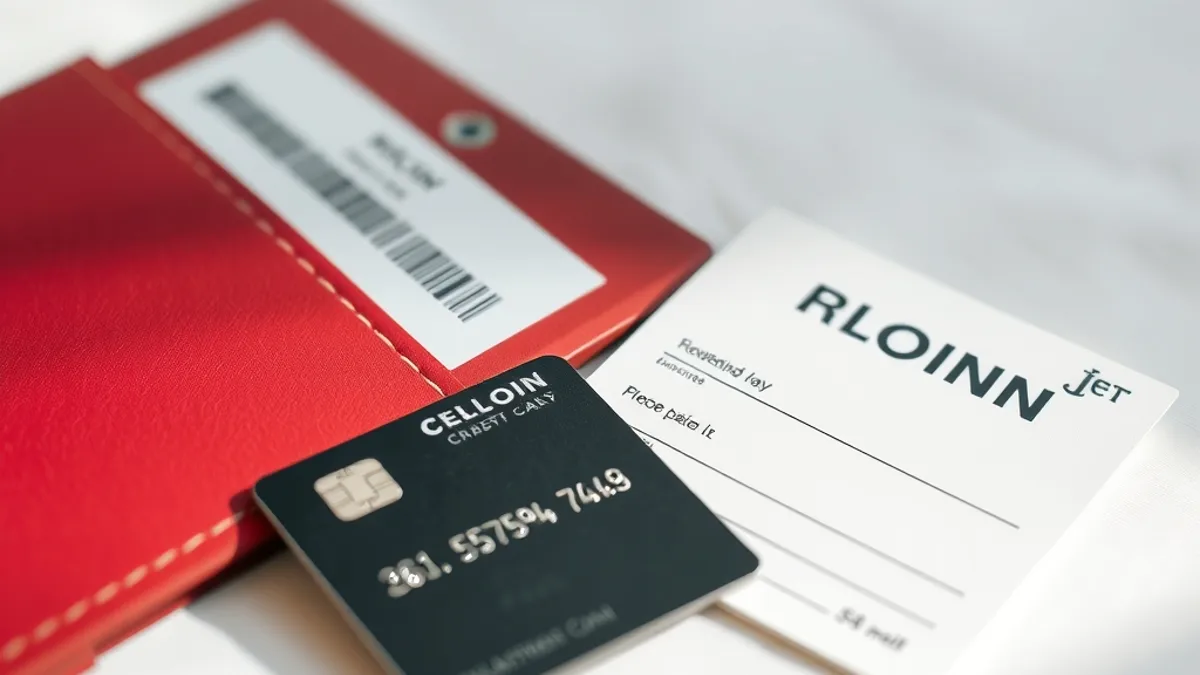
Credit Cards vs Debit Cards vs Cash Deposits
The card you hand over at the front desk matters just as much as the hold amount itself. With a credit card, the hold only reduces your available credit, so your actual money stays untouched in your bank account. You might lose some borrowing headroom for a few days, but your rent money and grocery budget are never at risk. This is the main reason experienced travelers default to credit at check-in.
Why debit cards feel so different
A debit card hold freezes real funds. When the hotel places an incidental hold on your debit card, that money genuinely disappears from your checking account for days, even though it was never charged. If your balance runs close to your day-to-day spending needs, that gap can trigger declined purchases, overdraft headaches or an awkward moment at a restaurant later that evening. The money comes back, but not instantly, and your bank controls the timing. If a debit card is your only option, check your balance before you travel and leave extra room for the hold.
Cash and prepaid bookings
Some international and independent hotels skip card holds entirely and ask for cash deposits instead, often a large share of one night’s rate, refundable at checkout if you incur no extras. If you prefer paying cash, ask ahead about the property’s policy so you arrive with the right amount. Meanwhile, travelers who prepaid through the hotel or a third-party site are sometimes surprised to learn that a card swipe is still required at the desk for incidentals. Prepaying covers the room, not the minibar, parking or damages, so bring a card with enough headroom even when the booking is technically paid in full.
When the Hold Is Released After Checkout
Here’s the part that confuses travelers the most: the hotel doesn’t actually control when your money comes back. If you owe nothing extra at checkout, the front desk releases the authorization right away, but from that moment your bank takes over. The hotel has done its part; now it’s simply a matter of how quickly your bank processes the reversal.
With a credit card, the wait is usually short. Most holds disappear from your available credit within 3 to 5 business days after checkout, and many travelers see them clear even faster. Since a credit card hold only reduces your available credit rather than touching real money, most people barely notice the delay.
Debit cards are a different story. Because banks process reversals on debit transactions more slowly, a hold on your checking account can linger for up to 7 business days. That means the money you need for groceries or gas may genuinely be out of reach for over a week after you’ve left the hotel.
When You Incur Charges
Things get slightly more complicated if you used the minibar, ordered room service, or parked at the hotel. In that case, the hotel charges the final amount to your card and releases the difference between what you actually spent and the original hold. The catch is that this new, smaller release starts the waiting period all over again, so expect the leftover funds to reappear on the same timeline as any fresh hold.
How to Avoid Check-In Hold Surprises
A few minutes of preparation before you travel can save you from an awkward moment at the front desk, when a hold suddenly freezes money you were counting on for gas, meals or souvenirs. The good news is that hotels deal with these questions every day, and most front desk agents will happily explain what to expect if you simply ask.
The single most useful step is a quick phone call a few days before arrival. Ask the hotel for the exact hold amount per night and whether taxes are included in that figure. Policies vary widely between brands and even between properties of the same chain, so a number you read online may not match what this specific hotel does. Get the answer in writing if you can, such as by email, so you have something to reference at check-in if the desk quotes something different.
Your choice of payment card matters just as much as the amount itself. Think about how the hold will interact with your spending plans for the rest of the trip, especially if you are traveling on a tight budget or relying on one account for everything.
- Check your available credit limit before a long stay. A large hold on a card with a low limit can push you close to your ceiling and block other purchases mid-trip, so consider carrying a second card with more headroom.
- Ask at check-in whether unused hold amounts can be released early. If you plan to pay cash for extras like meals or parking, some hotels will reduce or release the hold on request rather than making you wait days for the reversal.
Special Cases: Resorts, International Stays and Long Bookings
Standard hold policies don’t apply everywhere, and a few situations catch travelers off guard. Knowing how resorts, international hotels and long bookings handle deposits helps you plan your payment strategy before you arrive rather than scrambling at the desk.
All-Inclusive Resorts
Even when you’ve prepaid everything, all-inclusive resorts commonly place a per-night incidentals hold on your card at check-in. The reason is that “all-inclusive” rarely covers everything: spa treatments, off-site excursions and premium drinks beyond the standard menu usually cost extra, and the hold guarantees the hotel can collect for those if you charge them to your room. Resort properties tend to authorize higher amounts than standard city hotels, sometimes with taxes added on top, so ask about the exact figure when you book. Check what your package actually includes so you’re not surprised by the hold size.
International Hotels and Long Stays
Hotels outside the US sometimes skip card holds entirely and rely on cash instead. In some countries, the front desk may ask you to leave a cash deposit covering part or all of a night’s rate, refunded when you check out. Carry enough local currency or confirm the accepted alternatives before you arrive.
Multi-week bookings can trigger weekly re-authorizations, which means a fresh hold is placed on the same card every seven days or so while earlier ones are still pending. On a debit card, these stacked holds can tie up a significant amount of money at once. If one card can’t comfortably absorb the full hold, ask about splitting the stay across two cards — many hotels allow this, and it keeps either card from being maxed out on authorizations alone.
Checking In With Confidence
That confusing moment at the front desk, when your card gets swiped even though your room is already paid for, comes down to one simple thing: an incidental hold. It is a temporary authorization, not a charge, and it usually runs $50 to $200 per night. The hotel is not taking your money. It is reserving funds to cover extras like the minibar, parking or room service until you check out.
The key is knowing how the money behaves. With a credit card, the hold simply lowers the amount of credit you can spend, while a debit card hold can freeze real cash in your account for up to 7 business days. The easiest way to avoid a balance surprise is to ask the hotel for the exact hold amount before you arrive. Have you run into an unexpected hold at check-in? Share your story in the comments or pass this article along to a fellow traveler.