There’s a particular disappointment that comes with booking a lodge for its crackling fireplace, only to discover the fire dies out by midnight and your room turns cold by 2 a.m. Many travelers wonder whether the fireplace in the photos is real heat or just atmosphere, and how the rest of the building actually stays warm when temperatures drop well below freezing. The answer usually lies in a combination of systems, not a single roaring hearth.
This guide to lodge fireplaces and heating walks you through what really keeps a cold-season lodge warm. We’ll cover why the fireplace matters but isn’t the whole story, the heating systems you’ll encounter, how wood and airflow actually work, the safety and etiquette worth knowing, and how to book a lodge with reliable overnight warmth — plus where to find memorable winter stays beyond the classic alpine setting.
Why Lodge Fireplaces and Heating Matter in Cold Season
A fireplace is often the emotional centrepiece of a lodge stay. It’s the image on the booking page, the spot where everyone gathers with a drink, and the reason many of us choose a lodge over a standard hotel in the first place. But in sub-zero months, that open fire may be doing far less work than you assume. In many properties it’s supplementary heat, kept burning for atmosphere while something quieter handles the real job.
Here’s the practical problem: an open fireplace loses most of its heat straight up the chimney. The warm, glowing effect is real, but the room itself receives only a fraction of the energy the fire produces. That’s why lodges in genuinely cold climates pair the hearth with closed wood stoves, underfloor heating or radiators. The fire sets the mood; the other systems keep you comfortable through the night.
Why this matters when you book
Understanding the heating setup helps you choose rooms that stay warm all night, not just rooms that photograph well. A suite with a decorative open fireplace and no overnight heating can be far colder than a plain room above a boiler room. Ask where the fireplace sits — your room or the shared lounge — and what heats the bedrooms after the fire is banked. A few questions before booking make the difference between a cozy stay and a night spent in a puffer jacket under the duvet.
Common Heating Systems Found in Cold-Season Lodges
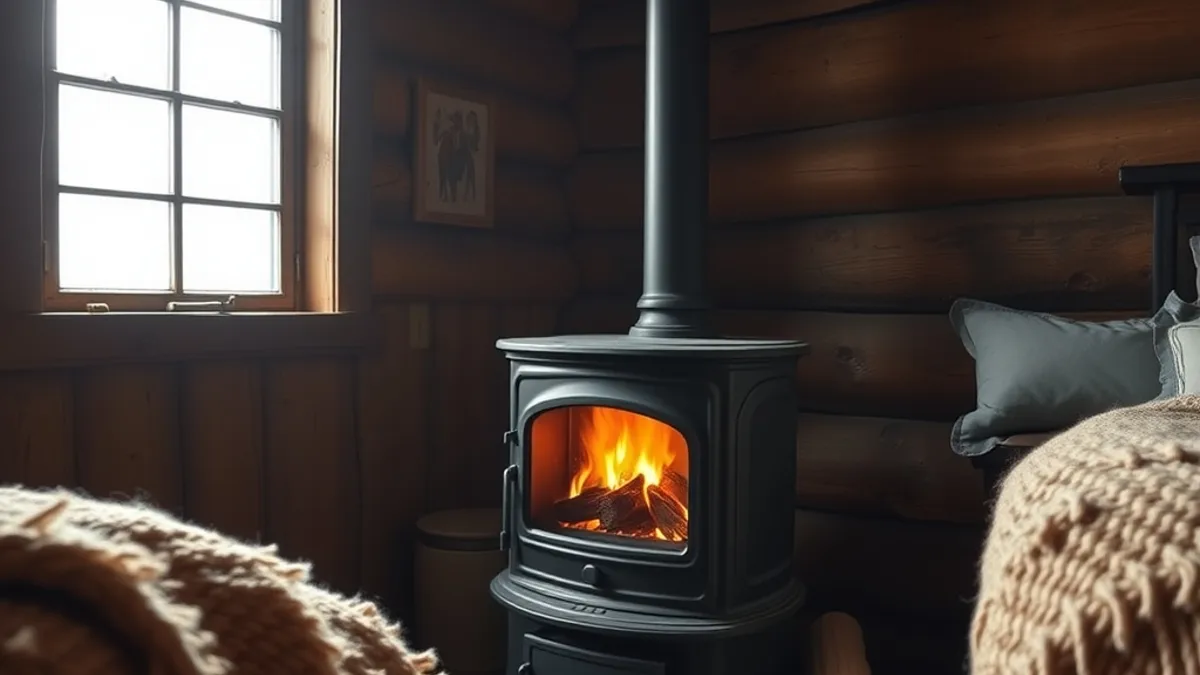
Cold-season lodges rarely rely on one heat source. The fireplace you see in the photos is usually backed up by a system designed to run all night, and knowing what each one does helps you pick the right property. In timber lodges, the closed wood stove is the workhorse: it converts most of the wood’s energy into usable room heat and keeps radiating warmth for hours after the flames die down. Newer alpine-style lodges often favour underfloor heating, which warms the space evenly from the ground up and feels wonderful on bare feet at 6 a.m. You can see how this plays out in properties like these alpine estates in Switzerland with timber warmth and snow-crisp views.
Older lodges often depend on radiators fed by a central boiler. These heat rooms evenly and reliably, though they lack the atmosphere of a live fire — which is exactly why most properties combine the two. In more remote settings, low-tech backups matter too: some safari and highland lodges keep hot-water bottles and heated blankets on hand for cold nights, especially during power cuts when electric heating drops out entirely.
- Thermal mass matters: stone and brick walls around a stove absorb heat during the evening and release it slowly, which is why some rooms stay comfortable long after the fire is out.
- Zoned heating is common: many lodges heat bedrooms and bathrooms separately from lounges, so ask which zones run overnight and which switch off at a set hour.
- Bathroom warmth is a good test: heated towel rails and warm tiled floors in the bathroom are a reliable sign a lodge takes its heating seriously.
- Backup power counts: in remote areas, ask whether the boiler and circulation pumps run on mains power or have a generator fallback during outages.
How the Fireplace Actually Works: Wood, Airflow and Heat
Not all firewood is equal, and this is where many guests unknowingly sabotage their own fire. Seasoned hardwood such as oak or birch needs about 12-18 months of drying before it burns efficiently. Properly dried hardwood lights more easily, burns hotter and produces far less smoke than fresh logs or softwood. Fresh-cut wood wastes much of its energy boiling off moisture, which is why a hissing, sputtering fire often signals wet logs rather than a bad stove.
Airflow: the control most guests get wrong
A closed stove isn’t just a box with a door — the damper and airflow vents regulate how fast the wood burns. Open them wide for a bright, hot flame; close them partially to slow the burn for a long, steady night of heat. The common mistake is shutting everything down too early, especially before bed. A starved fire smoulders instead of burning cleanly, coating the flue with creosote, a tar-like residue that reduces draft and increases fire risk. Let the fire burn hot for a while after loading, then reduce the airflow gradually.
On the practical side, most lodges supply 1-2 complimentary firewood baskets per day, which is usually enough for an evening’s fire. Extra logs are typically charged at roughly $10-25 per basket, so check the rate if you plan to keep the stove running all day. Finally, manage your expectations about open fireplaces: they may look grand, but they deliver only about 10-20% of their heat into the room, with the rest lost up the chimney. A stove in the corner will always outperform the handsome hearth beside it.
Fireplace Safety and Etiquette During Your Stay
A lodge fire is lovely to sit beside, but it deserves the same respect as any open flame. The rules are simple, and staff will appreciate you following them without being reminded. Most incidents in lodges happen at night, when guests assume a dying fire can be left to itself. It cannot.
Before you head to bed, check that the stove door latches fully shut and that any open hearth has its guard in place. Sparks can jump further than you expect, especially from birch bark, which curls and pops as it burns. If you have stoked the fire for the evening, give it fifteen minutes to settle before you leave the lounge, so you can see whether it burns cleanly or needs the airflow adjusted.
Etiquette around the hearth matters too. Staff position log stores and hearth furniture with clearances in mind, and a tidy pile of firewood two meters from the flames can still scorch or catch. When in doubt, ask where they would like logs stacked.
- Use the fire guard at night: a mesh guard stops rolling embers and popping bark from reaching rugs or wooden floors while you sleep, and it takes seconds to swing into place.
- Keep the stove door closed when sleeping: a door left ajar lets flames lean toward the glass opening and allows smoke to seep into the room quietly overnight.
- Respect the hearth clearance zone: lodges keep a set distance around the fireplace free of logs, kindling boxes and drying socks, so ask staff before stacking wood anywhere near it.
- Report smoke or a strong tar smell immediately: a room that fills with smoke, or a sharp creosote odor, points to a blocked flue or a damper that has slipped shut — not a normal fire — and staff need to know straight away.
- Leave hot ashes alone: ashes stay hot enough to cause serious burns for a day or more, and staff remove them on their usual schedule with the right tools and metal containers.
Choosing and Booking a Lodge with Reliable Winter Heating
Winter lodge availability works differently from summer bookings. For a standard cold-season stay, booking 3-6 months ahead usually gives you a decent choice of rooms. If your dates fall in the December-January peak, you often need 6-9 months’ lead time, because the warmest and best-located rooms go first and rarely come back.
Budget for the season as well. Winter rates typically run 20-40% above low-season prices, and holiday weeks sit at the top of that range. The trade-off is that a lodge that has invested in proper heating charges what its product is worth, and in sub-zero months that investment shows.
Questions to ask before you pay the deposit
The single most useful question is whether the fireplace is in your actual room or only in the shared lounge. Lodge websites love to photograph a roaring fire in a communal space, then book you into a room heated by a radiator alone. Ask directly, and ask whether heating runs overnight or switches off after the last staff round — this makes the difference between waking warm and waking to a cold floor.
Matching the heating type to your comfort
If dry air bothers you or wood smoke gives you headaches, confirm the heating type before booking. A closed wood stove in the room means some smoky scent is likely; underfloor heating and radiators suit sensitive guests far better. For a gentler version of the cold-season lodge experience, highland regions with pine forests and quiet trails — such as those described in Transylvania’s highland homes with pine air and rustic charm — often offer wood-stove warmth without the intensity of a full alpine resort.
Cold-Season Lodge Stays Beyond the Classic Alpine Setting
The classic image of a lodge involves snowy peaks and cable cars, but some of the best fireplace stays happen far from any ski lift. Highland and woodland regions trade lift queues for quiet trails, and their lodges lean on wood stoves rather than large central systems, which suits the setting well.
Highland and woodland alternatives
Regions like Transylvania and the Caucasus pair wood-stove warmth with crisp pine air and walking trails that see a fraction of alpine traffic. The days are for quiet forest paths and village visits; the evenings are for a stove that holds its heat for hours. These lodges tend to be smaller and more personal, so the same booking questions about overnight heating apply, but the atmosphere rewards the effort.
Sauna-and-fire evenings by the water
Lakeside winter cabins offer a different pairing altogether: a proper sauna followed by a fireplace evening, a combination the Nordics have refined over generations. The rhythm is simple and addictive — heat up in the sauna, step out into the cold, then dry off beside a stove while the lake freezes outside. If that sounds appealing, it is worth reading about Saimaa lakeside cabins with sauna nights and mirror-still mornings to see how the pairing works in practice.
Finally, remember that the southern hemisphere runs its own cold season. Safari lodges in Africa use their fireplaces mainly for chilly June-August mornings, when game drives start before sunrise and a fire in the lounge is the first stop after you return. The cold is milder than alpine winter, but the fireplace ritual is just as central to the stay.
Wrapping Up Your Warm Lodge Stay
So, is the fireplace real heat or just atmosphere? Usually both, but with a clear division of labor. The open fire or wood stove sets the mood and warms the room you are actually sitting in, while stoves, underfloor heating and radiators quietly handle the steady overnight work so you wake up comfortable rather than cold. Knowing which system does which job is the difference between a lodge that photographs well and one that sleeps well.
The rest comes down to small habits: burning seasoned wood, using the damper correctly, and following basic fire etiquette keep the hearth both safe and efficient. And on the booking side, reserving 3-6 months ahead and confirming the heating setup in your actual room secures a genuinely warm cold-season stay. If this helped you plan your winter escape, leave a comment or share the article with a fellow traveler.