You’ve just spent four unforgettable days on safari, the guides were superb, the camp staff even remembered how you take your coffee, and now you’re standing at reception with a wallet full of unfamiliar decisions. Should you tip? How much? Does the money go in the tip box, straight to your guide, or is it already covered by your bill? Most guests freeze at exactly this moment.
Lodge gratuities work differently from hotel tipping, and the confusion is understandable. Money often goes into a shared staff pool rather than to individuals, remote locations complicate the currency question, and some all-inclusive rates already include a service charge. This article walks through how tip boxes and staff pools actually work, suggests amounts by staff role, explains when a direct tip makes more sense, and covers the practical details of cash, etiquette, and the mistakes that are easiest to avoid. By the end, you’ll know exactly what to budget and how to hand it over with confidence.
Why Lodge Gratuities Follow Different Rules Than Hotel Tipping
If you’ve ever tipped a hotel maid or a bellhop, you might assume safari lodges follow the same pattern. They don’t, and the differences start with the people doing the work. A city hotel employs hundreds of staff in clearly separated roles, so a tip naturally goes to the individual who helped you. A safari lodge might employ a dozen or two people in total, where the waiter also helps with housekeeping and the camp manager steps in wherever needed. Because roles overlap so heavily, most lodges encourage guests to pool their tips rather than hand money to one person.
Location changes the logistics
Remote locations add another layer. Many lodges sit hours from the nearest town or bank, so guests rarely arrive carrying local currency. In response, most African lodges happily accept US dollars or South African rand in cash, which is good news for international travelers who don’t want to hunt for small amounts of local money before a trip.
Check what your rate already includes
Before you budget anything, look at your booking. All-inclusive rates at some lodges include a service charge, which changes whether extra tips are expected at all. If a charge for service already appears on your final bill, additional tipping becomes a matter of choice rather than obligation, usually reserved for staff who went beyond the ordinary. Tipping at lodges is voluntary in every case, so poor service always justifies a smaller tip or none at all. Ask at reception or check your booking documents to see exactly how your rate handles service before deciding how much cash to set aside.
How Tip Boxes and Staff Pools Work
Walk into the reception area of most safari lodges and you’ll spot a small box, often clearly labeled for staff tips. This is the heart of the pooled tipping system. Guests drop cash inside, and the money is divided among the entire team, not just the faces you see at dinner. That includes the kitchen staff who prepared your meals, the laundry team who returned your clothes spotless after a dusty game drive, the gardeners, the maintenance crew, and the security staff working night shifts you never witness.
The farewell gathering
Many lodges make the moment part of the experience. On the last night, staff and guests often gather for a farewell drink, and this is when most people place their pooled tips in the box. It’s a relaxed, social occasion where the camp manager may thank the team by name and guests can raise a glass to the people who made their stay memorable. If you’re unsure about amounts or timing, the manager or your booking agent can guide you, and there’s no pressure to give more than feels right.
How the money is divided
Behind the scenes, the pool is usually shared out monthly rather than daily, which smooths out differences between busy and quiet weeks. In many camps, an elected staff committee handles the division, deciding how to weight roles and ensuring that quieter, unseen positions receive a fair share. This system exists precisely because guests interact with only a fraction of the team, and it means your contribution supports everyone who kept your stay running smoothly.
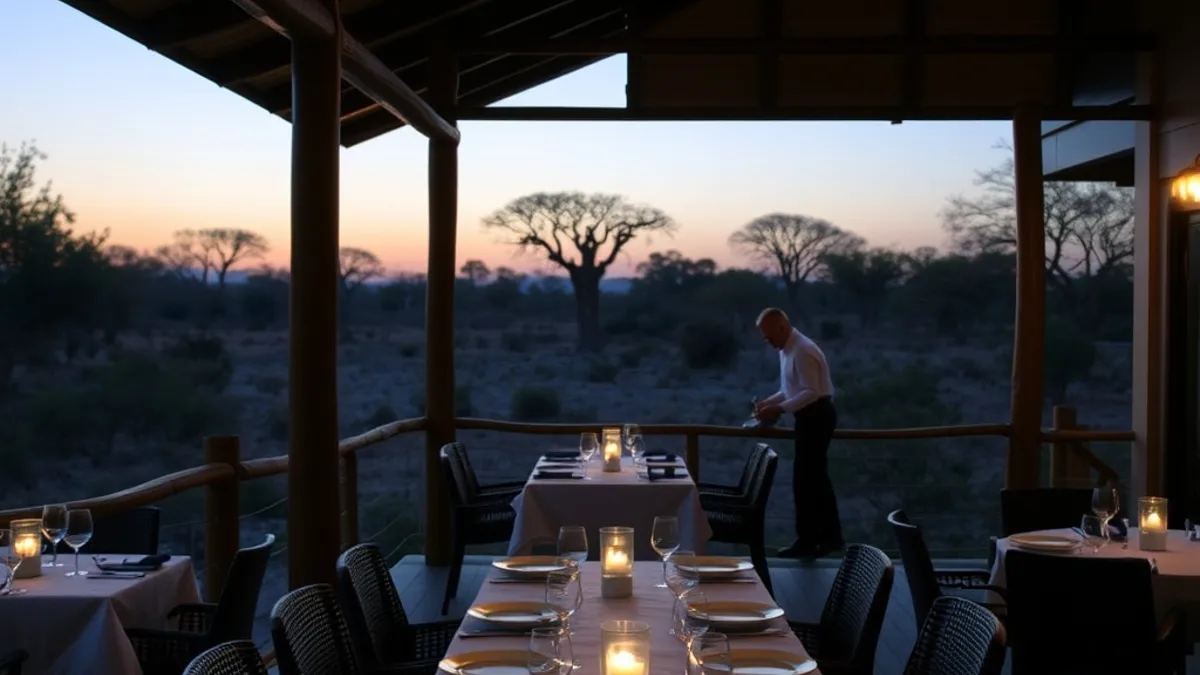
Suggested Lodge Gratuities by Staff Role
Knowing who should receive what takes the guesswork out of tipping at a safari lodge. The amounts below are widely used guidelines rather than fixed rules, and they assume good service. Adjust up or down based on the length of your stay, the quality of the experience, and what feels comfortable for your budget. A couple staying four nights will simply need a larger envelope than a solo traveler on a two-night stopover, so plan the math before you fly rather than at the front desk.
- General staff pool: US$10-20 per guest per day covers the shared team, from chefs and waiters to laundry and maintenance staff who never appear in front of you but shape every part of your stay.
- Guides: US$10-20 per guest per day, handed directly to your guide rather than into the box, since this tip rewards the personalized service, wildlife knowledge, and patience that turned your game drives into highlights.
- Trackers, mokoro polers and boat crew: US$5-10 per guest per day recognizes the specialists who spot the leopard’s tail in the grass or pole your canoe silently through the channels, often working alongside your guide without receiving a share of direct tips.
- Porters and housekeeping: US$1-2 per bag for luggage help, or US$2-5 per day for room cleaning, left in your room or handed over personally when you won’t see the same person twice.
If your stay spans several days, multiply the daily amounts accordingly and set the cash aside in labeled envelopes when you arrive. It’s far easier than doing the math at checkout while your transfer vehicle waits outside. Families with children can tip at the per-guest rate for everyone in the party, though many lodges expect less for young kids, so ask at reception if you’re unsure. Remember that these figures are suggestions, not obligations, and a shorter stay or tighter budget doesn’t make you a bad guest.
When to Tip Directly Instead of Using the Tip Box
Most of your gratuity budget belongs in the tip box, but there are moments when handing cash directly makes more sense. The clearest one is your guide. If they delivered exceptional game drives, found a leopard on a night drive, or led a walking safari that you will talk about for years, tip them directly on the last day rather than letting that money disappear into the general pool.
How to hand over a direct tip
Keep it simple and discreet. Hand the cash over with a genuine thank-you, ideally away from other guests and staff. Most lodges anticipate this and provide envelopes at reception, which makes the exchange feel natural and private. If no envelope is offered, ask at the desk; they usually have a stack on hand.
Trackers, mokoro polers and boat crew also deserve direct recognition when they were central to your experience. A tracker who spotted a pride of lions before anyone else, or a poler who glided you through the channels of the delta at sunset, is often the person you interacted with most closely after your guide. Handing them something directly, rather than relying on the shared pool, acknowledges that personal effort in a way the box cannot.
Some lodges, especially those that blend safari days with coastal downtime like the bluewater resorts in South Africa for safari elegance and coastal release, may have slightly different arrangements, so it never hurts to ask the manager how they prefer direct tips to be handled. And remember, tipping is voluntary. If service fell short, a smaller tip or none at all is a legitimate choice.
Currency, Cash and Practical Logistics
Cash is king at remote lodges, so planning your money before you leave home matters more than you might expect. Most African lodges want tips in hard currency, with US dollars and South African rand being the usual choices, and small denominations work best. A stack of ones, fives and tens will serve you far better than a handful of large bills.
Which currency to bring
If you are bringing US dollars, choose bills printed after 2013. Older notes are often refused, sometimes without explanation, because banks and exchange services in the region frequently reject worn or older-series currency. Check your bills before you travel and swap any at your bank.
South African rand is a solid option if your trip includes lodges in South Africa, Namibia or Botswana. Rand is widely accepted at camps in those countries, and it saves you from converting everything into dollars. If your safari takes you to Botswana’s water camps, such as the rainshore resorts in Botswana for safari serenity and beautifully paced comfort, rand or dollars in small notes will cover you comfortably.
Carry cash before you arrive
The most common mistake is assuming you can withdraw money along the way. Remote lodges have no ATMs, and card tipping is rarely possible even when the lodge accepts cards for your bill. Withdraw or exchange enough cash for your entire stay before you head out, then keep it organized in separate envelopes per day or per staff role.
Keeping your tip money separate from your spending money is another smart move. If everything sits in one wallet, it is easy to hand over a large bill by mistake or run short on the final day. Count out what you plan to give before you leave for your trip, and tuck it somewhere secure but accessible. That way, your last morning is relaxed instead of spent counting bills in a hurry, and you can focus on saying goodbye to the team that made your stay memorable.
Tipping Etiquette and Common Mistakes
Lodge tipping comes with a few unwritten rules, and breaking them can unintentionally shortchange the people who made your stay comfortable. The biggest one: never skip the pooled tip entirely while tipping only your guide. It feels natural to reward the person you saw every day, but the cooks, cleaners and maintenance workers who rarely appear in front of guests depend on that shared pool. Unseen staff keep the lodge running, and they receive almost nothing from direct tips.
Another common misstep is tipping in kind. Leftover gear, clothing or souvenirs may feel generous, but staff generally need cash far more, and many lodges have policies about gifts. Unless the lodge confirms that items are welcome, stick to money.
Finally, read your bill before you tip at all. Some high-end lodges add a service charge of around 10% that already covers staff tips, and stacking extra pooled tips on top may be more than the situation calls for. Before your final night, run through this quick checklist:
- Ask at reception whether a service charge appears on your bill, and whether it goes to staff or to the operator, since the answer changes how much extra you should give.
- Find out if the lodge holds a farewell gathering on the last night, when the tip box is traditionally presented, so your contribution lands at the right moment.
- Confirm the lodge’s policy on gifts before handing over any items, as some camps accept them happily while others prefer cash only.
- Set aside a small reserve for porters and housekeeping, since these behind-the-scenes roles are easy to forget when you are budgeting for guides and the general pool.
Getting Lodge Gratuities Right
That moment at checkout on your final morning is where most guests freeze: unsure whether to tip at all, how much is right, and whether the money should go into the box at reception or straight into your guide’s hand. The good news is that there is no single correct answer, just a simple framework you can apply at any lodge.
Start by budgeting roughly US$20-40 per guest per day in total, split between pooled and direct tips. Remember that the tip box covers the whole team, including the kitchen and laundry staff you never meet, while a direct tip rewards a standout guide. Cash in small denominations, handed over on the final day, keeps the whole process simple. If this guide helped you plan your safari budget, leave a comment or share the article with a fellow traveler.