If you have never stayed at a safari lodge, the schedule can feel like a mystery. What actually happens between the moment you wake up and the evening game drive? Will the days feel rushed and over-programmed, or is there real time to rest? First-time guests often worry about both, and the truth is reassuring: a lodge day follows a rhythm that is busy at the edges and calm in the middle.
This guide walks you through a typical lodge day from start to finish. We cover the pre-dawn wake-up call with coffee and rusks, what happens on the morning game drive, the long brunch and siesta hours, afternoon tea before the second drive, and the sundowner ritual that closes the day. We also look at how to plan your stay around seasons and budgets, and wrap up with a quick summary of the daily structure.
The 5:30 am Wake-Up Call: How a Lodge Day Begins
Your lodge day starts earlier than you might expect. Around 5:30 to 6:00 am, while it is still dark outside, a staff member knocks gently on your door with a tray of coffee, tea and rusks. These sweet, twice-baked biscuits are a safari tradition, made to be dunked into hot drinks so you can get something in your stomach before you are properly awake.
Why so early? The first drives leave camp in half-light, roughly 30 minutes before sunrise, because predators are at their most active during these cool hours. Lions that hunted through the night are still moving, leopards may still be near their kills, and the soft morning light makes for beautiful photography.
Dress for the Dawn Chill
The biggest surprise for most first-time guests is how cold it feels before the sun comes up. Dawn temperatures on an open vehicle often sit 10 to 15°C below the midday highs, so that fleece and beanie you packed are not decorative. Layer up with a warm jacket over a t-shirt, and plan to peel the layers off as the morning warms. Most vehicles have canvas sides or blankets on offer, but your own layers are the most reliable option. By the time you return to camp a few hours later, you will likely be down to short sleeves.
Sunrise Drive: What Happens on the Morning Game Drive
Once the vehicle rolls out of camp, the real work begins. Many lodges travel with a two-person team: a guide who drives and a tracker who sits at the front of the vehicle, reading the road and surrounding bush for signs of animal movement. This skill, called reading spoor, means following fresh footprints, broken branches and dung to piece together which animals passed by and how long ago.
Chasing a Sighting
When the tracker spots fresh lion, leopard or elephant signs, the guide follows up, and a good sighting can turn an ordinary drive into the highlight of your trip. Drives typically pause for sightings lasting 10 to 30 minutes, giving everyone time to watch, photograph and simply sit with the animals. Radio chatter links nearby vehicles, so when one guide finds something special, others can quietly join without crowding the scene.
Around 8:00 am, nearly every lodge morning pauses for a fixed ritual: the mid-drive coffee break. The guide picks an open, safe spot, spreads out hot drinks and snacks from the vehicle, and everyone climbs down to stretch their legs. It sounds like a small thing, but sipping coffee in the middle of the bush, watching the morning light settle over the savanna, is often what guests remember most. After the break, the drive continues for another stretch before looping back to camp, usually between 9:00 and 10:30 am.
Brunch, Siesta and the Midday Hours at the Lodge
You will arrive back at camp hungry, and the lodge knows it. A full brunch is served from about 9:30 am, and on most schedules it replaces both breakfast and lunch in one generous sitting. Expect eggs cooked to order, fruit, pastries, and often a hot plated course, with the meal stretching leisurely over an hour or more. Nobody is rushing you to the next activity, because the next activity is rest.
What to Do With the Midday Hours
Between roughly 11:00 am and 3:00 pm, the African heat settles in and the animals disappear into the shade, so the lodge deliberately slows down. This is siesta time, and how you spend it is entirely up to you. Popular options include:
- Lounging by the pool with a cold drink
- Reading on a shaded deck overlooking a waterhole
- Booking a spa treatment if the lodge offers one
- Simply napping in your room with the doors open to the sounds of the bush
Many lodges also offer optional midday extras for guests who want more. Guided bird walks let you explore the camp grounds on foot with a naturalist, while a visit to the hide gives you a ground-level view of animals and birds coming to drink. These activities are entirely optional, and skipping them costs you nothing. The midday gap is part of the design of a lodge stay, giving you the energy you will want for the afternoon drive ahead.
Afternoon Tea and the Second Game Drive
By mid-afternoon, the lodge kitchen has been busy for hours. Around 3:00 pm, a spread of high tea appears on the main deck: layered cakes, scones, savory pastries, fruit and, in many camps, a few local specialties that change by the day. It is deliberately hearty rather than dainty, because it replaces lunch on most schedules and has to carry you through a three-hour drive.
The afternoon drive usually departs between 3:30 and 4:00 pm, and the mood on the vehicle is different from dawn. The air is warm, the light is golden and animals behave differently: elephants drift toward rivers, hippos start stirring in the water and big cats that slept through the heat begin to move. Guides often plan the route around water sources, where activity concentrates as temperatures ease.
While mornings are prime time for predators, afternoons tend to deliver general game, birdlife and, with luck, a kill or a herd on the move. Drives frequently build toward a scenic finish, pausing at a riverbank, ridge or open plain as the sun drops low.
What happens after dark
Where night drives are permitted, the real second act begins after sunset. A spotlight sweeps the bush and picks up eyeshine: genets padding along branches, bushbabies leaping between trees, owls on silent wings and occasionally hyena or leopard on the hunt. If the reserve restricts driving after dark, your guide will head back instead, and the evening continues around the fire at camp. Either way, check with your lodge in advance, because night-drive rules vary from one reserve to another.
Sundowners: The Safari Ritual That Ends Every Lodge Day
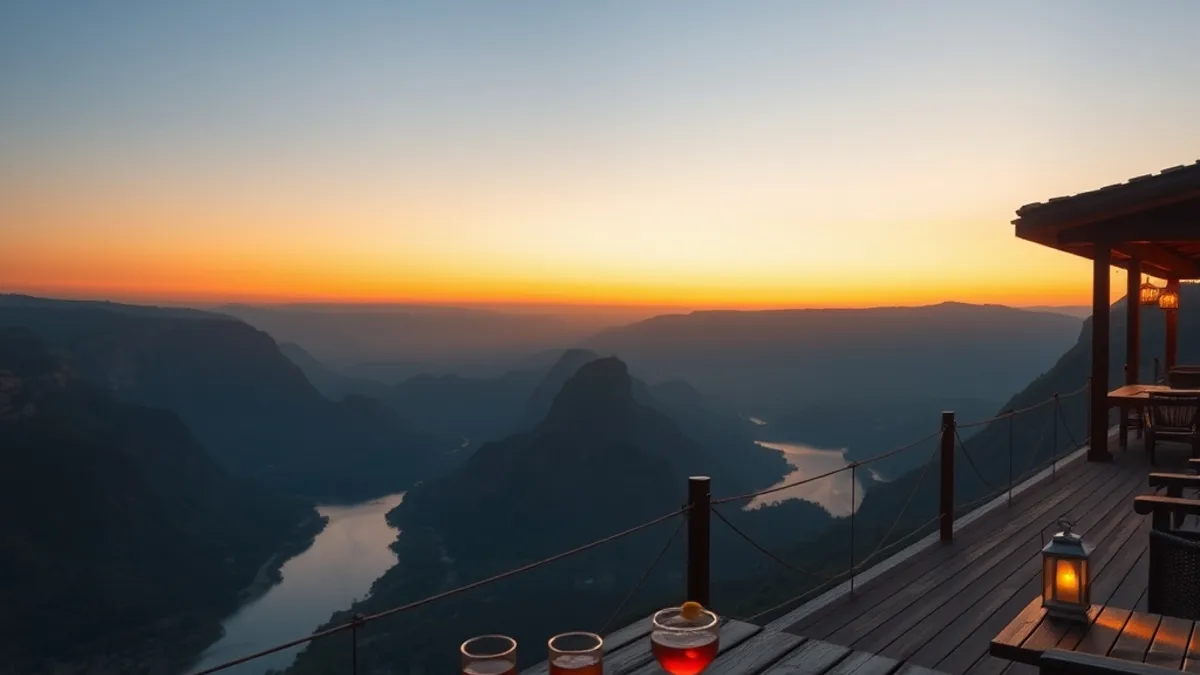
Every safari has a moment everyone remembers, and more often than not it involves a cold drink and a falling sun. Around 5:45 pm, your guide turns off the engine at a viewpoint, a riverbank or an open plain, and the cooler comes out. Gin and tonic is the classic choice, but most lodges also pack beer, wine, soft drinks and local favorites, so nobody is stuck with something they don’t enjoy.
These stops are short and purposeful, usually 20 to 30 minutes. Guides watch the light carefully, because the goal is to be back in camp just after dark, when the bush becomes harder to read and many reserves enforce returning times. It is a strange and wonderful thing to stand beside an open vehicle, drink in hand, watching the sky turn orange while an elephant drinks at the water below.
Back at camp, the evening follows its own gentle script. A fire is already burning in the boma, pre-dinner drinks are poured and stories from the day get compared across tables. Dinner is commonly served between 7:00 and 8:00 pm, often a set menu announced at lunch, and the evening usually ends early because tomorrow starts before dawn.
The rhythm is a large part of why a lodge stay feels so restorative. If you want to see how beautifully this pacing can be done, look at the Rainshore resorts in Botswana for safari serenity and beautifully paced comfort, where the daily structure is built around exactly these unhurried rituals.
Planning Your Lodge Day Around Seasons and Budgets
Not all lodge days are equal, and the season you choose shapes almost everything about yours. During the dry season, roughly June to October, vegetation thins out and animals gather at permanent water, which is why this window delivers the densest and most reliable wildlife viewing. The green season, November to March, brings rain, lush landscapes, migrant birds and a wave of newborn animals, along with a different pace and a friendlier price tag.
Timing your booking matters as much as picking the season. Popular lodges in peak months fill up fast, and the best guides and camps are often fully committed long before the season starts.
- Room category matters: many lodges price tented rooms, family units and private villas differently within the same camp, so choosing a standard tent over a suite can bring a peak-season trip closer to your budget.
- Check what “full board” actually includes: most mid-range lodges cover all game drives, meals and house drinks, but premium wines, spa treatments and private vehicles are usually billed separately.
- Green season trade-offs: some lodges reduce activities or close certain camps entirely in the wettest weeks, so confirm the daily schedule before booking a discounted rate.
- Single supplements: travelers booking solo often face an extra charge at mid-range lodges, which can noticeably change the per-night math.
On cost, expect mid-range full-board lodges to run roughly $350 to $700 per person per night, with drives, meals and drinks typically included. Rates shift year to year, so treat any figure as a starting point and confirm current pricing directly with the lodge or your operator. Book 6 to 12 months ahead for dry-season dates at sought-after camps; green-season stays can usually be secured 2 to 3 months out, and that flexibility is part of what makes the low season so appealing.
A Lodge Day, Summed Up
So what does a lodge day actually look like? It follows a fixed rhythm: a pre-dawn wake-up and morning drive, a generous brunch, a long siesta through the hottest hours, afternoon tea, a second drive and sundowners before dinner. Two guided activities per day are standard, and the midday hours are deliberately left free rather than filled with programming.
The result is a schedule that balances very early starts with long, restful gaps in between. That is why a lodge stay tends to feel both full and unhurried at the same time: you are up before sunrise chasing lions, but you also have hours to swim, read or simply watch the waterhole from your deck. If that mix sounds like your kind of travel, let us know in the comments or share this article with a friend who is planning their first safari.