You’ve found the lodge. The photos look perfect, the location is exactly where you want to be, and then you see the peak-season rate and wince. Shoulder season lodge stays promise the same rooms, the same views and often the same guides for noticeably less money. The question that stops most travelers is simple: what exactly are you giving up in exchange for that discount?
This guide walks through the whole picture. We’ll define what shoulder season actually means for lodge stays and when the windows fall in safari and alpine regions. We’ll cover the trade-offs you accept in weather, wildlife viewing and service, and show where shoulder season pays off most. You’ll also learn when the peak-season premium is genuinely worth paying, how to book for the best rates, and how to pack and plan for unpredictable conditions. By the end, you’ll know whether the savings match your travel style, or whether reliability matters more to you than price.
What Shoulder Season Actually Means for Lodge Stays
Shoulder season is the stretch between a lodge’s high season and its low season, when demand dips but conditions haven’t collapsed. In safari regions, this typically means April-May and October-November. In alpine areas, the shoulder windows fall around mid-June to early July and again from September to mid-October, sitting between the summer peak and the winter ski season.
The appeal comes down to price. Lodge rates in these windows commonly drop 20-40% below peak pricing, and that discount applies to identical rooms in identical locations. You’re not booking a lesser cabin or a view of the parking lot. You’re getting the same suite that peak-season guests pay a premium for, at a fraction of the cost.
Why the discount exists
Lodges price according to demand, not quality. In shoulder months, fewer travelers plan trips, so rates soften to fill rooms. The savings are real, but so is the reason behind them.
The catch is variability. Weather, wildlife viewing and lodge occupancy are all less predictable than in peak months. A shoulder-season safari might deliver superb game drives with empty vehicles around you, or it might bring rain and animals hidden in thick grass. An alpine September stay could offer crisp, clear mornings or a week of low cloud. That unpredictability is precisely what you’re being paid, in savings, to accept.
The Trade-Offs You Accept: Weather, Wildlife and Service
The savings on a shoulder-season lodge stay are real, but they come with three kinds of trade-offs. Knowing them in advance helps you decide whether the discount suits your trip.
Weather and wildlife risks
Weather is the biggest variable. Shoulder months can bring rain showers, colder mornings or unstable conditions, and this is especially true for alpine stays in September and October, when the first cold snaps can arrive without warning. On safari, the shoulder months may mean thicker vegetation after the rains and animals spread wider across the landscape, which can make sightings harder work. The upside is that fewer vehicles gather at each sighting, so the ones you do find often feel calmer and more private.
Service and daylight trade-offs
Service levels can also shift. Some lodges run reduced staff or offer fewer daily guided activities in quieter months, and pools or other facilities may close for maintenance during these windows. If a heated pool or a full activity schedule matters to your stay, ask before booking rather than discovering it on arrival.
In alpine regions, daylight is shorter in the shoulder months, which trims the usable hours for hikes and scenic viewing. A September evening can end early enough that a full day of trails plus a leisurely dinner becomes a tight fit. If your idea of a lodge stay leans toward warm-water relaxation instead, you might consider a coastal alternative, such as the bluewater resorts in South Africa that pair safari elegance with coastal release, where shoulder-season trade-offs look a little different.
Where Shoulder Season Lodge Stays Pay Off Most
Shoulder season isn’t a blanket discount on every lodge everywhere. It pays off most in specific regions during specific windows, where the drop in rates and crowds outweighs the drop in predictability. If you’re the kind of traveler who values quiet and price over guaranteed postcard conditions, these are the combinations worth targeting.
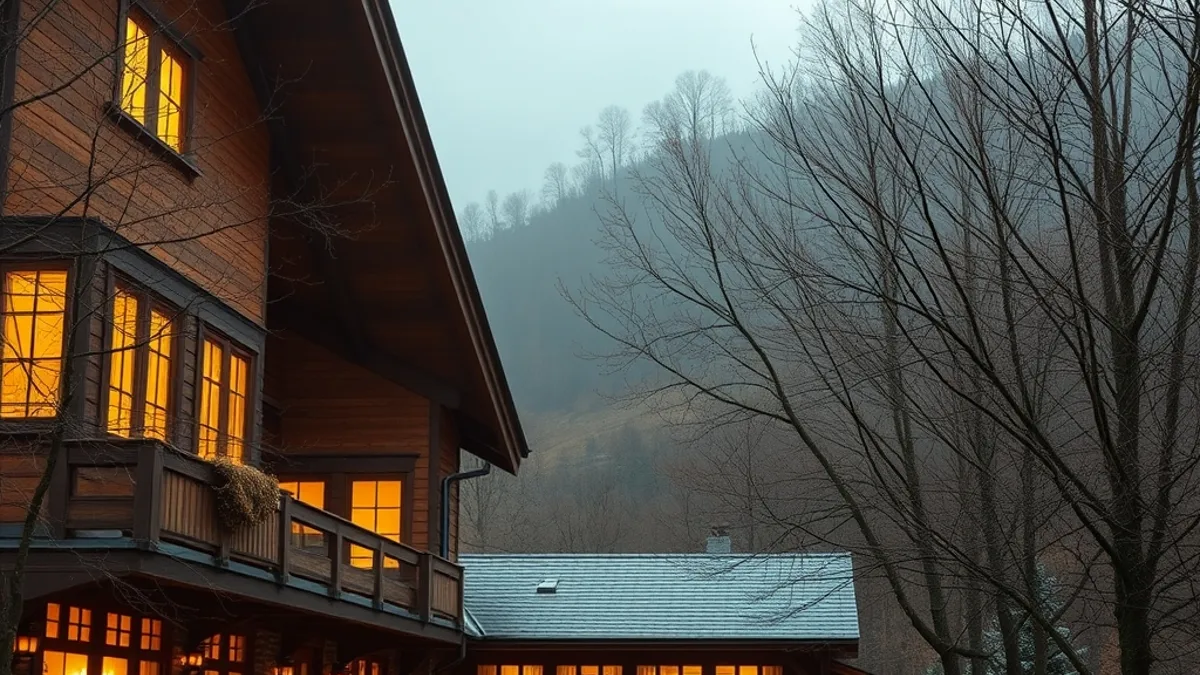
Safari lodges in April-May and October-November are the classic case. Rates soften noticeably, and popular lodges can see 30-50% fewer guests than in peak season, which means fewer vehicles crowding a leopard sighting and more space around the fire at night. Alpine lodges from September to mid-October offer another strong window: snow-crisp views return on the high peaks, trails quiet down after the summer rush, and rates soften with the crowds.
Tropical and lakeside lodges also have their moments. In transition months like May, humidity often dips between the wet and dry seasons, making lakeside decks and shaded verandas far more comfortable than you might expect. For a quiet base near Kenya’s safari country, the spacious homesteads around Nanyuki show how calm and room to breathe become part of the value in quieter months.
A few less obvious shoulder-season wins to consider:
- Midweek stays in shoulder windows often cost less than weekends in the same window, so shifting your dates by a day or two can stretch the discount further.
- Smaller lodges with a handful of rooms feel the drop in occupancy most, which makes them more willing to negotiate or add value in quiet months.
- Lodge-heavy areas that peak with school-holiday families empty out dramatically in shoulder months, changing the atmosphere from busy to almost private.
When the Peak-Season Premium Is Worth Paying
Shoulder season savings only matter if you actually have the flexibility to use them. If your trip is locked to school holidays or a short window of annual leave, peak pricing is often the smarter buy. You are paying for reliability you cannot reschedule: full staff, all facilities open, and the best odds of good weather during the exact days you can travel.
When timing is everything
Wildlife-dependent trips are the clearest case for paying the peak-season premium. If your whole safari is built around river crossings or a specific migration movement, arriving a few weeks early or late can mean missing the spectacle entirely. In these situations, peak rates are simply the cost of being in the right place at the right time, and trying to shave the budget with a shoulder-month booking can undermine the entire trip.
First-time visitors may also prefer peak season. A first safari or alpine lodge stay usually comes with high expectations, and peak months deliver the full experience: every guided activity running, pools and dining venues open, and wildlife viewing at its most predictable. Shoulder trade-offs like reduced services or unsettled weather can feel like a letdown when you have no prior trip to compare them with. If this is likely to be a once-in-a-decade journey, the premium often buys peace of mind that shoulder savings cannot match.
How to Book Shoulder Season Lodge Stays for the Best Rates
Getting a genuinely good shoulder-season rate takes a bit more planning than simply booking early or waiting for a last-minute deal. Lodges price these windows dynamically, so the same room can carry several different rates depending on when you enquire, how long you stay and which nights you choose. A few practical steps make a real difference to what you pay and what you get, and none of them requires inside knowledge or special contacts. What they do require is a short round of questions before you hand over a deposit, because shoulder-season pricing rewards travelers who ask rather than assume.
- Book 3-6 months ahead. This is usually the window where shoulder-season rates are at their lowest, before lodges adjust pricing upward as demand firms for those dates. Waiting until closer to travel rarely improves the price in these quieter months, and popular lodges can fill their limited shoulder inventory early precisely because the value is obvious to repeat guests.
- Ask directly what operates in your travel month. Some lodges trim services in shoulder season, such as fewer guided activities per day or certain facilities closed for maintenance. Confirm exactly what will be running before you commit, so you are comparing like for like. A discounted rate means less if the reason you chose the lodge is unavailable during your stay.
- Compare midweek versus weekend rates. Shoulder discounts are often deepest midweek, when local weekend demand is absent. Shifting your stay by a day or two can noticeably change the nightly rate, so it pays to price out several arrival and departure combinations before settling on dates.
- Check minimum-stay requirements. Some lodges relax these in shoulder windows to fill rooms, while others tighten them around events or holidays. Knowing the rule before booking avoids awkward surprises when you try to split a stay between two properties or shorten a planned visit.
None of these steps takes long, but together they can easily swing the final price by a meaningful margin. A short email exchange with the lodge or your operator covering all four points is usually enough to lock in the best available deal for your dates. Put the replies in writing so you have something to refer back to at check-in, and reconfirm any special arrangements a week or two before arrival.
Packing and Planning for Unpredictable Shoulder Conditions
Shoulder season rewards travelers who pack and plan for variability rather than betting on perfect conditions. The goal is not to eliminate the unpredictability, but to make sure a cold morning or a rainy afternoon does not turn into a wasted day. A little preparation goes a long way, especially in alpine regions where conditions can swing sharply within a single day, as anyone who has stayed at an alpine estate with timber warmth and snow-crisp views in early autumn will tell you.
- Pack layers for alpine stays. Mornings can sit near freezing even in September, while afternoons warm up enough for light hiking gear. A base layer, insulating mid-layer and windproof shell let you adapt without overpacking.
- Bring proper rain protection for safari months. Showers can arrive without warning in shoulder windows, so a packable rain jacket and dry bags for cameras and electronics are more useful than a bulky umbrella.
- Build slack into your itinerary. Leave room to shift a hike, game drive or boat trip to the following day, so one washed-out morning does not derail the whole stay.
- Confirm transfer and activity schedules in advance. Frequencies can drop in quieter months, and assuming peak-season timetables can leave you stranded between lodge and airport or missing a booked excursion.
Treat your packing list as part of the booking process. Ask the lodge what the typical conditions are in your travel month, then pack for the range they describe rather than the season you wish you were visiting. Lodges in shoulder windows deal with changeable weather regularly, so their front desk teams can usually tell you exactly what to expect, from fog on the trails to afternoon thunderstorms.
It also helps to think about comfort at the lodge itself. Evenings in quieter months tend to be cooler, so a pair of warm socks, a light beanie and something comfortable to read by the fire make a real difference. If you are heading out on early game drives, a buff or scarf takes the edge off the wind in an open vehicle.
The travelers who enjoy shoulder season most are usually the ones who expected a little weather and came prepared for it. Pack for the range, not the average, and the savings and quiet trails become a bonus rather than a compromise.
The Bottom Line on Shoulder Season Value
Shoulder season lodge stays come down to a simple exchange: you give up some certainty about weather, wildlife and full service, and in return you typically pay 20-40% less than peak-season rates while sharing the lodge with far fewer guests. What you are actually giving up is predictability, not necessarily quality.
The best results come from matching the right region to its right shoulder window and booking 3-6 months out to lock in the lowest rates. For flexible travelers who accept a bit of unpredictability, the value gap over peak season is hard to beat. If that sounds like your kind of trip, share this article or leave a comment with your own shoulder season experiences.