Many travelers hesitate to book a remote safari or wilderness lodge because they are unsure the kitchen can handle a serious nut allergy or keep a vegan fed for a week. It is a fair worry: these kitchens are often small, far from the nearest supermarket, and working with whatever arrived on the last supply run. The good news is that lodge dietary requirements are very manageable when you know what to say, and more importantly, when to say it.
This guide walks through the whole process. We explain why remote lodges need more notice than city hotels, how far in advance different dietary needs should be flagged, and what to ask when managing serious allergies. We also cover vegan and vegetarian meals in the bush, special meals on game drives and light-aircraft transfers, and exactly what to include in your dietary request so it reaches the kitchen, not just the reservations desk.
Why Lodge Dietary Requirements Need More Notice Than Hotel Kitchens
The biggest difference between a lodge kitchen and a hotel kitchen is not skill, it is logistics. A city hotel can send someone to a corner store or call a supplier the same morning. A remote lodge typically orders fresh supplies on weekly or twice-weekly runs, often timed around light-aircraft deliveries or a long drive to the nearest town. If you announce on arrival that you are vegan, the kitchen may simply have no plant-based proteins in stock, because nobody planned a menu around them that week.
The way food is cooked matters too. Small bush kitchens usually serve somewhere between 10 and 30 guests per sitting, and they cook set menus for everyone at the same time. That is wonderful for atmosphere and quality, but it means there is rarely an à la carte alternative waiting in the back, unlike a city hotel where the chef can improvise a plate on request.
Why open-air kitchens change the safety picture
Allergen handling also works differently. Many lodge kitchens are open-air or semi-open, with shared counters, shared frying oil and staff moving between dishes in close quarters. In a sealed hotel kitchen, physical separation is easier to maintain. In a bush kitchen, advance planning becomes the main safety tool: the chef needs warning to set aside separate surfaces, prep your food first, and adjust the day’s menu before the ingredients are already committed to other dishes.
How Much Notice Different Dietary Needs Actually Need
The timing of your notice should match the size of the change you are asking for. Allergies and coeliac needs sit at the top of the list, because the kitchen may need to source substitute products, such as gluten-free bread or alternative flours, and those items often have to be added to a supply order. Flag them at booking, ideally 30-60 days before arrival, so substitutes can be sourced before the relevant supply runs.
Vegan and other full diet changes at remote lodges typically need 14+ days of notice, since they affect every course of every meal. Larger resorts, with bigger stores and daily deliveries, often manage with 48-72 hours. The rule of thumb is simple: the more remote the property and the bigger the dietary change, the earlier you should speak up.
Once you have given notice, do not assume the message stuck. Reconfirm 7-14 days before arrival, and for severe allergies, reconfirm again on arrival day and at your first meal.
- Allergies and coeliac needs: declare at booking, 30-60 days out, so gluten-free or allergen-free substitutes make it onto the next supply run rather than waiting for the one after.
- Vegan and full diet changes at remote lodges: allow 14+ days, because the chef will usually redesign the set menu around you rather than just remove ingredients.
- Vegan requests at larger resorts: 48-72 hours is often enough thanks to bigger pantries and more frequent deliveries, but confirm rather than assume.
- Reconfirmation for remote properties with set menus: check in again 7-14 days before arrival, when final menus and shopping lists are usually being drawn up.
- Severe allergies: reconfirm on arrival day and again at your first meal, so the kitchen and your specific host are both aware before food reaches the table.
Managing Serious Allergies at a Remote Lodge
A serious allergy at a remote lodge is manageable, but only if the kitchen knows exactly what it is dealing with. Vague warnings create risk; specific, written details let staff put real safeguards in place before you arrive. The steps below turn a worried note into a workable plan.
- State the allergy in writing at booking, with full detail. Name the allergen, describe the severity, and explain your cross-contamination concerns. Say clearly whether the allergy is airborne or contact-based, because that changes whether you can safely sit near a dish being prepared or served.
- Ask specific kitchen questions. Find out whether meals can be prepared on separate surfaces, with your food cooked first, and whether staff follow a documented emergency protocol. The answers tell you whether the lodge can genuinely protect you or whether you should look elsewhere.
- Carry your own medication and confirm cold storage. Bring your epinephrine auto-injector or other emergency medication with you in your hand luggage, and ask in advance whether refrigeration is available for it. Some camps lack full medical facilities on site, so your own supplies are your first line of defense.
Timing matters as much as detail. Flag the allergy at booking, ideally 30-60 days before arrival, so the chef can adjust supply orders before the next delivery run. Then confirm again 7-14 days before arrival for remote properties with set menus, since staff turnover and menu changes can cause written notes to get lost along the way.
On arrival day, reconfirm in person and again at your first meal. Remind your guide too, because game drives often include packed breakfasts or bush brunches prepared separately from the main kitchen, and your allergy needs to be flagged for those meals as well.
Do all of this early rather than at check-in. A written allergy summary gives the chef time to plan menus, brief staff and adjust orders, which is far more reliable than explaining everything after a long travel day. If any answer along the way leaves you uneasy, raise it with the lodge directly before you travel, not after you land.
Vegan and Vegetarian Meals in the Bush
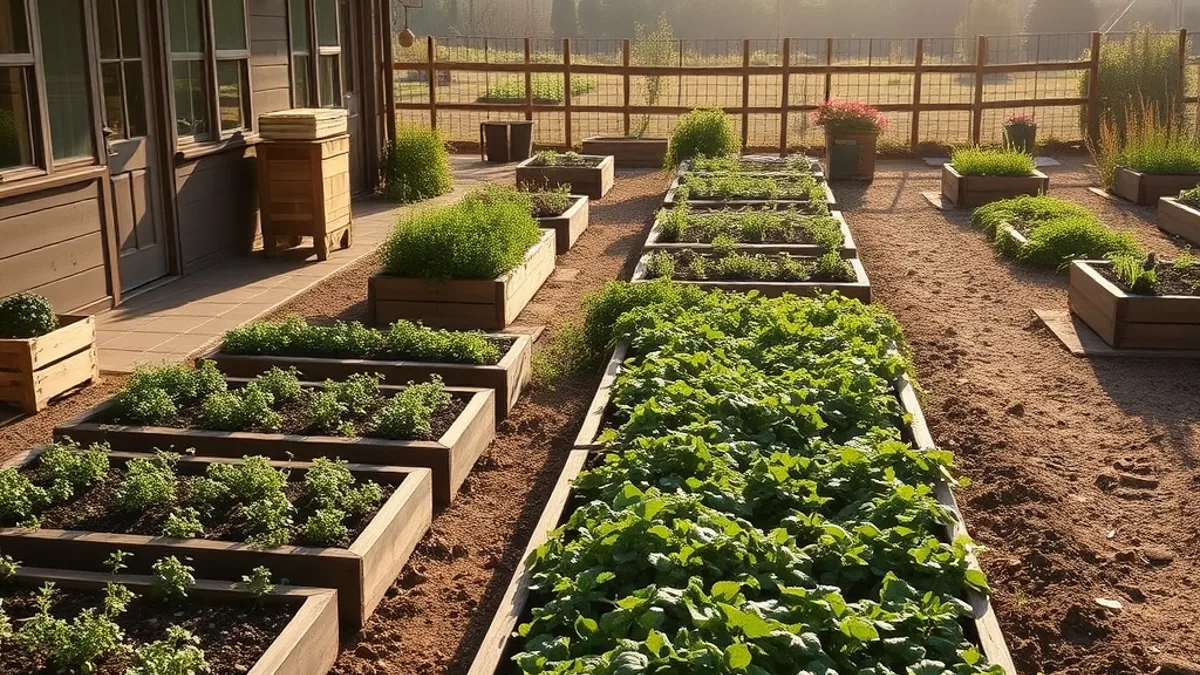
Plant-based dining in the bush has improved enormously in recent years, but capability varies widely from lodge to lodge. The single best indicator is how a lodge sources its produce. Ask whether the kitchen grows its own vegetables in a garden plot or buys from local markets on supply runs. Lodges with garden-to-table setups or regular market access usually have the flexibility and ingredient range to cook genuinely interesting vegan meals, not just pasta with tomato sauce.
It is also easy to forget that meals at a safari lodge happen in more places than the main dining tent. Early bush breakfasts, sundowner snacks by the vehicle, and fireside nibbles before dinner are all part of the experience. If vegan options only cover the evening menu, you may find yourself picking at fruit while everyone else enjoys pastries and cheese boards. Ask specifically whether plant-based choices extend to every eating occasion, including drinks and snacks served around the campfire.
Ask for a sample menu before you book
Many lodges are happy to email a sample vegan menu if you request one in advance. This is far more useful than a simple “yes, we can cater for vegans,” which can sometimes mean side dishes and salads. A sample menu shows you the real variety on offer: whether the kitchen works with legumes, plant milks, and creative mains, or whether you would be eating the same vegetable stir-fry three nights running. If the sample looks thin, that is your cue to either choose a different lodge or bring the topic up early enough for the kitchen to plan something better. The more lead time you give, the more likely the chef will enjoy the challenge rather than scramble to improvise.
Meals Beyond the Dining Table: Drives, Flights and Picnics
Your dietary needs do not stop at the dining tent door. Some of the most memorable meals on safari happen away from the lodge, and those are exactly the meals that get overlooked when you make your dietary request. A vegan or coeliac guest who is carefully catered for at dinner can still end up with a plain bread roll on a morning drive if nobody planned ahead.
Early game drives are the classic example. Because drives often leave before sunrise, lodges commonly pack breakfast to enjoy at a scenic stop, or serve a bush brunch mid-morning. These meals are prepared separately from the main kitchen service, sometimes even the night before, so your requirements must be repeated for them specifically. The same applies to full-day excursions with picnic lunches, which should be flagged at the same time as your main dietary notice rather than mentioned casually the evening before.
- Packed breakfasts: Ask whether your packed meal will include the same substitutions as your in-lodge meals, since these are often assembled by different staff or prepped ahead of the evening service.
- Picnic lunches on full-day drives: Confirm that hot or cold drinks served in the field can be made with your preferred plant milk, or that you can carry your own small supply.
- Light-aircraft transfers: Strict luggage limits on small charter flights may restrict how much of your own special food you can bring, so check weight allowances with your operator before packing backup snacks.
- Sundowner stops: Snacks served with evening drinks in the bush are often shared platters, so ask whether a separate plate can be set aside for allergen or vegan needs.
A good rule of thumb: every time your itinerary takes you away from the main kitchen, say so in writing and repeat your requirements. It takes one extra sentence in your booking email and saves a lot of hungry mornings.
What to Put in Your Dietary Request
A vague dietary note is the most common reason requests fail. “Dietary restrictions: yes” tells a reservations desk almost nothing, and by the time the message is passed on to a remote kitchen, the useful detail has evaporated. Small bush lodges commonly serve 10-30 guests per sitting, which makes custom meals genuinely possible, but only if the kitchen knows precisely what it is working with before it places its next supply order. Write your request like a short brief: specific, complete, and easy to forward.
- Name each requirement explicitly. Write “tree nut allergy,” “coeliac disease,” “vegan,” or “halal” as separate items rather than grouping them under “dietary restrictions.” A chef planning a supply run needs to know exactly what to buy and what to keep out of the kitchen.
- Explain the severity and nature of each need. Distinguish between a medical condition and a preference. A lactose intolerance may allow small amounts or trace contact, while a coeliac guest needs strict separation. Telling the kitchen which is which lets them calibrate how careful to be.
- Include cross-contamination details for allergies. If a nut allergy is severe, say so, and mention whether it is contact-based or airborne. This determines whether the kitchen needs separate surfaces and utensils or simply a nut-free menu.
- Add your booking reference and travel dates in the same message. A dietary note sent without these details often stops at the reservations inbox and never reaches the kitchen. Including your reference and dates in the same email means the note can be attached directly to your file and passed on with your booking.
- Put it in writing, not just on a form. If a booking form has a small dietary box, send a follow-up email as well. Written requests create a record that survives staff changes and busy check-in days.
Think of your dietary request as part of your booking, not an afterthought. A clear, itemized message sent alongside your reservation gives a remote kitchen the time and information it needs to source substitutes, plan menus, and brief staff properly. It also gives you something to refer back to when you reconfirm before arrival, so nothing gets lost between the reservations desk and the chef. The guests who eat best at remote lodges are usually the ones whose requirements arrived early, in writing, with every detail spelled out.
Eating Well at Any Lodge
A remote lodge kitchen can almost always handle allergies and vegan diets safely — but only if it knows about them early. The good news is that the process is simple: declare your needs at booking, reconfirm them before arrival, and repeat them for drives, picnics and any meal away from the dining table.
Remember that timing matters more in the bush than at a resort. Remote kitchens need longer lead times, with 30-60 days ideal for allergies and 14+ days for vegan menus. And a written, specific request reaches the kitchen far faster than a vague note made at check-in. If this helped you plan your trip, leave a comment or share the article with a fellow traveler.