Many travelers freeze up with their cameras at lodges, unsure when a photo is welcome and when it crosses a line with staff, ceremonies or villagers. You spot a guide adjusting a tracker’s seat, a kitchen team mid-preparation or a group of elders gathered near the fire, and the question hits: is this a picture or an intrusion? That hesitation is a good sign, because it means you care about the people who make a lodge stay memorable.
This guide to lodge photography etiquette walks you through the moments that matter most. We cover how to prepare before you even raise the camera, how to photograph staff with respect, and how to behave on shared game drives. You’ll also find advice on rituals and sacred moments, visiting local communities, practical gear logistics, and the quiet rewards that come from shooting considerately. Follow these habits and your images will carry more than good light.
Why Lodge Photography Etiquette Starts Before You Raise the Camera
The best lodge photography etiquette begins long before you spot your first subject. It starts at the check-in desk, where a two-minute conversation can save you real embarrassment later. Ask the front desk which areas of the property are camera-friendly, because pools, spa zones and dining rooms often carry privacy expectations that aren’t posted anywhere. A fellow guest reading on a sun lounger did not consent to appearing in your portfolio, and neither did the couple at the next table.
Get the drone policy in writing
Drones deserve special attention. Most national parks and private reserves across southern and East Africa ban drones entirely, and many lodges enforce the same rule on their own grounds. If flying matters to your trip, ask for the lodge’s drone policy in writing before you arrive, and confirm it again at check-in. A verbal “probably fine” from a bartender is not permission.
Finally, review your zoom range before departure. A lens in the 200-400mm range lets you photograph distant scenes, wildlife and even staff going about their work without stepping into anyone’s space. Long lenses are not just for animals; they are the politest tool in your bag.
Photographing Lodge Staff With Respect
Staff members are people with jobs and privacy, not scenery. Before photographing a guide, chef or housekeeper, always ask verbally, in plain language, and watch for the answer. A hesitant pause usually means no, and a clear no means no. Accept it without negotiation, without offering money on the spot to change their mind, and without sulking. The portrait you lose is worth less than the trust you keep.
That said, many staff members are proud of their work and happy to appear in a photo, or delighted to show you a viewpoint only they know. When someone poses for you or leads you to a photo spot on their own time, a small tip in the $10-20 range is a fair way to recognize that effort. And when you get a great portrait, don’t let it die on your memory card. Send copies back through the lodge’s front desk; most managers will happily forward them to the person in the frame.
- Learn names before you shoot. A portrait labeled “our tracker Joseph” means far more to the recipient than an anonymous face, and asking a name is itself a natural way to open the consent conversation.
- Offer copies, not just compliments. Staff rarely have photos of themselves at work, so a printed or emailed image is often the most valued souvenir you can leave behind.
- Keep the kitchen door open by closing your camera. If a chef says no to a photo but chats with you about the dish anyway, respect that trade; you still leave with a story.
Camera Manners on Game Drives and Shared Vehicles
Shared game drives are where camera manners get tested most. Keep your lenses inside the vehicle outline at all times; leaning out changes the vehicle’s silhouette and can disturb animals, and it puts your arms near a guide’s working space. Just as important, never ask a guide to reposition the vehicle solely for your shot. Guides juggle several guests, animal welfare and park rules at once, and a good angle usually comes to those who wait.
Timing solves most of this. The best wildlife light runs roughly from 06:00-09:00 and again from 16:30-19:00, and these windows already structure typical game-drive schedules. Shoot hard within them, then put the camera down and simply watch. When animals or other guests are close, silence your shutter sounds and skip flash entirely; a sudden burst of light or noise can end a sighting for everyone in the vehicle. Keep your voice low too, since sound carries across open savanna far more than most first-time safari guests expect.
Patience is the quiet skill that separates good safari photographers from frustrated ones. A pride of lions that seems asleep at 06:15 may stretch, yawn and walk straight past your vehicle twenty minutes later. If you leave a sighting too early because nothing is happening, you often miss the very moment everyone hopes for. Trust your guide’s read on the situation, stay seated when the vehicle is moving, and let the scene come to you rather than chasing it.
- Rotate seats on multi-day trips. Agree early with fellow guests on rotating the best photography seats so nobody spends three days shooting through someone’s shoulder.
- Pre-set your camera before the sighting. Fumbling with settings while a leopard moves costs shots and adds noise; dial in exposure and focus mode during the quiet stretches between animals.
- Share your keeper frames. If you capture the moment everyone missed, offer it to the vehicle; it turns a shared drive into a shared memory.
Respecting Rituals and Sacred Moments
Lodges often host moments that were never designed for an audience: a sunrise blessing before a wedding, a staff choir rehearsal, a blessing of the harvest shared with a neighboring village. The safest habit is simple. Ask your host whether a ceremony, blessing or staff gathering is private before you even lift the camera. A quiet question at breakfast or to your guide takes ten seconds and prevents an awkward situation that no apology fully repairs.
If you are invited to photograph, treat the invitation as the privilege it is. Cultural ceremonies typically prohibit flash and drone use without written permission, so plan to work with available light instead. That usually means pushing your ISO higher than you would like and steadying yourself against a post or tree rather than stepping closer. The grain is worth it; a disrupted ritual is not.
Where to stand and how to behave
Stay at the edge of the gathering, well behind the seated elders or participants, and resist the urge to circle for a better angle. Move only during natural breaks, never during a prayer or song. Reach for a long telephoto instead, something that covers distant subjects comfortably, so you can capture expressions and detail without leaning into anyone’s space. And put the drone away entirely: ceremonial sites and sacred ground almost always ban aerial filming, and the sound alone can end your welcome on the spot.
Shooting Around Local Communities
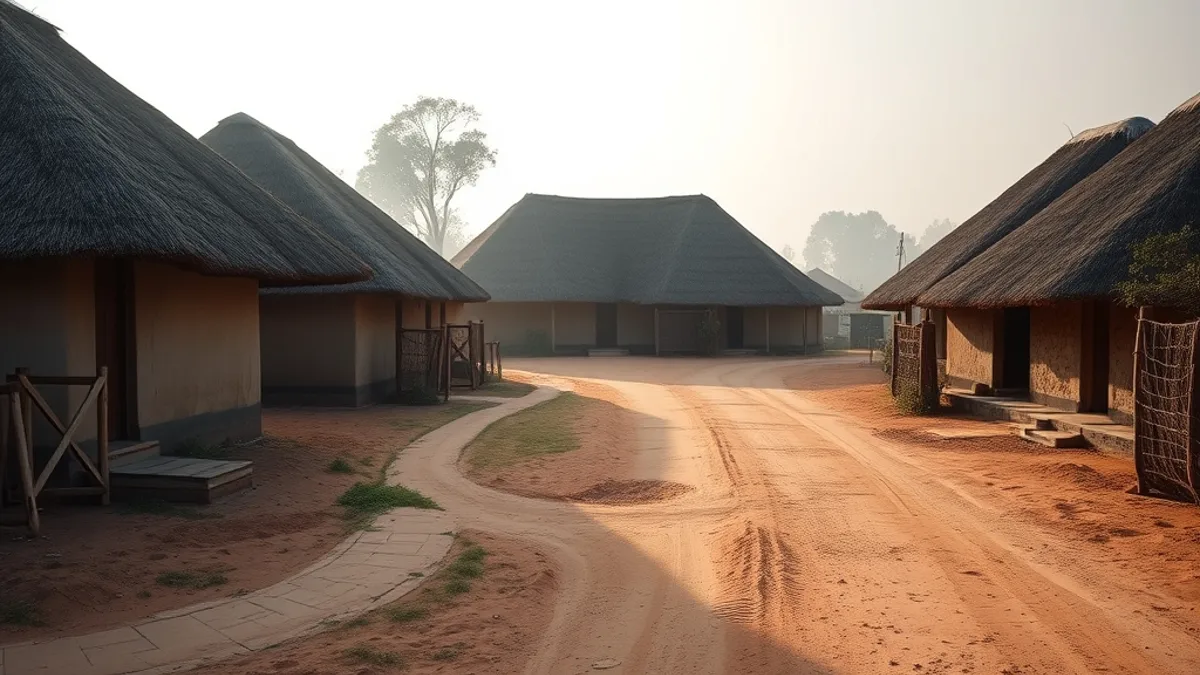
Many lodges near traditional communities arrange short village visits for guests, usually lasting 1-3 hours and costing about $20-50 per person. These organized visits are the easiest way to shoot with a clear conscience, because consent norms are explained locally before you arrive. Your host or local guide will tell you which households welcome cameras, which spaces are private, and how people prefer to be approached. Going it alone, camera in hand, rarely produces the same welcome.
Markets and craft workshops deserve a slower approach. Rather than walking up to someone’s face for a portrait, shoot from a respectful distance with a longer lens, capturing hands at work, rows of produce, or woven patterns drying in the sun. If you want a closer portrait, ask in person and accept the answer you get. A refusal usually costs you nothing but a moment; a yes, freely given, makes a far better image anyway.
- Learn a greeting in the local language before your visit; being able to say hello and thank you makes every photo request warmer and more likely to succeed.
- If a craftsman demonstrates a technique for you, photograph the process rather than just the finished product, and credit the maker if you share the image publicly.
- Avoid photographing children without a parent or guardian present and agreeing; school hours and schoolyards are generally off-limits to guest cameras.
Finally, support the community in ways that circulate locally. Buy something small directly from the artisans you photographed, pay for the visit through the lodge rather than handing cash to individuals, and let your local guide know their time was valued. Money spent this way keeps working in the village long after your memory cards are full, and it turns a single visit into a welcome you can count on next time.
Practical Logistics for Lodge Photographers
Good safari photography is as much planning as it is craft. Many lodges ask guests to book private guides, photo hides or specialist photography guides 2-4 weeks ahead in high season, and the best ones fill first. If a dawn hide session or a private vehicle is central to your trip, secure it when you reserve your room rather than hoping something opens up at the front desk. If you are still choosing a property, a slower-paced option like rainshore resorts in Botswana for safari serenity and beautifully paced comfort tends to suit photographers who want time at each sighting.
Then protect the gear that has to survive the trip. Safari dust and long drive days are hard on cameras, and batteries drain faster than you expect when you are reviewing images each evening. Carry more spares than you think you need.
- Pack a rocket blower, several microfiber cloths and a rain cover; a single dusty game drive can coat every button and dial you own.
- Bring a hard-sided, dust-sealed case or dry bags for transit between light aircraft and vehicles, where baggage compartments are rarely gentle.
- Carry a two-plug adapter or small power strip if you shoot with multiple bodies, since in-room outlets are often limited to one or two.
- Bring a compact laptop or a portable backup drive so you are not relying on lodge computers, which may not accept card readers.
Back up your cards nightly at the lodge. Power and Wi-Fi are usually most reliable after dinner, when the day’s drives are done and the generator is running steadily. Copy every card to two places before you sleep, and keep one copy separate from the originals in your luggage.
The Quiet Reward of Shooting Considerately
If you have ever hesitated with your camera at a lodge, unsure whether a photo would be welcome or unwelcome, the answer turns out to be simple: ask first, tip fairly and keep your distance. Those three habits resolve almost every awkward moment with staff, ceremonies or villagers, and they cost you nothing but a little patience.
Respectful photographers leave with better portraits, warmer welcomes and often invitations back, because people remember how you made them feel long after they forget your gear. Access like that is something no lens can buy. If these tips helped you pack with more confidence, leave a comment or share this article with a fellow traveler.