Booking a remote wilderness lodge is a leap of faith, and the pool and spa are often where that leap feels riskiest. A few glossy photos can’t tell you whether lodge pools and spa facilities will be a genuine highlight of your stay or a small, chilly afterthought squeezed behind the main building. Many travelers only discover the truth after check-in, when it’s too late to change plans.
This guide walks through what you can realistically expect. We’ll cover what these facilities typically look like at wilderness stays, the different pool types and what they’re actually designed for, and how spa treatments work in remote settings. You’ll also find how wildlife and climate shape pool design, when to book spa slots and plunge pools, how to judge quality before you pay, and how to match the right lodge to the amount of pool and spa time you want.
What Lodge Pools and Spa Facilities Look Like on Wilderness Stays
Wilderness lodges design their pools around the landscape, not around swimming. The main pool is usually a compact infinity or deck pool, typically around 10 to 15 meters long, positioned to frame a waterhole, river bend or valley rather than to accommodate laps. You’ll often find it within easy reach of the lounge and dining area, so guests can drift between game viewing and a cool drink without much walking.
Private plunge pools are the clearest marker of an upper-tier property. When a suite comes with its own small pool on a private deck, you’re generally looking at a 4- or 5-star lodge, and typically a higher rate to match. At mid-range to luxury properties, expect roughly one main pool plus one or two private plunge pools, so suite-level access is genuinely limited inventory rather than a standard feature.
Spa setups vary more than pools do
Spa facilities span an enormous range in the wilderness world. At the modest end, a lodge may operate a single massage tent set slightly away from camp, with one or two therapists and a short treatment menu. At the larger end, lodges with 20 or more rooms sometimes build full wellness suites with treatment rooms, saunas and steam rooms. Most properties sit somewhere in between: a dedicated spa area with an open-air deck, a couple of treatment spaces and a small relaxation lounge. Knowing which end of that spectrum a lodge occupies helps you set expectations before you book.
Pool Types You’ll Encounter and What They’re Actually For
Not every lodge pool exists for the same reason, and understanding the design intent helps you choose where to spend your downtime. The most common type in safari regions is the viewpoint pool, deliberately angled toward a waterhole so you can watch elephants or antelope come to drink while you swim. Expect shaded loungers arranged along the deck and, at many lodges, a bar or drinks station within a few steps of the water.
Heated plunge pools and hot tubs serve a different purpose entirely. In winter months, particularly June through August in southern Africa, mornings and evenings can be genuinely cold on an open game viewer, and a heated pool or hot tub is what keeps the water usable outside the warm middle of the day. Natural rock or “bush” pools take the opposite approach: they’re shaped and finished to blend into the landscape, which makes them photogenic and atmospheric, but that rustic character comes with trade-offs.
- Viewpoint pools: because they face active waterholes, the best loungers are claimed early, so arrive before the mid-morning game lull if you want a front-row seat.
- Heated plunge pools and hot tubs: they’re usually smaller than they look in photos, often fitting two to four people comfortably, so they work best as a private wind-down rather than a social hub.
- Natural rock and bush pools: most have no heating and many close earlier in the evening than the main lodge area, partly for safety and partly because they sit away from lit walkways.
- Location within camp: some pools sit right beside the main deck while others are a short walk away, which matters if you plan to swim before breakfast or after dinner.
Spa Treatments and Wellness Offerings in Remote Settings
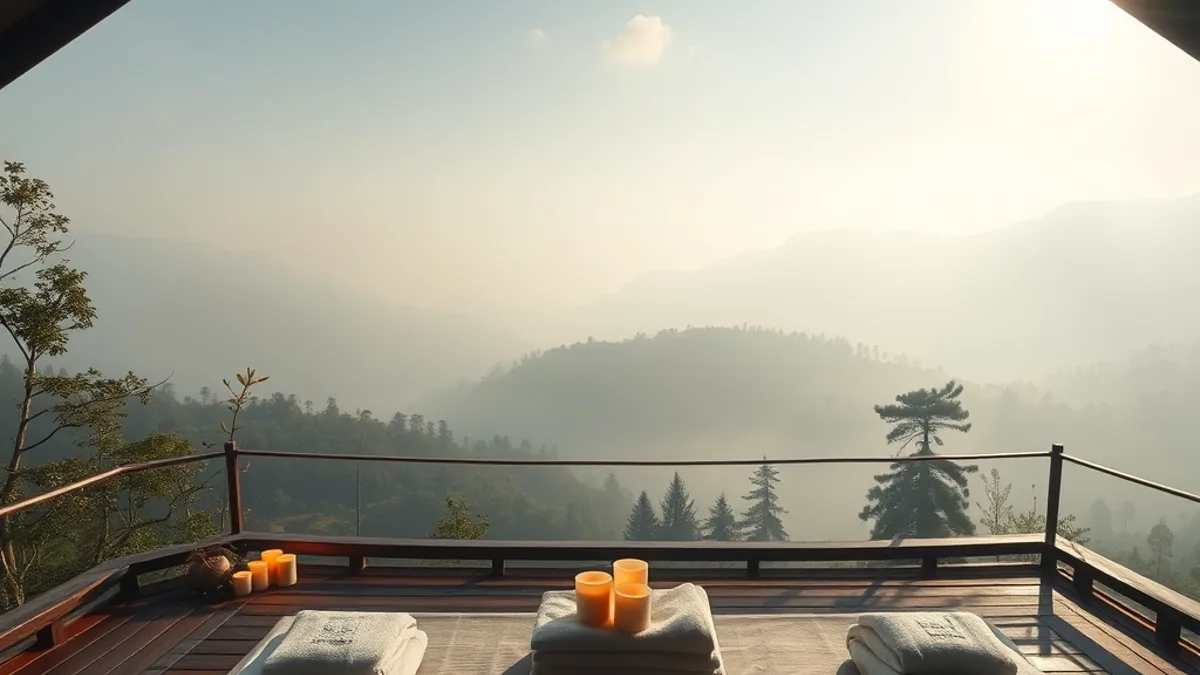
Spa menus at wilderness lodges lean heavily on their surroundings, and that’s part of the appeal. Signature treatments tend to use local ingredients and traditions: botanical oils pressed from indigenous plants, hot-stone work using smooth river stones gathered nearby, and ritual-style treatments inspired by African or Asian wellness traditions. A typical menu might pair a body scrub with a massage, or offer a “safari spa” package that combines treatments with time in a relaxation area overlooking the bush.
What treatments cost in remote settings
Pricing runs from accessible to firmly luxury. A 60-minute massage typically starts around $60 at simpler bush spas and climbs to roughly $120 at more polished properties, while half-day packages at luxury lodges can reach about $250. Treatments are almost always charged as extras on top of your room rate unless the lodge explicitly says otherwise, so factor them into your budget before arrival rather than deciding on the spot.
One practical detail catches many guests off guard: treatment spaces are frequently open-air decks or canvas tents rather than enclosed rooms. That’s atmospheric, but it means your massage shares the environment with the weather. Book early morning or late afternoon slots to avoid midday heat, and ask the spa how they handle windy or rainy days, since some lodges will move treatments indoors or reschedule. If you’re staying at a small property, remember there may be only one or two therapists on staff, so popular slots fill quickly and flexibility helps.
How Wildlife and Climate Shape Pool and Spa Design
The biggest design driver at a wilderness lodge is not aesthetics — it’s what walks past at night. In safari regions, pool decks are typically fenced or guests are escorted back to their rooms after dark, because animals move through camp grounds once the sun goes down. A fence around the pool doesn’t spoil the experience; it simply means you can swim while an elephant drinks at the waterhole a safe distance away. Always follow the lodge’s rules about moving around after dark, no matter how short the distance looks.
Climate shapes the facilities just as much. Desert and tropical lodges prioritize shaded pools, deep overhangs and misting fans, since midday heat can make an open deck unusable for hours. Cold-climate properties take the opposite approach: alpine and Baltic retreats lean on saunas, hot tubs and indoor pools rather than outdoor swimming, so the wellness experience continues through snow and frost.
When the water itself is the pool
Some lodges built along rivers, lakes or the coast skip a constructed pool entirely and point guests toward natural swimming spots instead. It’s a fair trade — a safe, designated stretch of river or a calm lake bay can beat any deck pool — but check whether swimming is seasonal, tide-dependent or guided. For a sense of what a water-focused stay looks like, this account of lakeside cabins with sauna nights on Finland’s Saimaa shows how the lake and the sauna replace a conventional pool altogether.
Booking Ahead: Spa Slots, Private Pools and Seasonal Timing
Spa time at a wilderness lodge is a scarce resource, and the lodges with the best settings often have the least capacity. A little planning before you book pays off more here than at a city resort, where you can usually walk in and get a table. The difference comes down to simple logistics: remote camps employ small teams, suites with private facilities are limited, and high-season demand concentrates travelers into the same few weeks. If you arrive with no arrangements made, you may find that the plunge pool you saw in the photos belongs to a different room category, or that the therapist’s schedule is already full for your entire stay. Treat the following as a sequence rather than a menu of options, because each step builds on the one before it.
- Lock in your room category first. Suite-level private plunge pools are limited inventory — often just one or two per property — so request one at the time of booking rather than hoping one frees up on arrival.
- Reserve spa treatments two to four weeks ahead. At small lodges with only 8-12 suites, there may be just one or two therapists on staff, which means slots fill quickly and in-camp scheduling gets tight.
- Time your trip for shoulder season. In southern Africa, May-June and September-October typically bring rates down by 15-30%, while pools and spas remain fully operational — you get the same facilities for less.
- Confirm everything in writing. Once you’ve requested a plunge pool and booked treatment times, ask the lodge to confirm both on your reservation so nothing is left to chance at check-in.
The payoff for this planning is real: you arrive knowing your suite has its own pool, your massage is on the calendar for your first full day, and you paid less for the privilege than high-season guests did. It also frees up mental space for the things that actually make a wilderness stay memorable — the early game drives, the sundowners, the evenings around the fire. Wilderness lodges reward travelers who treat facilities as part of the booking rather than an afterthought, and the effort involved is minimal: a few emails, a couple of date choices, and a written confirmation. Do that, and the pool deck and treatment tent become highlights of the trip instead of sources of mild disappointment.
How to Judge Pool and Spa Quality Before You Book
Lodge websites sell the dream; guest photos show the reality. Before committing to a stay where the pool or spa is a major part of your decision, spend twenty minutes doing a bit of detective work. Marketing renders can make a modest deck pool look like an infinity edge over the savanna — recent traveler photos rarely lie about heating, shade or whether the loungers actually face the view promised.
The spa deserves the same scrutiny. Ask directly whether therapists are employed year-round or brought in seasonally, because this changes availability in low season — a “spa” that’s staffed only in peak months may be closed during your dates. Then get specific about the pool itself with questions like these:
- Pool heating: ask whether the main pool or plunge pools are heated, and whether heating runs all day or only during set hours — it makes the difference between a swim and a shiver in cooler months.
- Access hours: confirm when the pool opens and closes, since some lodges shut decks at dusk for safety or restrict access to daylight hours only.
- Children’s swim times: ask whether family swim sessions are scheduled, and whether they effectively block adult use of the main pool during the best light of the day.
- Towel and service setup: check whether towels, shade and drinks service are provided at the pool, or whether you need to bring items from your room each time.
Two or three honest email exchanges with the lodge will usually answer all of this. Properties with genuinely good pool and spa facilities tend to respond with specifics; vague replies are themselves a useful signal about what you’ll find on arrival.
Choosing the Right Wilderness Lodge for Pool and Spa Time
The difference between a highlight and an afterthought usually comes down to matching the facility to your trip. A safari itinerary rewards a game-viewing pool where you can watch the waterhole between swims, while a cold-climate stay is all about saunas, hot tubs and indoor warmth. If you’re torn between a private plunge pool and a shared view pool, weigh the price gap against how much time you’ll actually spend at camp rather than out on game drives.
Two practical moves make the biggest difference. Lock in spa bookings early, especially at small lodges where one or two therapists cover everyone, and consider traveling in shoulder season, when rates drop 15-30% in southern Africa while pools and spas stay fully operational. Do that, and the photos you took before booking will match the reality you find. If this helped you plan your stay, leave a comment or share the article with a fellow traveler.