Picture this: you have finally saved up for that dream safari, found the perfect tented camp on the edge of the plains, and then discover it is shut for the season. Seasonal camp closures catch many travelers off guard, and they do more than just disappoint — they quietly reshape when you should book and which dates are even worth chasing.
When a camp closes for several weeks each year, its open months become scarcer and more competitive, especially in peak season. In this article, we explain why camps close at all, how those closures shrink your booking window, and how green season versus dry season rates change the math. We also cover when to book around closures, how to time your stay around the Great Migration, how to check exact closure dates before you commit, and why planning around closures can actually save you money.
Why Seasonal Camp Closures Happen
Safari camps are not open year-round, and the main reason is simple: weather. During the heavy rains, typically in April and May, dirt tracks flood, some roads become impassable, and animals disperse into thick, green vegetation where spotting them is far harder. Game viewing drops noticeably, and getting guests in and out safely becomes a daily challenge rather than a routine transfer.
Closures are also a maintenance window
Many lodges use the quiet weeks for work that is impossible with guests around. A closure of 4-8 weeks is often spent on renovations, repainting and rethatching, rebuilding walkways, and refreshing tent interiors before the dry season rush arrives. Staff training happens in the same window, so teams return sharper and better prepared for the months ahead.
There is also a straightforward business logic at play. Green season occupancy is low, so running a camp at a fraction of its capacity often costs more than it earns. Temporarily closing is frequently more economical than operating at a loss, which is why even well-known, well-booked camps disappear from the calendar for a few weeks each year.
How Closures Change the Booking Window
When a camp is only open for part of the year, the number of bookable nights shrinks dramatically. If a camp closes during the rains and then faces heavy demand in the dry months, the usable booking window compresses into a handful of high-demand weeks. That is why peak July-September dates at popular camps often fill 9-12 months ahead — there are simply fewer open nights to sell.
Early-bird rates after reopening
There is a silver lining. Camps reopening after a closure often release their best-value early-bird rates for June and October, the months just before and after the peak. Book those dates early and you can secure excellent camps at noticeably lower prices than peak-season travelers pay.
The risk runs the other way, too. Travelers who discover a closed camp late in their planning may need to shift dates by a season rather than a week or two, because the next opening could be months away. That is a bigger disruption than most itineraries can absorb on short notice.
If a safari camp is fully booked or closed for your dates, it can be worth broadening your search. Some travelers pair a bush trip with a coastal stay instead, and options like bluewater resorts in South Africa that blend safari elegance with coastal relaxation show how flexible planning can rescue a trip.
Green Season vs Dry Season Rates
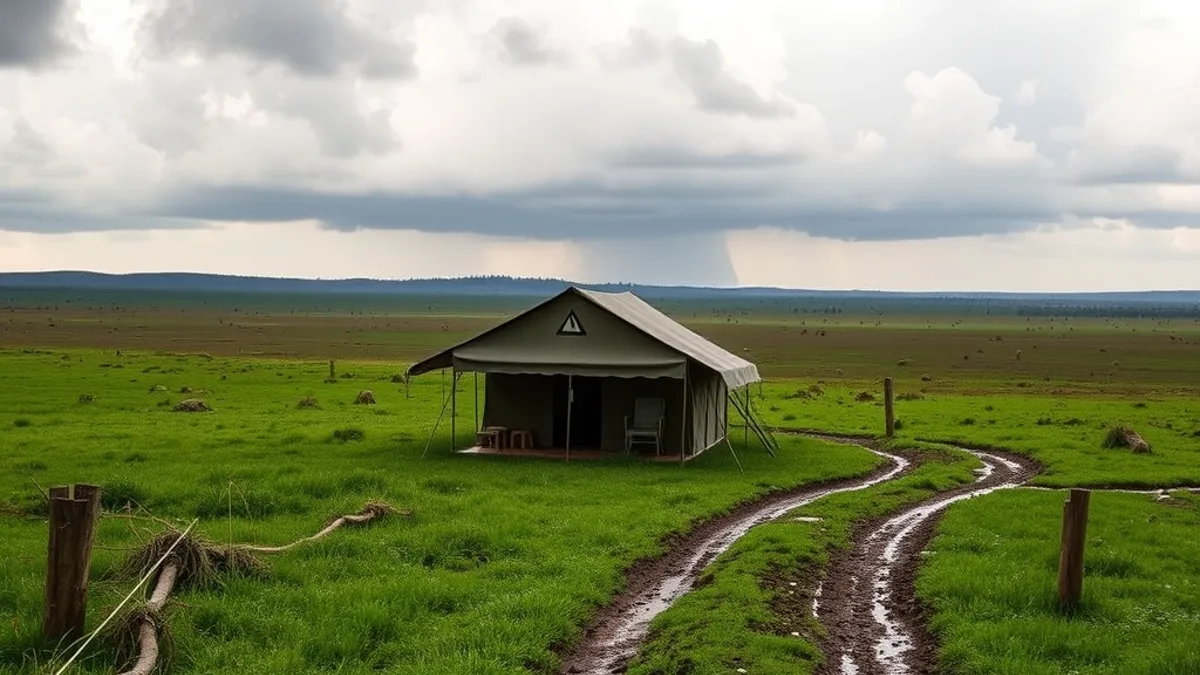
Pricing on safari moves with the seasons, and the gap between them is significant. Green season, running roughly November to March, is when camps discount most aggressively to attract guests. Rates commonly run 30-40% below peak dry season pricing, which can turn a once-out-of-reach camp into a realistic option. That saving might mean an extra night, a better room category, or simply a trip that fits a tighter budget. Some travelers even plan their whole itinerary around these lower rates.
Dry season, roughly June to October, is the opposite story. Wildlife concentrates around permanent water, vegetation is thinner, and animals are easier to find — so camps charge their highest rates and availability tightens fast. The shoulder months of June and October sit in between, offering lower prices, good game viewing, and shorter lead times than the peak. If your dates are flexible, these months often deliver the best balance of cost and experience.
Keep in mind that green season savings come with trade-offs. Rain is more likely, some activities may be weather-dependent, and certain camps shut during the wettest weeks. Always confirm a camp is open for your dates before you commit, then compare what each season offers against what you actually want from your trip.
What each season actually delivers
- Green season landscapes: The rains turn the plains lush and dramatic, which is a photographer’s dream, though thicker vegetation can make animals harder to spot than in the dry months.
- Baby animal sightings: Many species time their births to the green season, so travelers visiting between November and March often see young antelope, zebra and predators on the hunt.
- Dry season dust and drama: June to October brings clear skies, dusty golden light and wildlife crowded around water sources, which is exactly why demand — and rates — peak.
- Shoulder month flexibility: June and October often straddle the edges of both seasons, meaning you may catch late rains or early dry-season conditions at a fraction of peak pricing.
When to Book Around Camp Closures
Getting your booking lead time right is the difference between securing the camp you want and settling for whatever is left. The right window depends heavily on which season you are targeting, so it pays to match your planning timeline to your travel dates before you contact any operator.
- For peak season travel, start 9-12 months out. July to September is the busiest stretch in the safari calendar, and camps positioned along the Migration river-crossing routes fill first. If you have your heart set on one of these locations, confirm your dates as early as you can, ideally a full year ahead.
- For shoulder months, aim for 4-6 months of lead time. June and October offer a good balance of pricing and game viewing, and availability is generally more forgiving. Booking within this window usually gives you a solid choice of camps without the pressure of peak-season competition.
- For green season, 2-3 months is often enough. Stays between November and March are typically easier to arrange at short notice, and rates can run 30-40% below peak pricing. Before you commit, though, verify that your chosen camp is actually open during your dates, since some shut for 4-8 weeks during the long rains.
One final habit worth building: whatever season you choose, ask the operator to confirm the camp is open for your specific dates before paying any deposit. A quick check at the start of the process saves you from rearranging flights and transfers later, and it costs you nothing but a short email.
Timing Your Stay Around the Great Migration
If the Great Migration is the whole point of your trip, camp closures become more than a scheduling nuisance — they shape which dates you can realistically book at all. The famous river crossings in the Serengeti-Masai Mara peak around July to September, which is exactly when the fewest camps are open and operating. Herds, weather and camp calendars all converge on the same short stretch of weeks, so demand for the camps that do stay open far outstrips supply.
That squeeze is why travelers set on peak crossings should treat closed months as a hard constraint rather than a flexible preference. If your preferred camp is shut for part of the dry season, no amount of flexibility on your side will open it up — you either move your dates, move your camp, or lock in your dates a year ahead. For a crossing-focused itinerary, booking roughly a year out is the safest way to secure both the right camp and the right position along the river.
Consider the calving season alternative
If you can shift your thinking from river crossings to new life, the calving season around January and February offers superb game viewing of its own. The southern Serengeti plains fill with wildebeest and zebra mothers and their newborns, and predator activity is high — all during green season, when rates typically run 30-40% below peak dry season pricing and availability is far easier to find. For photographers and travelers who prefer space over crowds, it is arguably the Migration’s best-kept trade-off.
How to Check Closure Dates Before You Commit
The most reliable way to avoid booking a closed camp is to go straight to the source. Published closure windows are a helpful starting point, but the actual dates a camp shuts can shift by a week or two from one year to another depending on the rains and the renovation schedule. Email or call the lodge or your safari operator and ask for the exact planned closure dates for the season you intend to travel, then get that confirmation in writing.
It is also worth separating two different kinds of downtime. A camp may be fully closed for a renovation shutdown, yet still accept green season guests in other months when rain is falling but the camp stays open. If your dates land in November to March, ask specifically whether the camp operates during those weeks or whether only certain camps in the area close. Assuming that rain automatically means closure can lead you to rule out months that are actually open and offer good value.
Finally, make sure the logistics on either side of your stay line up. Some bush airstrips reduce or suspend scheduled flights during the wettest months, so a camp reopening on a given date does not guarantee a flight lands that same day. Check with your operator that transfers and light-aircraft connections run on your arrival and departure dates before you pay a deposit.
- Ask whether the closure is for the whole property or only part of it, since some larger lodges renovate a few rooms or a wing while remaining open to guests.
- Request the reopening date as well as the closing date, so you know exactly when the first bookable night of the new season begins.
- If you are combining several camps, confirm each one’s closure separately, because neighboring camps in the same park often shut on different schedules.
- Ask about contingency plans for weather delays, since light-aircraft transfers can be rescheduled at short notice in wet conditions and you want to know who rearranges your onward travel.
Planning Around Closures Pays Off
Seasonal closures catch many travelers off guard, but they are predictable once you know the pattern. Because camps shut for weeks at a time, the booking window shrinks, and peak dry season months from July to September often need to be confirmed 9-12 months ahead. If your heart is set on the busiest weeks, early planning is not a luxury but a requirement.
The flip side is that closures push value into the quieter months. Green and shoulder seasons typically offer savings of 30-40% and far easier availability, and green season stays can often be booked just a few months out. Before you commit to any dates, check the camp’s exact closure dates with the lodge or your operator, since they shift year to year. That one phone call can save you from expensive date changes later. If this helped you plan your safari, leave a comment or share the article with a fellow traveler.