Many families arrive at a resort with suitcases full of swimsuits and sandals, only to be stopped at the restaurant door because their child is wearing a wet swimsuit and flip-flops. Resort dress codes for kids confuse even experienced travelers, because expectations shift from one area of the property to the next. What works at the pool is rarely acceptable indoors, and dinner often has its own unwritten rules.
This guide walks through each zone of a typical resort so you know what children can wear where. We explain why these codes exist, what is expected at pools and beaches, how restaurant rules differ for casual and fine-dining venues, and what kids should wear to clubs and excursions. You will also learn how to check a specific resort’s requirements before booking, plus a practical packing checklist that keeps every family member dressed appropriately without overpacking.
Why Resort Dress Codes for Kids Exist
Resorts are shared spaces, and that is the root of most dress rules. A family of four splashing in from the beach and a couple celebrating an anniversary are often staying at the same property, and restaurants, indoor lounges and bars are designed to feel comfortable for both. Dress codes are the simplest way resorts keep a consistent atmosphere for every guest, not a way to single out children.
The good news is that rules for kids usually mirror the adult code with extra tolerance. A toddler in a swimsuit near the pool rarely raises an eyebrow, while the same outfit on an adult walking into the lobby might. Resorts understand that young children cannot be held to the same standard as grown-ups.
How strictly are codes enforced?
In practice, enforcement depends on age and setting. Staff rarely say anything to a three-year-old in a swimsuit, but school-age children are often expected to follow the same expectations as adults, especially in restaurants. If you are unsure, a quick question at check-in saves an awkward moment later.
Pool and Beach Dress Rules for Children
Pools and beaches are the most relaxed areas of any resort, and proper swimwear is exactly what children should be wearing there. The moment your child leaves the pool deck, however, expectations change. Most resorts ask kids to throw on a cover-up or t-shirt before walking through lobbies, corridors and other shared indoor spaces. It is a small habit worth building on day one, because a dripping child in a swimsuit is one of the most common sources of gentle reminders from staff.
Sun protection matters as much as etiquette. Rash guards and UV swim shirts are widely recommended for children in tropical sun, especially during peak hours between 10am and 4pm, when a lightweight shirt does a better job than constantly reapplied sunscreen. Beyond the basics, a few situations deserve their own planning:
- Poolside bars and beach grills: swimwear is typically accepted here, usually with a cover-up required, so a sarong or shirt over the swimsuit is enough for a quick lunch with sandy feet.
- Indoor venues: swimwear does not belong here at all, so plan a real change of clothes before heading into any enclosed dining room or lounge.
- Water slides and splash zones: a snug rash guard stays put better than a loose t-shirt, which can float up and chafe on slides.
- Transit through the property: keep a folded t-shirt in your pool bag so your child can dress in seconds before crossing a lobby.
The simplest rule of thumb: swimwear stays at the water, and everything beyond the pool deck needs at least a shirt and, for indoor spaces, a full outfit.
Restaurant Dress Codes: What Kids Can Wear
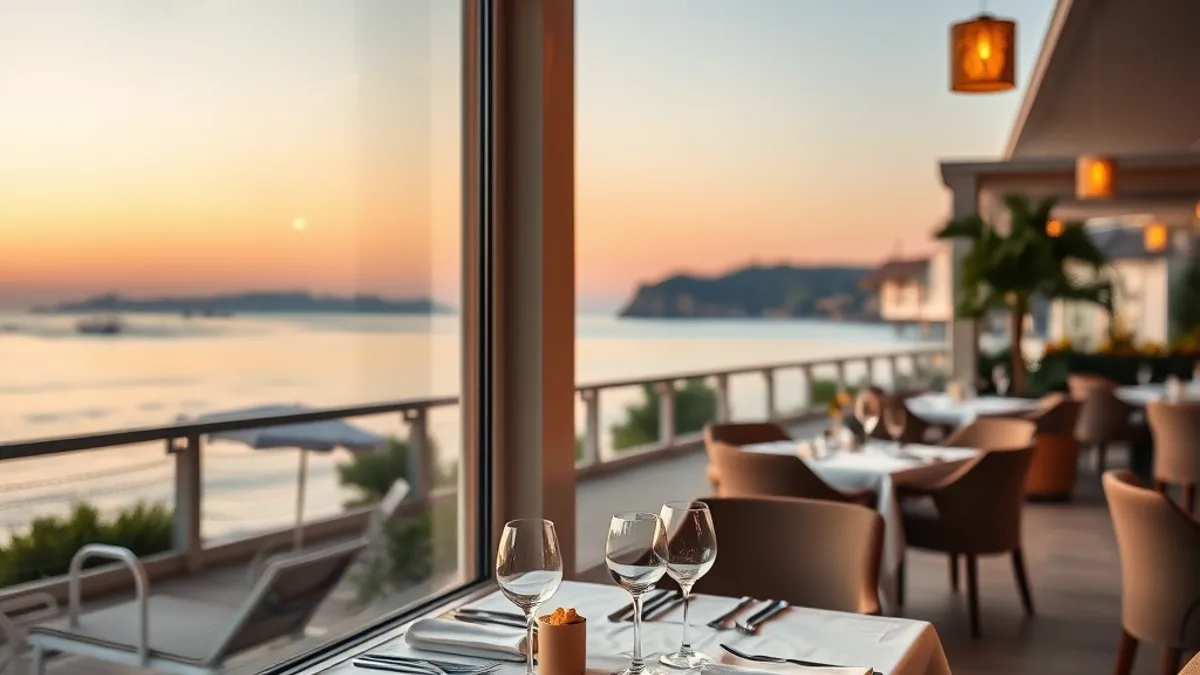
Restaurant rules are where most families feel the dress code squeeze, so it helps to know the general pattern. Buffets and casual restaurants generally accept neat casual wear from children, meaning a t-shirt, shorts or a sundress are all fine. The near-universal exception is swimwear alone: almost no resort allows a child into a dining venue in just a swimsuit, even at breakfast. Most resorts require shirts and footwear in all indoor dining venues, including for children, so a damp rash guard with shorts usually passes, but a bare torso and bare feet do not.
Fine dining with kids
Evenings at family resorts
Many fine-dining venues ask for smart casual dress from age 6 or 7 upwards. In practical terms, that means collared shirts or dresses and closed shoes for children, with lightweight trousers preferred over beach shorts. It rarely goes further than that, so no need to pack a blazer for your eight-year-old.
Evening dress codes at family resorts are usually relaxed smart casual rather than formal. Jackets and ties for kids are almost never expected, and a neat polo with trousers or a simple dress hits the right note. If your child has one or two presentable dinner outfits, they will fit in at nearly every restaurant on the property.
Kids’ Clubs, Activities and Excursion Attire
Kids’ clubs are often the most active part of a resort stay, and that activity shapes what children need to wear. Most clubs ask for closed-toe shoes during outdoor play, sports sessions and any excursion that leaves the club building. Sneakers or sturdy sandals with a heel strap are usually enough, and packing a pair that can get dirty saves arguments over muddy shoes.
Clothing requirements vary by activity type. Water-based sessions may call for quick-dry shorts and a swim shirt, while craft hours, movie time and indoor games generally have no special dress requirements at all. Supervised excursions tend to be the strictest, since children are walking on uneven ground or near water.
The best move is to ask the kids’ club team for a sample activity schedule on your first day. That way you can send your child dressed appropriately each morning instead of discovering mid-week that today’s snorkeling trip needed water shoes.
- Closed-toe shoes: Required for most outdoor play, sports sessions and excursions, so keep them in the club bag rather than the suitcase.
- Quick-dry clothing: Useful for water activities, since wet cotton shorts stay uncomfortable for the rest of the session.
- Sun hat: Often requested for outdoor excursions, especially midday sessions with little shade available.
- Water shoes: Handy for rocky beaches, shallow reef walks and pool-based games where flip-flops slip off easily.
- Light long-sleeve layer: Recommended for boat trips or late-afternoon outings when the breeze picks up or the sun stays strong.
How to Check a Resort’s Dress Code Before Booking
A few minutes of research before booking can prevent most dress code surprises, especially if your trip includes a nicer restaurant or a special evening event. Dress rules are usually easy to find once you know where to look, and resorts are generally happy to answer questions in advance. Spending ten minutes on this before you travel is far easier than turning up at a hostess stand with a child in a wet swimsuit and no backup clothes.
- Check the resort’s website first. Many properties list dress codes under dining, FAQs or a “good to know” section. Read the descriptions for each restaurant, not just a general policy, since a single fine-dining venue often has the strictest rules on the property.
- Email the concierge if anything is unclear. Ask specifically what children are expected to wear to each venue and whether the rules change by time of day. Mention your children’s ages, since expectations for a toddler and a ten-year-old can differ. A short email also gives you something to refer back to if a staff member interprets the rules differently on site.
- Match your expectations to the property type. All-inclusive family resorts tend to have the most relaxed codes, while boutique hotels and adults-oriented properties are usually stricter, sometimes even about children dining in certain venues at all.
- Ask about special events. Kids’ club sessions, themed dinners and cruise-style formal nights can carry separate requirements from the regular dress code, and these are rarely mentioned on the main website page.
If a resort cannot tell you clearly what children should wear, treat that as useful information too. Vague answers usually mean a relaxed property where neat casual wear will be more than enough. Even so, it never hurts to pack one extra smart outfit per child just in case a themed night or a last-minute reservation at the nicer restaurant comes up during your stay.
Packing Checklist for Kids’ Resort Dress Codes
Packing for a resort trip with kids is mostly about avoiding one specific problem: wet swimwear turning up where it is not welcome. The simplest fix is to pack enough swim outfits that a damp suit never has to be pulled on for lunch or dinner. As a rule of thumb, 2-3 swim outfits per child per day covers pool time, the beach and any water-park session without waiting around for laundry. Roll them rather than fold them, and stash a dry one in your beach bag so a mid-afternoon change takes seconds instead of a trip back to the room.
The second priority is smart casual clothing for indoor venues. Because shirts and closed footwear are expected from children in all indoor dining venues at most resorts, a small rotation of presentable outfits handles every breakfast, buffet and dinner of the week. Choose pieces that mix and match, and pick fabrics that survive a wash in the room sink if you fall behind on laundry.
Beyond those two categories, a few small extras make the whole system work. These are the items families most often forget and end up buying at inflated resort shop prices:
- Swim cover-ups: One per child, since most resorts expect a cover-up or t-shirt when kids pass through lobbies and corridors in swimwear.
- Sun hats: Pack a spare if your child is under five, because hats left poolside have a way of disappearing.
- Rash guards or UV swim shirts: Widely recommended for children in tropical sun between 10am and 4pm, and they double as an accepted poolside shirt.
- One light long-sleeve layer per child: Useful for heavily air-conditioned restaurants, indoor lounges and cooler evenings, especially in the tropics where interiors can feel surprisingly chilly.
- Slip-on shoes: Easier than laces for quick transitions between the kids’ club, the pool and dinner.
Dressing Kids for a Stress-Free Resort Stay
Most of the confusion families feel at resorts comes down to not knowing which zone they are in. It is actually simple: swimwear belongs at pools and beaches, a cover-up or t-shirt is expected when moving through lobbies and corridors, and smart casual works for indoor venues and evenings. Once you think in these three zones, deciding what your child wears each day becomes almost automatic.
Checking the dress code before booking and packing a few smart outfits removes most of the friction, so no one gets turned away from dinner or caught out at a themed evening. With the right wardrobe, children can move between the pool, kids’ club and restaurant without wardrobe changes ever becoming an issue. Have a question or a resort dress code story of your own? Leave a comment or share this article with other traveling families.