Every resort guest eventually faces the same dilemma: sign up for resort excursions at the concierge desk, or book with an outside operator and hope for the best. The wrong choice can cost you money, waste a precious vacation day, or leave you on a crowded coach when you expected an intimate small-group tour. Both routes can deliver a fantastic day out, but they work very differently on price, pacing and accountability.
This guide walks through what on-site bookings actually get you, where outside operators shine, and how to screen them for safety before you pay a deposit. We’ll also cover timing your reservations, comparing costs and group sizes, matching excursion types to your destination, and a simple mixed approach that fits most resort stays.
Why Excursion Choice Shapes Your Resort Stay
An excursion is rarely a small decision. On a typical stay of 7 to 10 nights, a full-day trip consumes an entire day of your vacation, which means a disappointing outing can waste roughly 10-15% of your entire trip. That’s a lot to stake on a brochure photo and a one-line description at the activity desk.
More Than a Price Question
It’s tempting to treat the on-site versus outside-operator choice as purely a money decision, but it shapes far more than your budget. It affects how early you wake up, how many people share the boat or bus with you, how flexible your cancellation options are, and who you can turn to if something goes wrong halfway through the day. Two identical itineraries can feel like completely different trips depending on who runs them.
Your resort’s location narrows the field, too. A beach resort might center its menu on water sports and sunset cruises, an island resort builds its calendar around reef trips and boat days, and a desert retreat offers dune excursions and stargazing that simply don’t exist elsewhere. Understanding what your destination does best is the first step to choosing both the right excursion and the right way to book it.
Booking Resort Excursions On-Site: What You Get
The strongest argument for booking on-site is sheer convenience. You stroll to the concierge desk, ask a few questions, and reserve a spot a day or two before the trip, often with the charge simply added to your room bill. No deposits to wire, no websites to navigate, no printed vouchers to keep track of. If your plans shift, you sort it out with someone standing in front of you.
Accountability When Things Go Wrong
Resorts have a reputation to protect, so they typically work with vetted suppliers they’ve used repeatedly. If a boat breaks down, a guide disappoints or a trip gets cut short, you have on-site staff to complain to, and those staff have leverage with the operator that you, as an individual traveler, don’t. That accountability alone justifies the premium for many guests.
There’s a practical bonus as well: resort-run excursions usually start on the property itself. You skip the morning scramble to find an off-site meeting point, which can easily save 30 to 60 minutes of transfers each way. On a day that starts with an early pickup, that extra sleep matters.
The trade-off is price. Expect on-site excursion pricing to typically run 20-40% above comparable outside-operator tours for identical itineraries. You’re paying for the convenience, the vetting and the safety net, and for some travelers that’s money well spent. For others, it’s a premium they’d rather avoid.
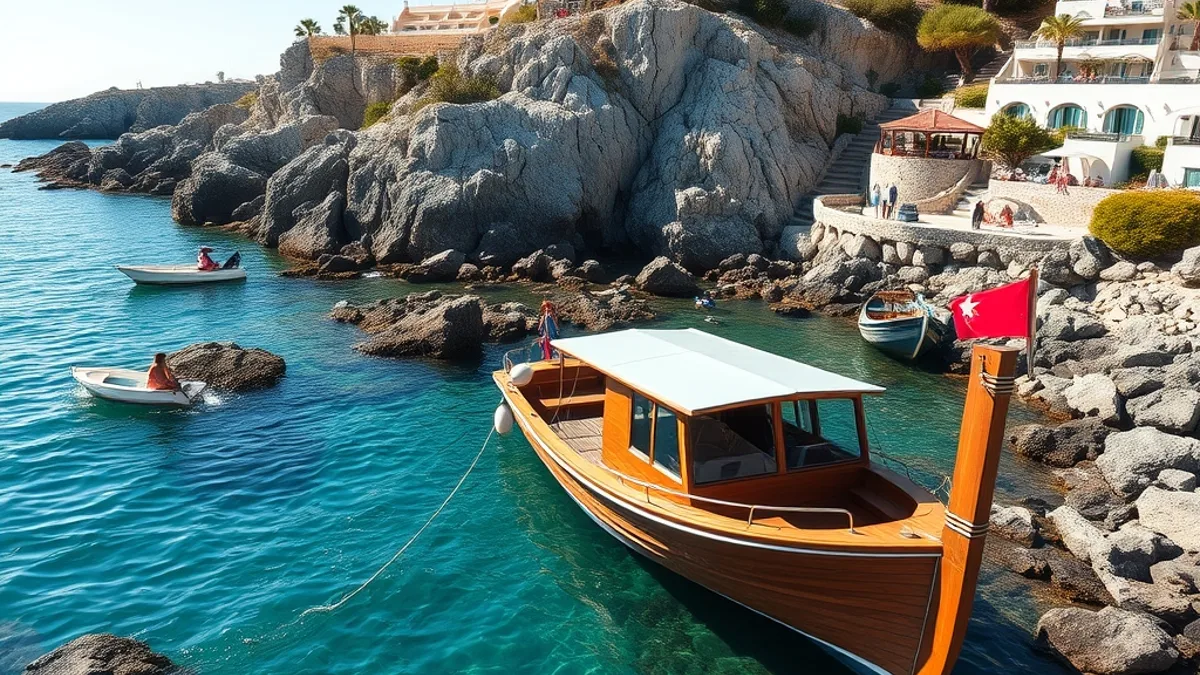
Booking with Outside Operators: Advantages and Risks
Book directly with an outside operator and the dynamics change immediately. Prices usually drop below resort rates, groups shrink to a more pleasant 8-12 guests instead of a full coach, and the range of themes widens considerably. Specialized outfits run dedicated diving trips, street food crawls and photography tours that a resort activity desk rarely offers, because they cater to a narrower, more passionate audience.
Cancellation terms are another quiet advantage. Outside operators commonly offer free cancellation 24-48 hours before departure, which gives you room to change your mind if the forecast turns or you simply want a lazy pool day. Many resort bookings, by contrast, lock you in earlier with stricter terms.
The risks are real, though, and they mostly come down to logistics and quality control. You may need to reach a meeting point off the property, adding transfer time to an already long day. And vetting standards vary enormously from one operator to the next, since no resort manager is standing behind the booking.
- Licensing: Ask whether the guides are licensed for the activity in question, especially for diving, boating or mountain trips where certification directly affects safety.
- Insurance: Confirm the operator carries liability insurance before you pay anything, and don’t be shy about requesting proof in writing.
- Recent reviews: Skim reviews from the past few months rather than the all-time average, since operators change boats, guides and management more often than their star rating suggests.
- Deposit size: Keep any upfront payment small, and prefer operators that collect the balance on the day of the tour rather than the full amount in advance.
When to Book Each Option and How Far Ahead
Timing matters more with excursions than most travelers expect. The most popular resort trips, whether that is a sunset catamaran cruise or a guided reef snorkel, often sell out 3-7 days ahead in high season. If you wait until you arrive to ask the concierge, you may find the best options already gone. My rule is simple: decide which on-site excursions you want before you fly, then book them at the desk on day one.
Booking outside operators
Outside operators need a longer lead time because you are booking online, often with a deposit, and you want real choice rather than whatever is left. Aim to reserve 1-3 weeks ahead to secure peak-season dates, especially if you are traveling in June-August in the Mediterranean or December-March in the tropics, when the best small-group tours fill first. The good news is that booking early rarely locks you in: most reputable outside operators let you cancel without charge if you change your mind a day or two before departure. Just read the cancellation terms before you pay the deposit, since policies vary between platforms and individual tour companies.
Whatever you book, protect one flexible day in the middle of your stay. Boat outings, snorkeling trips and island crossings are all weather-dependent, and a spare day gives you room to move a canceled trip without losing the experience entirely.
Cost, Safety and Group Size Compared
The first decision is trip length, and it matters more than most travelers expect. Half-day excursions usually run 3-4 hours, which suits families with young children and anyone staying at a beach resort where the afternoon by the pool is part of the appeal. Full-day trips run 7-9 hours and reward longer stays, since they typically travel farther, include lunch and justify an early start. Cramming a full-day boat trip into a short break rarely feels like a bargain — you return exhausted and lose the relaxing evening you paid for. Match the format to your energy level and the pace of your stay, not just to what sounds impressive in the brochure.
Group size is where the two booking methods differ most. Resort-run coach excursions often carry 20-40 guests, which keeps costs down but means long waits at each stop and a less personal experience. Outside small-group tours usually cap at 8-12 guests, so you get more guide attention, faster logistics and room to ask questions, usually at a higher per-person price.
- Pickup logistics: outside operators often use a central meeting point, which can mean a 20-45 minute transfer from your resort — confirm exactly where and when pickup happens before you pay, and factor that time into your morning.
- Insurance and licensing: ask any operator for proof of liability insurance and confirm guides are licensed, especially for water sports, diving or anything involving transport.
- Refund policy in writing: get the cancellation terms in your confirmation email, including what happens if the operator cancels for weather versus if you cancel.
- Boat and vehicle condition: recent reviews and photos tell you more than a brochure — look for comments mentioning equipment age and safety briefings.
Matching Excursions to Your Resort Destination
The right excursion depends heavily on where your resort sits. Island and reef resorts are built around the water, so snorkeling trips and boat days are the headline excursions. Book these early in your stay rather than saving them for the end. Seas can be rough some days, and booking early gives you a second chance if weather forces a cancellation.
Mountains, cities and deserts
Mountain and wellness resorts suit shorter, gentler excursions. A guided morning nature walk or a half-day viewpoint hike leaves your afternoons free for the spa, which is usually why you chose the resort in the first place. City-edge resorts work differently: they pair well with half-day tours run by outside operators and local guides, who typically offer deeper neighborhood knowledge and smaller groups than the resort’s standard city coach trip.
Desert and coastal retreat destinations reward full-day excursions, since the best scenery, dunes or coastline usually sits a long drive from the resort. Book these with weather flexibility in mind. Desert trips depend on heat and wind, coastal boat days depend on sea conditions, and a flexible booking — or a spare day in your itinerary — turns a canceled outing into a rescheduled one instead of a lost one.
Choosing Your Excursion Booking Method
So which desk should you walk up to? If convenience, accountability and the simplicity of charging everything to your room matter most, book on-site — and remember you are paying a premium, often 20-40% more, for that peace of mind. If price, small groups of 8-12 guests and flexible cancellation windows matter more, a vetted outside operator is usually the better deal.
For most stays, the mixed approach works best: book one anchor excursion on-site for security, then fill the rest of your days with well-reviewed outside operators. That way you get the strengths of both without gambling your whole trip on either. If this helped you plan your next resort stay, leave a comment or share the article with a fellow traveler.