You booked the dream resort: overwater views, a poolside cabana with your name on it, dinners under the stars. Then a quiet worry creeps in. Will mosquitos and other pests turn those magical open-air evenings into an itchy, swatting marathon? The honest answer is that resort mosquitos and pests are a real factor in many destinations, but they are far more manageable than most travelers fear.
The key is knowing what to expect before you arrive. In this guide we cover when mosquitos and other pests are most active, which creatures you may actually encounter, and how to choose a room location that reduces pest problems. We also share a practical packing list, simple daily habits that keep bites to a minimum, how good resorts handle pests behind the scenes, and finally how to enjoy your stay without letting pests win. A little preparation goes a long way.
When resort mosquitos and pests are most active
Mosquitos are creatures of habit, and their favorite hours are dawn and dusk, roughly 5-8 am and 5-8 pm. That does not mean you have to hide in your room during those windows, but it does pay to plan around them. Save the pool, the beach and open-air bar time for late morning and mid-afternoon, when mosquito landings drop off dramatically. If you have booked a sunset dinner on the terrace, that is exactly when your repellent earns its keep.
Season and destination matter more than you think
Tropical destinations such as Southeast Asia and the Maldives see their peak mosquito pressure during and just after the rainy seasons, often May-October. Stagnant water left behind by heavy rain is all mosquitos need to breed, so the weeks following a wet spell are noticeably worse. Mediterranean resorts in Spain, Italy, Greece and Croatia see most activity June-September, especially in the days after summer rain, when gardens and drainage areas stay damp.
Altitude changes the picture entirely. Mountain resorts above roughly 1,500 m, like many Swiss alpine properties, have far fewer mosquitos thanks to cool nights that these insects simply do not handle well. If mosquitoes are a genuine concern for you, a high-altitude summer holiday is one of the easiest ways to avoid them.
Do not forget the tiny ones. Sand flies and no-see-ums near beaches are worst on calm, humid evenings with little wind, and their bites often appear hours later as small, intensely itchy welts. A breezy evening spot is not just more comfortable; it is genuinely better protection.
Which pests you may actually encounter
Mosquitos tend to get all the attention, and they are indeed the most noticeable visitors in garden rooms and villas set near lagoons, ponds or rice paddies. These water-adjacent settings are exactly where they breed, so the postcard view and the bites often come as a package. That said, mosquitos are rarely the only creatures sharing your resort, and knowing what else is out there helps you react calmly instead of overreacting.
Sand flies and biting midges are the sneaky ones. On tropical and Atlantic beaches they are small enough that you often do not notice them landing, and the itchy welts only show up hours later, usually after a calm, humid evening by the shore. Ants and small geckos, meanwhile, are part of the furniture in open-air tropical dining areas, and both are generally harmless. Geckos actually eat mosquitos, so many travelers learn to appreciate them.
Even destinations you would not expect can surprise you. At city-edge resorts such as those described in a peaceful poolside escape on Singapore’s city edge, the tropical climate means some of these same tiny visitors appear even within an urban setting.
Beyond the biting insects, a few larger characters may share your stay:
- Wasps and bees: they zero in on sweet drinks and fruit service at the pool, so keep glasses covered or lidded when you step away from your lounger.
- Monkeys: in some Asian resorts they roam the grounds and will snatch unattended food, sunglasses or shiny objects from terraces, so keep balcony doors shut and bags zipped.
- Monitor lizards: large but shy, they occasionally appear near water features and lagoons in Asian resorts; they keep their distance from people and are best enjoyed from afar.
- Flying insects at night: moths and other insects swarm around outdoor restaurant lighting, which is worth remembering when choosing where to sit for dinner.
Choosing a room location that reduces pest problems
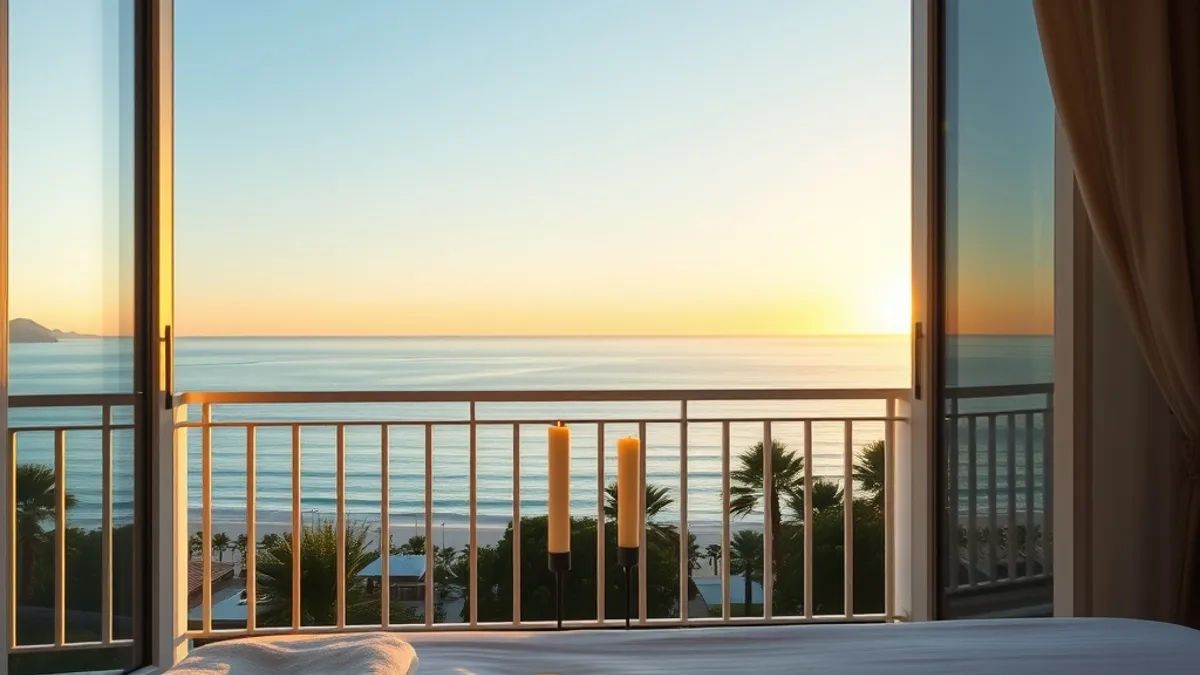
Where your room sits within a resort can matter more than which resort you pick. Mosquito breeding needs standing water, so rooms within about 100 m of ponds, lagoons or ornamental water features see noticeably more mosquito activity. That lagoon villa may look stunning in the photos, but in tropical months it can mean a nightly battle at your terrace.
Think breeze and barriers
Mosquitos are weak fliers, and they struggle in even a modest breeze. Upper-floor rooms, overwater bungalows and cliffside accommodation all catch more moving air, which makes them naturally quieter options. Air-conditioned rooms with sealed windows and door screens are far better than open-air, fan-cooled bungalows in tropical months, because you can keep the barrier closed while staying comfortable.
How to ask for a better spot
When booking, ask for a room away from gardens, drainage channels and outdoor restaurant lighting. Gardens and drains hold moisture, and lights draw flying insects straight past your door every evening. Mention your preference at booking time rather than at check-in: room placement requests are usually honoured when made in advance, while walk-in requests depend entirely on what is left on the day.
If you have already booked a garden room near water, do not panic. Combine it with the timing and repellent habits covered elsewhere in this guide, and the location becomes a minor detail rather than a dealbreaker. Many travelers happily keep their lagoon views and still finish the week with only a bite or two.
Packing list for resort mosquitos and pests
A well-thought-out packing list is your best defense against resort pests, and it costs far less than the frustration of scratching bites through a beach dinner. The single most important item is a good repellent, so let’s start there. Look for a product containing 20-50% DEET or picaridin, either of which gives you roughly 4-8 hours of protection per application. That means one morning spray can cover you from breakfast until the heat of midday, and one evening application can last through dinner and drinks.
Clothing matters more than many travelers expect. Mosquitos bite mainly at dawn and dusk, so lightweight long-sleeved shirts and trousers for those windows make a real difference, especially in garden rooms near vegetation. Light colors are preferable because dark fabrics tend to attract biting insects more. Beyond repellent and clothing, a few small items solve the most common in-room problems, from itchy welts to ants marching across the villa floor. Here is what belongs in your bag:
- After-bite cream and antihistamine tablets: the cream soothes individual bites and stings, while the tablets help if your reaction is larger than expected. If you know you react strongly to insect bites, ask your pharmacist or doctor before traveling which product suits you.
- A small travel plug-in repellent or mosquito coils: some resorts supply these, but many do not, and balconies and terraces are exactly where you want coverage during evening hours. A compact plug-in takes almost no luggage space.
- Sealed snack bags or zip-lock pouches: ants are a common issue in tropical garden villas, and they find open packets of biscuits or sweets within hours. Sealing food keeps your room pest-free and your snacks edible.
- A spare repellent in your day bag: poolside and beach applications wear off after swimming, so having a backup bottle with you avoids a trek back to the room at the worst moment.
Daily habits that keep bites to a minimum
Once you have arrived, a handful of simple habits make the difference between a few tolerable bites and a week of scratching. None of these take more than a minute or two, and they fit naturally around your day at the pool, on the terrace and at the beach. The trick is to build them into your routine from the very first afternoon, because mosquitos and other pests quickly settle into patterns around your room and your habits. If you let glasses pile up or leave doors open for a few evenings, you effectively invite them in, and it takes far longer to push them back out than it would have taken to keep them away in the first place. The five habits below cover the most common situations you will face at a resort, from a breezy beach bar to a sheltered garden terrace.
- Time your repellent application. Apply it about 30 minutes before dawn and dusk outdoor activities, which gives the product time to settle on your skin before mosquitos become active. Reapply after swimming, since water and toweling remove most of the protection. Keep the bottle in your day bag rather than your room, so you actually have it on hand when you need it.
- Close your doors by late afternoon. This matters most in garden-level rooms, where mosquitos drift in from surrounding vegetation as evening approaches. Get into the habit of shutting balcony and terrace doors before you head out for dinner, and check that screens latch properly when you first arrive.
- Pick breezy seating. Even a light wind dramatically reduces mosquito landings, so choose tables and loungers where the air moves rather than sheltered corners. This one habit alone can cut your evening bites noticeably.
- Clear away sweet residue. Empty glasses and plates with sugary leftovers attract wasps and ants overnight, and they will still be exploring your terrace the next morning. Ask staff to clear them or rinse them yourself before turning in.
- Report problems straight away. If you spot standing water or a broken screen, tell housekeeping immediately. Good resorts respond the same day, and a quick report prevents a small issue from becoming a room full of mosquitos.
The pattern behind all of these habits is simple: deny mosquitos access to you, deny wasps and ants a reason to visit, and use wind to your advantage. Do this consistently for the first day or two and it becomes automatic for the rest of your stay. You will find that most fellow guests who complain about bites skipped these basics entirely, while those who followed them barely noticed the local insect population at all.
How good resorts manage pests behind the scenes
While you handle your own defenses, the resort should be doing its part. Well-run tropical properties operate regular fogging or larvicide programs, often weekly during rainy months when mosquito pressure peaks. You may notice the faint smell of treatment early in the morning or see staff working along garden paths; that is a good sign, not a nuisance.
What to look for when choosing a property
Grounds tell you a lot. Look for resorts that maintain their water features properly, keep drains clean and trim vegetation back from walkways, because standing water and overgrown planting are exactly where mosquitos breed. Design choices matter too: screened outdoor spa pavilions and elevated dining areas show that the property has thought about pests from the start rather than treating them as an afterthought. The same applies to island retreats, and you can see how this plays out in practice in remote Indonesian island resorts surrounded by tropical calm, where thoughtful layout keeps open-air living comfortable.
Guest reviews are another useful filter, provided you read them with a sense of proportion. A single mention of mosquitos is normal in almost any tropical destination, and it usually just means the reviewer encountered the local wildlife. Many repeated mentions, especially recent ones describing bites every night, are a red flag that management is not keeping up.
The front desk test
Finally, ask a simple question at check-in: do you have repellent if a guest needs it? Resorts that manage pests well stock repellent, plug-ins and bite cream at the front desk for guests on request. It costs them little and signals that they expect the issue, plan for it and take care of guests who arrive unprepared. If the answer is a shrug, that tells you something too, and it is worth adjusting your own preparations accordingly.
Enjoying your stay without letting pests win
So, what should you realistically expect? Some mosquitos, yes, especially in tropical destinations and through the summer months elsewhere. But bites stay manageable when you plan around the peak dawn and dusk windows, pick a smart room location, and use a repellent with 20-50% DEET. That combination covers most situations you will encounter at a resort.
The preparation part is simple: pack the right repellent and clothing, mention your room preferences when booking, and follow a few easy daily habits. Do that, and mosquitos and other pests become a minor footnote of your holiday rather than the story you tell when you get home. If this helped you plan your trip, leave a comment or share the article with a fellow traveler.