Sea views vs garden views is one of the most common dilemmas travelers face when booking a villa, and for good reason. The price gap between the two can be significant, yet the actual difference in your day-to-day experience is often smaller than the rate suggests. Some guests swear the horizon is worth every extra dollar; others spend the whole trip out on excursions and barely glance at the water.
This article breaks down the real cost of a sea-view premium, explains why garden villas come in cheaper and what they offer instead, and shows how season and booking timing change the gap. We then look at the situations where the upgrade genuinely pays off, the trips where a garden villa is the smarter pick, and a few practical checks to run before you commit. By the end, you should be able to match the view to your budget and your itinerary, rather than paying for scenery you will rarely see.
What the Sea View Premium Actually Costs
The first thing to understand is that a sea view is not a fixed add-on fee. Resorts price it as a percentage of the base rate, and at the same property you can typically expect a sea-view villa to cost 25-60% more than a comparable garden-view unit. That range is wide because not all sea views are equal, and pricing reflects exactly how much horizon you get.
The premium scales with the horizon
An upper-floor villa with an unobstructed line to the water, or a cliff-edge unit perched above the coast, sits at the top of that range. The fewer palms, hedges and rooftops between your terrace and the sea, the more you pay. Ground-level units marketed as ocean view often have a partly blocked sightline, and their rates reflect that.
At the very top of the scale sit absolute oceanfront villas, the ones with direct private beach access and nothing but sand and water in front of the terrace. These can double the garden-view rate at the same resort. Before you book, ask yourself which category you are actually looking at: sea view, ocean view, or oceanfront. The wording matters, and so does the price jump attached to it. Check current rates directly with the resort, since the premium varies by property and date.
Why Garden Villas Cost Less and What You Get Instead
Garden villas cost less for a simple reason: the land behind a property is cheaper to build on than the prime coastline at the front. Resorts pass that saving on to guests, and they often use the extra space to make garden-level units genuinely generous. For the same price, garden villas usually offer 10-25% more interior space than their sea-view counterparts, which matters more than you might expect once luggage, a stroller or a couple of loungers come into play.
What you often get included
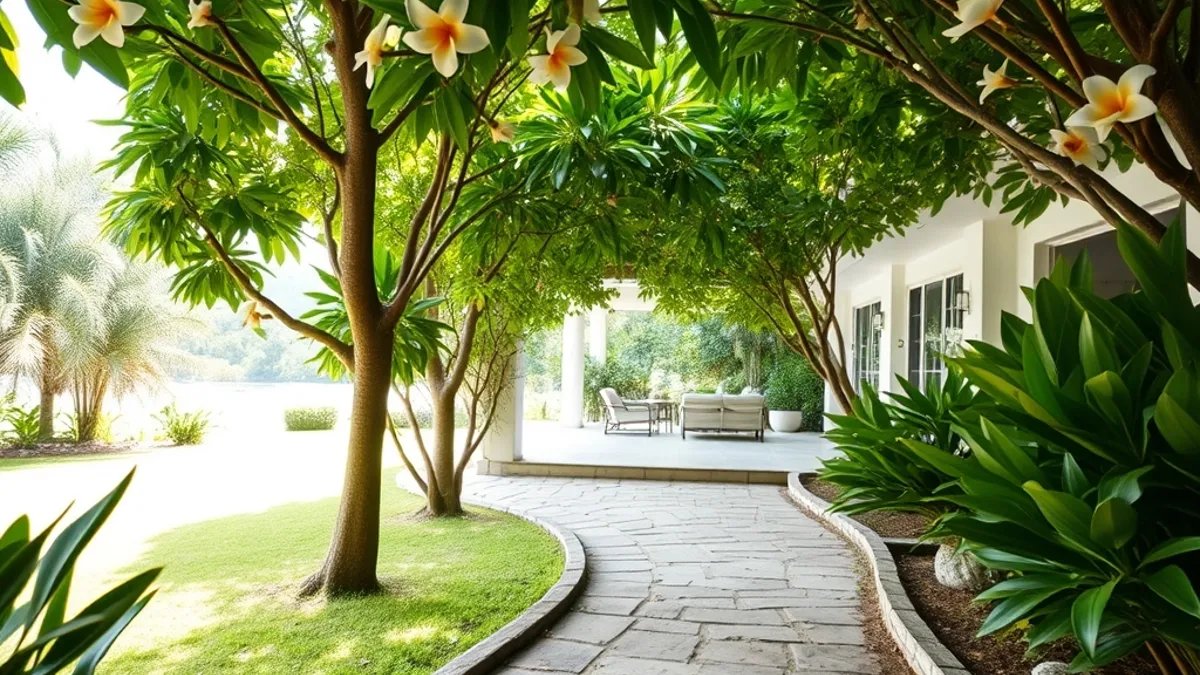
Because developers spend less on the plot, they frequently reinvest in the villa itself. Private plunge pools, outdoor showers and shaded verandas are more common inclusions at garden level than in similarly priced sea-view units, where the view itself is treated as the luxury. Many garden villas also come with walled or planted terraces that feel like private courtyards.
Access is the other quiet advantage. Ground-floor garden villas average 20-40 meters to shared pools, while cliffside sea-view units can involve walks of 100+ meters, often with steps and slopes. For families with small children, or guests with limited mobility, that shorter, flatter route to pools and dining can shape the whole stay. You give up the horizon, but you gain space, convenience and a lower rate.
How Season and Timing Change the Price Gap
The sea-view premium is not a fixed percentage all year round. It moves with demand, and the same two villas at the same resort can show a very different price gap depending on when you travel. In the tropics, peak season runs December-March, and that is when the premium stretches toward the top of its range, around 60% over garden-view units. Everyone wants the water at Christmas and in February, so resorts charge for it.
Shoulder months narrow the gap
Travel in the shoulder months of May-June or October-November and the picture changes. With fewer guests competing for the best categories, the gap often narrows to 15-30%. If you have flexibility on dates, moving your trip by a few weeks can be the cheapest way to afford the view, because you are not paying peak-season demand on top of the category premium.
Timing your booking matters too. Sea-view categories are the ones most likely to be discounted when inventory is released, and booking 4-6 months ahead gives you the best chance of locking a lower rate before peak demand fills the best units. Garden villas tend to hold steadier pricing, so the biggest savings from early booking usually show up on the view side of the comparison. Always check current rates for your specific dates, since these patterns vary by property.
When the Sea View Is Worth the Money
Some trips are built around the view itself, and on those, paying extra for the sea view is easy to justify. If you are celebrating a honeymoon, an anniversary or a milestone birthday, sunrise coffee and sunset drinks from your own terrace are not a bonus — they are the main event. In that case, the upgrade is paying for the core experience, not an add-on.
Height matters more than most travelers expect. Upper-floor sea views hold their value all day, from morning light to the last color over the water. Ground-level “ocean view” categories can be far more modest than the name suggests, with palms, hedges and neighboring roofs eating into the horizon. A resort like Mahé Retreat Villas hidden in greenery with endless ocean views shows how much difference a well-positioned villa makes when vegetation is part of the setting.
The other key question is simple: how many hours will you actually spend on that deck? Villas designed for slow days reward the upgrade far more than packed itineraries do.
- Slow-morning travelers: if breakfast on the terrace is your ritual, an unobstructed eastern horizon turns an ordinary meal into the highlight of the day.
- Photography enthusiasts: a raised, west-facing deck gives you clean sunset shots without editing out lamp posts, palm trunks or the neighbor’s umbrella.
- Workation guests: if you plan to take calls or read for hours with the sea in front of you, an upper-floor view keeps paying you back every single day of the stay.
- In-villa diners: couples who order room service or private dinners on the deck get far more use from the view than guests who eat out nightly.
When a Garden Villa Is the Smarter Choice
If your days are booked solid with activities, a garden villa is often the rational pick. Diving trips, hiking holidays and excursion-heavy itineraries mean you leave early and return tired — the view you paid extra for gets maybe an hour of your attention before bed. That is an expensive hour. Ask yourself honestly how many waking hours you will actually spend on the terrace before you commit to the upgrade.
Long stays change the math even more. On trips of 7+ nights, a 30-50% saving on the nightly rate compounds into a serious sum — often enough to fund an extra night or two, a couple of spa treatments, or several good dinners. Stretching the trip usually beats upgrading the window, and a longer stay in a garden villa often feels more spacious and comfortable than a shorter one in a premium unit.
Privacy is the underrated third factor. Oceanfront decks sit in full view of neighboring villas and beach walkers, while walled and planted gardens shield your terrace naturally. Many guests find they relax more behind greenery than on an exposed seafront stage, especially when the garden includes a plunge pool or shaded veranda.
Here is who benefits most from choosing the garden side of the resort:
- Families with toddlers: an enclosed garden gives children space to roam while parents keep them in sight, something an open oceanfront deck rarely allows. Flatter, shorter walks to shared facilities also help.
- Light sleepers: garden villas sit further from beach bars and water-sport zones, so evenings tend to be quieter.
- Budget reallocators: the money saved on the room can upgrade your excursions — a private boat day or a guided dive often costs less than a week of view premium.
- Pet- and nature-lovers: planted gardens attract birds, geckos and butterflies, giving you a different kind of daily wildlife show right on the veranda.
The practical move is simple: check the itinerary first. If your schedule keeps you out of the villa from breakfast until sunset, the garden option lets you spend the difference where you will actually feel it.
How to Compare Villas Before You Book
Villa photos are marketing, and views are the most exaggerated feature of all. Resorts shoot from rooftops, drones and neighboring plots if it makes the horizon look closer, so the image in the brochure may bear little resemblance to what you see from your own deck chair. Before you commit to the premium category, spend twenty minutes verifying what you are actually buying. A few specific checks will save you from the classic disappointment of a “sea view” that is really a sea glimpse between two palm trunks.
- Request unedited guest photos of the exact view. Ask the resort or your travel agent for recent photos taken from the terrace of the specific villa category you are booking — not renders, not drone shots. Many properties will send them without hesitation, and the difference from brochure images can be dramatic. If the villa is ground level, ask specifically whether vegetation blocks part of the horizon.
- Check floor level and compass direction. An upper-floor position protects your horizon from vegetation and neighboring roofs. Then pull up a map: west-facing sea views win at sunset, east-facing ones at sunrise. Match the direction to when you will actually be on the terrace.
- Compare total cost including transfers. Hillside sea-view villas often sit further along winding roads, and some resorts charge extra for the transfer or fold it into higher rates. Price the whole journey, not just the room.
If you want a reference point for what a well-sited property looks like, browse a resort such as Langkawi getaways hidden in green hills above the sea and note how elevation and orientation shape the view. Then apply the same checklist to your shortlist, category by category, because even within one resort two “sea view” rooms can deliver completely different experiences. Ten minutes of verification before booking is worth more than any discount code — and if a resort hesitates to send real photos, treat that hesitation as your answer.
The Bottom Line on Views and Price
So, is a sea-view villa worth the extra money? The honest answer is that it depends on how much it costs at your resort and how you travel. The premium typically runs 25-60% over a comparable garden unit at the same property, and it widens toward the top of that range in the December-March peak. In shoulder months like May-June and October-November, the gap often shrinks to 15-30%, which changes the math considerably.
A garden villa trades the horizon for real advantages: more interior space, better privacy and easier access to pools and dining, all at a lower rate. The smartest move is to match the view to your actual plans. If you will spend hours each day on that terrace, pay for the water. If you will be out exploring most of the time, keep the money. If this helped you decide, leave a comment or share the article with a fellow traveler.