Many travelers assume a villa holiday means choosing between two extremes: paying peak-season prices for a private pool, or gambling on the off-season and hoping the weather holds. There is a middle path that most people overlook. Shoulder season villa stays deliver the space, privacy and views you booked a villa for, at rates that can run 20-40% below peak pricing, often with better weather than you might expect.
This guide walks through why the shoulder season works so well for villa travelers, which regions and months offer the best conditions, and how far ahead to book. You will also find what to check before committing to a quieter month, how to match the villa type to the season, and practical ways to stretch your savings even further. By the end, you will know exactly how to plan a villa trip that feels indulgent but costs far less.
Why Shoulder Season Villa Stays Deliver Better Value
The simplest reason to travel in the shoulder season is the price. Villa rates typically drop 20-40% below peak pricing in April-May and September-October, which means the same infinity pool, the same sea-view terrace and the same number of bedrooms cost noticeably less. On a week-long stay, that difference can cover flights, a car rental, or several dinners out.
Shorter stays become possible
Peak season villas often demand a full week because demand is high and owners can afford to be selective. In the quieter months, fewer guests mean owners accept shorter minimum stays, often 3-5 nights instead of 7. If you can only get away for a long weekend or a midweek break, the shoulder season is when those shorter bookings become realistic.
The savings extend beyond the villa itself. Popular attractions see 30-50% fewer visitors compared to peak months, so the day trips from your villa feel calmer too. You can walk into a hilltop village, reach a famous viewpoint, or book a boat trip without fighting crowds or queuing in the midday heat. The whole trip, not just the accommodation, gets easier and more relaxed.
Best Regions and Months for Shoulder Season Villa Stays
Not all shoulder seasons are equal, and the right destination depends on what you want from the trip. The good news is that three of the most popular villa regions all have reliable quiet-season windows where the weather stays pleasant, the rates soften and the crowds thin out. Picking the right region for your travel style matters more than picking the cheapest deal, because a villa that feels like a bargain can still disappoint if the season does not match what you plan to do each day.
- Mediterranean: The shoulder months of April-May and September-October are the standout windows, with warm seas left over from summer and mild days ideal for eating outdoors. Late September light is a favorite of photographers for good reason, and the sea is usually at its warmest after months of sun.
- Caribbean: The shoulder windows of May-June and September-November sit outside the peak winter rates, giving you warm water and quieter beaches at a fraction of high-season cost. Just remember that parts of these windows overlap the hurricane peaks of August-October, so check conditions for your specific dates.
- Southeast Asia: The April-June and September-October lulls bring lower villa rates and greener landscapes, since the rains freshen up rice terraces, jungles and gardens rather than ruining your days. Showers tend to be short and dramatic rather than all-day affairs, leaving plenty of time for pool afternoons and temple visits.
Each region rewards a slightly different travel style. The Mediterranean suits travelers who want beach days mixed with village evenings and long dinners, the Caribbean favors those chasing water time and winter sun on a budget, and Southeast Asia works well for anyone who wants lush scenery, culture and spa days without peak-season crowds. Think about which of those descriptions sounds most like your ideal week, then match your dates to that region’s shoulder window. If you are flexible on destination rather than fixed on one, you can often find the best combination of weather, availability and price by comparing all three regions for the same travel dates.
Booking Timeline: When to Lock In Your Villa
Shoulder season villas are popular with travelers in the know, so the best properties do not sit empty waiting for a bargain hunter. The good news is that villa rates in these quieter months already run roughly 20-40% below peak-season prices, so you do not need to gamble on a last-minute gamble to save money. What you do need is a simple booking timeline that matches how owners and agencies actually release their availability. Below is the approach that works for most shoulder season trips, whether you are eyeing a Mediterranean hideaway in May or a Caribbean villa in November.
- Reserve 3-6 months ahead. This is when you have the widest choice of shoulder season villas, including the ones with the best views and pools that book out first. Booking this early also gives you time to plan day trips, arrange any extras like a private chef, and lock in flights while fares are still reasonable.
- Watch for early-bird discounts 4-5 months out. Many owners and agencies release early-bird rates around this point to fill quieter calendars. If your dates are flexible, asking about early-bird pricing at this stage can shave a further amount off an already reduced rate. It never hurts to ask directly.
- Consider last-minute deals 2-3 weeks out. Some villas drop their rates close to arrival to fill empty weeks. These deals are real, but they limit your villa and location options, so they suit travelers who care more about price and dates than about a specific property or town.
Whichever route you take, confirm the cancellation terms before you pay. A flexible booking made months ahead is usually worth more than a cheap non-refundable rate you might not be able to use. That flexibility matters even more in shoulder months, when weather can be slightly less predictable than in high season.
What to Check Before Committing to a Shoulder Month
A shoulder season villa can look identical to its summer self in the photos, yet behave very differently once you arrive. Before you pay a deposit, ask the owner or manager a few pointed questions about how the property actually runs in the quieter months.
Swimming is the first thing to pin down. In April or October, an unheated pool in the Mediterranean can sit in the low twenties Celsius, which feels refreshing at best. If a warm swim matters to you, confirm that pool heating is available, whether it is included in the rate or billed as an extra, and how long the water takes to reach a comfortable temperature after you arrive.
Services are the second area to check. Many villas scale back their staffing outside peak season, and what was a daily housekeeping visit in July may become a twice-weekly one in May. The same applies to private chefs, gardeners and pool maintenance, so get the shoulder schedule in writing.
Access is the third. Some beach clubs, boat rentals and mountain routes simply close once the crowds thin out. If your plan involves hiking, look at trails that stay open in the quiet months, such as the routes described in a guide to alpine sanctuaries in the Tatras, and confirm local conditions with your host before booking.
- Ask whether pool heating runs on a timer or a heat pump, since older systems can take a full day to warm the water and may cost noticeably more per night to run.
- Request a sample shoulder season housekeeping schedule so you know exactly which days your villa is serviced and who to contact if something needs attention between visits.
- Check whether restaurant and grocery deliveries the villa normally arranges still operate in your month, because a kitchen that relies on them can feel remote without them.
- If you plan day trips, ask which nearby attractions reduce their hours outside peak season, since shorter opening times can reshape your itinerary more than the weather does.
Matching the Villa Type to the Quieter Season
Not every villa suits every quiet month, and matching the property to the season is where shoulder stays really pay off. Think about what you actually want to do each day, then choose the setting that supports it.
Spring favors hillside and inland villas
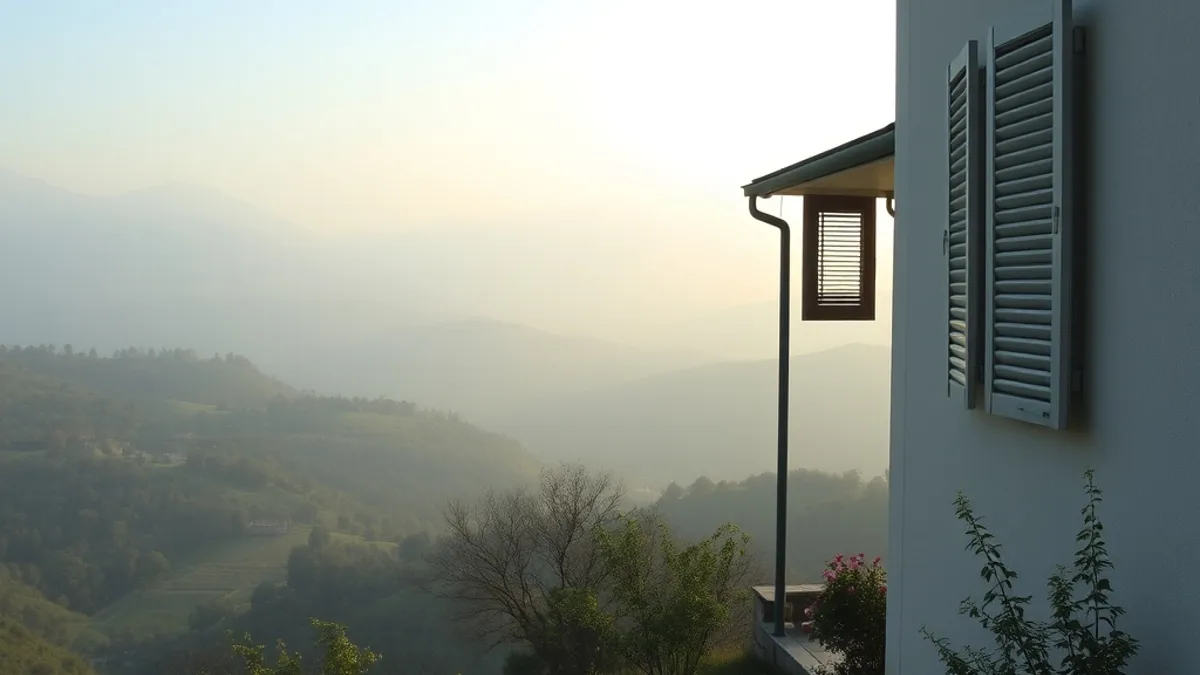
In April and May, hillsides and inland countryside are at their best. Wildflowers are out, streams are full from winter rain, and daytime temperatures are ideal for walking rather than lying by the sea. A hillside villa puts you close to the trails and viewpoints that make spring special, while coastal towns can still feel half-asleep. If mountain scenery is the draw, regions like the Tatras offer quiet paths and dramatic views well before the summer rush arrives.
Autumn belongs to the coast
By late September and October, the situation reverses. The sea has spent all summer warming up and is often at its pleasantest temperature of the year, while the beaches and promenades have emptied out. A coastal villa in these months gives you warm swims in the morning and empty sand in the afternoon, with restaurants still open from the high season. Inland, meanwhile, days shorten and evenings cool faster, so a beachfront terrace often gets more use than a mountain one.
Wellness-focused villas are the third good match. Quieter months mean lighter occupancy, so spa treatments, yoga sessions and quiet time around the pool are easier to book and easier to enjoy. A tropical reset works especially well in this setting, and places like the wellness havens of Nosara show how calm design and low-key surroundings reinforce each other. If your goal is rest rather than sightseeing, the shoulder season is arguably the best time to go.
Stretching the Savings Further
The lower shoulder season rates are only the starting point. With a little planning, you can trim the total cost further and get more out of every dollar you do spend.
The simplest lever is your arrival day. Most villa changeovers run Saturday to Saturday, so shifting to a midweek-to-midweek stay can shave an extra 10-15% off some rates, since owners are eager to fill the gap nights between standard bookings. It also means quieter airports and easier car rental pickups at either end.
Group travel is the second lever. A large villa split between two or three families or a group of friends routinely works out cheaper per person than booking several hotel rooms, and you gain a shared pool, kitchen and living space that no hotel suite provides. Agree on rooms and costs before you book to keep things friendly.
Finally, think about how you book experiences. In shoulder months, local guides, boat operators and cooking teachers have open calendars, which puts you in a stronger position to arrange things directly rather than through a concierge markup.
- Ask the owner about a midweek rate explicitly rather than assuming the discount is automatic; some owners apply it only when asked, especially for stays of five nights or more.
- When splitting a large villa, calculate costs by bedroom rather than by head count, since a couple taking the master suite and a friend taking a single room have very different value from the same nightly rate.
- Email two or three local operators directly a few weeks before your trip; in the quiet season many will happily customize a private tour or class for a small group instead of charging per-seat prices.
- Check whether the villa offers a weekly rate that undercuts the nightly total multiplied out; longer shoulder stays sometimes carry their own quiet discount on top of the seasonal one.
The Shoulder Season Advantage, Summed Up
The choice was never really between paying peak prices and gambling on gray skies. The shoulder season offers both halves of the deal at once: rates roughly 20-40% below peak, attractions 30-50% quieter, and weather that’s still firmly on your side in the right regions.
Lock in your villa 3-6 months ahead, match the villa type to the month you’re traveling, and double-check the practical details like pool heating and reduced service schedules before you commit. Do that, and the quiet season works for you rather than against you. If you’ve found a shoulder month that delivered great value, share it in the comments or pass this article along to a fellow traveler.