Most resort pricing is built for two people sharing a room, which leaves many a single traveler at a resort wondering why they are paying nearly full price for one person. The good news is that there are real ways to spend less without settling for a worse room, worse food, or a worse location.
This guide walks through why resorts charge singles more, how to reduce or avoid the single supplement, and which room categories make the most sense when you are on your own. We also break down what a realistic solo resort budget looks like, how to enjoy your time alone by the pool and at the dinner table, and which kinds of destinations tend to work best for solo guests. By the end, you will have a clear plan for a trip that feels restorative rather than overpriced.
Why resorts charge singles more
Resort rates are almost always quoted per room, not per person, and that room is priced for two occupants. When you travel alone, you absorb the entire room cost yourself, which typically works out to 20-40% more per person than what a couple pays. The bed, the balcony, and the housekeeping are the same, but your share of the bill is very different.
Why the single supplement exists
Resorts call this extra charge the single supplement, and it is not simply a penalty for traveling alone. A resort’s revenue depends heavily on what the second guest spends on food, drinks, spa treatments, and activities. When one person books a room built for two, the property loses that second guest’s spending, so the supplement is an attempt to recover it. Understanding this helps you negotiate, because you can frame your request around realistic spending rather than asking for charity.
That said, the picture is not uniformly bad. Some properties publish genuine single-occupancy rates or run solo promotions, and these tend to appear most often in shoulder season, when rooms would otherwise sit empty. It always pays to check whether a resort offers a proper solo rate before assuming the standard double price is your only option.
How to cut the single supplement
The single supplement is negotiable far more often than booking sites suggest. The first step is simple: ask. Email or call the resort directly and ask whether they offer a solo rate or will reduce the supplement. Waived supplements are rarely shown online, so the only way to find out is to have the conversation before you book. Speak to the reservations team rather than a general front desk inbox if you can, since they are the ones who can actually approve a reduced rate.
Timing matters just as much as asking. Low-season windows such as May-June and September-October, common sweet spots in Mediterranean destinations, are when occupancy pressure is lowest and resorts are most willing to drop or reduce the supplement. Booking 2-4 months ahead also helps, because it usually secures the widest room choice and gives you time to compare categories before committing. If your dates are flexible, mention that in your first email; a resort with empty rooms midweek is far more likely to say yes.
Once you have asked, a few practical moves can shrink the supplement further:
- Compare smaller room categories. Entry-level rooms are priced closer to a fair solo rate, so the supplement stings less in absolute terms.
- Swap the view for the savings. Choosing a studio or a garden room instead of a sea-view suite can offset much of the supplement while keeping you in the same resort.
- Get any agreement in writing. If a reservation team confirms a reduced rate by email, save that message and reference it when you book.
None of these tricks requires haggling skills, just a few extra emails and some flexibility on dates and room type. Combined, they routinely shave a meaningful amount off a solo booking, sometimes enough to fund an extra night or a spa treatment you would otherwise skip.
Choosing the right room as a solo guest
As a solo guest, you do not need the space a couple needs, and that works in your favor. Compact rooms of roughly 25-35 square meters suit solo stays well and usually cost less than standard doubles. You are sleeping, showering, and getting ready alone, so a smaller footprint rarely feels like a compromise.
Privacy without the view premium
Ground-floor garden rooms and pool-access rooms are often the smartest picks for solo travelers. You get direct outdoor access and a private-feeling setting without paying for a sea view you may barely use. The money you save can go toward dinners, spa time, or an extra night.
Before booking, check the bed configuration carefully. Many double rooms come with one large bed that cannot be converted, so if you prefer two separate beds, confirm in writing that the resort can accommodate that for a single occupant. Some properties simply cannot, and it is better to know in advance.
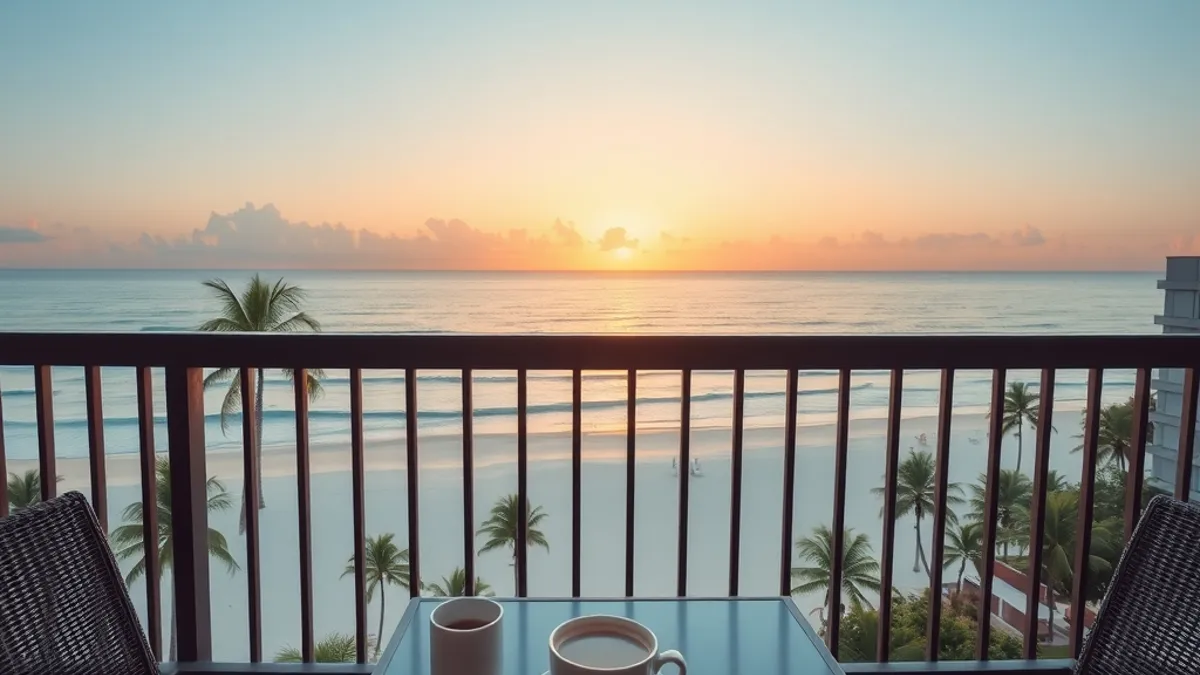
Finally, give extra weight to balcony or terrace access when traveling alone. When there is no one else in the room, a private outdoor spot effectively extends your living space, giving you somewhere to read, have coffee, or unwind in the evening without heading back to the busy shared areas of the resort.
What a solo resort budget looks like
Once you understand the single supplement, the next step is building a realistic budget. The good news is that solo resort travel does not have to mean luxury prices, as long as you know the typical ranges before you book.
All-inclusive solo rates typically run $120-250 per night at mid-range resorts, while luxury properties usually start around $400+ per night. Those figures assume one guest in the room, so they already include the supplement rather than hiding it. If a quote seems far below these ranges, check what is actually covered, since drinks, transfers and some dining venues are often excluded.
Meal plans deserve special attention when you travel alone. Paying for three buffet meals a day can feel like poor value if you eat lightly at lunch. Room-only or breakfast-included plans let solo travelers spend on one or two standout dinners instead of paying for every meal, which usually makes the trip feel more special rather than less.
Here is how a sensible solo budget breaks down:
- One paid experience — a half-day boat trip or a single spa session gives you a highlight without the cost of a full activity package you may only half-use.
- A la carte dinners — two memorable meals off the resort’s best menu often cost less than a week-long dinner supplement.
- A transfer buffer — solo airport transfers cost the same as a couple’s, so that fixed expense weighs twice as heavy per person.
If a spa-led trip appeals to you, this guide to Joywater resorts in Thailand for spa rituals and beach-soft mornings shows how far a mid-range solo budget can stretch in a wellness-focused setting.
Making the most of solo time at the resort
Solo time at a resort can be genuinely restorative, but it helps to build some structure into your days. Without a plan, even the most beautiful pool can start to feel repetitive by day three.
Group activities are the easiest way to meet other guests without pressure. Join a morning wellness class, a cooking demo or a guided excursion, and conversation happens naturally around a shared task rather than an awkward introduction. You can chat as much or as little as you like, then return to your own schedule afterward.
Book one anchor treatment
Reserve a single spa treatment early in your stay, ideally in the first day or two. It anchors your routine, gives you a fixed point to plan around, and lets you claim preferred time slots before the schedule fills. Staff can also recommend which treatments suit the property’s strengths, which saves you guessing from a long menu.
Vary your spots and use the team
Rotate between the main pool and quieter corners of the property, such as a shaded garden terrace or an adults-only area if there is one. Moving between lively and calm spaces makes the stay feel varied rather than repetitive, and quieter spots often come with better service since fewer guests compete for attention.
Finally, tell staff it is a solo trip. Front desk teams and restaurant managers often reserve better tables for solo guests, suggest solo-friendly activities, and simply keep a friendly eye out. A quick mention at check-in costs nothing and frequently pays off in small, practical ways throughout the week.
Picking destinations that work well alone
Where you go matters more when you travel alone, because the property itself has to carry the experience. The right destination makes solo days feel effortless; the wrong one leaves you navigating logistics with no one to share the work.
Wellness- and spa-led resorts suit solo guests who want structure without social obligation. Daily class schedules, treatment slots and set meal times give your days a rhythm, but nobody expects you to join a group or make conversation. For a strong example of this style, see these Everwave resorts in Switzerland for mountain wellness and fresh-air restoration, where the schedule and the scenery do much of the work for you.
Layout matters just as much. Beach resorts with walkable dining areas feel easier alone than sprawling properties that require shuttles, since you can decide on dinner on a whim and walk there in minutes. On a large, spread-out property, every meal and activity becomes a planned operation, which is tiring without a companion.
A few destination traits that reward solo travelers:
- Compact grounds — everything within a five-minute walk means spontaneous choices, from an evening swim to a last-minute table.
- Adults-oriented or quiet properties — fewer families and group celebrations means less of the atmosphere built around parties of four or more.
- Shoulder-season timing — lower solo pricing comes bundled with calmer pools and easier restaurant booking, so you never queue for a sun lounger.
Pair a walkable, wellness-focused property with shoulder-season dates and a solo resort trip stops feeling like a compromise. It starts to feel like the version of resort travel that actually suits you best.
Wrapping up your solo resort plan
Resort pricing is built for two, which is why solo guests often pay close to full price for one person. The single supplement usually adds 20-40% over the per-person double rate, but it is not fixed: low-season dates, often May-June or September-October in Mediterranean destinations, and a direct email or call can shrink or remove it. You rarely need to downgrade the experience to save money.
The rest comes down to smart choices. A compact room, a room-only or breakfast-included plan with one or two standout dinners, and a single booked experience keep the budget realistic without cutting the things that make a resort stay feel special. Group wellness classes and excursions add easy company, and a walkable, well-matched destination turns the whole trip into something genuinely restorative. If you have a solo resort tip or a question about your next trip, leave a comment or share this article.