Picture this: you land after a long-haul flight, drive an hour to a remote villa, and open the fridge to find nothing but a bottle of ketchup. The nearest shop is a 30-minute drive and it closed hours ago. This is exactly the situation villa groceries pre-arrival stocking is designed to prevent, and most hosts take it seriously. Instead of leaving you stranded, villa managers and owners can arrange for the fridge to be filled before you ever step through the door.
So what actually happens behind the scenes? In this article, we cover what villa groceries and pre-arrival stocking usually include, how far in advance you need to submit your request, and what the service typically costs and how it is charged. We also look at delivery timing, chef and cook services that bundle shopping, and the questions worth asking your host before booking, so your villa is ready before you land.
What Villa Groceries and Pre-Arrival Stocking Usually Include
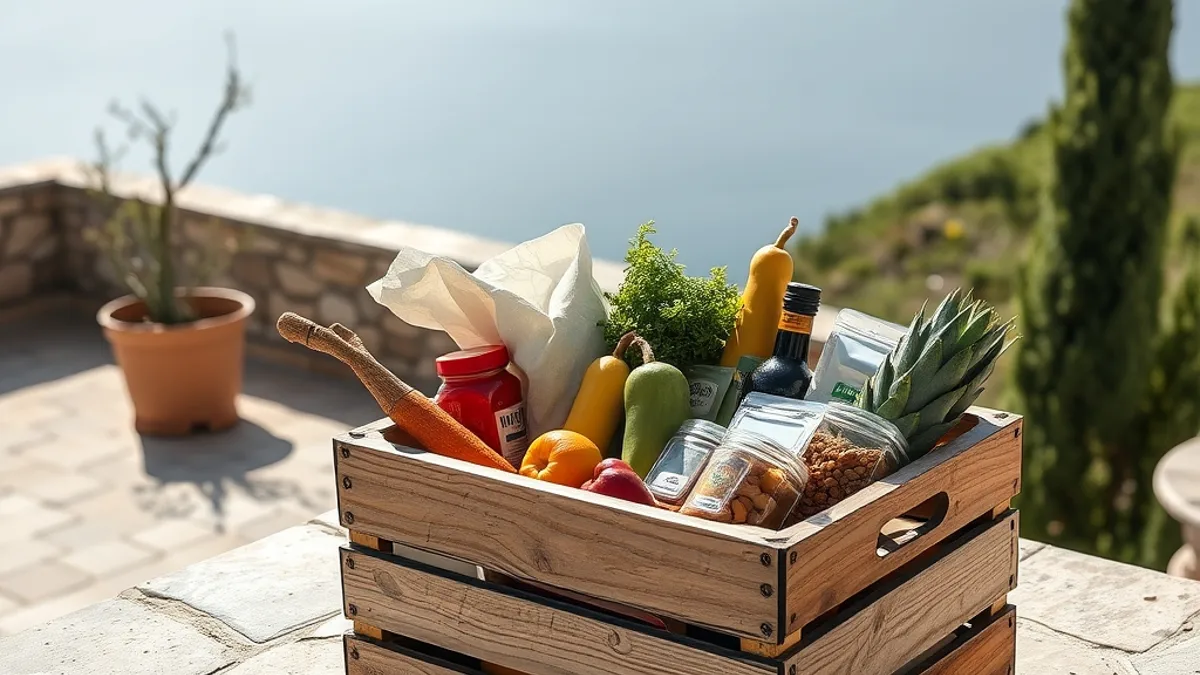
Most villas start you off with a welcome pack, a small basket of essentials meant to cover your first 2-3 days without a supermarket run. The exact contents vary by property, but you can usually expect drinking water, coffee and tea, bread, eggs, milk and whatever fruit is in season locally. In tropical destinations that often means mangoes, papayas or bananas; in Mediterranean villas you might find oranges, figs or grapes. It is not a full shop, just enough to make breakfast and a cup of coffee the morning you wake up jet-lagged.
Going beyond the basics: full fridge stocking
If you would rather not shop at all during your stay, most hosts offer a full pre-arrival stocking service. You send a list, and the manager fills the fridge and pantry before you arrive. Typical requests include breakfast items like yogurt, cereal and juice, snacks for the kids, and cooking staples such as olive oil, rice, pasta, salt, pepper and a few basic spices. This works especially well for families or groups who plan to self-cater and want the kitchen ready to use from day one.
Optional extras hosts can source
Many villa managers will also handle special requests. Common ones include a bottle or two of wine or champagne, baby food and formula, and celebration items like birthday cakes ordered from a local bakery. Guests with specific diets can often ask for gluten-free bread, lactose-free milk or other specialty products, though availability depends on what local shops carry. Mention these extras when you send your list, since niche items can take extra sourcing time, and confirm with your host exactly what they can realistically provide.
How Far in Advance to Request Villa Groceries
Timing is the biggest factor in whether your villa fridge is full or nearly empty when you walk in. Most villa managers ask for grocery requests 5-7 days before arrival, which gives them enough time to shop, confirm prices and source anything unusual. If you wait until the last minute, you may find your options shrink to whatever the host can grab quickly.
- Send your list 5-7 days before arrival. This window lets the manager plan a proper shopping trip, check what is in stock locally and confirm prices with you before spending your money. It also leaves room for a follow-up message if an item is unavailable.
- Flag dietary needs at booking time. Allergies, vegan, halal or gluten-free requirements should be mentioned when you reserve, not in the final week. Some specialty items need to be ordered or sourced from a larger town, and a few days’ notice makes the difference between a proper substitution and a missing ingredient.
- Avoid requests inside 48 hours. Late requests often limit the host to the standard welcome pack only, since there is no time for a full shopping run. If your plans change suddenly, a quick message is still worth sending, but keep expectations realistic.
If you are booking during a busy holiday period, consider sending your list even earlier than the usual window, since managers juggle multiple arrivals and local shops can run low on popular items. A short email confirming your list a day or two before departure also helps catch any last-minute changes, such as extra guests or a swapped flight time.
What Pre-Arrival Stocking Costs and How It Is Charged
Pre-arrival stocking is rarely free, and the cost depends on how much you order and where the villa sits. For a typical week-long stay, expect to pay somewhere in the $150-400 range, with smaller villas and short lists at the lower end and large groups with a full fridge fill at the top. The size of your party and the length of your list matter more than the destination itself.
On top of the receipt total, most villa managers add a service or shopping fee, usually 10-20%, to cover the time spent sourcing items, driving to the store and stocking shelves before you walk in. Some quote this upfront as a flat shopping fee, others fold it into a line item on your final bill, so ask which method applies before you confirm your list.
Location can push the price up significantly. Remote island villas often charge 25-50% more for grocery delivery because goods travel by boat or small plane, and cold-chain items like dairy and meat may be limited to whatever made it on the last delivery. A few factors shape what you ultimately pay:
- Markup on individual items: some managers bill at cost plus the service fee, while others apply a per-item markup of their own, so two villas with identical receipts can still produce different totals.
- Minimum order rules: villas far from supermarkets sometimes set a minimum spend for a pre-stock run, especially when a driver has to make a dedicated trip.
- Currency and payment method: in countries where groceries are priced in local currency, ask whether you’ll be billed in that currency or converted, since exchange rates and card fees can shift the final figure.
- Receipts as proof: request itemized receipts so you can see exactly what the goods cost versus what went to fees and transport.
Delivery Timing: When the Fridge Gets Filled
Timing matters almost as much as the list itself. Most villa managers schedule full pre-stock deliveries to arrive 2-4 hours before the standard 3pm check-in, which gives them enough time to unload, unpack and chill everything before you walk through the door. If your flight lands late in the evening, ask whether the delivery can be pushed closer to your actual arrival so milk and seafood are not sitting in a warm fridge for half a day.
Transparency is the other half of the equation. Good hosts photograph the supermarket receipts or share itemized bills after checkout, so you can see exactly what was bought and at what price. This matters most when your list included premium items like wine or imported cheese, where a quick photo of the receipt settles any question about the final bill.
Perishables and the arrival walkthrough
One detail guests often forget to ask: are perishables stocked before or after your arrival walkthrough? If the manager fills the fridge before you inspect the villa together, you can check the milk, fruit and meat are fresh and correctly chilled as part of that first tour. If stocking happens after, you lose that chance to flag a missing or damaged item on day one. A simple question in your pre-arrival email avoids the awkwardness of discovering a warm chicken two days into your stay.
Chef and Cook Services That Bundle Shopping
If your villa comes with staff, the grocery conversation changes completely. Many staffed villas offer a cook who shops daily, typically for $30-80 per day plus the cost of the food itself. Instead of one big pre-arrival fill, your fridge gets topped up every morning with whatever the day’s meals require, which is often fresher and less wasteful than stocking a week of produce at once.
The best results come from agreeing on a menu before you land. When the chef knows you want grilled fish on Tuesday and a curry night on Wednesday, they can buy everything in a single market run before you arrive, picking the best produce at the best price rather than dashing back and forth. Share your menu, allergies and rough portion sizes at least a week ahead, the same window managers ask for standard grocery lists.
When a chef-stocked villa makes sense
Chef-stocked villas suit longer stays where daily market-fresh meals matter more than a one-time fill. If you are staying a week or more and plan to eat most dinners at the villa, the daily shopping model beats a static pre-stock, because fruit, bread and seafood stay at their best. For a short two or three-night trip, a standard welcome pack plus a couple of pre-ordered dinners is usually the simpler and cheaper route. Ask your host which model the villa uses before you assume either one.
Questions to Ask Your Host Before Booking
Grocery arrangements vary enormously from villa to villa, and the differences only surface if you ask. Some hosts fold a welcome pack into the nightly rate as a standard courtesy, while others treat every bottle of water and carton of eggs as a billable extra. The same goes for restocks, delivery fees and minimum orders, all of which are far easier to settle before you book than mid-vacation.
Send your questions with your booking inquiry rather than after payment. Hosts respond more thoroughly when they know your expectations up front, and you can compare answers across several villas before committing. The three questions below cover the details that cause the most friction, so copy them into your first message.
- Welcome pack contents: ask for the exact item list, not just “basics included”, so you know whether it covers drinking water, coffee, bread, eggs and fruit or only a token bottle of wine and a bowl of mangoes.
- Supermarket distance and mid-stay restock: find out how far the nearest full supermarket is, whether it stocks the brands or dietary items you need, and whether the host or manager will do a second shop partway through your stay, and at what charge.
- Delivery fees and minimums: if the villa sits far from town, ask who covers the delivery or boat fee, whether the store imposes a minimum order value, and whether a 10-20% shopping service fee applies on top of the receipt total.
Getting written answers to these three questions takes one email and removes almost every grocery-related surprise from your trip. If a host hesitates or gives vague replies, treat that as useful information about how the villa is managed overall.
Wrapping Up: Getting Your Villa Ready Before You Land
So what do hosts actually arrange before you land? Most offer a welcome pack covering 2-3 days of basics like water, coffee, bread, eggs and fruit, with full fridge stocking available on request. The system works best when you send a grocery list 5-7 days ahead and mention any dietary needs at booking, not in the final week. Budget $150-400 for a week-long stay plus a 10-20% service fee, and expect more if your villa sits on a remote island where goods travel by boat or small plane.
Before you confirm a booking, ask your host exactly what the welcome pack contains, when the fridge gets filled relative to check-in, and whether a mid-stay restock is possible. A few quick questions up front mean you walk into a stocked kitchen instead of an empty one after a long flight. If this helped you plan your stay, leave a comment or share the article with a fellow traveler.