Glamping in Istria sounds simple until you actually try to book it. The peninsula has a long coastline, and the difference between a pine-shaded tent above a quiet pebble cove and a busy family site with a water park can be enormous. Many travelers pick the wrong stretch of coast for their style, or arrive in the wrong month and pay peak prices for crowds they never wanted.
This guide sorts it out. We compare the main coastal areas — Rovinj, Poreč, Umag, Cape Kamenjak and the Pula area — and show which suits couples, families or wilder escapes. We break down the seasons, from peak summer to the quieter shoulder months, explain what safari tents, domes and lodges typically include and what to check before paying, cover booking windows and how to get there, and finish with truffle lunches, boat trips and cycling trails to pair with your stay.
Why Istria Works for Coastal Glamping
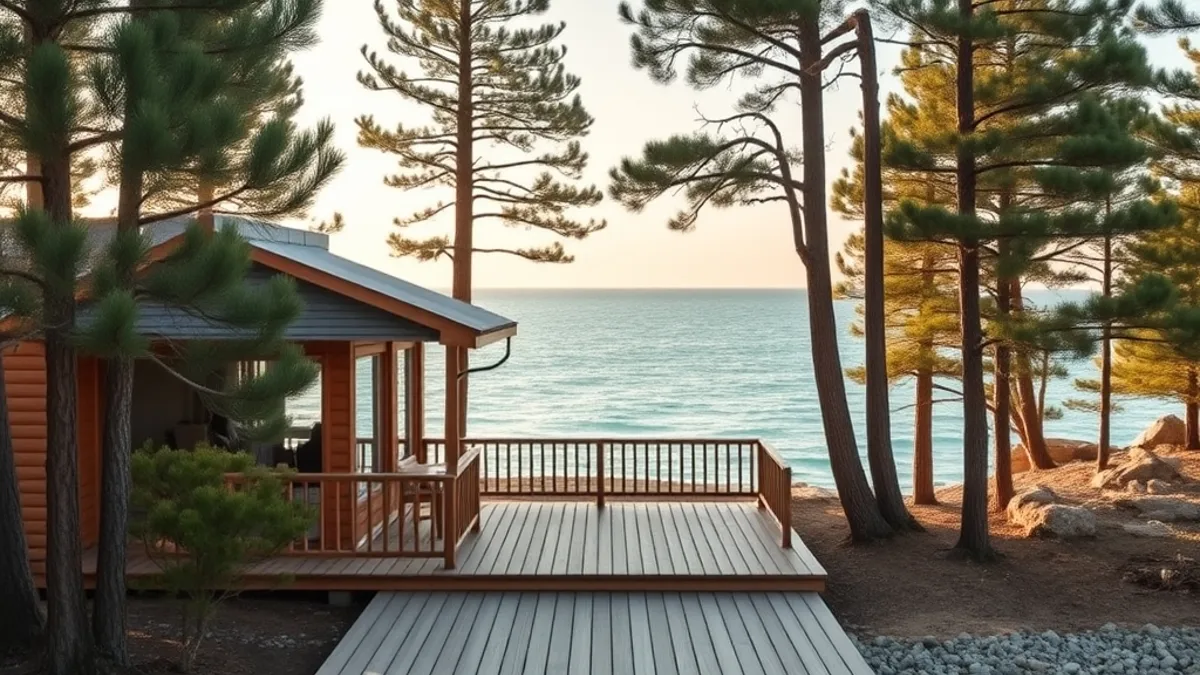
Istria is small enough that a glamping base here puts several worlds within a short drive. In one morning you can swim off a pebble cove, lunch in a hilltop town like Motovun, and be back at your tent in time for a sunset swim. The campsites themselves sit under pine canopies that keep tents cool and give sites a shaded, settled feel that open coastal campgrounds rarely match.
There is also a simple geographic reason most premium glamping sites cluster on the peninsula’s west coast: it faces west, straight out over the Adriatic. That means the sunsets happen in front of you, not to the side, and site owners know it. Sea-view decks and west-facing terraces are the selling points here, and they are worth prioritizing when you choose your pitch.
More than beach days
The interior balances all that coastline. Istria is truffle country, with olive groves stepping down toward the sea and quiet country roads that cyclists love. Coastal cycling trails link the fishing towns along the shore, so a week of glamping can mix swimming mornings with truffle lunches and afternoon rides. That variety is exactly what suits glampers, who tend to want comfort at night and activity by day.
The Best Coastal Areas for Glamping in Istria
Each stretch of Istria’s coast has a distinct character, and matching it to your travel style matters more than picking a specific site. Rovinj and the Red Island coastline draw travelers who want a boutique atmosphere — old-town dinners, gallery stops and sunset views from their tent deck. Poreč and Umag lean family-friendly, with sites built around pools, direct beach access and marina towns within easy reach. Cape Kamenjak near Premantura is the wilder option, all rugged coves, low scrub and noticeably fewer crowds. Sites near Pula combine Roman sights, an airport on your doorstep and quiet coves on the southern tip.
A practical way to choose is to think about what your days will look like, not just your nights. If you plan to swim most mornings, a site with a short, flat walk to a calm cove beats one with dramatic but rocky shoreline. If you want evenings in town, prioritize walking distance over amenities, since some of the most atmospheric sites sit a drive away from restaurants. If you enjoy pairing a coastal base with stylish small-town stays, the mindset behind boutique city breaks like those in Split’s salon culture translates well to Rovinj’s old town.
- Rovinj and Red Island: boat trips to the Red Island archipelago run from the town’s harbor, so you can add an island swim day without changing base.
- Poreč and Umag: both have working marinas, meaning evening walks past moored yachts and waterfront cafés are part of the routine, not an excursion.
- Cape Kamenjak: the protected landscape status means no big developments — expect natural coves and bring water shoes, as the shoreline is rocky rather than sandy.
- Pula area: the Roman arena still hosts events in summer, so a glamping stay here can include an open-air evening among ancient stone walls.
Choosing the Best Season for Your Trip
Timing decides most of your experience in Istria. Mid-June to late August is peak season: sea temperatures reach a warm 22-25°C, every facility on the sites is open, and the atmosphere is lively. The trade-off is peak crowds and peak prices, both on your tent and on everything around it.
The shoulder sweet spot
May-June and September-early October are the months experienced glampers aim for. Days run 20-27°C, the sea is swimmable from roughly late May through early October, and sites are noticeably quieter. Rates drop too, typically 30-40% below peak, which can turn a sea-view lodge from a splurge into a reasonable spend.
April and late October suit a different crowd: cyclists and food travelers who care little about swimming. Trails are cool, truffle season activity is in full swing inland, and you will share the sites with far fewer people. The weather can be changeable, so pack layers.
July and August bring festivals to Pula and Motovun, adding evening culture to beach days — but they also demand the earliest bookings. If a festival week matters to you, treat it as peak-season planning and reserve well ahead, because the best coastal tents go first around those dates.
What Istrian Glamping Sites Offer and What to Check
Glamping in Istria has moved well beyond a tent in a field. The typical coastal stay is a safari tent, a dome tent or a wooden lodge, and most of them come with a private deck looking out over the sea or an olive grove. Expect real beds, proper furniture and often a small kitchenette, so you get the outdoors without giving up comfort.
Before you book, check the bathroom situation carefully. Some budget-friendly sites use shared bathroom blocks rather than en-suite facilities, and the difference matters a lot when you are walking across a campsite at night. The listing should state this clearly, but if it does not, ask before you pay.
Price gives you a rough quality guide. Most coastal sites charge roughly €120-350 per night in high season, dropping to €80-200 in the shoulder months. If a deal sits well below those ranges, read the fine print on facilities and location.
- Shade and orientation: a west-facing deck catches the famous Istrian sunset, while natural shade from pines or canopies keeps the tent usable during midday heat.
- On-site pool: pebble beaches mean water shoes and sometimes awkward entry, so a pool is a genuine bonus for families and lazy afternoons.
- Bike rental: coastal and inland cycling trails start near many sites, and renting on-site saves you hauling gear on flights.
- Kitchen and fridge: with markets selling local olive oil, cheese and wine, even a simple cooking setup turns evenings into a highlight.
Booking Windows and Getting There
Timing your booking matters as much as picking the site. For July and August stays, reserve 4-6 months ahead — the best-positioned sea-view tents and lodges go first, and the choice shrinks fast after that. For May or September, 2-3 months is usually enough, though popular sites still fill weekend slots early.
That last point deserves its own note: September weekends sell out faster than midweek dates, because local and regional travelers grab them for short breaks. If your schedule allows, arriving on a Tuesday or Wednesday often gets you a better tent at a better rate.
Getting there
Pula airport sits within about 30-45 minutes’ drive of most western Istrian coastal sites, which makes a three- or four-night glamping break entirely realistic. Several European carriers fly there seasonally, so check routes from your home airport before defaulting to a longer transfer via Zagreb or Trieste.
Once you land, renting a car is the practical choice. Sites near Cape Kamenjak and the inland truffle villages sit down narrow country roads that public transport serves poorly, and having a car lets you hop between coves, hilltop towns and markets on your own schedule. Book the car at the same time as the tent — summer availability at Pula airport tightens up quickly.
Pairing Your Glamping Stay with Istrian Food and Coast
A glamping stay in Istria should not begin and end at your tent’s deck. The peninsula is small enough that you can base yourself on the coast and still reach truffle country, island boat trips and cycling trails without ever checking out. Build one or two of these into your plan and the trip instantly gets more memorable.
Truffle lunches inland
Plan at least one truffle-focused lunch in Motovun or Buje, both under an hour from the western coastal sites. These hilltop towns serve the black and white truffles Istria is famous for, usually shaved over pasta, frittata or local cheese. Go hungry, order the truffle plate, and pair it with a glass of Malvazija from a nearby winery.
Boat days and cycling
Book a boat day to the Brijuni Islands or the Lim Fjord from Rovinj or Pula, and aim for a calm summer morning departure — the sea is at its flattest and the light is best for photos. The Brijuni archipelago combines quiet coves with Roman ruins and wildlife, while the Lim Fjord cuts deep between green hills.
Cyclists should save the Parenzana trail sections for spring or autumn, when temperatures stay below 27°C. The former railway line rolls through tunnels, vineyards and olive groves between former Istrian towns, and riding it in the cooler months is far more pleasant than grinding uphill in August heat. Many glamping sites rent bikes on-site, so you can start pedaling straight from your deck.
Wrapping Up Your Istrian Glamping Plan
Glamping in Istria comes down to two simple choices: where along the coast and which month. Pick Rovinj for boutique atmosphere and sunsets, Poreč or Umag for family-friendly sites with pools, or the Cape Kamenjak area if you prefer rugged coves and fewer crowds. Match the stretch of coastline to your travel style and the rest of the plan falls into place.
Timing matters just as much. The shoulder months of May-June and September deliver warm days, swimmable sea and noticeably quieter sites at gentler rates, while peak summer brings the warmest water along with the biggest crowds and prices. If you do want July or August, book 4-6 months ahead to secure the top coastal tents and lodges. Have you been glamping in Istria, or are you planning a trip? Leave a comment or share this article with a fellow traveler.