Glamping in Spain’s Basque Country solves a problem many travelers face: you want to wake up to Atlantic waves one morning and fall asleep to forest silence the next, but you’re not sure where to base yourself or which weeks actually deliver both. The coastline around San Sebastián and Mundaka and the green valleys just inland are close enough to combine, yet they suit very different seasons, budgets and travel styles.
This guide breaks the region into its two natural halves. We’ll compare coastal sites on meadows and clifftops with inland retreats in oak and beech forest, lay out the best months for each, and share practical booking tips, from how far ahead to reserve to why covered outdoor space matters here. We’ll also cover how to pair your stay with pintxos evenings, surf sessions and cider houses, then pull everything into a simple planning summary at the end.
Why Glamping in Spain’s Basque Country Works for Two Kinds of Travelers
Few regions this compact offer such a clear split in scenery. The Basque Country packs Atlantic surf beaches and green mountain valleys within roughly an hour’s drive of each other, which means one trip can cover both without ever feeling rushed. You can sleep in the same tent all week and still swim, hike and eat your way through two completely different landscapes.
For the coastal traveler
If your ideal day ends with salt in your hair, base yourself near the Atlantic surf towns of Mundaka and Zarautz. Glamping sites here sit on clifftops or in meadows above the shoreline, so you get ocean views and, at many sites, walkable access to the sand. Mornings can start with a surf check before breakfast, and evenings end with the sound of swell rather than traffic.
For the inland traveler
If you’d rather trade waves for quiet, head into the green interior. Valleys like Goierri and the area around the Urdaibai estuary offer glamping in oak and beech forest settings, often on working farms where the morning soundtrack is livestock and birdsong instead of surf. Hiking trails leave from the tent, and the pace of the day slows noticeably.
One more reason the region works so well for sleeping outdoors: the mild oceanic climate. Nights stay comfortable even in midsummer, a sharp contrast to southern Spain, where July and August tent stays can turn uncomfortably hot. Pack a warm layer anyway, but you won’t need the desert-style ventilation tricks.
Coastal Glamping: Where to Base Yourself on the Atlantic
The stretch of Basque coast between San Sebastián and Mundaka spans roughly 80 km of surf coastline, and the best glamping sites sit on meadows above the shoreline rather than down on the sand itself. That elevation matters: you get the views and the breeze without the salt spray, and most sites are a short drive or walk from a beach access point.
Where you base yourself depends heavily on what you want from the water. Surfers should look hard at the towns with walkable beach access, while travelers who prefer calmer conditions and wildlife will get more out of the clifftop and estuary-edge locations near Urdaibai, where the water flattens out and birdlife takes over from the surf scene.
As a budget guide, expect €120-180 per night in high season for coastal tents and domes for two. Prices vary with views and amenities, so check what’s included before you book. A few things to weigh up when comparing sites:
- Distance to the break versus distance to town: some surf-focused sites are a 10-15 minute walk from the beach but a drive from restaurants, so decide whether you want evening pintxos on foot or a board-friendly location.
- Estuary-side versus open-coast positions: sites near the Urdaibai estuary trade big swell views for sheltered water and morning birdlife, which suits paddlers and photographers more than surfers.
- Wind exposure on clifftop meadows: dome-style units handle Atlantic gusts well, but ask whether your specific pitch is sheltered if you’re a light sleeper.
- What the high-season rate covers: at €120-180 per night, confirm whether bedding, towels and kitchen access are included, since these vary widely between coastal operators.
Green Inland Retreats in the Basque Valleys
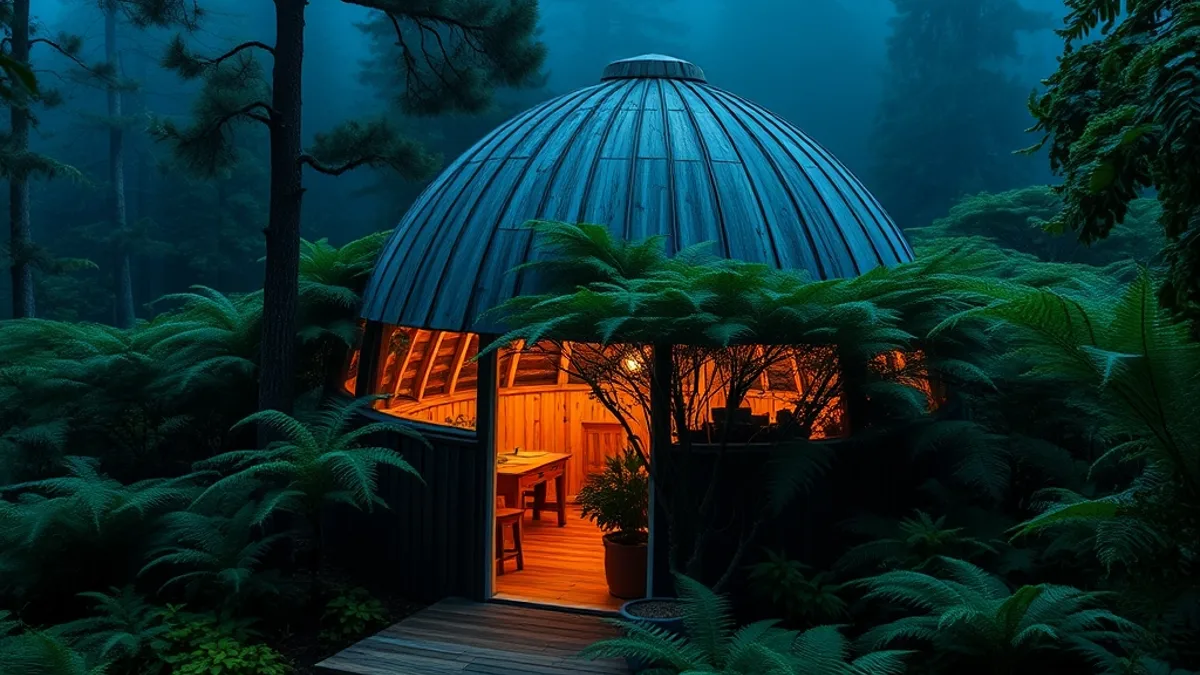
Drive inland from the coast and the landscape changes within half an hour: beaches give way to oak and beech forest, and the glamping options change with them. The Goierri valley and the foothills of the Aralar and Aizkorri ranges offer sites in forest clearings and on working farms, where sheep grazing in the next field is a normal part of the morning view.
Urdaibai: river, forest and hills in one reserve
The Urdaibai biosphere reserve deserves special mention because it blends everything at once. River, forest and rolling hills sit side by side, and the whole area lies 30-60 minutes from the coast, close enough for a beach day if the weather cooperates. It’s a strong pick for travelers who want variety without changing hotels.
What inland does better than the coast
Choose an inland base for hiking, cider houses and silence rather than beach days. Trails start from the tent, traditional cider houses sit within driving distance, and once the evening farm noise dies down, the quiet is genuinely complete. If your idea of a holiday involves reading on a deck with no sound but birds, this is your half of the region.
Your wallet will notice the difference too. Inland sites typically run €90-140 per night, cheaper than the coast, which makes them a smart choice for longer stays or for travelers who’d rather spend the savings on meals and activities. As with coastal sites, check what the rate includes before booking, since farm settings sometimes add extras like breakfast produce or animal-feeding mornings that make the lower price even better value.
When to Go: Seasons for Coast and Inland
The sweet spot for coastal glamping runs from June to September, when the Atlantic is at its friendliest and the beach towns hum with summer energy. Sea temperatures peak at around 20-22°C in August, which is comfortable for swimming and ideal for beginner surf lessons. Nights stay mild thanks to the oceanic climate, so you rarely need more than a light layer after sunset.
Inland, the calendar shifts slightly earlier and later. May, June and September bring gentle 18-24°C days to the green valleys, when the forests are at their most vivid and the walking trails are quiet. If your priority is hiking, cider houses and slow mornings rather than beach time, these three months are hard to beat.
October is the wildcard. Atlantic fronts roll in with real drama, which surfers love but fair-weather campers may not. Many glamping sites wind down for the season, and it is common for them to close after mid-October, so always confirm opening dates before booking a late-autumn stay.
- August combines the warmest sea with the busiest beaches, so book well ahead if you want both good water and a prime pitch.
- September often delivers the best all-round mix for surfers, with lingering warmth and the first proper autumn swells arriving.
- Shoulder-month stays in June or September typically cost 20-30% less than the same unit in August, freeing up budget for dinners out.
- Spring inland means longer green grass, lambing season on working farms and waterfalls at full flow in the valleys.
How to Choose and Book the Right Site
Basque glamping sites vary widely in comfort, access and season length, so a little homework before booking pays off. The difference between a cozy, well-insulated dome and a damp, chilly disappointment often comes down to a handful of practical checks you can make before paying a deposit. Atlantic weather is unpredictable even in the best months, and rural sites differ enormously in how well they are set up for it. Work through this short list before you commit, and you will avoid the most common complaints travelers report after a first glamping trip in northern Spain.
- Book on the right timeline. Coastal sites for July and August fill quickly, so aim to reserve 3-5 months ahead. Inland retreats move slower, and booking 1-2 months ahead is usually enough outside peak weekends and local festival dates.
- Ask about insulation and heating. Basque nights can drop below 15°C even in midsummer, and a thin canvas bell tent can feel cold by 3 a.m. Confirm whether the unit is insulated, has a heater or at least includes proper bedding and extra blankets.
- Check the drive from Bilbao airport. Most coastal and inland glamping zones sit within roughly an hour’s drive, but a “30 minutes from the coast” claim can mean winding mountain roads. Map the actual route before choosing a base.
- Look for covered outdoor space. Atlantic showers can arrive in any month, so a site with a covered terrace, communal barn or sheltered deck lets you cook, eat and relax outside regardless of the weather.
Once you have shortlisted two or three sites, message the hosts directly with any questions about heating, road access and arrival times. Ask specifically about parking, since some farm-based sites involve a short walk from the car. Small glamping operations often respond quickly and can be flexible with check-in times, especially outside the July and August rush. A ten-minute exchange of emails before booking is the easiest way to make sure the site matches what you actually want from the trip.
Pairing Your Stay with Basque Food and Coastline
A glamping base in the Basque Country works best when you treat it as a launchpad rather than the whole trip. The region is compact, so you can sleep in a forest clearing and still eat your way through a city in the same evening.
Pintxos evenings from your tent or dome
Plan at least one txikiteo evening, the local ritual of hopping bar to bar for pintxos and small glasses of wine. San Sebastián and Bilbao are both realistic day trips from most glamping sites, and both cities turn bar crawling into an art form. Go early, stand at the counter, and follow the locals from one bar to the next.
Surf, cider and trails
Coastal bases pair naturally with surf lessons, and Zarautz or Sopelana make easy choices for beginners. The famous Mundaka wave draws experienced surfers when autumn swells arrive, and watching it break is entertainment enough even if you never paddle out. Inland, your stay connects directly to cider house season, where sagardotegi restaurants pour cider straight from the barrels and serve cod omelets and steak. The GR long-distance trails also cross the green valleys, so you can pick up a signed section for a day walk without needing a full expedition.
One practical note: rent a car. Rural glamping sites are rarely reachable by public transport alone, and having your own wheels lets you chase the weather, detour to a viewpoint and get home after a long pintxos evening without checking a bus timetable.
Planning Your Basque Glamping Trip
Glamping in the Basque Country answers a simple question: where can you get Atlantic coastline and green countryside in one trip? The answer is here, because the region offers both coastal sites on surf meadows and quiet inland retreats in the Urdaibai and Goierri valleys, all within short drives of each other. The coast suits June to September surf and beach trips, while inland shines in May, June and September with milder days and thinner crowds.
Plan on a budget of €90-180 per night for a tent or dome for two, and book coastal sites 3-5 months ahead for July and August stays. Basing yourself near Bilbao airport keeps both the coast and the valleys within easy reach, so you never have to choose one side of the region over the other. If this helped you plan your trip, leave a comment or share the article.