Foliage season is the shortest and most expensive window of the year for a Vermont getaway, and it’s also the one most travelers book too late. The color show lasts only a few weeks, demand piles into a handful of weekends, and the best tents, yurts, and cabins are often gone before summer ends. If you’ve ever searched in September for an early October stay, you know how slim the pickings get.
This guide walks you through planning glamping in Vermont the right way. We’ll cover why foliage season is so hard to book, when and where peak color actually happens across New England, and how to choose a stay that keeps you comfortable on cold nights. You’ll also find the best regions to base yourself in, booking strategies that beat the rush, and activities that pair well with a glamping setup, plus a simple wrap-up plan to pull it all together.
Why Foliage Season Is the Hardest Time to Book Glamping in Vermont
Here’s the core problem: Vermont’s foliage season spans roughly mid-September through mid-October, about 4-5 weeks total. That sounds like a decent window until you realize most visitors can only travel on weekends. Suddenly, all that demand squeezes into four or five Saturday nights, and property owners know exactly what those dates are worth.
The pricing reflects it. Foliage-season weekend rates typically run $200-$500 per night, roughly double shoulder-season prices. A tent that costs $120 on a quiet June weekday can easily command $350 in early October, and premium sites with hot tubs or mountain views sit at the top of that range.
The June cutoff is real
Popular sites can be fully booked by June for early October dates. That’s not an exaggeration to scare you into acting fast; repeat guests rebook the same weekend every year, and many hosts open their calendars a full year ahead. By the time the first leaves start turning, the best options are long gone and you’re left comparing overpriced leftovers hours from the trails you wanted.
The good news is that timing is also your biggest savings tool. Midweek stays, roughly Sunday through Thursday, can cost 30-40% less than weekends. You get the same ridgelines, the same maple-covered roads, and often a better experience: quieter trails, empty scenic pull-offs, and hosts who actually have time to chat. If your schedule allows even one or two midweek nights, you’ll pay less and see more.
When and Where to Catch Peak Color Across New England
Foliage doesn’t arrive everywhere at once, and that’s actually good news for planners. Northern Vermont typically peaks late September to early October, while southern Vermont and Massachusetts peak mid-to-late October. That staggered schedule means there’s usually somewhere in New England near peak color from late September through late October, if you pick the right region for your dates.
Follow the color south
The color moves north to south at roughly 30-50 miles per week. If your dates are flexible, you can chase that wave: book early in the season in the Northeast Kingdom, then plan a later trip in the Berkshires or southern Vermont. Even within a single week, checking foliage reports a few days before departure helps you shift your base 50 miles north or south to stay near peak.
Plan for cold nights, not just pretty days
Early October nights in Vermont commonly drop to 35-45°F. A gorgeous 60°F afternoon can turn into a near-freezing night in a thin canvas tent, so heating isn’t a luxury at this time of year. Look for four-season tents, wood stoves, or proper insulation when you book, and pack layers and a warm sleeping bag regardless of what the listing promises.
Location matters too. State routes like Vermont’s Route 100 corridor put you in the heart of the color without long detours. Basing along a scenic state road means your drive to dinner, the trailhead, or the farm stand doubles as leaf-peeping, no extra mileage required.
Choosing the Right Stay Type for Cold Nights
Not all glamping stays handle a 40°F night equally well, and the difference between stay types matters far more in October than in July. Basic canvas tents that feel charming in summer can leave you shivering by 3 a.m. once early October lows of 35-45°F set in. Heated safari tents and yurts are a much safer pick for that window, since they’re designed with cold nights in mind and often include a heat source as standard equipment.
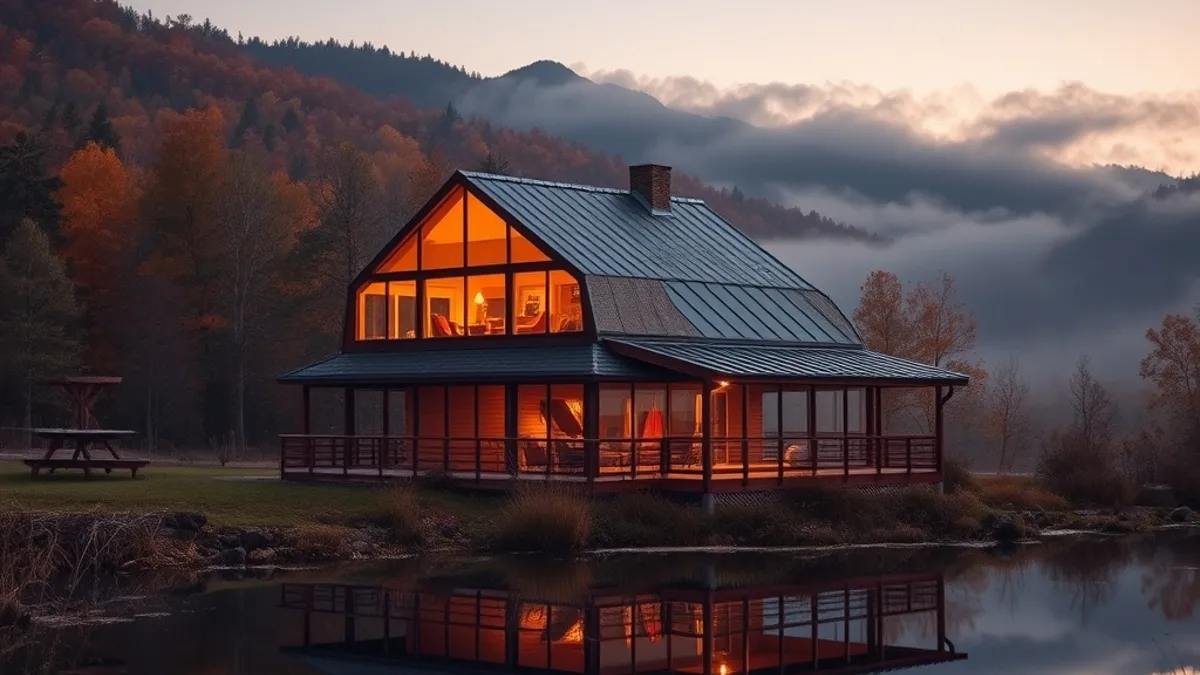
If you want comfort as part of the experience itself, glass-roofed cabins and A-frame domes are hard to beat. You can watch color on the ridgeline by day and stars by night without leaving the bed, which matters a lot when stepping outside means a 40°F walk to the bathhouse.
What to check before you book
When comparing listings, look past the photos and focus on how the structure performs in cold weather:
- Wood stoves give real, adjustable heat and often let you dry wet gloves and boots overnight, but ask whether firewood is included or sold on-site.
- Insulated walls separate four-season structures from summer-only tents; insulated panels hold heat long after the stove dies down, unlike thin canvas.
- Heated bathrooms make 5 a.m. wake-ups far more bearable, and shared bathhouses with heat are a reasonable fallback if private baths aren’t available.
- Winterized plumbing is the question most guests forget to ask: confirm whether water lines and showers stay operational after the first frost, since some hosts close them once temperatures dip.
That last point deserves a phone call or a direct message to the host. A heated tent with no running water in October is a very different trip than the listing implies, and it’s much easier to clarify before you pay than after you arrive.
The Best Vermont and New England Regions for Glamping Bases
Vermont gets most of the foliage glory, but each region puts its own spin on the season. The key is matching your base to the dates you can actually travel, because color timing varies by several weeks from north to south.
If you’re aiming for the earliest color, point yourself toward Stowe and the Northeast Kingdom. These northern areas typically reach peak in late September to early October, and the ridgelines here are the classic postcard Vermont: steep hillsides blanketed in sugar maples that turn brilliant red and orange. Stowe has the most developed tourism infrastructure, while the Northeast Kingdom feels quieter and more rural, with fewer crowds on the roads.
The Mad River Valley and the Route 100 corridor sit in the middle of the state and offer a nice balance. You get scenic driving in every direction, plus small towns like Waitsfield and Warren where you can stop for a locally brewed beer or a cider doughnut between viewpoints. This stretch works especially well for travelers who want a mix of driving and village time rather than full-day hikes.
Southern Vermont, including the areas around Bennington and Brattleboro, peaks later in the season, typically mid-to-late October. That makes it a smart pick if your trip falls in the second half of the month.
- Stowe and the Northeast Kingdom: Stowe’s lodging scene books up fastest, so look at Kingdom towns like Greensboro or Burke for more availability and equally early color.
- Mad River Valley and Route 100: The corridor is one of the few places where you can plan an entire day of driving without touching an interstate, hopping between villages every 15-20 minutes.
- Bennington and Brattleboro: Both sit near clusters of historic covered bridges, so late-season trips get foliage and classic New England architecture in the same afternoon.
- White Mountains and the Berkshires: New Hampshire’s White Mountains add above-treeline vistas and the Kancamagus Highway, while the Berkshires pair foliage with museums and a strong farm-to-table dining scene.
How to Book Before the Best Sites Sell Out
Foliage-season glamping is one of those trips where the calendar matters more than anything else. The best-heated tents and domes in prime locations simply don’t last, so your booking strategy should start months before the leaves even think about turning. The good news is that a few deliberate habits can save you real money and a lot of stress. Here’s how to lock in a good site without overpaying.
- Reserve 3-6 months ahead. For early October dates, that means having your reservation confirmed by June. Popular properties in Stowe, the Mad River Valley, and the White Mountains often have their peak weekends fully committed by then, especially for Friday and Saturday nights. If you wait until late summer, you may be left choosing between leftover units or less convenient locations.
- Target Sunday-to-Thursday nights. Midweek stays typically come in noticeably cheaper than weekends, and you’ll share the trails, farm stands, and scenic roads with far fewer people. Even shifting a weekend trip to start on Sunday afternoon can cut your total significantly, since the priciest nights are usually Friday and Saturday.
- Read the cancellation terms carefully. Foliage timing shifts with weather year to year, so a non-refundable booking tied to a predicted peak date is a real risk. Know exactly how late you can cancel or change dates before you pay, and watch for properties that charge the full amount at booking.
- Choose refundable rates or add travel insurance. If your whole trip hinges on catching peak color, pay a bit more for flexibility. A refundable rate or a policy covering trip cancellation lets you shift your dates if the season runs early or late, which happens more often than first-time leaf-peepers expect.
One final habit worth building: set a reminder to check your booking a few weeks before arrival. Some hosts release held sites or offer date changes as the season approaches, and a quick message can sometimes get you into a better unit or a more favorable window if the color forecast has moved. It costs you nothing to ask, and hosts would rather shift your dates than leave a tent empty on a cold October night.
Foliage Activities That Pair Well With a Glamping Base
One of the best things about a glamping base is that it puts you right inside the color instead of an hour’s drive away. That means you can build your days around light and temperature rather than logistics, which makes a bigger difference than most first-time leaf-peepers expect. You can step out of your tent, spot a blaze of maple on the ridge behind camp, and adjust the day’s plan on the spot instead of committing to a single viewpoint hours away.
Start early. Sunrise drives on quiet backroads are far more rewarding than the famous midday viewpoints, where parking lots fill and traffic slows to a crawl. The low morning light also makes reds and oranges glow in a way that flat midday sun never quite matches. Give yourself a slow coffee on the deck first, then head out before the tour buses arrive. After a slow afternoon, evenings back at camp become their own event: when temperatures dip toward 40°F, a campfire or a hot tub stops being a luxury and becomes the highlight of the day.
- Fire tower hikes: Look for short climbs to old fire towers or open ridgelines; many deliver 360-degree color views in under two hours round trip, and rangers or trail maps can point you to the closest one. Bring layers, since summit wind feels colder than the valley.
- Orchards and farm stands: Apple picking usually overlaps with foliage season, and many orchards add cider tastings, doughnut sheds, and pick-your-own pumpkin patches that fill an afternoon easily.
- Covered bridge loops: Several Vermont regions cluster historic covered bridges within a short drive of each other, letting you string together a low-effort loop with photo stops between them.
- Golden-hour photography: Position yourself on a west-facing hillside or lake shore in the hour before sunset, when the angled light saturates the hillsides and crowds have thinned. Scout your spot in daylight so you are not hunting for parking at the last minute.
Wrapping Up Your Foliage Glamping Plan
Fall is the one window when Vermont glamping turns competitive, and many travelers only realize it once they start searching in late summer. If there is a single lesson to carry away from this guide, it is that foliage season rewards early planners. Lock in your dates well before summer ends, and lean toward midweek nights whenever your schedule allows.
Then match the details to the season. Choose a stay type built for chilly October nights, pick a region timed to peak color for your dates, and shift your base southward through the season if your plans stay flexible. Do that, and a fall glamping trip becomes one of the easiest wins in New England travel. Have a favorite foliage base or a booking tip of your own? Share it in the comments or pass this guide along to a fellow leaf-peeper.