You want the Adriatic’s beaches and islands without the wall-to-wall hotels, but picking when to go and which stretch of coast to base yourself on feels like a gamble. That’s exactly where glamping in Croatia’s Dalmatian coast comes in: a canvas tent or dome above a pine grove, the sea a short walk away, and none of the gear-hauling of traditional camping.
This guide walks you through the decisions that matter. We’ll look at why the region suits glamping so well, how to choose between midsummer buzz and shoulder-season calm, and where to base yourself among the Zadar, Split and Dubrovnik stretches. You’ll also find advice on stay types, how to spot the best sites and book at the right time, ways to build your days around beaches, islands and inland detours, plus a quick summary to pull it all together.
Why Glamping in Croatia’s Dalmatian Coast Works So Well
The Dalmatian coast packs a remarkable amount into a compact stretch of shoreline. In a single day you can swim off a pebble beach, catch a ferry to a car-free island, and hike limestone trails above the water. Few regions let you combine Adriatic swimming, island hopping and rocky hiking terrain without long drives between them, which is precisely what makes a glamping base here so practical.
Small sites, not sprawling resorts
Glamping along this coast tends to be intimate. Sites are usually small affairs terraced into pine and olive groves, often family-run, rather than sprawling resort grounds with hundreds of units. You might share a terrace with a dozen other tents, wake to cicadas and salt air, and walk down a stone path to a quiet swimming spot. The setting does much of the work.
It also fills a gap that plain hotels and basic camping leave open. Packed coastal hotels can feel impersonal and expensive in summer, while rustic camping means buying or hauling equipment you may never use again. Glamping sits in the middle: proper beds, real bathrooms and a ready-made setup, with the pine trees and sea views doing what no hotel lobby can.
Choosing Your Season: Midsummer Buzz or Shoulder-Season Calm
Timing shapes a Dalmatian glamping trip more than almost any other choice. From mid-June to late August, the sea sits at a comfortable 22-25°C, towns hum with festival energy, and beach clubs run at full tilt. The trade-off is peak pricing and the year’s largest crowds, both on the beaches and at the small glamping sites themselves.
The shoulder-season case
May-June and September-October are the quieter alternative. Expect daytime temperatures of 20-28°C, beaches where you can actually hear the waves, and nightly rates that typically start from around €100. The sea is cooler in these months, but on a calm September day most swimmers won’t complain.
If you can pick only one window, September is the sweet spot. The sea has had all summer to warm, the grape and olive harvest is underway inland, and the school-holiday crowds have thinned noticeably. Sites that felt packed in August regain their breathing room.
One hard limit: from November to March, most glamping sites close or run reduced services, so winter trips along this coast generally mean conventional accommodation instead. Check opening dates with any site you’re eyeing for late autumn.
Where to Base Yourself: Zadar, Split or Dubrovnik Stretch
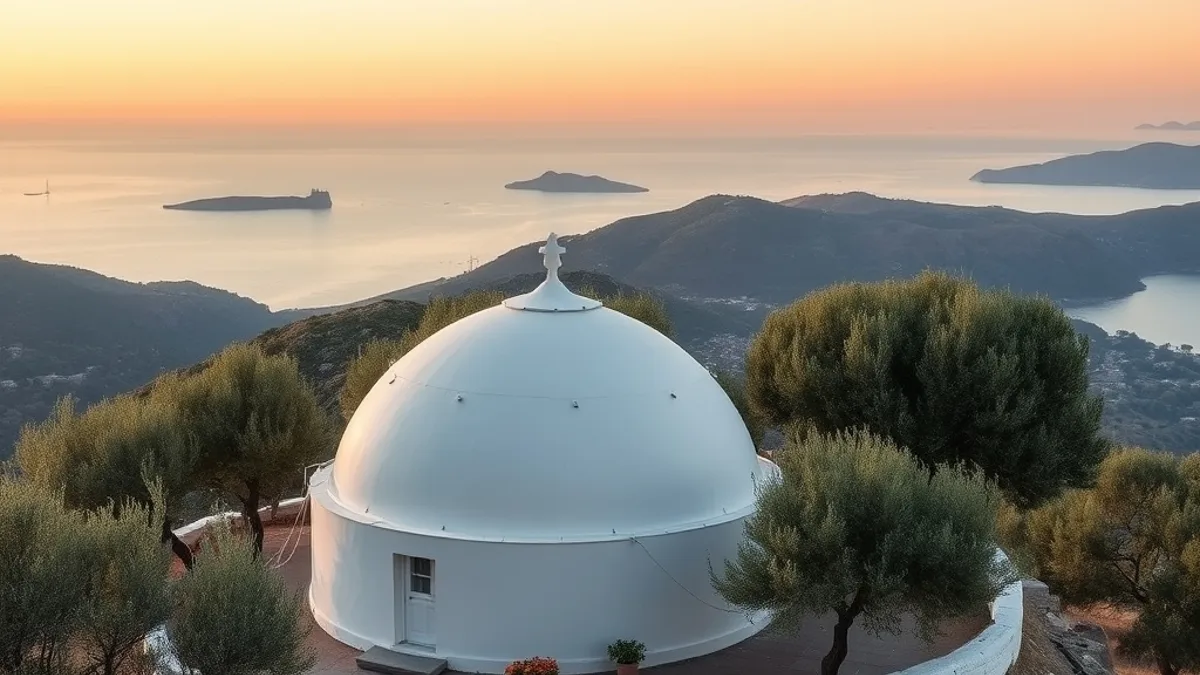
Dalmatia is long and varied, and the right base depends on what you want from your days. The stretch between Zadar and Split runs roughly 160 km of coastline dotted with small glamping sites, and each end of it has a distinct personality. Zadar suits travelers who want quiet pine forests and easy access to national parks, while the Split region is the natural launchpad for island hopping, with ferries to Hvar and Brač taking anywhere from 50 minutes to 2 hours. The Dubrovnik stretch is pricier and busier, but it pairs your canvas tent with one of Europe’s great old towns and the rolling Konavle countryside just inland.
There’s also a fourth option that many travelers overlook: heading up into the hills. Inland hillside sites trade beach proximity for cooler nights and olive-grove scenery, which can be a relief in August. Before you commit to a stretch of coast, it helps to know what each area does best:
- Zadar hinterland: being close to national park country means you can pair beach mornings with waterfall hikes, and the smaller sites here often sit deeper in pine forest than anywhere further south.
- Split’s islands: the short ferry crossings make it realistic to sleep on the mainland and spend full days on Hvar or Brač, returning for dinner at your tent without an overnight bag.
- Dubrovnik’s balance: the Konavle valley south of the city offers a gentler, greener landscape and some of the coast’s more atmospheric hillside settings, a contrast to the polished old town below.
- City add-ons: if you want a dose of urban boutique life between beach days, Split’s salon scene brings an Adriatic breeze into city life and pairs neatly with a coastal glamping base.
Stay Types to Look For: Tents, Domes and Lodge Setups
Glamping on the Dalmatian coast comes in a few distinct flavors, and knowing the difference matters before you book. The most common setup is the safari-style canvas tent: a large, sturdy structure on a wooden platform, furnished with real beds, luggage space and an en-suite bathroom. These feel far closer to a small hotel room than to camping, and they suit most travelers who want the outdoors without any gear.
Geodesic domes are the second option you will see again and again, especially on terraced hillside sites above the sea. Their curved windows are built for the view, and the insulated shell holds warmth better than canvas, which makes them a smart pick for shoulder-season nights when temperatures drop after sunset.
For longer stays, look at lodge and cabin-style units. You give up a little of the under-canvas romance, but solid walls mean better soundproofing, more storage and a comfortable base if you plan to stay a week or more while still enjoying the glamping atmosphere of a small, nature-wrapped site.
- Safari tents: check whether the en-suite bathroom includes a hot shower and whether the tent has mesh screens, since mosquitoes are active on warm coastal evenings.
- Domes: ask about air conditioning or fans, because the panoramic glazing that makes them special can also turn them into greenhouses at midday in July.
- Lodges and cabins: look for a kitchenette or at least a fridge and kettle, which makes self-catering easy on longer stays when you want breakfast on your own terrace.
- Layout matters everywhere: prioritize units with a shaded terrace and natural wind protection from trees or stone walls, since the coastal sun is fierce and the bura wind can arrive suddenly and hard.
How to Spot the Best Sites and Book at the Right Time
Not all glamping sites are created equal, and the differences show up in the details. Start with the bathroom situation: “private bathroom” should mean a real, en-suite facility inside your unit, not a shared block across the terrace. Then check the orientation of the unit on the site map or photos, because a sea-view terrace is a very different experience from one facing a parking area.
Dining is the next thing to verify. Many small Dalmatian sites are beautiful but have no restaurant, so you will need a car or a plan for evening meals. Some offer breakfast only, others have a small seasonal kitchen, and a few partner with nearby konobas for dinner deliveries.
Atmosphere: adults-only or family-friendly?
This matters most in July and August, when sites fill up completely. Some properties are explicitly adults-only and quiet-focused, while others welcome families with play areas and shallower beach access. Neither is better, but booking a party-friendly couple into a family site, or the reverse, leads to disappointing mornings for everyone. Read the site description carefully and check recent guest reviews before committing.
Timing your booking
For July and August stays, reserve 3-6 months ahead, since the best-oriented units with sea views go first. If you are traveling in May, June or September, booking 1-2 months in advance is usually enough, and you may even find last-minute availability. Finally, compare direct booking against the big platforms: small Dalmatian sites often offer better rates and let you choose your exact pitch or unit when you book directly with them.
Building Your Days: Beaches, Islands and Inland Detours
One of the joys of basing yourself near Split is how easily the days can change shape. A coastal glamping site gives you slow mornings by the water, but the ferry network opens up a whole second layer to your trip: island beaches on Hvar and Brač sit close enough to reach in as little as 50 minutes, with longer crossings taking up to 2 hours, so they work as realistic day trips rather than overnight commitments. If slow mornings in a beautiful landscape are what you are after, the rhythm pairs nicely with ideas from a slower kind of countryside escape in Provence, where unhurried days are the whole point.
Don’t skip the inland detours, either. The Dalmatian coast is compact, and waterfall country is closer than you might expect. Krka National Park sits within easy driving reach of many coastal bases, and areas near Plitvice make a fuller day trip for hikers who want a change from salt and stone. Alternating a beach day with a waterfall hike keeps the week varied and helps you appreciate both sides of the region.
Timing matters most in high summer. In July and August, the midday sun on open beaches and exposed trails is intense, so plan around it rather than through it.
- Swim early: the sea is calmest and the light is best before mid-morning, and you will often have the water nearly to yourself.
- Sightsee late: old towns like Split’s Diocletian’s Palace come alive again in the early evening, when the heat drops and café terraces fill up.
- Use midday for the ferry or the drive: crossing to Hvar or Brač around lunchtime turns the hottest hours into deck time instead of beach time.
- Book island ferries ahead in peak weeks: car and passenger spaces on popular routes fill quickly in August, so reserve online rather than queuing at the port.
Your Dalmatian Glamping Trip at a Glance
So, when should you go and where should you base yourself? For the best mix of warm sea, calm sites and lower rates, aim for September or early June. Both deliver pleasant swimming conditions without the midsummer crush, and nightly rates start around €100 rather than peak-season highs.
Pick your stretch by priority: the Zadar area for quiet pine forests and national park access, Split for easy island hopping to Hvar and Brač, or the Dubrovnik stretch for scenery paired with old-town culture. If August is your only window, book three to six months ahead and expect €300+ per night for premium tents. Finally, match your setup to the season—a dome for cooler shoulder-season nights, a safari tent or lodge for high summer. If this helped you plan your trip, leave a comment or share the article with a fellow traveler.