You want a countryside escape in South Korea, but the options are overwhelming. Which regions actually deliver scenery worth waking up to? Are those dome tents on booking sites comfortable or just Instagram bait? And does the season you pick make or break the trip? Glamping in South Korea can be all of these things, depending on where and when you go.
This guide walks you through the essentials. We cover why Korea works so well for glamping in the first place, the best countryside regions from the lakes near Seoul to Jeju’s coast, and exactly when to book around cherry blossoms, monsoon rain and autumn foliage. You’ll also learn what different stay types include, how to vet and reserve the good sites, what to pack, and how to get there. By the end, you’ll be able to match a region to a season and book with confidence.
Why Glamping in South Korea Works So Well
South Korea has a rare advantage for glamping: nothing is far away. The country’s compact size means you can reach mountain, lake or coastal glamping sites within 1–2 hours of Seoul by car or ITX train. That turns a weekend into a real escape without an exhausting journey, and even a Friday evening departure gets you settled by nightfall.
The other strength is how purpose-built the resorts are. This isn’t roughing it with a borrowed tent. Korean glamping resorts typically offer geodesic domes, A-frame cabins and deck tents fitted with real beds, heating and, in many cases, private bathrooms. You get the outdoor setting with hotel-style comfort, which makes the experience accessible even if you’ve never camped before.
Seasons do the decorating
Countryside stays here pair naturally with seasonal scenery. April brings cherry blossoms along riverbanks and hillsides, summer turns the rice paddies a deep green, and late October sets the mountains on fire with foliage. The same site can feel like three different destinations depending on when you visit, so timing your trip around the landscape is half the fun.
Best Regions for Countryside Glamping
Korea’s countryside offers genuinely different glamping experiences depending on where you point the car. Some regions suit first-timers who want an easy trip from Seoul, while others reward travelers willing to go further for quieter settings. Each area has its own landscape, pace and practical considerations, so it pays to match the destination to what you actually want from the trip. Here’s how the main areas compare.
- Gapyeong and Chuncheon: lakeside sites line the Bukhan River, and the ITX train connection makes these the easiest escapes from Seoul if you’d rather skip driving entirely. Both towns also have convenience stores and restaurants nearby, so you’re not completely dependent on site facilities.
- Gangwon Province: forest and mountain settings sit at higher elevations, so summer nights stay noticeably cooler than in the capital, a real bonus during humid July and August. In colder months, confirm your site has proper heating before committing.
- Jeju: coastal glamping puts you near volcanic landscapes like craters and basalt cliffs, and the island’s winters run milder than the mainland’s. You’ll need a rental car or a plan for taxis, as public transport between sites is limited.
- Jeolla provinces: quiet farmland and tea-country settings see far fewer crowds, ideal if your priority is stillness over sightseeing. Expect longer drives and fewer English-language listings, so book carefully.
A practical way to choose: if this is your first glamping trip or you’re relying on public transport, start with Gapyeong or Chuncheon. If you’re chasing cooler air or snow scenery, head to Gangwon. Jeju and the Jeolla provinces work best when you have a few extra days and a rental car, since the journey is part of the experience.
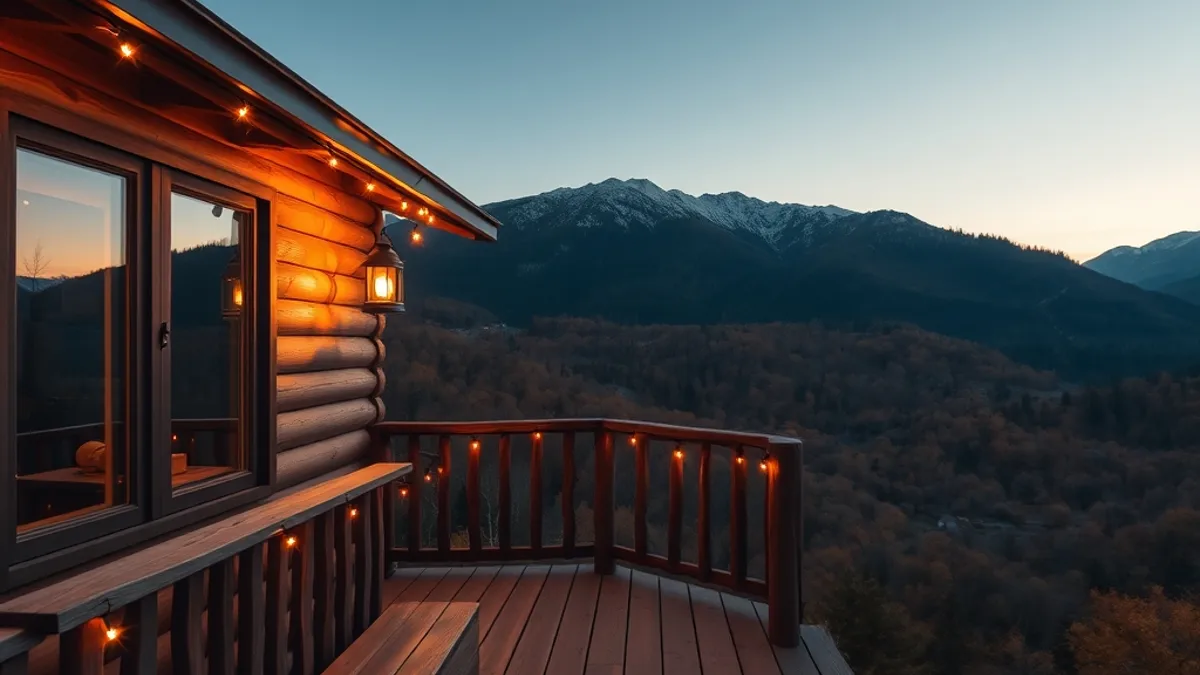
When to Go: Seasons and Weather
Timing matters more for glamping than for most trips, because your accommodation is essentially outdoors. Pick the wrong window and you’ll spend the night listening to rain on a tent roof instead of stargazing from your deck.
The sweet spots
April to May brings mild temperatures and cherry blossoms, making spring the first peak season of the year. Sites fill quickly on weekends, and the weather is comfortable enough for BBQ dinners outside. Autumn is the other standout: October and November deliver the best foliage, with colors typically peaking mid-October to mid-November depending on elevation and region. If slow, scenic countryside travel appeals to you, the atmosphere in autumn resembles what you’d find on a trip through lavender fields and quiet French village mornings — unhurried, fragrant and photogenic.
Seasons to plan around carefully
Late June to late July is monsoon season, with repeated rain and heavy humidity. Avoid it unless your site offers covered decks or indoor common areas, and check that detail before booking. Winter, from December through February, is a different story: temperatures often drop below freezing, so it suits heated domes and cabins only. The payoff is snow scenery and noticeably low rates, which makes a well-heated dome one of Korea’s coziest cold-season stays.
Types of Glamping Stays and What to Expect
Glamping in South Korea comes in a few clear tiers, and knowing the differences before you book will save you from surprises at check-in. The most comfortable option is usually a geodesic dome or an A-frame cabin. These are purpose-built structures with solid walls or insulated panels, and they behave much like a small hotel room in the countryside.
At the budget end, deck tents and trailer stays keep costs down while still giving you a real bed and a roof over your head. The trade-off is space and privacy: bathrooms and showers are sometimes shared in a central building, and you may walk a short distance from your tent to reach them. This is perfectly fine in warm months, but less appealing on a freezing night.
Premium resorts sit at the top of the range and market themselves on extras. Think private decks with lake or mountain views, BBQ kits delivered to your site, and sometimes a hot tub on the deck itself. These properties fill fastest on weekends, so treat them like a hotel booking rather than a casual campsite reservation.
- Geodesic domes and A-frame cabins: usually include a private bathroom, heating and a small kitchenette, so you can cook simple meals without leaving your unit — a big advantage in rural areas where restaurants close early.
- Deck tents and trailer stays: typically run ₩80,000–₩150,000 per night, but confirm whether linens are provided and whether the shared shower building is heated if you are traveling outside summer.
- Premium resorts: generally ₩150,000–₩250,000 per night for two, and often include extras such as BBQ kits, hot tubs and private decks that justify the higher price for a special occasion.
- Capacity differences: domes and cabins usually sleep two to four, while some premium units add a second bedroom, which matters if you are traveling with children.
How to Spot the Best Sites and Book Ahead
The gap between a great glamping trip and a disappointing one often comes down to what you confirmed before paying. Korean countryside sites vary widely in what is included, and the listing photos rarely tell the whole story. A dome with a private bathroom and a deck tent with shared facilities can look almost identical in photos, yet offer very different levels of comfort. A few careful questions upfront make all the difference, especially if you do not speak Korean and the site’s listing is thin on details.
- Confirm heating, bathrooms and bedding. Ask specifically whether your unit has heating, a private bathroom and bedding included. This matters most for December–February stays, when temperatures often drop below freezing and a tent without proper heating is not a place you want to sleep. It also matters in shoulder months, when mountain nights stay cold even if the days feel mild.
- Book early for peak dates. Reserve 1–2 months ahead for spring weekends and 2–3 months ahead for peak foliage dates in mid-October to mid-November. Weekend availability in the most scenic regions disappears quickly during these windows, and prices for the remaining units tend to rise as dates fill up.
- Check meals and equipment. Many rural sites are self-catering, so confirm whether BBQ equipment is provided, what the check-in time is, and whether food packages can be ordered. If not, plan a grocery stop on the way, since shops near rural sites can be sparse and close early in the countryside.
- Use Korean platforms or call ahead. Smaller sites often list limited information in English. If you do not read Korean, a translation app plus a phone call — or asking your accommodation host to help — will clarify the details that matter.
One last habit worth building: screenshot or save the site’s policies the moment you book. Cancellation rules, check-in windows and payment methods vary from site to site, and some rural operators only accept bank transfer rather than foreign cards. Having the details on hand avoids awkward conversations in person, and it gives you something concrete to point to if your unit does not match what was promised.
What to Pack and How to Get There
Getting to Korea’s countryside sites is easier than it looks on a map. The popular glamping regions are surprisingly close to the capital, but how you travel depends heavily on where you are headed. Gapyeong and Chuncheon are straightforward without a car, since the ITX train from Seoul puts you close to the lakeside sites along the Bukhan River, and from the stations a short taxi ride covers the rest. Jeju obviously means a flight, but once you land, renting a car for a day or two makes coastal sites far easier to reach. For Jeolla and Gangwon Province sites, a rental car is the practical choice — public transport reaches the towns but rarely the farm roads and forest valleys where the best sites sit. If you drive, note that some rural access roads are narrow and unpaved for the last stretch, so arrive before dark the first time.
Packing is where first-time glampers slip up. Korean sites are built around deck living: you take off your shoes at the entrance and spend your evenings on a wooden deck in slippers or socks. Nights in mountain areas stay cool even in summer, so layers matter more than most visitors expect.
- Slip-on shoes: you will be taking shoes on and off constantly, so lace-up boots become tedious; easy slip-ons plus warm socks make deck life comfortable.
- Layers for summer nights: a fleece or light jacket for Gangwon mountain sites, where evenings can feel surprisingly cool even after a hot day.
- Insect repellent: essential for June–September stays, especially near rivers, lakes and rice paddies where mosquitoes are active after sunset.
- Thermal wear for winter: for December–February trips, bring base layers and warm socks for outdoors, even if your dome or cabin is well heated.
- Groceries and charcoal: if your site is self-catering, stock up in town before arriving — rural convenience stores may be closed by the time you check in.
Planning Your Korean Glamping Trip
A glamping trip in South Korea works best when you let the season pick the region. If you are chasing autumn color, aim for Gangwon Province or the lakeside sites around Gapyeong and Chuncheon in late October, and lock in your dates two to three months ahead. Jeju shines in spring and autumn, when coastal weather is mild and the volcanic landscapes are at their best. For peak weekends in either season, expect to pay somewhere between ₩80,000 and ₩250,000 per night for two people, and reserve early because the best domes go fast.
Your stay style matters just as much as your destination. A deck tent keeps costs down but usually means shared facilities, while a heated dome or A-frame cabin with a private bathroom makes winter trips genuinely comfortable. Match the comfort level to the season and your budget, and the countryside will do the rest. Have a favorite region or a tip from your own glamping trips? Share it in the comments below or pass this article along to a travel partner.