First time glamping sounds simple: book a tent, show up, enjoy the views. But the reality trips up a lot of newcomers. They book the wrong season, overpack, or misjudge what “luxury” actually includes, and a dream stay turns into an uncomfortable surprise. A canvas tent that looks dreamy in photos can feel very different on a cold, windy night.
The good news is that most glamping mistakes are easy to avoid once you know what to look for. This guide walks through the booking errors that cost people money and dates, the comfort mismatch of picking the wrong accommodation style, and the packing slip-ups almost every beginner makes. We’ll also cover how to judge site conditions, spot hidden costs before they hit your card, and behave like a considerate guest once you arrive. A quick game plan at the end ties it all together.
Booking Mistakes: Timing, Lead Times and Season Choices
The most common booking mistake is also the most expensive one: waiting too long. If you want a summer weekend at a popular site, plan to book 3-6 months ahead. Peak glamping season in most temperate regions runs June to September, and the best tents, domes and cabins near national parks or coastlines often sell out well before spring ends. Booking two weeks out usually means choosing between leftovers or a different destination entirely.
Shoulder seasons are the smart traveler’s workaround. A stay in May or October often costs 20-40% less than the same unit in July, and you get quieter paths, easier parking and hosts who have more time to answer questions. The weather is usually pleasant enough for campfires and hikes, though it’s worth checking each site’s seasonal opening dates before you commit.
Minimum stays and rate assumptions
Many sites enforce a 2-night minimum stay on weekends, which surprises travelers who only planned a quick Saturday escape. Check the fine print before you fall in love with a specific unit, because a one-night booking may simply not be possible on Friday or Saturday.
Finally, don’t assume the rate you saw in a winter photo applies year-round. Typical glamping nightly rates range from around $100 for basic tents to $500 and beyond for luxury domes, and those higher figures usually reflect peak-season demand. A site that costs $150 in October might charge double or more for the same dates in August, so always check the calendar for your actual travel window.
Choosing the Wrong Glamping Style for Your Comfort Level
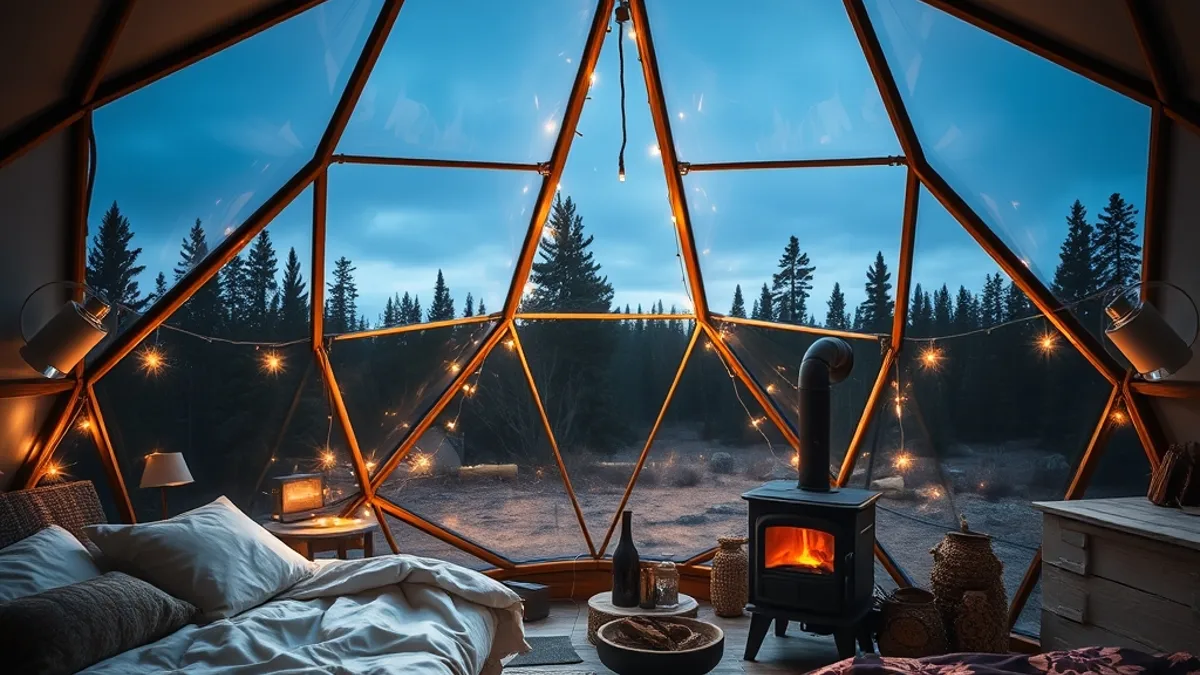
“Glamping” covers a huge range of accommodations, and they are not interchangeable. A safari tent, a yurt, a geodesic dome and a cabin differ greatly in insulation, privacy and how close you feel to the elements. A cabin with solid walls behaves like a small house. A canvas tent, however cozy, lets you hear every rustle outside and every neighbor walking past. Knowing which style you’re booking is the difference between a romantic night and a restless one.
The second trap is expecting a hotel experience at a budget tent rate. At the cheaper end of the glamping price scale, you typically won’t get daily housekeeping, a front desk, or room service. You’ll usually get a comfortable bed, decent furnishings and a shared or private bathroom, and that’s the deal. Treat it like a well-appointed camp, not a boutique hotel, and you won’t be disappointed.
Climate control is the detail that ruins the most trips. Some units include a wood stove, a heater or air conditioning; others offer nothing but a spare blanket. Before booking, check the amenities list line by line, especially if you’re traveling in a colder month or a hot region. If you’re dreaming of a tented stay in the French countryside, a look at slow-paced hideaways in Provence shows how much comfort levels can vary between properties that all call themselves glamping.
What reviews actually tell you
Reviews are where sites reveal their flaws, so read the middle and low ratings, not just the glowing five-star ones. Look for these recurring complaints:
- Thin walls or canvas: guests mentioning they heard neighboring conversations or snoring all night, a red flag in close-quarters tent villages.
- Shared bathrooms: comments about walking outside in a robe at midnight or waiting for a shower in the morning, which matters if you assumed you’d have a private one.
- Distant parking: reviewers describing a long carry of bags and coolers from the lot to the unit, a real problem if you’re packing for a family.
- Noise from roads or farm equipment: mentions of early-morning machinery or traffic that photos never show.
If two or three reviews independently mention the same drawback, treat it as fact rather than one grumpy guest’s opinion.
Packing Errors First-Time Glampers Always Make
Packing for glamping sits in an awkward middle ground: it’s not a hotel trip, but it’s not backcountry camping either. The biggest error is bringing only summer clothes because the forecast says warm. Even in summer, nightly temperatures can drop 10-15°C below daytime highs, and canvas structures cool down fast after sunset. A day that calls for shorts and a t-shirt often turns into a jeans-and-fleece evening by the fire.
Layers solve almost everything. Pack a warm mid-layer, a windproof outer layer, and a beanie for cold mornings, then add lighter options for the afternoon. Socks deserve special attention too, since feet get cold first and damp grass finds every gap in your footwear.
Lighting and power are the other classic blind spots. Many sites have limited lighting, meaning a dim path lamp at best and total darkness at worst. A flashlight or headlamp for each person, plus a power bank for charging phones, keeps you independent when outlets are scarce or nonexistent.
The small items that save the trip
Beyond the basics, a few overlooked items make a noticeable difference:
- Closed-toe shoes: paths at most sites are gravel, grass or dirt, and sandals invite stubbed toes and cold feet after dark; bring one sturdy pair plus something comfortable for the tent.
- Soft-sided bags: hard-sided suitcases struggle on dirt trails and gravel, so duffel bags or backpacks are far easier to carry the last hundred meters to your unit.
- An extra blanket or sleeping bag liner: even heated tents can feel drafty at 2 a.m., and a spare layer beats waking up cold.
- Quick-dry towel and basic toiletries: some sites provide linens but not bath towels, or offer only a soap dispenser at an outdoor wash station.
Check your specific site’s packing list before you go. Many hosts publish one, and it usually reflects exactly what previous guests wished they had brought.
Misjudging Weather, Location and Site Conditions
Glamping photos always show golden light and calm skies, but the weather on booking day rarely matches the weather on arrival day. Before you commit, look at where the tent actually sits. Sites on open ridgelines or beside lakes get hammered by wind, and a gusty night in a dome or safari tent can mean flapping canvas and very little sleep. If the listing doesn’t mention exposure, check the site map or message the host and ask directly.
Canvas is cozy, not waterproof armor
A common first-timer assumption is that “glamping” means the structure handles any storm. It doesn’t. Canvas tents, yurts and even some domes can leak in heavy, sustained rain, especially at seams and around stove openings. Ask the host how the tent performs in wet weather and whether extra tarps or a covered porch are available. If a multi-day downpour is forecast, a cabin with solid walls is usually the safer pick.
Location matters just as much as the structure. Many glamping sites sit in rural areas where the nearest grocery store or restaurant is a 20-30 minute drive away, and some have no food service at all. Check the distance to the nearest town before booking, and plan your meals and supplies accordingly — a forgotten bottle of cooking oil becomes a real problem when the closest shop closes hours ago.
Finally, think about your arrival time. Unlit gravel paths, numbered tents and self-check-in lockboxes are genuinely confusing in the dark. Aim to arrive before sunset, or at least download the site map and check-in instructions in advance while you still have phone signal.
Budgeting Surprises: Hidden Costs and Rate Expectations
Glamping can be a great value, but the sticker rate is rarely the whole story. Luxury domes with private hot tubs and panoramic views sit at the very top of the price range, which surprises travelers who assumed glamping meant “budget camping with a bed.” Rates vary enormously by season and structure type, so study the price breakdown carefully before you commit to a listing.
The bigger budget trap is the add-ons. Many sites list extras separately, and they add up faster than you’d expect. Beyond the obvious ones, watch for these:
- Firewood and fire kits: some sites provide a starter bundle, then charge per additional bundle — and gathering wood on-site is often not allowed.
- Activity fees: kayaks, guided walks, stargazing setups or farm tours may look included in the photos but carry a per-person charge.
- Pet charges: dog-friendly doesn’t mean free — many sites add a nightly or per-stay pet fee, sometimes with breed or size limits.
- Linen and cleaning fees: a few sites charge these separately from the nightly rate, which can meaningfully change the total for a short stay.
Food is another assumption worth checking. Plenty of glamping sites offer a well-equipped kitchenette or a communal cooking area, but no catering — you’re shopping, cooking and cleaning for yourself. A few include breakfast, so confirm exactly what’s on offer before you plan your meals.
Lastly, think about transport. Sites in remote countryside often sit far from towns and public transit, which usually means you’ll need a rental car or your own vehicle. Factor that cost, plus fuel, into your total before you book.
First Time Glamping Etiquette and On-Site Habits
Glamping sites are often more social than hotels — tents sit close together, walls are thin canvas, and sound carries a long way in a quiet valley. That makes basic etiquette matter more than it would at a resort. Late-night music, loud conversations on the deck and bright lanterns pointed at neighboring tents are the fastest ways to annoy people who came for the silence. Keep music inside your tent at low volume after dark, and let the campfire do the entertaining.
Wildlife is the other big one. In forested or rural areas, raccoons, foxes, mice and sometimes larger animals will find any food left on a picnic table overnight. Use the provided storage — lockable bins, coolers or a food locker — every single time, and take trash to the designated bins rather than leaving bags outside your tent.
Many glamping sites run on self-service check-in, especially smaller or family-run operations. That means your key, parking spot and tent number are usually explained in a message or a printed board at the entrance. Skipping those instructions is how people end up wandering unlit paths at 10 p.m. looking for tent 14.
When you do get an in-person orientation, pay attention — it covers things that genuinely affect your stay:
- Fire pit rules: which fires are allowed, whether fires are banned during dry spells, and where the water or extinguisher is kept.
- Wood stove use: how to light it safely, how far furniture should sit from it, and when the last embers should be out at night.
- Water and power limits: some off-grid sites ask you to keep showers short or limit appliance use, since supply isn’t unlimited.
- Quiet hours and shared facilities: knowing when the communal kitchen closes or where the nearest bathroom is saves awkward midnight walks.
A few minutes of orientation on arrival protects you, the site and the wildlife — and it makes you the neighbor everyone’s glad to have.
Your Glamping Game Plan in Brief
Glamping goes wrong for simple reasons: booking the wrong season, packing for the wrong weather, or assuming “luxury” means the same thing everywhere. The good news is that all of these are easy to avoid with a little planning before you click “book.”
Your quick game plan: reserve summer weekends 3-6 months ahead, or choose May and October to save 20-40% and skip the crowds. Match the accommodation style and its amenities to your comfort expectations, whether that means a wood stove or daily housekeeping. Pack layers, closed-toe shoes, a flashlight and a power bank so chilly evenings and dim paths never catch you off guard. Read the site details carefully, too, so hidden costs and minimum stays don’t surprise you at check-in. Do that, and your first glamping trip should feel like a treat rather than a test. If this helped, leave a comment or share the article with a friend planning their first stay.