Almost every traveler has felt that sting at checkout: the brochure promised “water sports included,” but half the fun stuff turned out to cost extra. If you’ve ever wondered what resort water sports are actually free — and which ones quietly add $100 or more to your bill — you’re not alone. The fine print matters, and most people never see it until they’re standing at the beach hut with a clipboard.
This guide breaks down exactly what you can expect. We’ll explain what “free water sports” really means at resorts, which motorised activities almost always cost extra, and why diving, cruises and guided trips are the priciest add-ons of all. You’ll also see how all-inclusive and package plans treat these activities, how to confirm costs before you book, and which destinations make free gear genuinely worth using. By the end, you’ll be able to match a resort to your activity budget instead of guessing.
What ‘Free Water Sports’ Actually Means at Resorts
When a resort advertises free water sports, it almost always means non-motorised gear. Think kayaks, stand-up paddleboards, Hobie Cat sailing and basic snorkel sets. These are the backbone of most complimentary offerings, and at beach-focused properties they’re usually racked up right at the water’s edge, ready to grab.
Free doesn’t mean unlimited, though. Most resorts hand out equipment in sessions of roughly 60-90 minutes, managed with a simple sign-up sheet at the beach hut or activities desk. In high season, those sheets fill quickly, so many guests sign up in the morning for an afternoon slot. If you want a Hobie sail, expect to show some basic experience or take a quick orientation with the beach staff first — sailing a small catamaran is the one free activity where they won’t just hand over the keys.
What’s included at no charge
The good news is that the essentials rarely cost extra. Life jackets, a short briefing on how to use the gear, and access to a roped-off or supervised swimming zone are typically part of the package. Staff at the beach hut will usually help you launch a kayak or paddleboard and give beginners a few pointers before they head out. That combination of gear, instruction and a safe area is what makes the free offering genuinely valuable — you’re not just borrowing equipment, you’re getting enough support to actually enjoy it safely.
Motorised Water Sports That Almost Always Cost Extra
The moment an engine is involved, free ends. Jet skis, water skiing, wakeboarding and parasailing sit outside every standard package I’ve seen, no matter how premium the resort or how all-inclusive the plan claims to be. These activities need fuel, dedicated staff and insurance, so resorts bill them separately — and the prices add up fast if you’re not prepared. I’ve watched families discover this at checkout and it rarely ends happily.
As a rough guide, expect jet ski rentals to run around $60-120 per 30 minutes, depending on the resort and the destination. Parasailing and banana boat rides commonly cost $25-60 per person per ride. Those numbers sound manageable until a family of four wants three rides each — suddenly you’re looking at a few hundred dollars of extras on top of your stay. Budget for it before you arrive and there are no unpleasant surprises.
- Waivers are mandatory: you’ll sign a liability waiver before every motorised activity, sometimes one per ride rather than one per stay, so read what you’re agreeing to.
- Minimum ages apply: drivers and riders often face a minimum age somewhere between 12 and 16, and younger children may only be allowed as passengers with an adult.
- Session lengths are fixed: a jet ski rental is typically sold in 30-minute blocks, so a group wanting back-to-back turns pays for each block separately.
- Fuel or damage surcharges can appear: some operators add a fee for excessive fuel use or visible damage, so inspect the equipment and note existing scratches before you head out.
Because these rides are popular with teenagers and short on supply, book them early in your stay rather than assuming you can walk up on demand. Ask at the activity desk on your first morning which slots are still open that week, and consider scheduling rides for early afternoon when the water is calmest and most operators run their full fleet. A little planning here protects both your budget and your holiday rhythm.
Diving, Cruises and Guided Trips: The Priciest Add-Ons
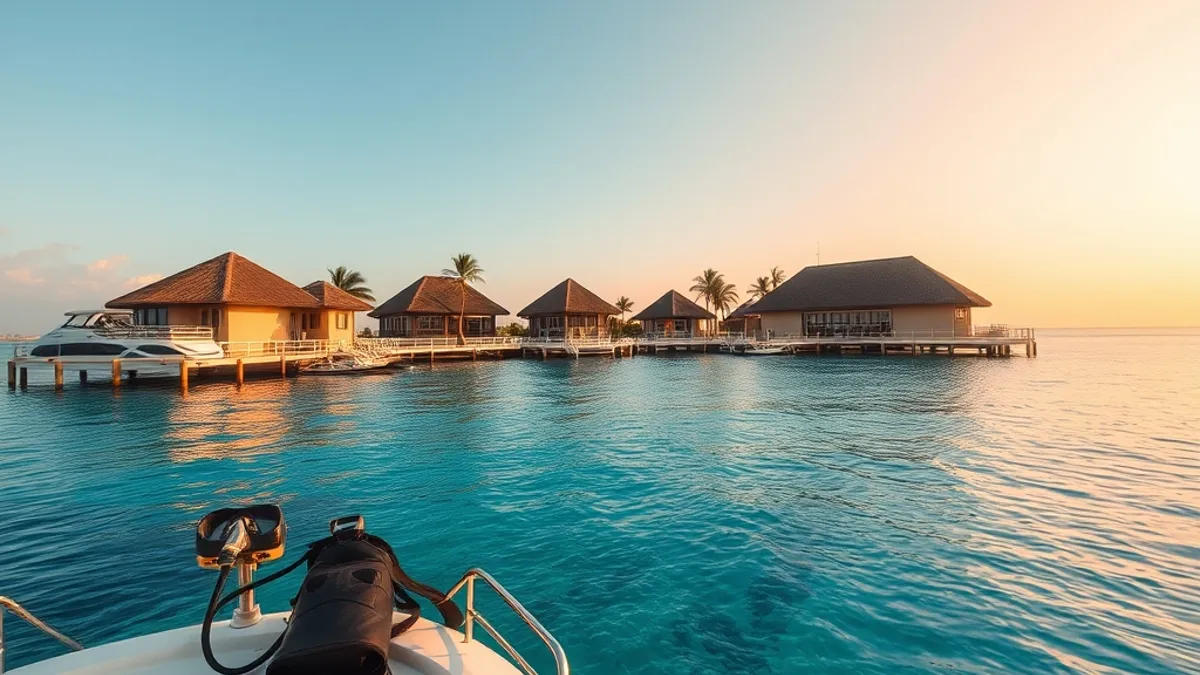
This is where resort water sports budgets really take a hit. Guided outings and diving involve boats, certified instructors, tanks and fuel, and the pricing reflects that. A discover scuba experience — the intro dive for non-certified guests, done in shallow water with an instructor holding your hand the whole time — usually costs $80-150 per person. If you’re already certified, a two-tank dive runs roughly $100-180, and multi-day dive packages can push the total much higher.
Boat trips and cruises
Snorkel boat trips and sunset catamaran cruises are the classic resort upsell, typically adding $40-100 per person depending on duration, what’s included and how far the boat travels. A short two-hour snorkel run sits at the low end; a half-day trip with lunch and an open bar sits at the top. These are often the most memorable outings of a trip, so most travelers consider them money well spent — they just need to be budgeted, not treated as free.
Timing matters as much as price. In peak season, dive boats and cruises fill fast, and the best slots — calm mornings for diving, sunset sails — go first. Book your dive and cruise outings 3-7 days ahead at the resort activity desk rather than waiting until the day before. That lead time also gives you a fallback if weather cancels one outing and you want to rebook within your stay.
How All-Inclusive and Package Plans Treat Resort Water Sports
The fine print on all-inclusive plans trips up more travelers than any other water sports issue. In most cases, your all-inclusive rate covers only non-motorised equipment: kayaks, paddleboards, snorkel sets and similar gear you power yourself. Anything with an engine or a guide attached — jet skis, water skiing, dive trips and boat cruises — gets billed separately, no matter how inclusive the brochure sounds.
That said, the lines between plan tiers are blurring. Some resorts now offer premium packages that bundle one dive or one cruise per stay, which can be a genuine saving if that activity was already on your list. The catch is that these tiers often cost noticeably more per night, so compare plan levels before booking rather than assuming the top tier is automatically better value. If you only want a paddleboard each morning, the standard plan is usually plenty.
Tracking what you actually spend
Charged activities typically post to your room bill rather than being paid on the spot, which makes it easy to lose track. A jet ski session here, a sunset cruise there, and suddenly your checkout total looks nothing like the rate you booked. Ask for an itemized update at the front desk every day or two, and note each activity’s cost when you sign up. A quick daily check takes two minutes and spares you a painful surprise on your last morning.
How to Confirm Costs Before You Book
Water sports pricing is one of the least standardized parts of any resort stay, so the details you find on booking sites are often vague, copied from old listings, or simply out of date. Two resorts side by side can look identical online while charging very different amounts for the same paddleboard session or dive. A few emails and a little comparison work before you book can save real money, and it also tells you a lot about how organized the property actually is. Resorts that answer pricing questions quickly and clearly usually run their beach operations the same way.
- Email the resort directly. Ask for their current water sports price list in writing. Online travel agency descriptions frequently copy old text, and staff can tell you exactly what a jet ski session or discover scuba dive costs today. Keep the reply so you have something to reference if a charge looks wrong later.
- Ask how free gear is allocated. Some resorts run free sessions first-come-first-served, while others use sign-up sheets or reservations. In high season, free paddleboard and kayak sessions can book out by mid-morning, so knowing the system helps you plan your beach days around it.
- Check whether paid activities are reservable in advance. Dive boats and catamaran cruises often have limited seats, and peak-season slots can fill days ahead. Confirm whether you can reserve before arrival or need to visit the activity desk on day one.
- Compare totals, not rates. Add up the paid activities you genuinely want — one dive, a cruise, a jet ski ride — and check whether another resort bundles them into a higher nightly rate or a premium plan. The cheapest room is not always the cheapest stay.
Ten minutes of this homework usually settles which resort fits your activity budget. It also gives you realistic expectations about what “free” means at that particular property, which is exactly the kind of detail booking sites rarely spell out. If a resort cannot or will not send a simple price list before you pay a deposit, treat that as a warning sign and compare another option before committing.
Destinations Where Free Water Sports Shine
Where you unpack your swimsuit shapes how much value you actually get from free water sports. A complimentary paddleboard is only a perk if the water invites you onto it, and the best destinations for each activity vary more than most travelers expect.
Calm lagoons and surf coasts
Calm lagoon settings in the Maldives and Thailand are where free kayaking and paddleboarding genuinely shine. Flat, sheltered water means you can head out every single day without fighting wind or swell, and those short complimentary sessions become a daily ritual rather than a one-time novelty. If paddling is your priority, choose resorts on lagoons over open-ocean frontages.
Surf-adjacent coasts in Portugal and Indonesia flip the equation. Open-sea conditions make free kayaks and paddleboards far less usable, so the real value shifts toward guided lessons and instructor-led sessions, which usually cost extra. Budget for those lessons instead of counting on complimentary gear, and treat the free equipment as a bonus for the occasional calm day.
Reef destinations
Reef destinations like the Philippines reward a different strategy again. The best snorkeling often lies offshore, reachable only by boat, so onshore free gear gets you only so far. This is where budgeting for a snorkel boat trip pays off — yes, it costs extra, but it puts you over genuinely rich reef sites that shore-based paddling can never reach. Ask the activity desk which reefs the local boats visit and how far out they run before you commit.
The simple rule: match your spending to the water in front of you. Lagoon resorts make free gear the star of the trip, surf coasts justify paying for instruction, and reef destinations reward putting your money toward boat access. Get that match right and every dollar of your activity budget goes further. If a Philippine reef trip sounds like your kind of getaway, this look at polished resorts in the Philippines is a useful starting point.
The Bottom Line on Resort Water Sports Costs
So what does “water sports included” really mean? In practice, free resort water sports usually means non-motorised gear — kayaks, paddleboards and snorkel sets — handed out in 60-90 minute sessions. That covers a lot of fun, but it is only a fraction of what sits on the beach.
The real costs live in the extras: motorised rides like jet skis and parasailing at $25-60 per ride, and diving or guided outings that can run $100-180 per dive. The simplest way to avoid a checkout surprise is to confirm the current price list before booking, then match the resort to your activity budget. If this helped you plan, leave a comment or share the article with a travel buddy.