You know you want a glamping stay, but choosing between a safari tent and a geodesic dome feels impossible when listings blur the differences. Every photo shows a cozy bed and a nice view, and the descriptions all promise “luxury in nature.” Yet these two structures behave very differently once you’re inside them, especially when the weather turns or when you’re traveling with more than one other person.
This guide breaks the safari tent vs dome question into the decisions that actually matter: how the structures differ in real life, how much space you get, how each handles rain, wind and heat, what you can expect to pay, and how to match the stay to your destination and season. We’ll also cover booking timing and how to vet a listing before you pay, so you end the article knowing exactly which one fits your next trip.
Safari Tent vs Dome: How the Two Structures Actually Differ
Safari tents are the classic glamping structure: a rectangular canvas build stretched over a fixed frame, almost always raised on a wooden deck. That layout allows for real separation inside, with a dedicated sleeping area distinct from a living or lounge space, and the deck itself becomes usable outdoor square footage with chairs or a dining table.
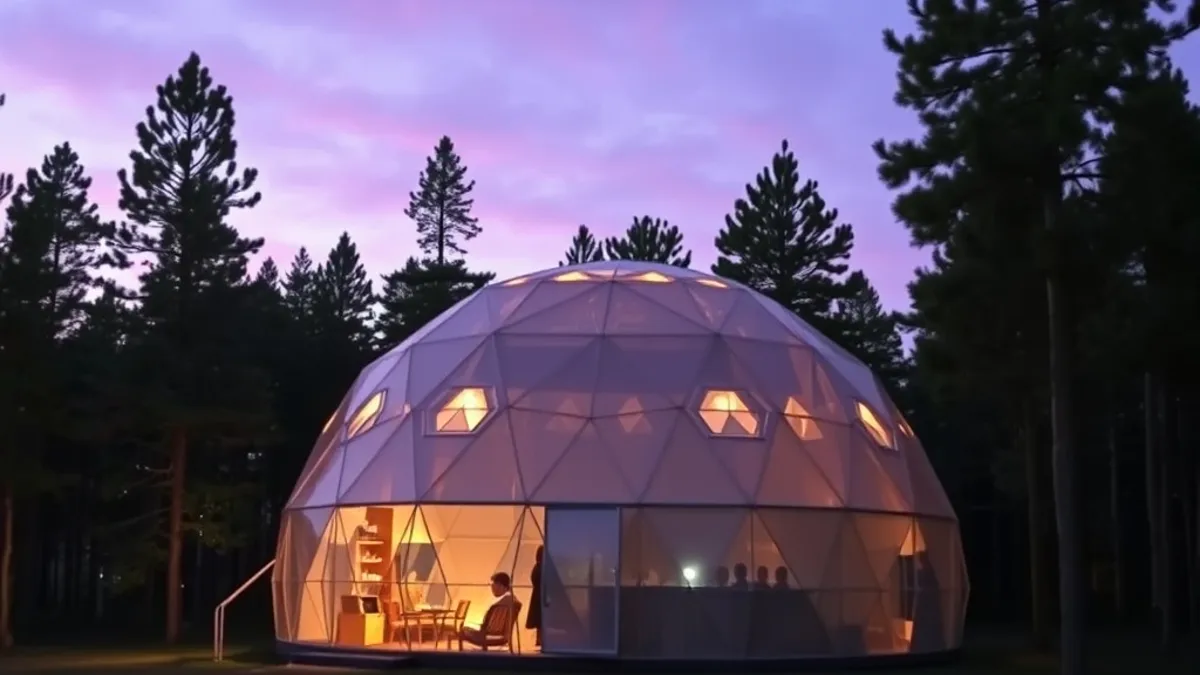
Geodesic domes take the opposite approach. They’re spherical structures made from triangular panels, which gives them a single open-plan interior with no interior walls. Many domes include a transparent roof section, so you can lie in bed and watch the stars without leaving the warmth of your room.
How each one feels on the inside
The materials shape the experience as much as the shape does. Canvas walls breathe, so a safari tent feels closer to traditional camping — you hear the wind, you sense the outside air, and mornings smell like the landscape around you. A dome feels more like a rounded cabin: insulated, enclosed and more obviously a “building,” even though you’re still in the middle of nature.
Neither is better in the abstract; they simply suit different moods and conditions. The sections below look at how those differences play out in space, weather and cost.
Space and Layout: What You Get Inside Each Stay
Space is where the safari tent vs dome difference becomes most obvious, and it is often the deciding factor for how comfortable your stay feels. Safari tents typically span 35-60 m2, and that footprint is usually split into a bedroom, a lounge area and a furnished deck. The separate rooms mean you can read in the lounge while someone else sleeps, and the deck effectively doubles your living space in good weather. For families, this layout alone can make a week-long stay far more pleasant than it sounds on a listing page.
Domes usually offer 20-45 m2, mostly in one open-plan room. There are no interior walls, so everything — bed, seating, sometimes a kitchenette — shares a single curved space. That layout works beautifully for couples who want a cozy, cocoon-like feel, but families with older children often find the lack of privacy frustrating after a few nights. If you are traveling with teenagers, ask whether the site offers connecting units or a larger two-dome setup.
Before you book, look past the photos and check the practical details, because two domes with the same floor area can feel very different:
- Ceiling height: domes feel most comfortable when the peak is high enough to stand and move around the bed freely; low-profile models can feel claustrophobic for taller travelers.
- Furniture count: some listings cram in a kitchenette, wardrobe, chairs and luggage racks — count the pieces in the photos and imagine walking between them with a suitcase open.
- Bathroom location: a private en-suite takes floor area from the main room, while a shared facility a short walk away frees up space inside but changes the experience.
Weather Performance: Rain, Wind and Heat Compared
Weather is where the two structures genuinely split. Geodesic domes handle snow loads and wind better thanks to their aerodynamic shape — wind flows around the curved panels instead of pushing against flat walls, and snow slides off rather than accumulating. If your destination is stormy, mountainous or cold, a dome is typically the safer pick.
That resilience makes domes popular in exposed coastal and northern regions. Ireland’s Atlantic coast is a good example: a stay like Connemara hideout homes built for Atlantic weather and deep Irish quiet shows why curving, weather-hardy structures suit places where wind and rain are part of the charm rather than an exception.
Where safari tents perform best
Safari tents excel in dry, warm seasons, when canvas walls breathe and the whole setup — bed, lounge, deck — feels like an extension of the landscape. In hot climates, that breathability is a real advantage: canvas stays cooler by day than an enclosed structure. The weakness is prolonged rain. Canvas needs roughly 3-5 days to fully dry after a heavy downpour, so a string of wet days can leave the fabric damp and the interior musty.
Domes have their own hot-weather caveat. Those appealing transparent roof panels can turn the interior into a greenhouse without adequate shade or ventilation. If you’re booking a dome for a warm destination, look for listings that mention shading, vents or air conditioning rather than assuming the clear roof stays comfortable at midday.
Cost: Nightly Rates, Season Surcharges and What Drives Price
Glamping rates for these two structures overlap more than most travelers expect. Safari tents commonly run $150-400 per night, while domes typically sit between $120-350. The gap within each range comes down to size and, above all, the bathroom setup. A dome with a private en-suite will usually cost more than a larger safari tent that shares a washblock down the path.
Season matters just as much as structure. In most glamping regions, expect peak season rates to run 30-50% above shoulder season prices. That means the same tent can cost noticeably more in July than in late September, even though the weather may be nearly as pleasant. If your dates are flexible, shifting your trip by a few weeks is often the easiest way to save.
What pushes a listing to the top of its range
For domes, the premium features are transparent roof panels for stargazing and a private hot tub on the platform. Domes offering both tend to sit at the very top of their price band. For safari tents, it is the deck and the en-suite bathroom that do the same. A spacious furnished deck with lounge chairs and an outdoor dining area turns the tent into a genuine suite, and hosts price it accordingly.
Before comparing rates, check exactly what is included. Two listings at the same price can differ sharply once you account for breakfast, heating, or whether the bathroom is private. A slightly pricier tent with an en-suite and a real kitchenette can work out cheaper than a budget dome plus restaurant meals.
Matching the Stay to Your Destination and Season
The right structure depends less on personal taste and more on where and when you are going. Domes earn their keep in shoulder and cold-season trips, where their aerodynamic shape sheds wind, rain and snow far better than flat canvas walls. If your destination is a mountain pass or a windswept coastline, a dome is usually the safer bet. They are also the natural choice for stargazing-focused stays, since many come with a transparent roof section right above the bed.
Safari tents shine in the opposite conditions. A dry-season savanna trip, a Mediterranean summer escape or a warm-climate lodge all favor canvas, because it breathes during hot days and gives you that classic deck-living experience. On a furnished deck with a lounge area, the tent effectively doubles in usable space, which is exactly what you want in warm weather.
Some destinations practically decide for you. Dramatic landscapes, from Icelandic volcanic coasts to Mongolian lake country, favor domes for their weather resilience. If Iceland is on your list, our guide to Vík volcanic havens for wild views and cozy interiors shows how well dome-style stays suit that rugged south coast.
- Shoulder-season mountain trips: domes insulate better overnight, when temperatures in alpine valleys can drop sharply even after warm afternoons.
- Mediterranean summer coastlines: safari tents with shaded decks let you siesta outdoors through the hottest hours instead of retreating inside.
- Stargazing destinations: a dome with a clear roof panel means you can watch the sky from bed, a real advantage on short winter nights.
- Lodge-based safari regions: safari tents match the traditional tented-camp feel and handle dry heat comfortably without mechanical cooling.
Booking Timing and How to Vet a Listing Before You Pay
Glamping sites are small operations, often with only a handful of units on the whole property, so the best ones sell out long before regular hotels do. A lodge with eight safari tents and three domes has far less inventory than even a modest boutique hotel, which means a single busy weekend can wipe out every good option. Booking early matters more here than in almost any other accommodation category, and a few minutes of listing vetting can save you from a damp, disappointing night. Before you pay, work through a short checklist: the timing of your booking, what past guests say about the weather, and whether the practical details in the listing actually match what you need.
- Book on the right timeline. Aim for 3-6 months ahead for summer stays and 6-12 months ahead for holiday periods. The most photogenic units at top glamping sites are usually the first to go, so late bookers often end up with the least desirable tent or dome on the property. If you have your heart set on a specific unit rather than just a site, treat the earliest possible booking date as your deadline.
- Read reviews for waterproofing and condensation. These are the two most common complaints in both structures. Search reviews specifically for words like “leak”, “damp” or “wet” before you commit, and pay attention to how the host responded. A host who answers quickly and offers a fix is a good sign; silence or blame is not.
- Confirm heating and cooling. A listing may look cozy, but canvas walls in October or a clear-roofed dome in summer both need proper climate control. Check whether heating or a fan and ventilation are explicitly mentioned, and message the host if the description is silent on it.
- Verify bedding and bathroom details. Real beds with proper mattresses, quality linens and a private bathroom are what separate glamping from camping. If the listing is vague about any of these, ask before paying rather than hoping for the best.
Once you have confirmation on those basics, the rest is easy. Lock in your dates early, keep the booking confirmation and the host’s contact details handy, and you can look forward to the trip rather than worrying about what awaits when you unzip the door.
The Bottom Line for Your Next Glamping Trip
So which one should you book? If your trip is all about warm weather, long days on a furnished deck and room to spread out, the safari tent is the better fit, with its 35-60 m2 of space and separate living areas. If your destination is windy, cold or built around dark skies, the dome wins, thanks to its weather resilience and that stargazing roof panel.
On price, the two overlap more than you might expect, with rates generally ranging from $120-400 per night. That means season and structure fit matter more than the base rate, and booking 3-6 months ahead for summer trips makes the good sites actually available. Match the structure to your destination’s climate, and the choice between the two becomes simple. Have you stayed in either? Tell us in the comments or share this article with a friend planning a trip.