Most first-time safari travelers make the same two mistakes: they pick the wrong time of year, or they wait too long to book african safari lodges and watch the best properties fill up. The result is often a compromise trip — a peak-season price for a green-season experience, or a green-season date at a lodge that was never the one you wanted.
Timing shapes everything about a safari: which animals you’ll see, how much you’ll pay per night, and how far ahead you need to plan. This guide walks through why timing matters so much, how the dry and green seasons compare, which shoulder months offer the best value, how far in advance to book by region, how rates move through the year, and how to match your lodge choice to the calendar. By the end, you’ll know exactly when — and how early — to commit.
Why Timing Matters When You Book African Safari Lodges
Here’s the detail that surprises most first-time safari planners: safari lodges are small. Many of the best properties have just 8 to 20 rooms, sometimes fewer. A lodge with twelve tents doesn’t need a wave of tourists to sell out — a handful of returning guests and a couple of tour operator blocks can fill it. That’s why the most sought-after lodges routinely sell out a full year ahead, even though overall visitor numbers in a region might seem modest.
Timing also changes what your money actually buys. Game viewing quality swings sharply between the dry and green seasons. In the dry months, animals gather at waterholes and the thin vegetation makes spotting easy. In the green season, thick bush and scattered water mean animals are harder to find — the same game drive, in the same vehicle, with the same guide, can deliver very different results.
Same tent, very different price
The third piece is rates. At the same lodge, for an identical tent or suite, prices can differ by 30-50% between peak and green season. You’re not getting a lesser room in the low season — you’re getting the same canvas, the same bed, the same meals, at nearly half the cost, with different wildlife odds outside. Understanding these three forces — scarcity, seasonality, and price swings — is the foundation of every booking decision that follows.
Dry Season vs Green Season: What Each Window Delivers
The dry season is the classic safari window, and for good reason. In Southern Africa it runs roughly May to October; in East Africa, June to October. Rain is scarce, the bush thins out, and water becomes scarce enough that animals concentrate around rivers and waterholes. Spotting a leopard in a bare tree or a herd of elephant at a drying pan is dramatically easier than in dense green cover. The trade-off: you’ll share the sightings with more vehicles, and you’ll pay peak rates for the privilege.
The green season, roughly November to March in most safari regions, flips the picture. Landscapes turn lush, newborn animals appear across the plains, and migrant birdlife arrives in force. Afternoon showers are common, and thicker vegetation makes sightings harder work — but photographers often prefer the dramatic skies and saturated colors, and the lodges are quieter.
The migration wildcard
July to September adds something extra in East Africa: the Great Migration river crossings in the Masai Mara and northern Serengeti. This is the single most in-demand window on the safari calendar, when hundreds of thousands of wildebeest brave crocodile-filled rivers. If you want to witness it, book earlier than you think you need to — these dates vanish first. For a sense of what a quieter, water-centered safari experience looks like, see rainshore resorts in Botswana for safari serenity and beautifully paced comfort.
Shoulder Months: The Value Sweet Spot
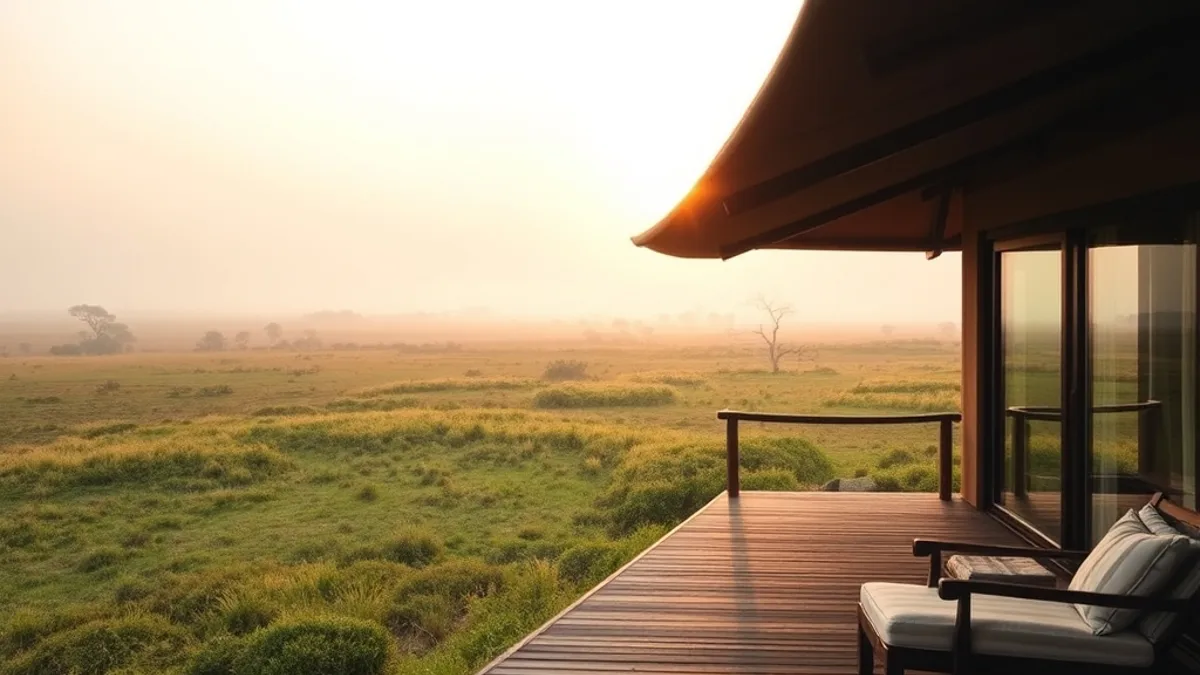
The shoulder months are where savvy travelers get the best of both worlds. June sits at the front edge of Southern Africa’s dry season: landscapes have dried out, grass is dropping, animals are starting to concentrate around permanent water, and yet rates remain well below the July-September peak. In East Africa, June arrives before Migration demand spikes, so you get dry-season game viewing without the July-September premium or crowds. It is also a comfortable month for walking safaris and mokoro trips, when the bush is neither too thick nor too dusty.
November and early December are the other sweet spot. They sit between the end of the dry season and the heart of the rains, and lodges often trim prices 15-30% while game viewing stays reliably good. Late January to March suits travelers chasing Tanzania’s calving season in the southern Serengeti, when hundreds of thousands of wildebeest drop their young on the short-grass plains — all at off-peak rates. For photographers, the soft light and dramatic skies of these months are a genuine bonus.
- June means cooler mornings. Early game drives call for warm layers, and some lodges still heat water the traditional way — ask when booking.
- November can be unpredictable. Rains may arrive early or late, so build a little flexibility into your itinerary rather than fixing every transfer in stone.
- Calving season draws predators. Late January to March offers some of the year’s best cheetah and lion action on the Serengeti’s southern plains, as predators follow the newborn herds.
- Shoulder months pair well with coastal add-ons. If you want to extend your trip toward the coast, see these bluewater resorts in South Africa for safari elegance and coastal release for how a bush-and-beach combination can work.
Booking Lead Times by Region and Season
Safari lodges are small operations, often just 8-20 rooms, and the most sought-after properties in the Serengeti, Masai Mara and Okavango Delta commonly fill their high-season calendar a year or more in advance. A lead time of 9-18 months is the norm for peak dates in these flagship regions, and the best guides and private vehicles tend to go to the earliest bookings.
Green-season and shoulder-month trips are far more forgiving. If you can travel outside the July-September crush, booking 3-6 months out is usually enough to secure a good lodge at a reasonable rate, and you may even find late availability at excellent properties.
Some properties simply cannot wait. Small, owner-run camps and exclusive-use houses often turn away repeat guests before they ever open their calendars to new travelers, so how early you commit matters more than how flexible your dates are.
- Private concessions: Camps on private land often have very few units, sometimes four to six, so a single family reunion can absorb most of a month’s inventory.
- Exclusive-use villas: These are booked as a whole property for one party, meaning there is only one slot per night and no solo travelers to fill gaps.
- Specialist guides: If a lodge has a renowned guide or tracker team, requesting them by name usually requires the earliest possible booking.
- Family and group travel: Multiple rooms side by side, or connecting family tents, are harder to assemble than one or two rooms, so larger parties should plan further ahead.
If you are considering the Laikipia plateau area around Nanyuki, take a look at Nanyuki homesteads with spacious calm near safari country to see how private-land stays compare with park lodges on booking timing.
How Rates Move Through the Year
Safari lodge pricing swings more than almost any other travel category, and the same tent at the same camp can cost dramatically different amounts depending on when you arrive. Peak-season rates at top lodges typically run $600-1,500+ per person per night, while green-season pricing at those very same properties often drops to $300-700 per person per night. That is the difference between a once-a-decade splurge and a repeatable annual trip.
What the rate actually includes
Before comparing numbers, check what sits inside each rate. Some lodges bundle game drives, meals, drinks and park fees into one all-inclusive figure, while others quote a lower headline price and add conservation fees, park entry and premium activities on top. Park and conservation fees are set annually and vary by country and reserve, so ask each lodge for the current rate rather than relying on an older quote. An all-inclusive rate can work out better value than a cheaper headline price that excludes park fees and drinks, so read the fine print line by line.
Also confirm whether flights between camps, laundry, gratuities and premium spirits are part of the deal. These add-ons can shift the real per-night cost by a meaningful margin, especially on multi-camp itineraries where internal flights are unavoidable.
Discounts that cluster in low season
Lodges use quiet months to reward longer and more flexible guests. Ask about long-stay discounts, such as reduced rates for a fourth or seventh night, and about single-supplement waivers if you are traveling alone, since solo travelers otherwise pay a penalty for occupying a room alone.
Combinable stay-pay offers are another low-season staple, where a set number of nights at one camp earns free or heavily discounted nights at a sister property. These offers rarely appear at peak dates, so if your itinerary has room to move, anchoring it in green season can unlock savings that no negotiation will get you in July.
Matching Your Lodge Choice to the Calendar
Choosing a lodge is not just about region and budget; it is about matching the property’s strengths to the month you will actually be there. Two camps in the same concession can be superb in August and mediocre in March, or the reverse, depending on what they are built around.
Water camps versus land camps
Water-based Okavango Delta camps peak in flood season, May to August, when channels run high and mokoro excursions glide through reed beds at their best. Land-based savanna camps in the same delta shine later in the dry season, when animals concentrate around remaining water sources and game drives deliver dense sightings. If a delta itinerary matters to you, decide first whether you are coming for the water or the wildlife, then fix your month and your camp accordingly.
Beach-and-bush pairings
Beach-and-bush combinations work best when both halves of the trip share good weather. Pairing a May-October safari with a coastal stay in the same window means you avoid arriving at the beach during its rains, which is the most common mistake in combined itineraries. Check the coastal region’s own climate pattern before locking dates, since Kenya’s coast, Zanzibar and southern Mozambique do not all peak identically.
Honeymooners and photographers
Green season offers dramatic skies, soft light, newborn animals and near-empty camps, which photographers and honeymooners often prize. Dry season offers reliability: thin bush, predictable sightings and easy logistics. Weigh these honestly before fixing dates, because a couple who values solitude and mood may be happier in November than a couple who wants guaranteed-density game viewing in August. Decide which experience you actually want, then let the calendar choose the lodge rather than the other way around.
The Bottom Line
Most first-safari mistakes come down to timing: travelers book too late, settle for whatever rooms remain, and pay peak rates for a mediocre window. The fix is simple. Lock in high-season trophy windows in the Serengeti, Masai Mara or Okavango Delta 9-18 months out, aim for June or November when rates can drop 15-30% with game viewing still strong, and let green season stretch your budget with prices often 30-50% below peak.
Before you fix dates or a lodge, ask one question: which season delivers the sightings and rates you actually want? Answer that honestly, then book to match. If this helped you plan your trip, leave a comment or share the article with a fellow traveler.