Glamping in Mallorca promises a tempting mix: olive groves and mountain views by day, a real bed and often a hot tub by night, all without resort prices or hotel formality. The problem is that the word covers everything from a basic tent on a farmer’s field to a luxury safari lodge with an en-suite bathroom, and photos rarely tell the whole story. Book blind and you may end up sharing a bathroom block when you expected your own.
This guide sorts it out. We’ll break down what these stays actually look like and what your money buys, map the island’s three main glamping zones, and help you pick the right season. You’ll also learn how to spot a genuinely good site, when to book and what to budget, what to pack for life on a finca, and finally how to pull the whole trip together. By the end, you’ll know exactly what to expect when canvas meets the Mediterranean.
What Glamping in Mallorca Actually Looks Like
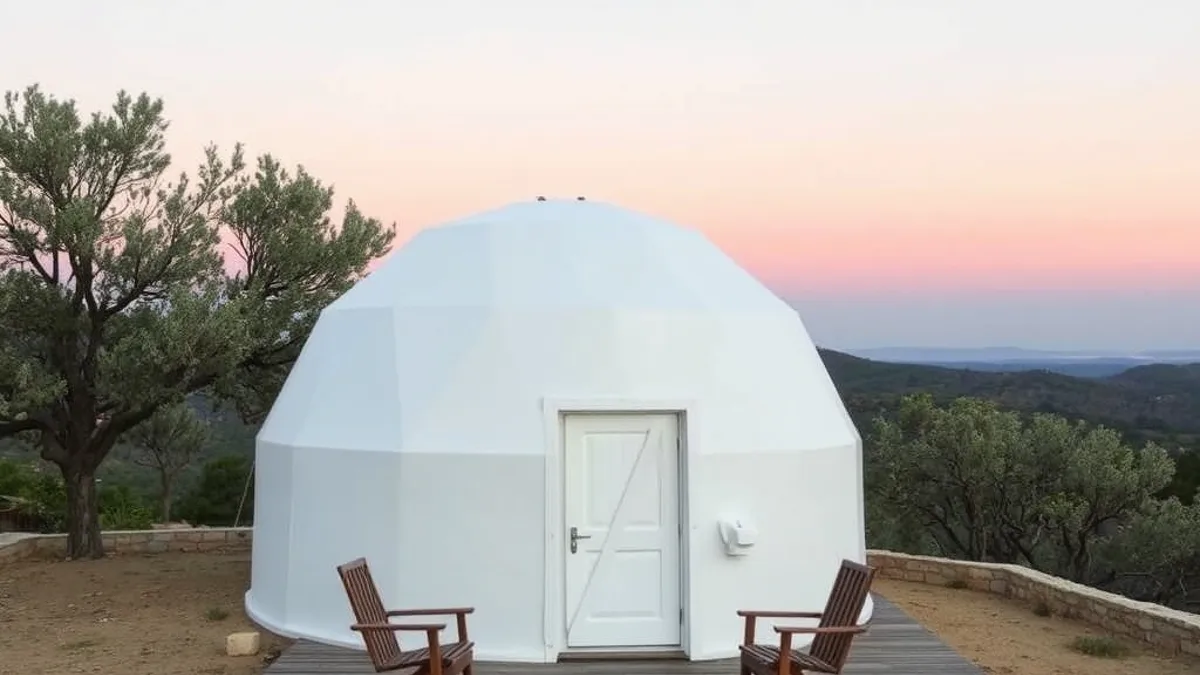
Mallorca’s glamping scene stretches across a wide comfort spectrum. At the simple end, you’ll find classic bell tents set in a field, where you walk to a shared bathroom block and cook in a communal kitchen. At the top end, safari lodges, geodesic domes and yurts come with en-suite bathrooms, private terraces and sometimes your own plunge pool. These are two very different holidays that happen to share a name.
What most sites have in common is size. Typically you’ll find just 3-10 units on a finca or among olive groves, which means the atmosphere is rural and quiet rather than resort-like. Don’t expect pools crowded with sun loungers or evening entertainment; expect roosters, gravel paths and neighbors you can count on one hand.
What your budget actually buys
Comfort tracks price closely here. Below €120 per night, expect shared bathrooms and basic kitchen facilities, plus canvas walls that follow the outside temperature. Above €200, you can generally count on air conditioning, private terraces and, at some sites, a hot tub of your own. Knowing this tier system before you book is the single best way to avoid disappointment, because a “luxury” label means very different things at different price points.
Where to Stay: The Island’s Three Glamping Zones
Mallorca is a compact island, but glamping sites cluster in three distinct areas, and your choice of zone shapes the whole trip. Think first about what you want to do each day, then pick the region that puts you closest to it. A site that looks cheap on a map can cost you hours of driving if it sits far from the coastline or trails you came for. Because the island is only around 100 kilometers from end to end, nowhere is truly remote, yet winding country roads slow everything down, so a “short” distance can still mean a long drive.
- The Tramuntana foothills: Sites near Sóller, Deià and Alaró suit hikers who want mountain views and noticeably cooler nights, a real advantage when canvas heats up. You’re also well placed for the stone villages, terraced olive groves and coastal paths of the northwest, plus the vintage tram and train connections around Sóller if you want a car-free day.
- The central plain: Around Algaida and Sineu, land is cheaper and so are the sites. You get easy drives to both coasts, plus a genuinely rural setting among farmland, windmills and weekly markets, including the well-known horse market in Sineu.
- The southeast coast: Near Santanyí and Felanitx, you’re closest to beautiful coves like Cala Mondragó and Cala Llombards. That proximity to some of the island’s best swimming comes at a premium in summer, when demand peaks and the small car parks at popular beaches fill early.
None of the three zones is far from Palma airport, but rural sites still mean narrow, winding country roads with tractors and cyclists, so factor in realistic drive times when choosing rather than trusting map estimates. If your priority is hiking, go north; if it’s beaches, go southeast; if it’s value and central access, the plain wins. One practical tip: once you’ve picked a zone, check which towns have supermarkets and fuel stations nearby, since many rural sites sit a 15-20 minute drive from the nearest proper shop, and you won’t want to repeat that trip for forgotten coffee or sunscreen.
Choosing the Right Season for Your Trip
Timing makes or breaks a glamping trip in Mallorca, because canvas amplifies whatever the weather does. The sweet-spot months are May to June and September to October, when daytime highs sit around 22-28°C, the sea is warm enough for proper swimming, and rates offer the best value of the year. You get the island’s landscapes at their best without fighting for shade.
The summer trade-off
July and August bring highs that often reach 30-34°C, and a tent can feel like an oven by mid-afternoon. Canvas stays only work in high summer if the site has serious shade, a pool or air conditioning, so check those details before committing to a July booking. If your heart is set on Mediterranean warmth but you’re flexible on destination, the same logic applies elsewhere; the sweet-spot months described in this guide to slow French countryside mornings in Provence follow a similar rhythm.
Winter is a different story entirely. Most glamping sites close from November to March, and year-round operation is the exception rather than the rule. If you want to explore Mallorca in the cooler months, plan on a hotel or apartment instead, and save the tent for when the sites reopen in spring.
How to Spot a Genuinely Good Site
Not all glamping sites are created equal, and in Mallorca the difference between a magical stay and a disappointing one often comes down to details that photos don’t show. A glossy shot of a dome at sunset tells you nothing about the walk to the bathroom at midnight or how the tent copes with a hot afternoon. Before you book, dig into the practicalities: how the bathrooms are set up, how the site handles summer heat, and what is actually included in the nightly rate. A few minutes of checking can save you from arriving at a beautiful tent with a long walk to a cold shower, and it costs you nothing but a little reading time.
The biggest surprise for first-timers is how much varies between sites, even ones that look similar online and sit within a short drive of each other. Some include breakfast, fresh linen and final cleaning as standard; others charge for each separately or ask you to strip beds and take out your own rubbish before you leave. Read the booking terms carefully, and check recent reviews for mentions of wind and noise, because exposed hillside domes can be loud when the tramuntana blows in the windier months. It also pays to message the host directly with specific questions about your dates, since small sites often have only a handful of units and the owner can tell you exactly which one is quietest, shadiest or closest to the facilities.
- Bathroom setup: en-suite bathrooms usually appear at sites above €200 per night, while lower-priced bell tents typically share a bathroom block, sometimes a few minutes’ walk along gravel paths.
- Kitchen arrangements: some sites give each unit a small private kitchenette, others run a single communal kitchen where you share fridge space and cooking times with all guests.
- Heat management: canvas heats fast in the Mediterranean summer, so look for real shade structures such as pergolas or mature trees over the tent, plus a pool or air conditioning rather than just a fan.
- Wind exposure: domes and yurts on open hillsides catch the tramuntana wind, and reviews often mention rattling canvas or flapping guy lines that light sleepers regret not checking.
- What’s included: confirm whether breakfast, bed linen, towels and final cleaning are part of the rate, since these vary site to site and can add meaningfully to your total cost.
Booking Windows and What to Budget
When to book
Summer dates in Mallorca move fast. For July and August stays, reserve 3-6 months ahead, especially if you want a dome or lodge with private facilities, since those units are few and go first. In shoulder season, 1-2 months of lead time is usually enough, and you may even find last-minute availability at smaller sites.
If your dates are flexible, booking early still pays off in the shoulder months, when the best units get claimed by returning guests who know the routine. Some regulars rebook the same tent before they leave, so waiting until the last minute can mean settling for whatever is left rather than what you actually wanted.
What you’ll pay
Budget €90-€150 per night for bell tents and yurts, which generally means shared or semi-private bathrooms and a communal kitchen. Domes and lodges with en-suite bathrooms, private terraces and sometimes hot tubs sit at the upper end of the range, with the top prices in high season. Check whether cleaning fees or breakfast are added on top when you compare prices, since these extras can shift the real cost of one option well above another that looked similar.
Factor in transport too. Palma airport sits within a 30-60 minute drive of most mainland glamping spots, and the sites are deliberately rural, down olive-grove tracks and country lanes with little or no public transport. A hire car is effectively essential, so include it in your budget from the start rather than treating it as an optional extra.
What to Pack and What to Expect On Site
Glamping in Mallorca is comfortable, but it’s still canvas in the countryside, and packing with that in mind makes a real difference. Mountain nights stay cool even in high summer, so layers matter more than you’d expect. Paths between tents are usually unlit, both to preserve the atmosphere and because many sites are off-grid or low-impact, so a torch belongs in your bag from night one.
Set your expectations at rustic charm rather than hotel polish. Gravel paths, the occasional insect in the tent and Wi-Fi that reaches the pool but not always your bed are all part of the deal. Most people find this adds to the experience, but it helps to know before you arrive, especially if you’re planning to work remotely.
Many sites go beyond the basics with extras that make a stay memorable, though these usually cost additional, so ask when booking rather than assuming they’re included.
- Wood-fired hot tubs: these often need to be booked a day in advance and take an hour or more to heat, so plan your evening around the fire rather than expecting instant hot water.
- Yoga decks and wellness spaces: some finca sites set aside a shaded platform or quiet terrace, sometimes with scheduled morning sessions at extra cost.
- Farm breakfasts: expect local produce, eggs from the property and homemade preserves, typically served at a set time in a communal area rather than delivered to your tent.
- Honest extras to bring: a torch with fresh batteries, a plug adapter, and a light robe or sandals for shared bathroom blocks all earn their place in your luggage.
Making Your Mallorca Glamping Trip Come Together
Glamping in Mallorca solves the problem it promises to: you get the island’s mountains, olive groves and coves without resort prices or hotel formality. The trick is accepting that “glamping” covers everything from a bell tent with shared bathrooms to a lodge with air conditioning and a hot tub, so the site you book is only as good as the choices you make first. Pick your zone, then your season, then your comfort tier, and the wild variation narrows fast.
Aim for May to June or September to October for the best mix of warm days, calm canvas and value. For summer dates, book three to six months ahead and budget anywhere from around €90 to €350+ a night depending on how much comfort you want. Bring a hire car, keep your expectations honestly rustic, and you will find that glamping in Mallorca delivers the island’s landscapes at a fraction of what a hotel charges. If this helped you plan your trip, leave a comment or share the article.